



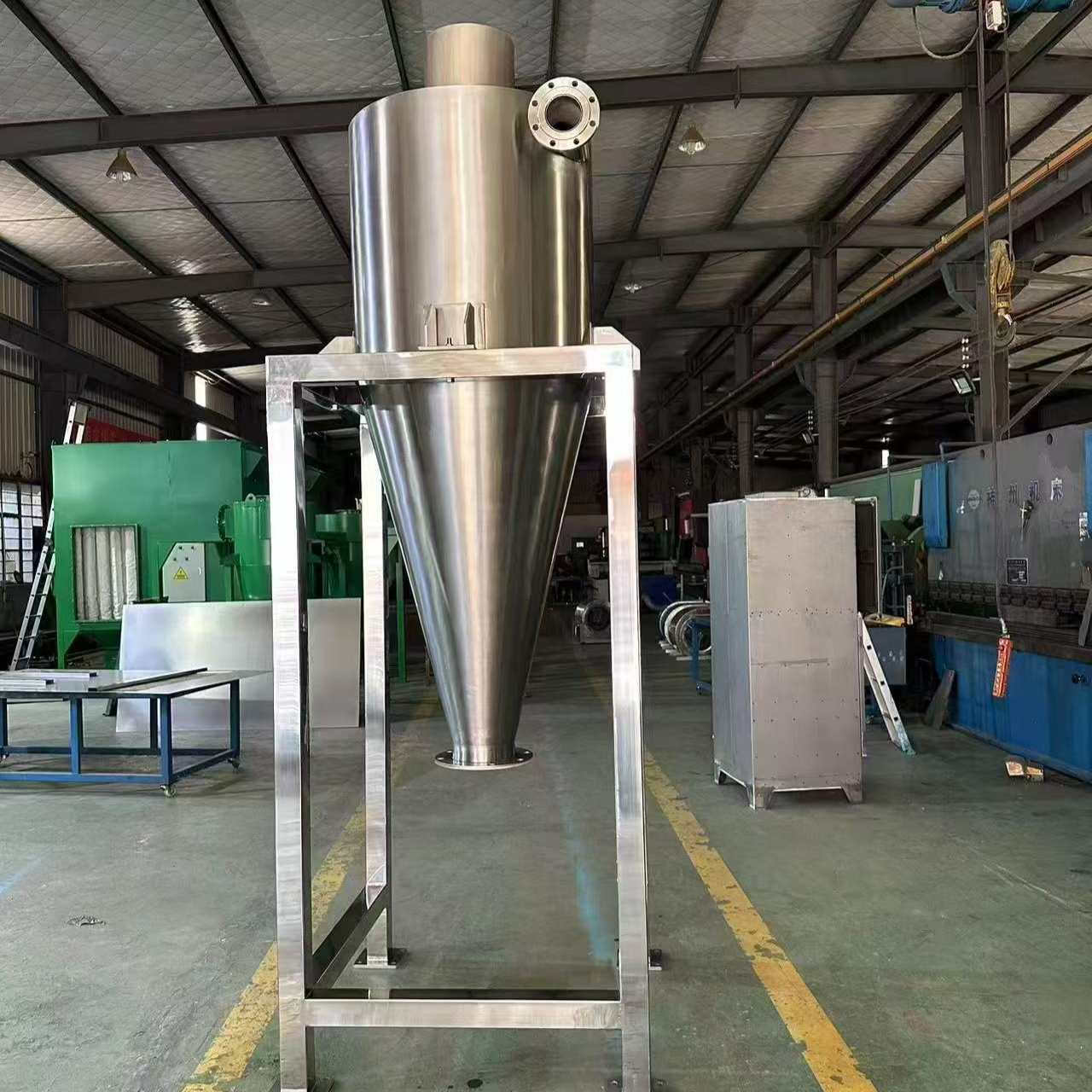
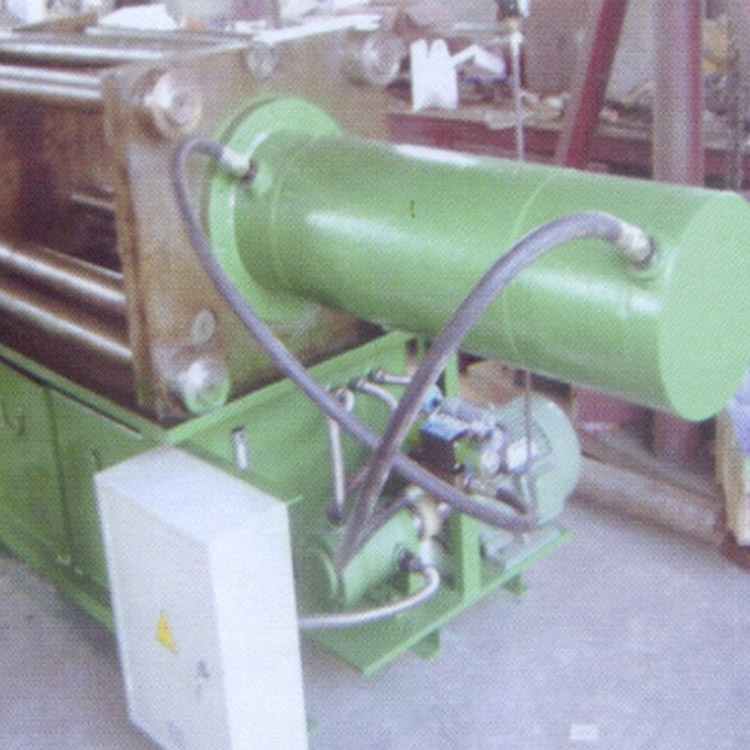






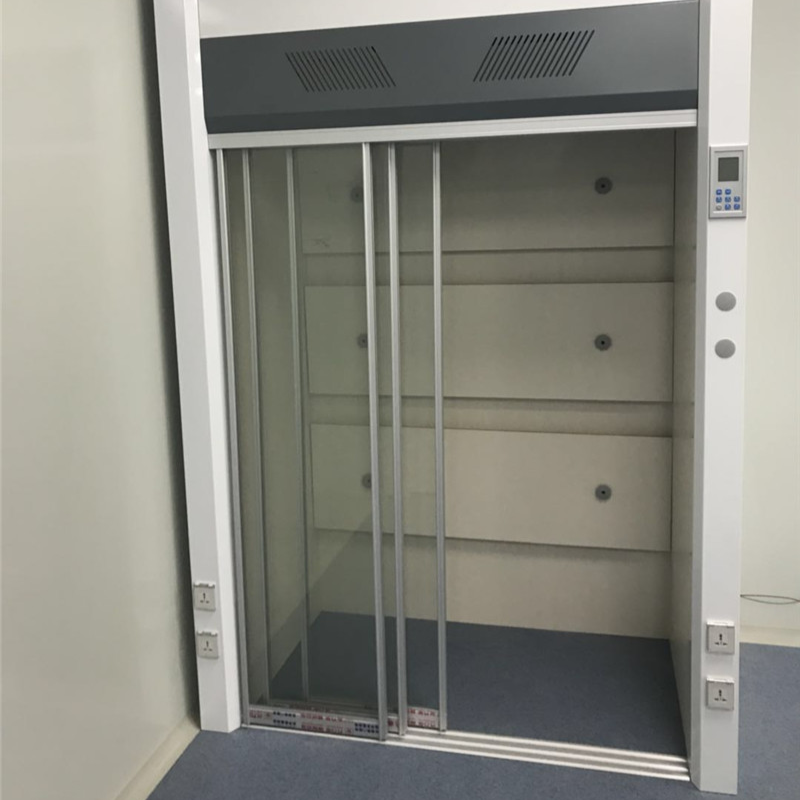

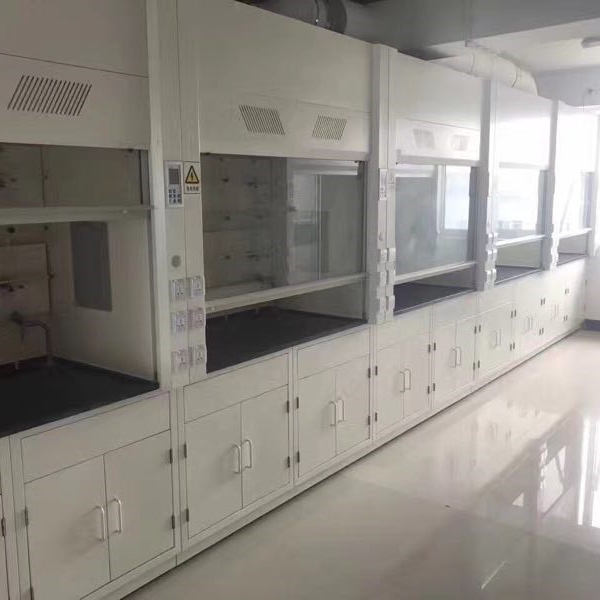
I. Core Definition and Working Principle
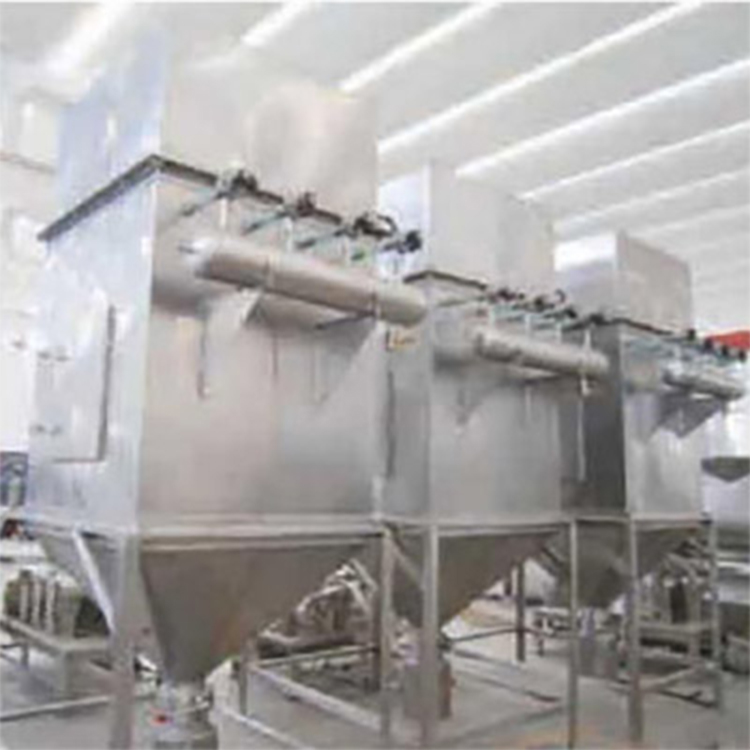
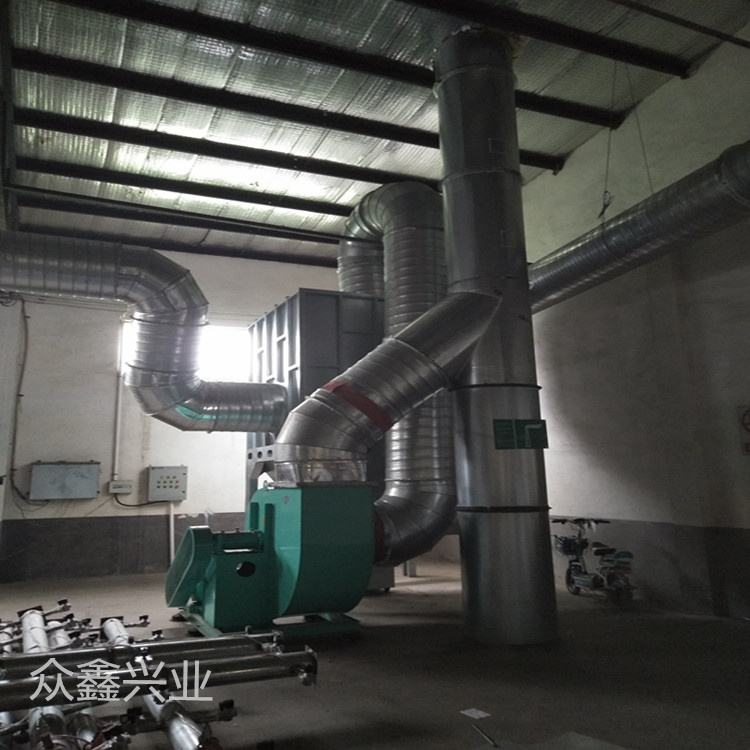
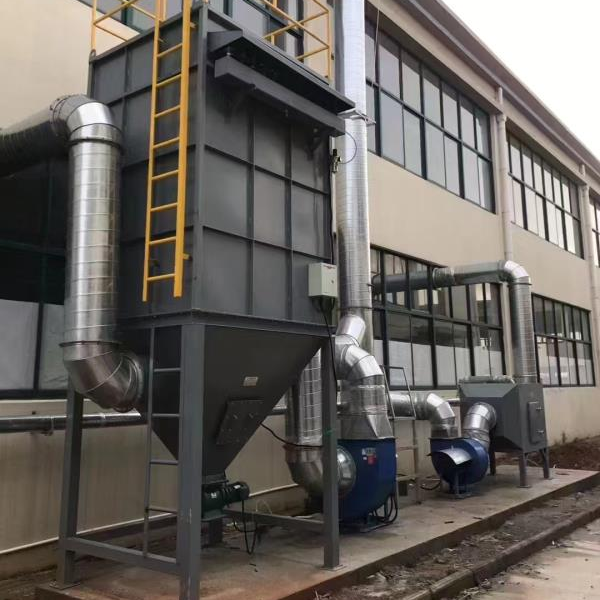
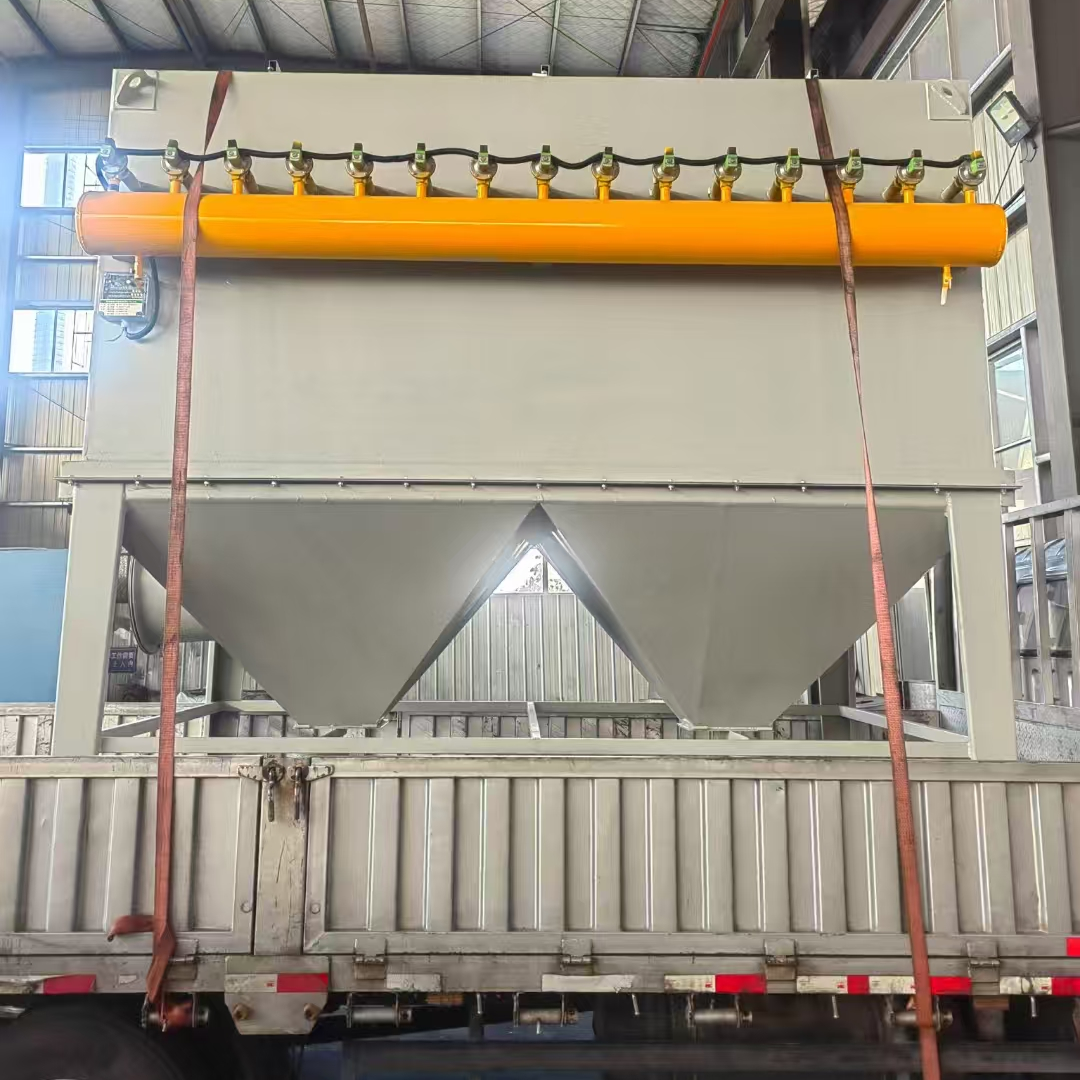
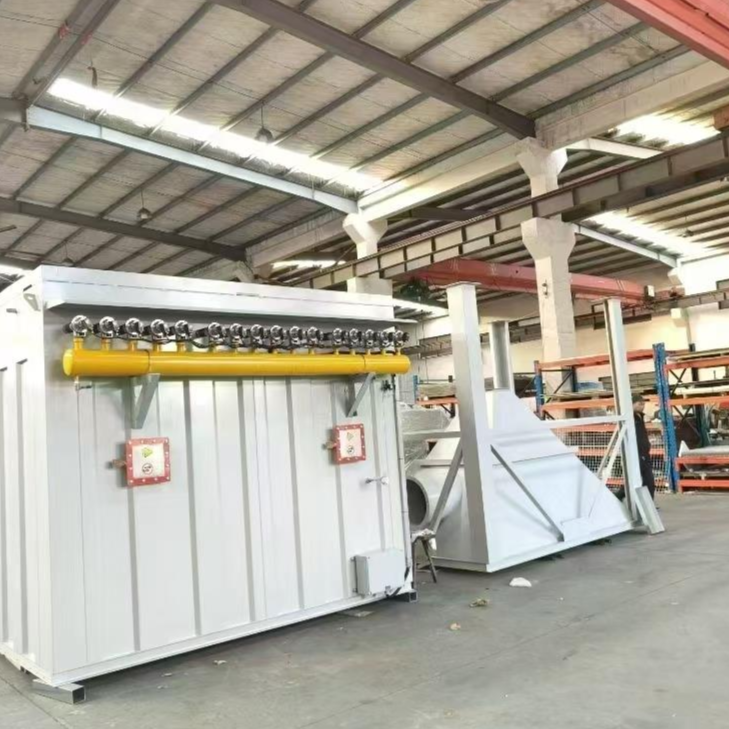
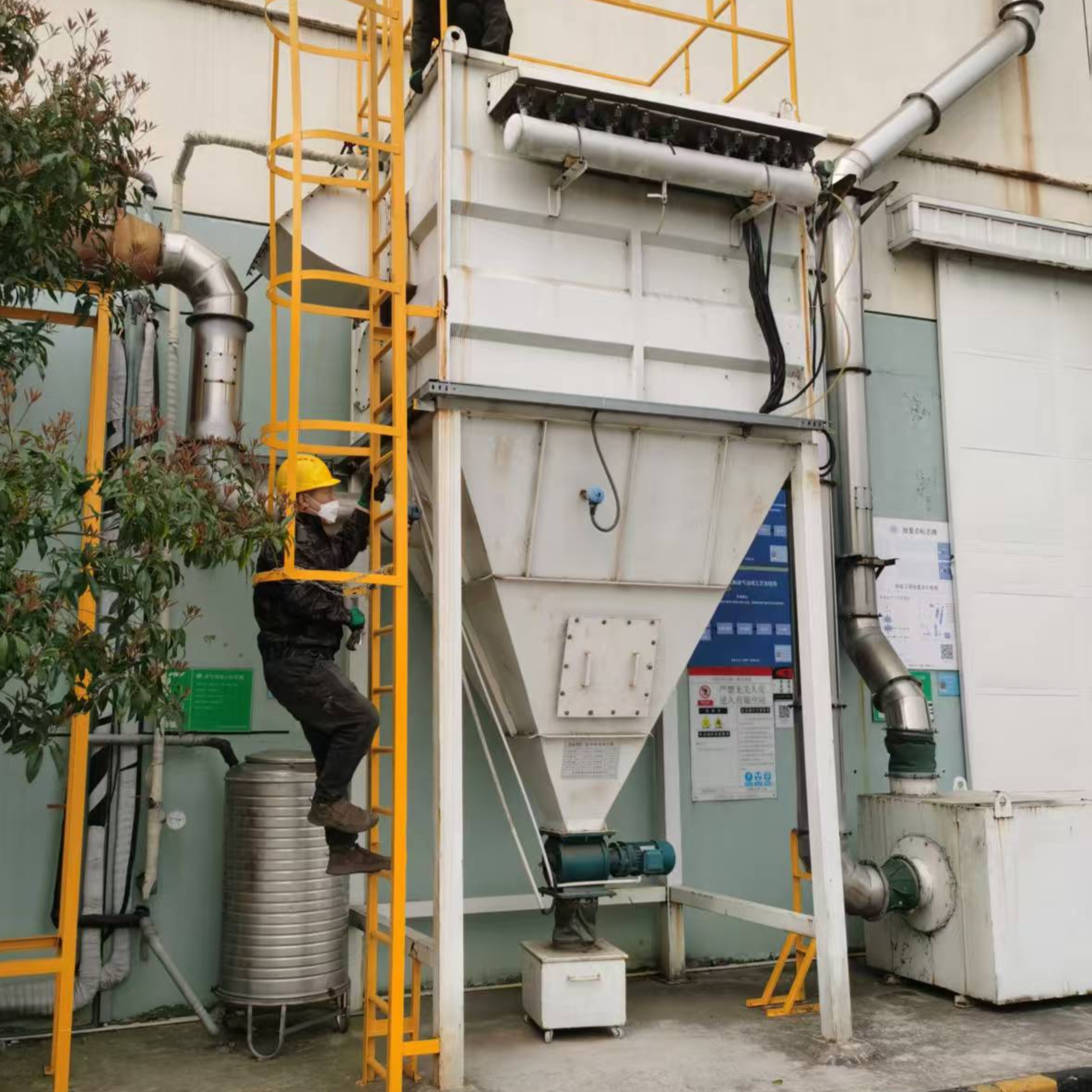
Exlosion-proof dust collectors are industrial equipment specifically designed to handle flammable and explosive dusts. They achieve the separation of dust from gas through a combination of physical interception, inertial separation, and electrostatic attraction. The core logic is"Three Elements to Prevent Dust Explosions":
- Combustible fine dustDust particles with a diameter less than 400μm, particularly ultra-fine powders below 10μm, pose a high risk of explosion.
- Dust suspension cloudDust concentration must be between the lower explosive limit (20-60g/m³) and the upper explosive limit (2-6kg/m³).
- Ignition sourceIncluding static sparks, mechanical friction, and high-temperature surfaces.
Section 2: Explosion-proof Design: Comprehensive protection from structure to function
- Explosion-proof structural design with inclined dust shieldBeams, partition panels, and other internal components are equipped with dust shields with an incline of <70° to prevent dust accumulation.
- Anti-knock ShellWelded with thick steel plates, sealed for pressure containment to prevent internal leakage.
- Pressure Relief Device:
- explosion-proof safety valveAutomatically releases pressure when internal pressure exceeds the threshold.
- Blast relief device with blade-type ventingPressure is released by the bursting of the spring clip, preventing the housing from cracking.
- Tilt Reset DesignAfter depressurization, the device automatically resets by gravity, reducing the need for manual intervention.
- Anti-static and Spark-Proof Static Filter BagFibers are woven with conductive metal wires or carbon fibers in the filter material to eliminate static buildup.
- Mars CollectorInternally equipped with cooling pipes or metal mesh to intercept high-temperature particles.
- Grounding SystemThe filter bag is connected to the vehicle's grounded mesh through a steel frame, ensuring static conduction.
- Inert Gas Filling for Suppression and Monitoring SystemsFill the dust collector with nitrogen or other inert gases to reduce the oxygen concentration to below 50% of the explosive lower limit.
- Carbon Monoxide Detection and Temperature MonitoringMonitor concentration and equipment temperature in real-time; automatically alarm and shut down upon exceeding limits.
- PLC Automation ControlIntegrated air volume regulation, dust cleaning cycle, and safety interlock functions for unattended operation.