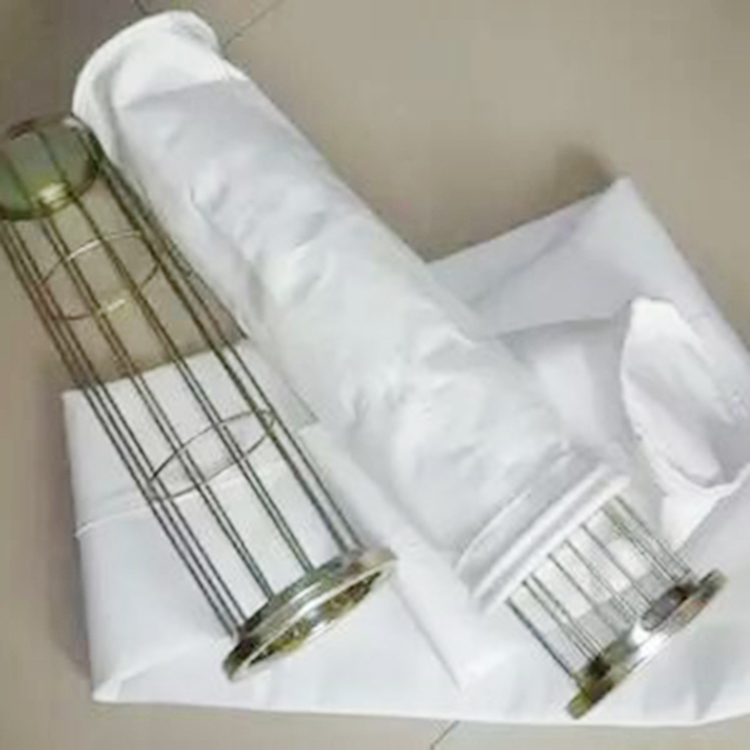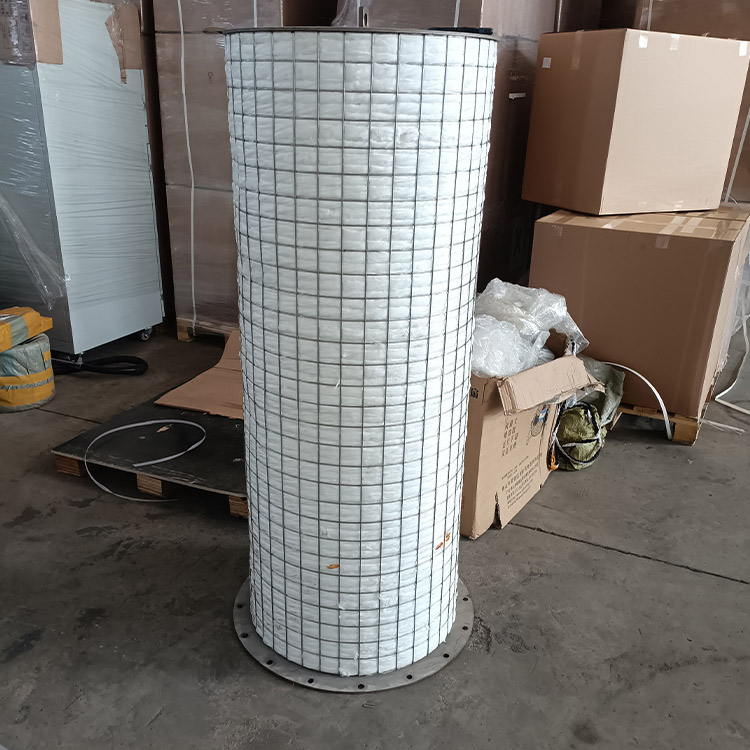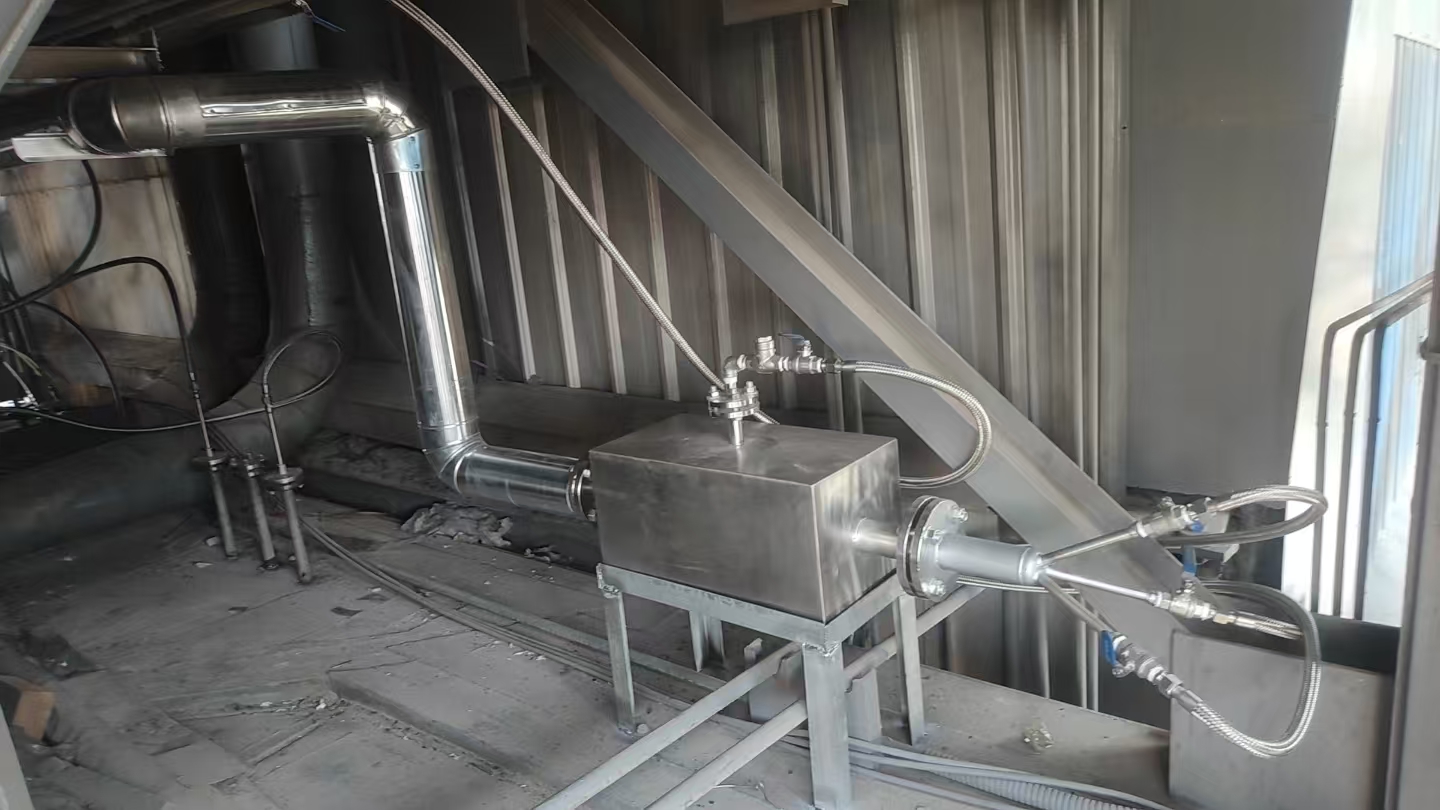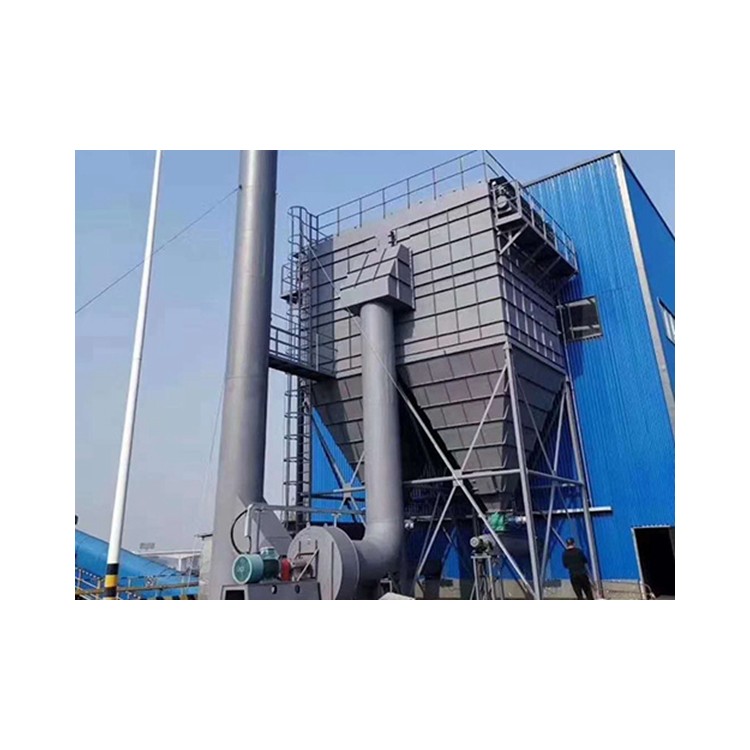

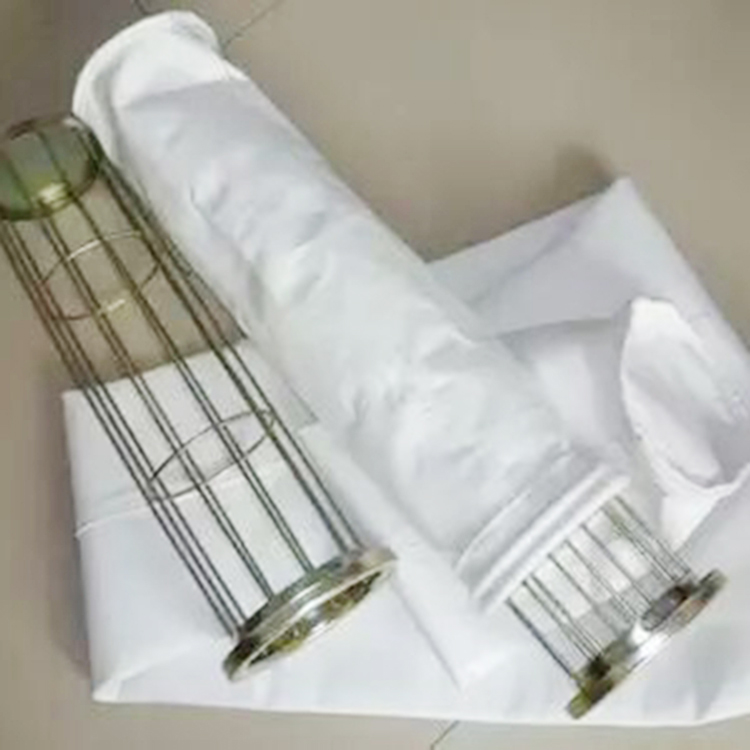








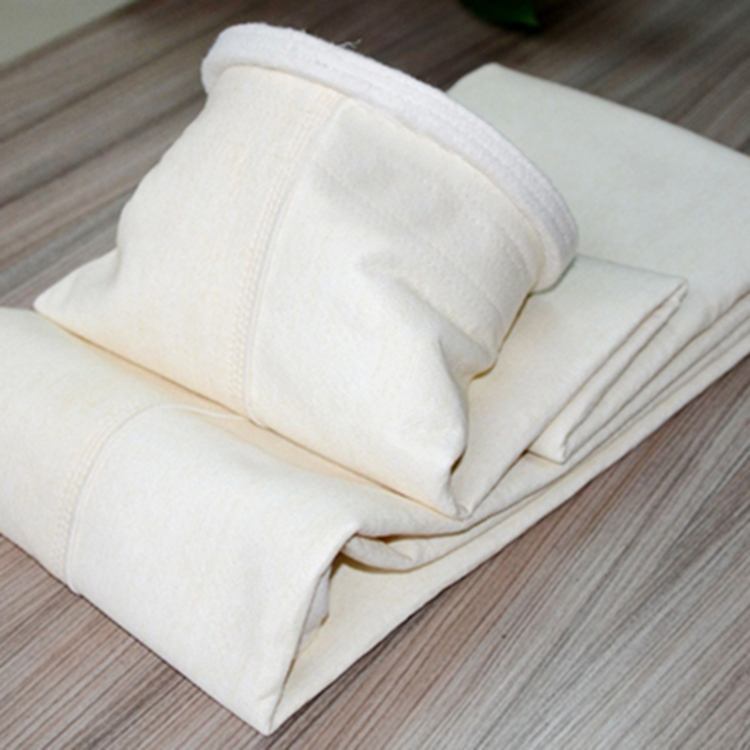
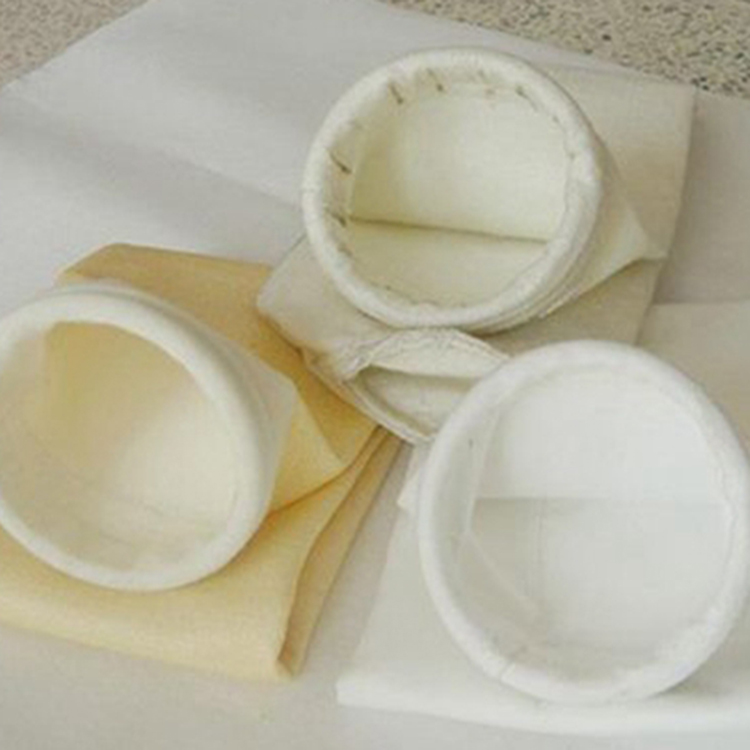
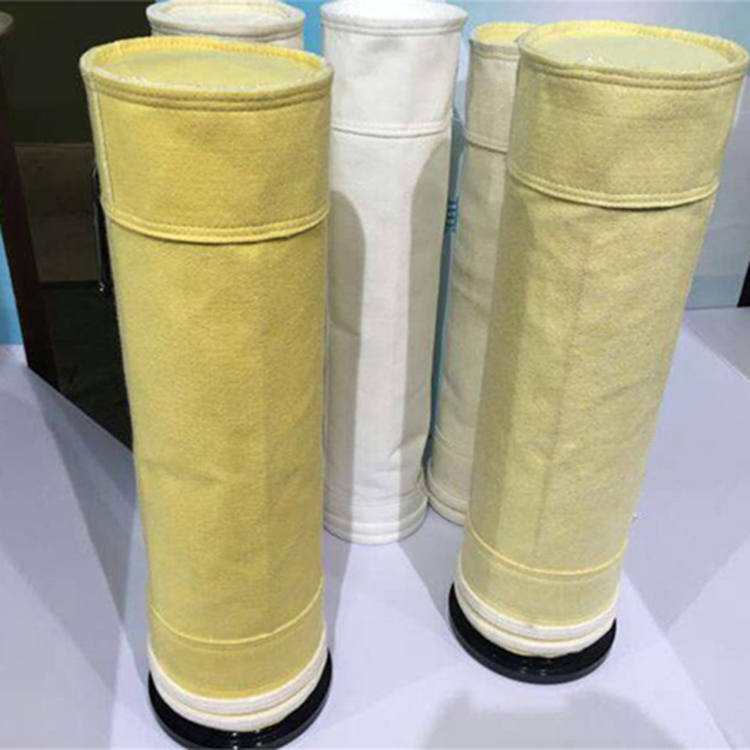

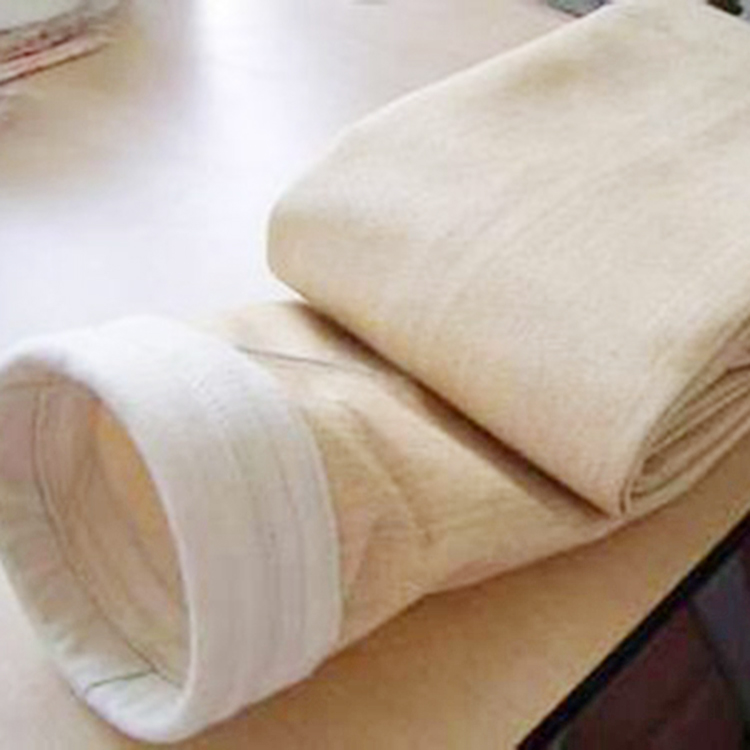
The dust-laden gas enters the ash hopper after passing through the air inlet. Due to inertia, some larger dust particles and aggregated dust clumps fall directly into the hopper, serving as preliminary dust collection. The airflow entering the hopper turns upward and fills the chamber. When passing through the pulse pleated filter bags, the dust is trapped on the outer surface of the filter sleeves. The purified gas then enters the clean room above the filter bags, where it accumulates and is exhausted through the exhaust duct.
Upon reaching the set value or time, the dedusting control instrument emits a cleaning command, removing dust from the surface of the filter bag and allowing it to fall into the ash hopper. The entire process includes filtration, pulse cleaning, and exhaust. The cleaning of the dust collector is completed by the pulse solenoid valve and control instrument, with proper cleaning ensuring the service life of the filter elements. As the dust collector operates, with continuous filtration, the dust accumulation on the outside of the filter bags gradually increases, and the resistance of the dust collector also gradually rises.
Performance characteristics of pleated dust collector bags:
1. Suitable for a variety of working conditions, particularly for industries with high dust concentrations.
2. Filter bags feature an integrated design with strong sealing, facilitating easy installation and replacement, thus reducing downtime.
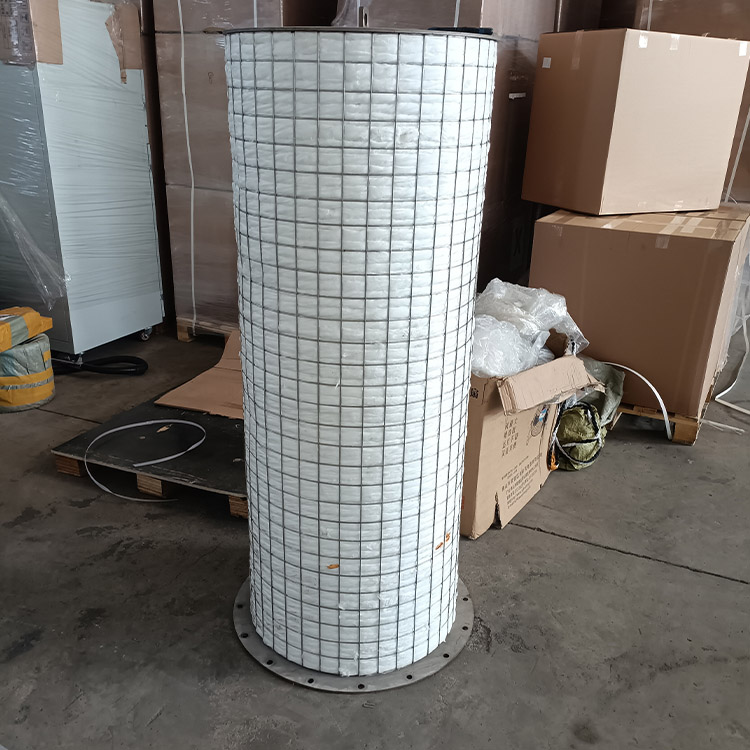
3. The dust removal core components use pleated filter bags, featuring a compact structure and space-saving design.
4. An alternative solution for traditional bag dust collectors and electrostatic precipitators.
5. The filter bags utilize surface filtration, offering good filtration efficiency.
6. Compared to bag dust collectors, pleated bag dust collectors have a simpler structure, significantly increasing the filtration area, which can be about 2.5 to 3 times larger, with good filtration efficiency.
WeChat Official Account

Scan to follow Official Account