








Shandong Qianjing Garden Landscape Engineering Co., Ltd. was established in 2006 and is a comprehensive garden decoration engineering company integrating project design, construction management, and post-service.
Cement sculptures, also known as concrete sculptures, are a material extension of the broader sculpture category. Concrete (or GRC blocks) is the primary material for sculptures. The initial application of concrete originated in ancient Rome. Subsequently, China also introduced this mixed hardening material for construction purposes, expanding its use across various fields.
Cement Sculpture Handling Precautions:
1. Avoid moisture and hardening: Cement that has absorbed moisture and hardened will reduce or even lose its original strength. Therefore, regulations stipulate that cement produced over 3 months ago should be retested and used according to the test results. For cement that has become lumpy or hardened due to moisture, it must be sifted before use. The lumps should be ground or crushed into finer particles, which are generally used for secondary engineering masonry or plastering mortar. For cement lumps that crumble or powder upon a touch or squeeze, a lower strength grade may be used appropriately.
2. Avoid Excessive Drying from Sun Exposure: Concrete or plaster, if exposed to the sun immediately after application, may experience a reduction in strength due to rapid water evaporation, potentially even losing all strength. Therefore, it is essential to thoroughly clean and moisten the base before construction; after construction, cover it tightly and water it for maintenance as per specifications.
3. Avoid freezing: After concrete or mortar is mixed, if it freezes, the cement cannot undergo hydration. Additionally, the freezing of water causes expansion, leading to the concrete or mortar developing a powdery and cracked surface from the outside in. Therefore, it is essential to strictly follow the "Regulations for Construction in Cold Weather" (JGJ104—97) during construction.
4. Avoid high temperatures: After curing, the mortar layer or concrete components will experience strength loss if frequently exposed to high temperatures, as calcium hydroxide in the cement stone will decompose under such conditions. Additionally, certain aggregates may decompose or expand in volume at high temperatures. For environments with consistently high temperatures, firebrick can be used to isolate and protect regular mortar or concrete. For even higher temperatures, use specialized high-temperature concrete for pouring, or incorporate a certain amount of finely ground heat-resistant materials into the concrete.
5. Avoid dirty and soft subgrade: Cement can bond or grip tightly with hard and clean subgrades, but its bonding and gripping strength is related to the smoothness of the subgrade surface. When working on a smooth subgrade, it is necessary to pre-finish the surface by chiseling, hammering, and cleaning to ensure a strong bond between the cement and the subgrade. Dust, grease, acids, alkalis, and other substances on the subgrade can act as barriers and must be thoroughly cleaned. After cleaning, apply a plain cement slurry first, then apply mortar or pour concrete. During the curing process, cement will shrink and is not well-suited to the volume changes of loose or soft subgrades during wet-dry, cold-heat changes, which can lead to hollowing or cracking, making it difficult to bond securely. Therefore, wood, slag, and loess subgrades cannot bond firmly with mortar or concrete.
6. Avoid impure aggregates: Sand and stone used as aggregates in concrete or cement mortar should be free of dust, clay, or other organic impurities, as these can weaken the bonding and grip between cement, sand, and stone, ultimately reducing compressive strength. Therefore, if the content of impurities exceeds the standard, they must be cleaned before use.
7. Avoid excessive water and thick paste: People often overlook the impact of water usage on concrete strength. During construction, for the sake of ease in pouring, sometimes the mix ratio is not strictly followed, and the concrete is mixed too稀. Since the water needed for hydration is only about 20% of the cement weight, the excess water that evaporates leaves many pores in the concrete, which reduces its strength. Therefore, under the premise of ensuring dense pouring, the water used for mixing should be minimized as much as possible. Many people believe that the more cement used for plastering, the stronger the plaster layer will be. In fact, the more cement used, the thicker the mortar becomes, leading to greater shrinkage of the plaster layer, which in turn causes more cracks. Generally, when plastering, it is recommended to first use a coarse mortar with a ratio of 1:(3-5) to level the surface, followed by a thin layer of cement mortar with a ratio of 1:(1.5-2.5), and avoid using an excessive amount of cement.
8. Avoid acid corrosion: Acidic substances react with calcium hydroxide in cement, resulting in loose, expanded byproducts that are easily hydrolyzed and powdered when wet. This leads to the gradual corrosion and disintegration of concrete or plaster layers, hence the need to avoid acid corrosion in cement. In situations or containers involving acidic materials, acid-resistant mortar and concrete should be used. slag cement, pozzolanic cement, and fly ash cement all possess good acid resistance, and should be prioritized for making acid-resistant mortar and concrete. Projects that require strict acid resistance are not allowed to use regular cement.
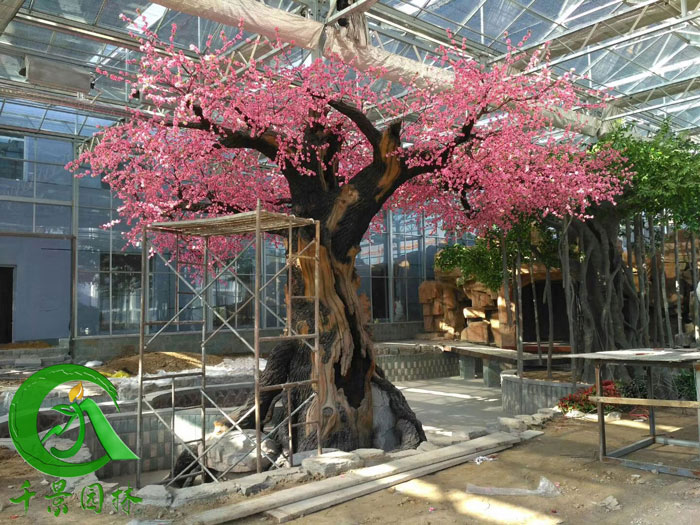
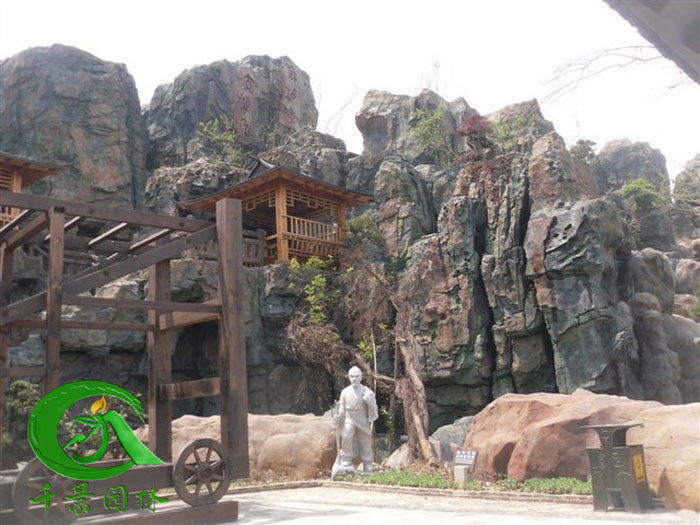
Cement sculptures are essentially sculptures made using cement mortar, incorporating the clay sculpting technique from mold-making sculptures and the surface carving technique of hard-surface sculptures. They offer low overall costs, a short production timeline, and a broad range of prospects for development.
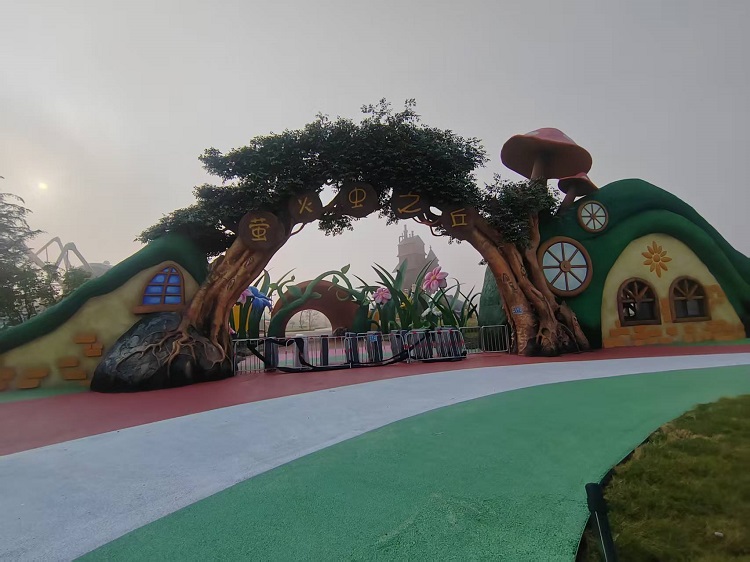
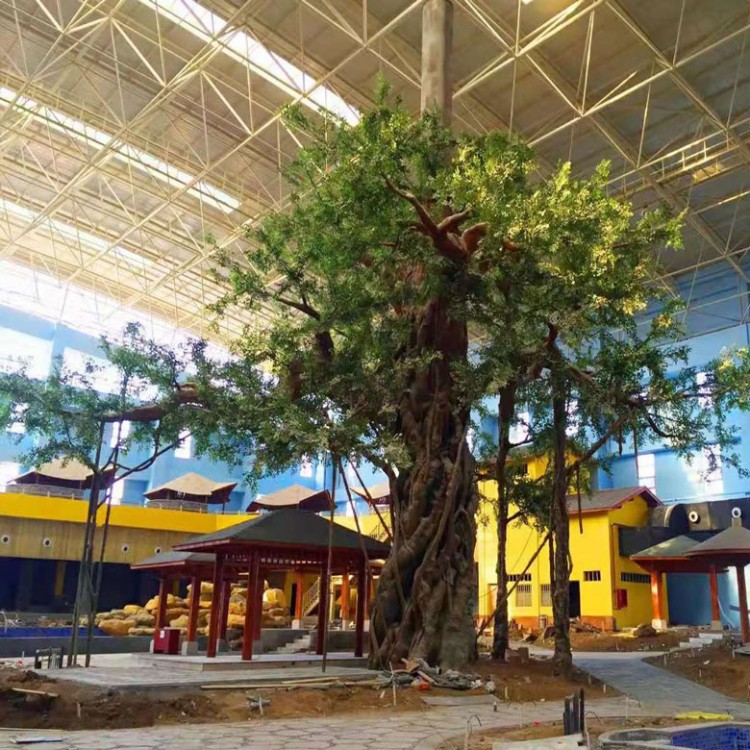
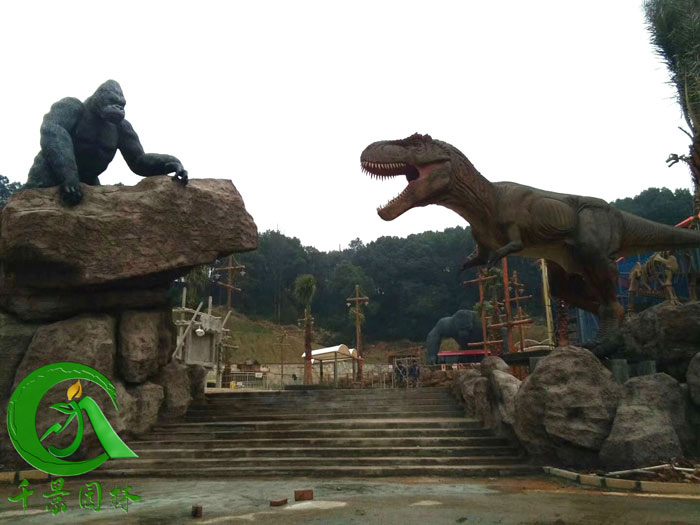
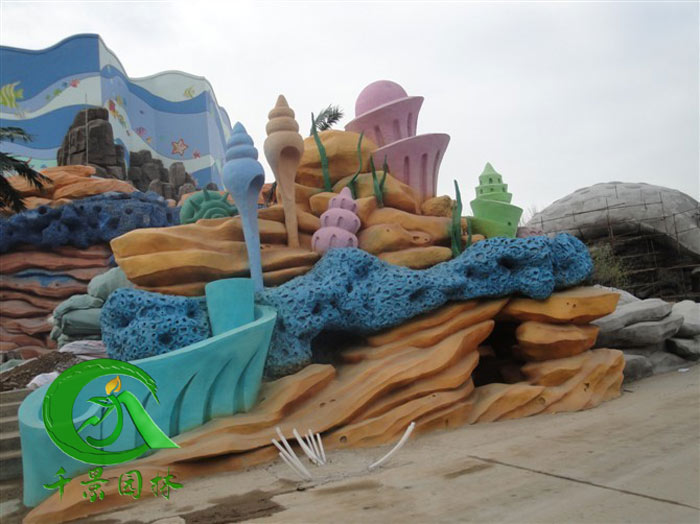
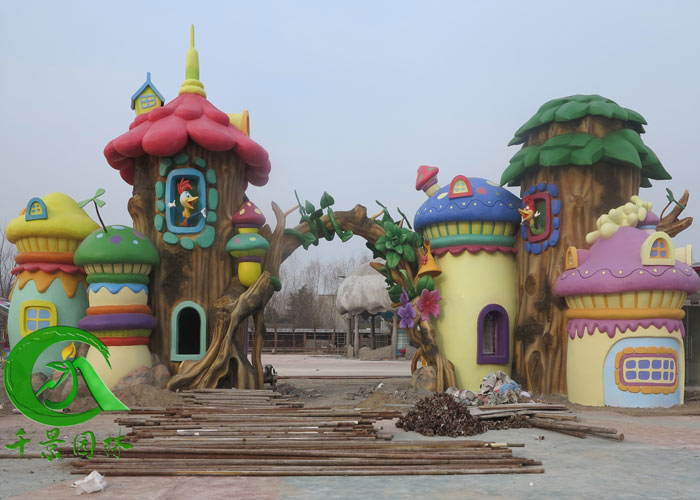
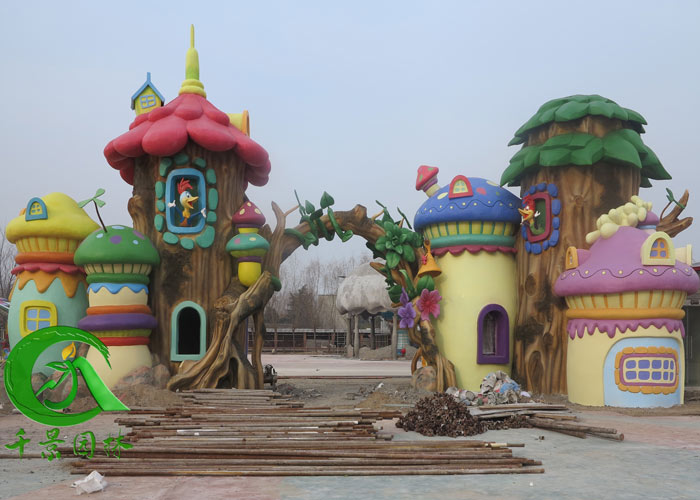
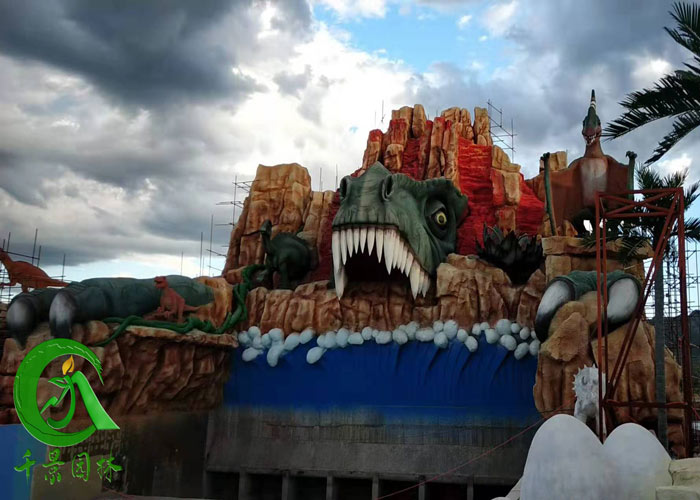
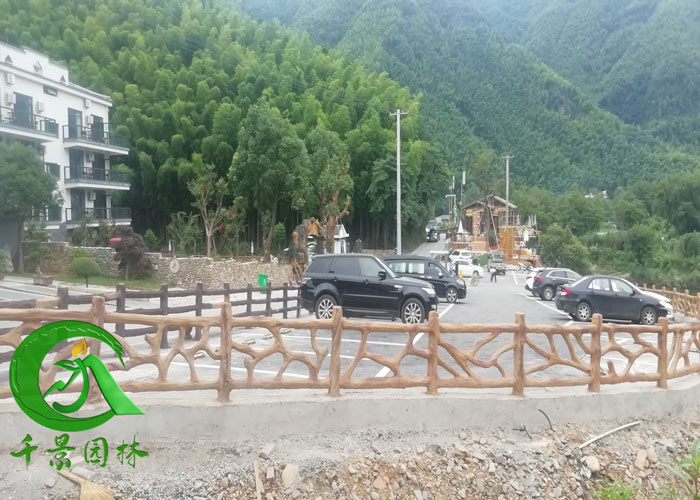
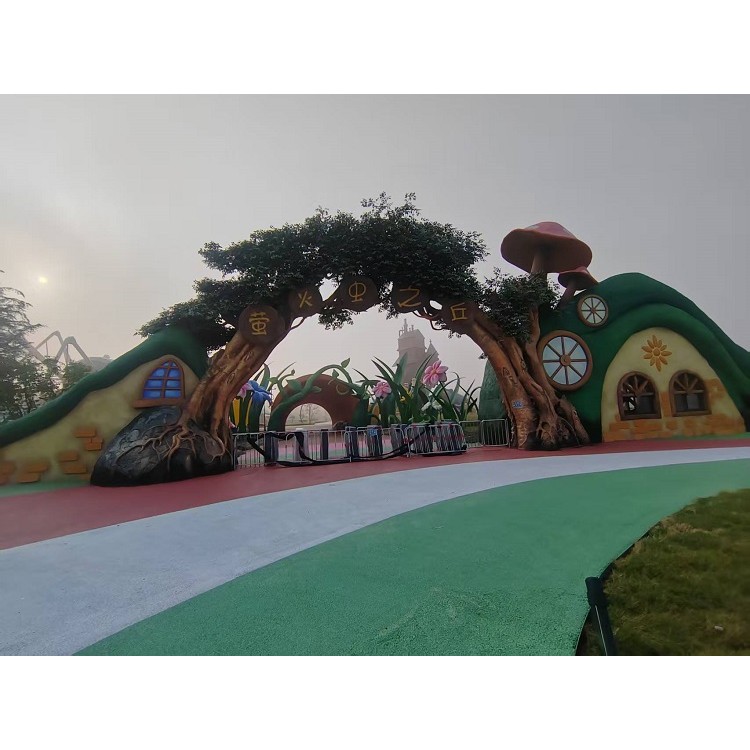
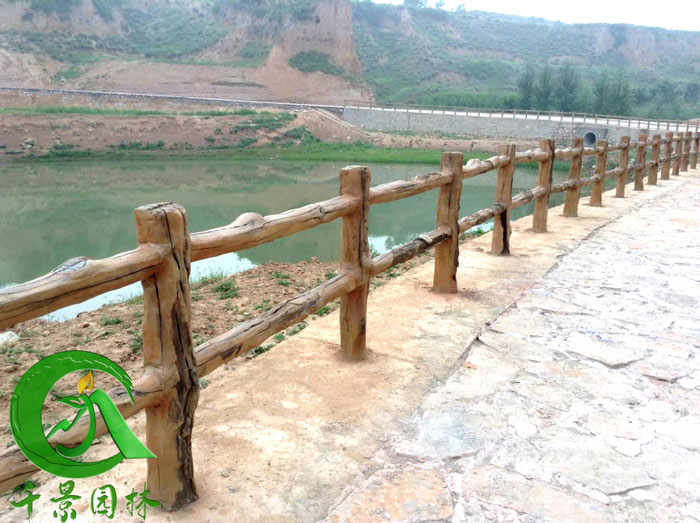
Cement sculptures, also known as concrete sculptures, are an extension of the broader sculptural material. These finished products are virtually indestructible and boast a longevity like that of buildings. They have been widely used in large-scale sculptural installations in various outdoor settings, squares, parks, themed venues, and more.
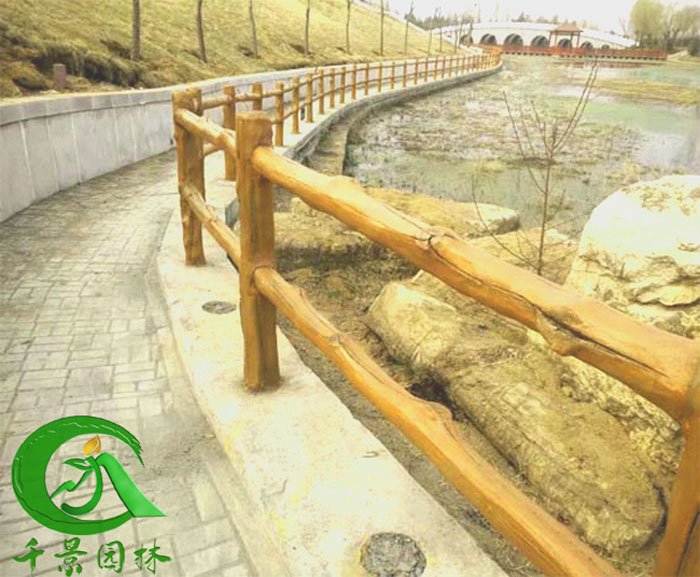
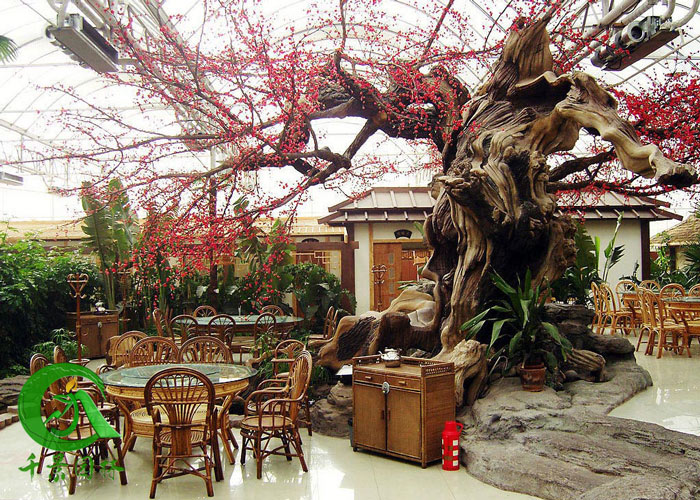
Our company boasts strong technical capabilities, enabling us to undertake the design and construction of scenic spots, comprehensive parks, large city squares, hotels, park amusement areas, ecological garden hotels, themed restaurants, ecological farm landscapes, theme parks, entertainment parks, villa areas, residential zones, and various road environments.
WeChat Official Account

Scan to follow Official Account