



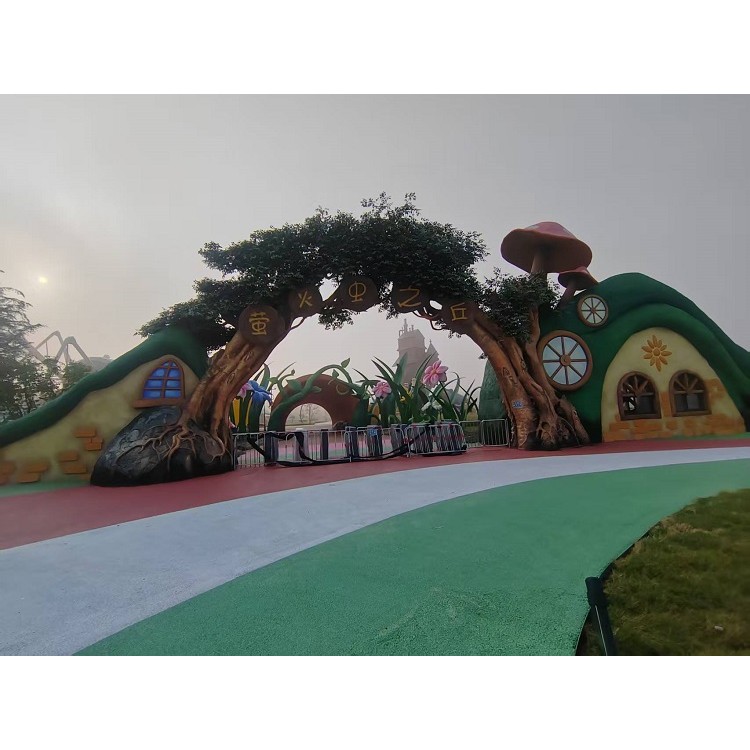





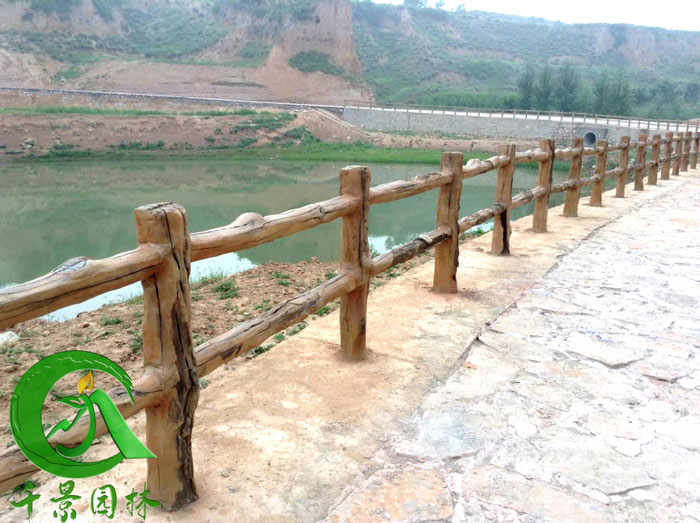
Shandong Qianjing Garden Landscape Engineering Co., Ltd. was established in 2006 and is a comprehensive garden decoration engineering company that integrates design, construction management, and post-service.
Safety Precautions for Concrete Sculpture Handling:
1. Avoid moisture and hardening: Moisture-hardened cement loses or reduces its original strength, so regulations stipulate that cement produced over 3 months ago should be retested and used according to the test results. For cement that has become lumpy or hardened due to moisture, it must be sifted before use. The clumps should be ground or crushed, and generally used for secondary construction mortar or plaster mortar. For cement lumps that crumble or powder upon touch or squeeze, a lower strength grade can be used appropriately.
2. Avoid Immediate Drying in Sunlight: Concrete or plaster, if exposed to sunlight immediately after application, will see a reduction in strength due to rapid water evaporation, and may even lose all strength. Therefore, the base must be thoroughly cleaned and adequately moistened before construction; after construction, it should be covered strictly and watered for maintenance as per specifications.
3. Avoid freezing: If concrete or mortar is frozen after mixing, the cement cannot hydrate, and the water expands upon freezing, leading to gradual and deepening crumbly damage to the concrete or mortar. Therefore, construction should strictly follow the "Code for Construction in Winter" (JGJ104—97).
4. Avoid extreme heat: The cured mortar layer or concrete components will experience strength loss if frequently exposed to high temperatures, as calcium hydroxide in the cement stone decomposes under such conditions. Additionally, certain aggregates may decompose or expand in volume at high temperatures. For environments with consistently high temperatures, use refractory bricks for isolation and protection of regular mortar or concrete. For higher temperatures, use specially formulated heat-resistant concrete for casting, or incorporate a certain amount of finely ground heat-resistant materials into the concrete.
5. Avoid dirty and soft subgrade: Cement can bond or grip firmly with hard and clean subgrades, but its bonding and gripping strength is related to the smoothness of the subgrade surface. When working on a smooth subgrade, it is necessary to pre-finish the surface by chiseling, sanding, and cleaning to ensure a strong bond between the cement and the subgrade. Dust, grease, acids, and alkalis on the subgrade can act as insulators and must be thoroughly cleaned. After cleaning, apply a plain cement slurry first, then apply mortar or pour concrete. Cement shrinks during the curing process and is not well-suited to the volume changes of loose and soft subgrades during wet-dry and cold-heat changes, which can lead to hollowing or cracking, making it difficult to bond firmly. Therefore, materials like wood, slag, and loess subgrades cannot bond firmly with mortar or concrete.
6. Avoid impure aggregates: Sand and gravel used as aggregates in concrete or cement mortar should be free from dust, clay, or other organic impurities, as these can affect the bonding strength between cement and sand or stone, ultimately reducing the compressive strength. Therefore, if the content of impurities exceeds the standard, they must be cleaned before use.
7. Avoid excessive water and thick sludge: Many people overlook the impact of water usage on concrete strength. During construction, to facilitate pouring, sometimes the mix ratio is not strictly followed, and the concrete is mixed too稀. Since the water needed for hydration is only about 20% of the cement weight, the excess water that evaporates leaves many pores in the concrete, which reduces its strength. Therefore, under the premise of ensuring dense pouring, the water used for mixing should be minimized as much as possible. Many believe that the more cement used for plastering, the stronger the plaster layer will be. In fact, the more cement used, the thicker the mortar becomes, resulting in greater shrinkage of the plaster layer and more cracks. Generally, when plastering, it is advisable to first use a coarse mortar with a ratio of 1:(3-5) to level the surface, then apply a thin surface layer with a cement mortar ratio of 1:(1.5-2.5), and avoid using an excessive amount of cement.
8. Avoid acid corrosion: Acidic substances react with calcium hydroxide in cement, forming loose, expanded products that easily hydrolyze and disintegrate when wet. This leads to the gradual corrosion and disintegration of concrete or plaster layers, hence, cement should be protected from acid corrosion. In situations or containers contacting acidic substances, acid-resistant mortar and concrete should be used. slag cement, pozzolan cement, and fly ash cement all have good acid resistance and should be prioritized for making acid-resistant mortar and concrete. Projects requiring strict acid corrosion resistance are not permitted to use ordinary cement.
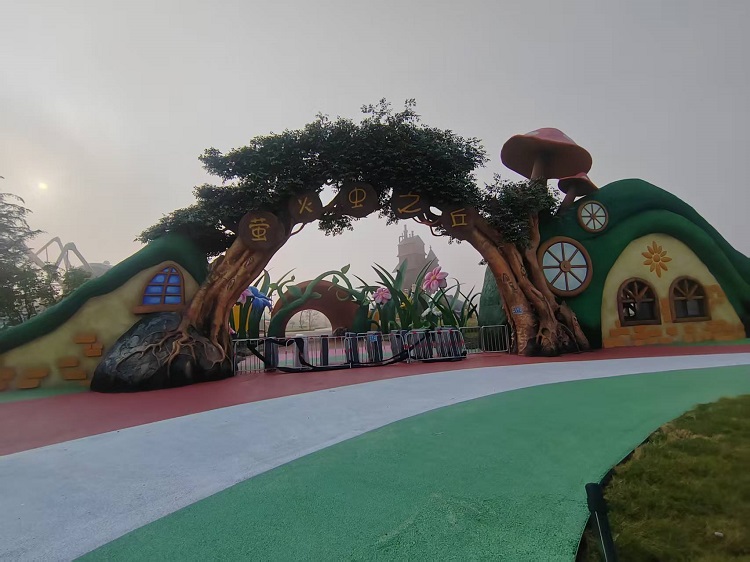
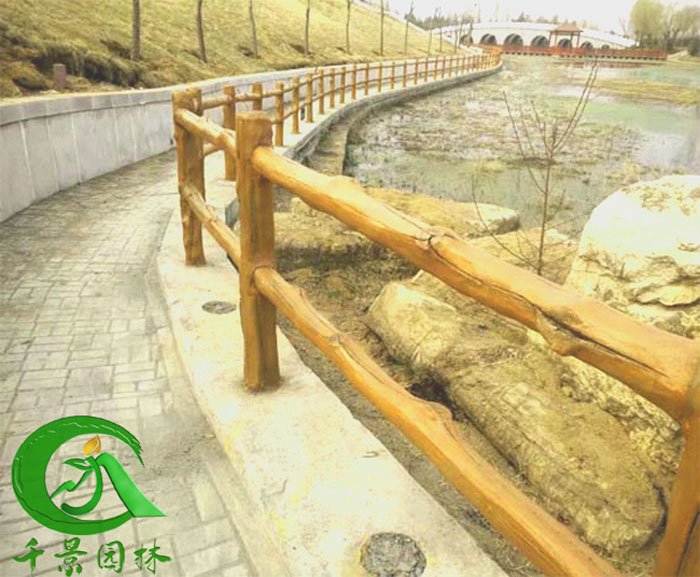
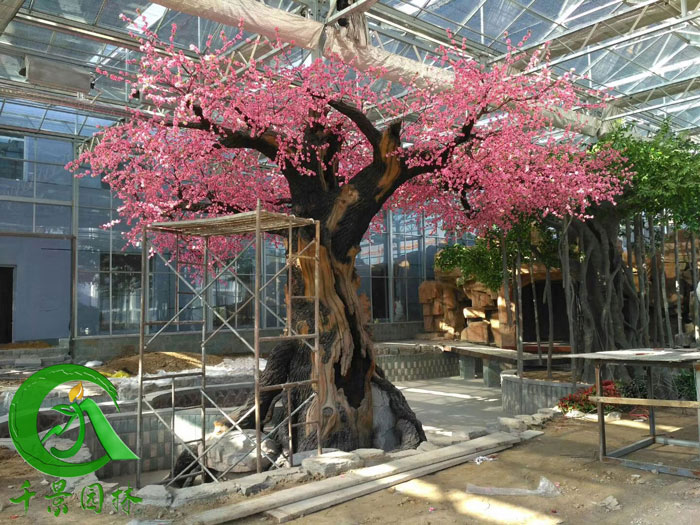
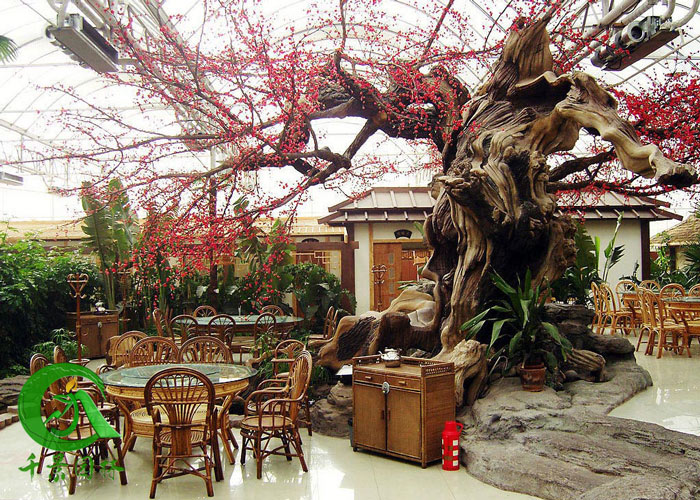
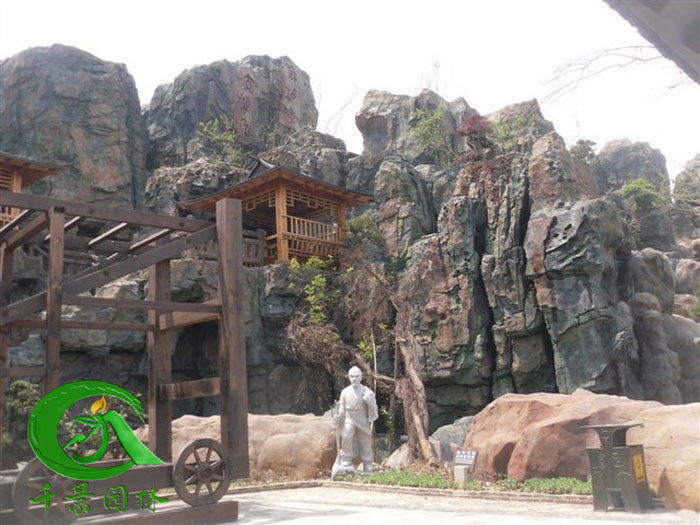
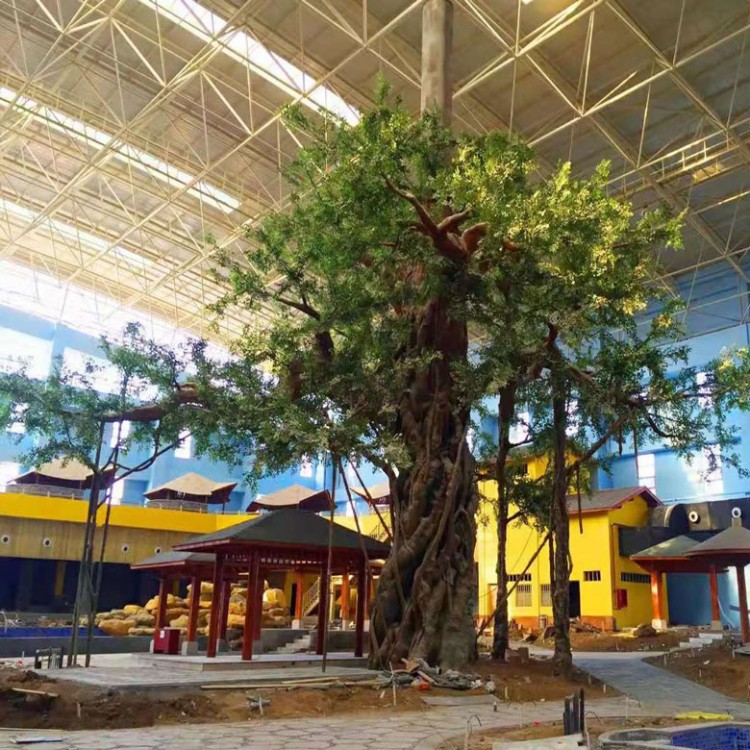
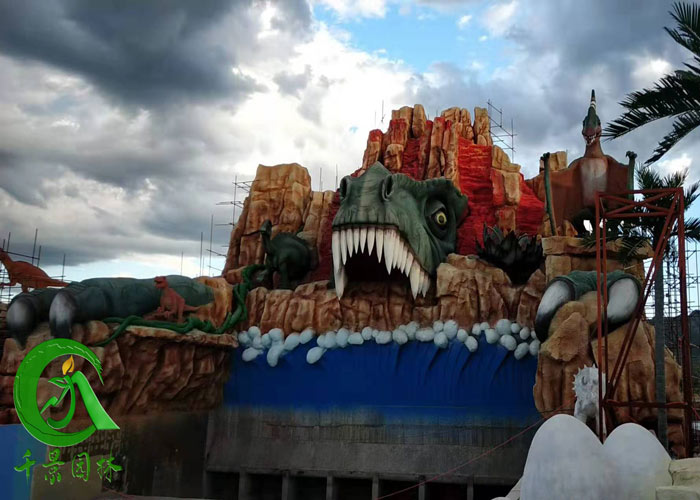
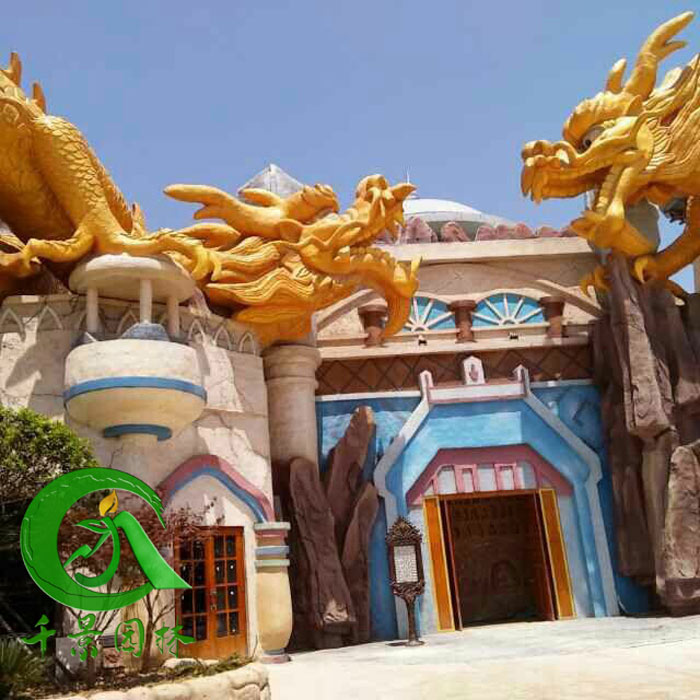
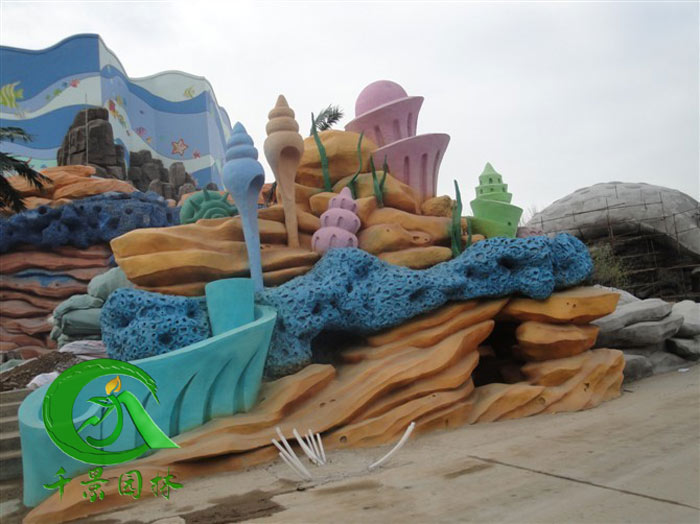
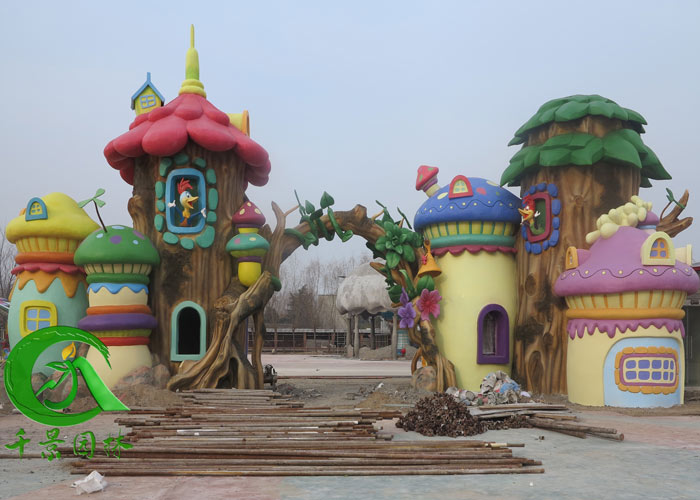
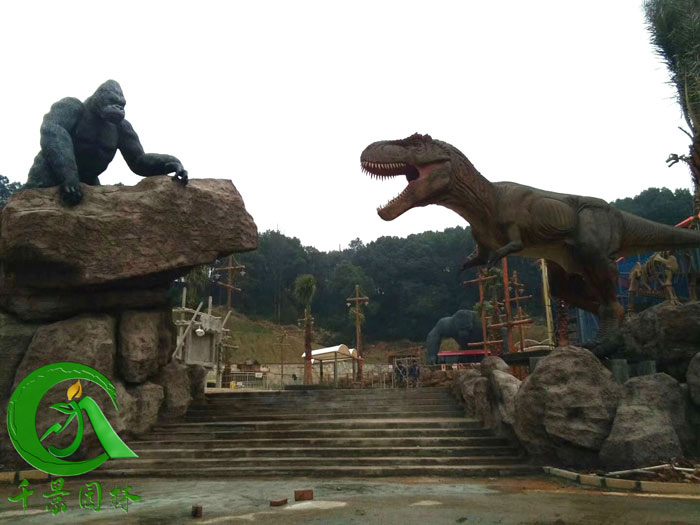
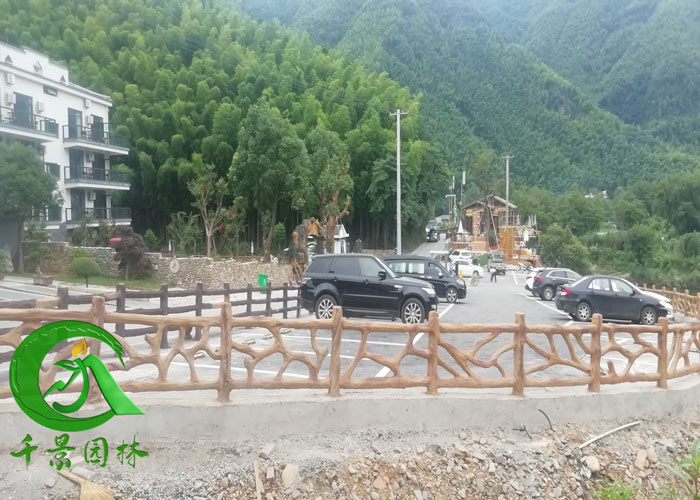
Cement sculptures, also known as concrete sculptures, primarily use cement as the main material, combined with steel frameworks. They boast a long-lasting lifespan akin to buildings and the advantage of relatively low costs. They are widely used in large-scale sculptures for outdoor spaces, squares, parks, themed venues, and more.
The advantages of cement sculptures:
1. Extremely durable, capable of withstanding wind, sun exposure, prolonged dampness, and immersion in water, as well as various long-term harsh environments.
2. Cost is relatively lower, and material procurement is easy.
3. Unbreakable; the longer the time, the higher the resistance. Approximately 95%-99% after 28 days, and 105% after 50 years, unless subjected to several times the force of gravity or the destructive power of natural disasters. The product can maintain its integrity for decades.
4. Excellent corrosion resistance against atmospheric conditions, water, and general concentrations of acids, bases, salts, as well as various oils and solvents.
5. Excellent Insulation: Cement, as a building material, is an excellent insulator, maintaining good dielectric properties even under high frequencies.
6. Strong water resistance - Well-maintained cement that is long-term submerged in water can maintain its original hardness and strength for an extended period.
The advantages of cement sculptures include: extremely long service life, capable of withstanding wind, sun, and long-term dampness and immersion in water, as well as various long-term harsh environments; low cost, with materials easily accessible, such as cement, sand, and steel, all readily available on the market; strong structural integrity, with increasing compressive strength over time. By 28 days, it reaches approximately 95%-99%, and after 50 years, it can reach 105% unless subjected to several times the force of gravity or the destructive power of natural disasters. Even after decades, it can maintain its shape intact.
"Promoting Garden Art to Craft Premium Projects" is our relentless creative pursuit, while "Quality as a Foundation, Trust as a Guarantee" is our eternal service tenet. We possess the capability and confidence to collaborate with all parties to strive for the creation of beautiful environments.
WeChat Official Account

Scan to follow Official Account