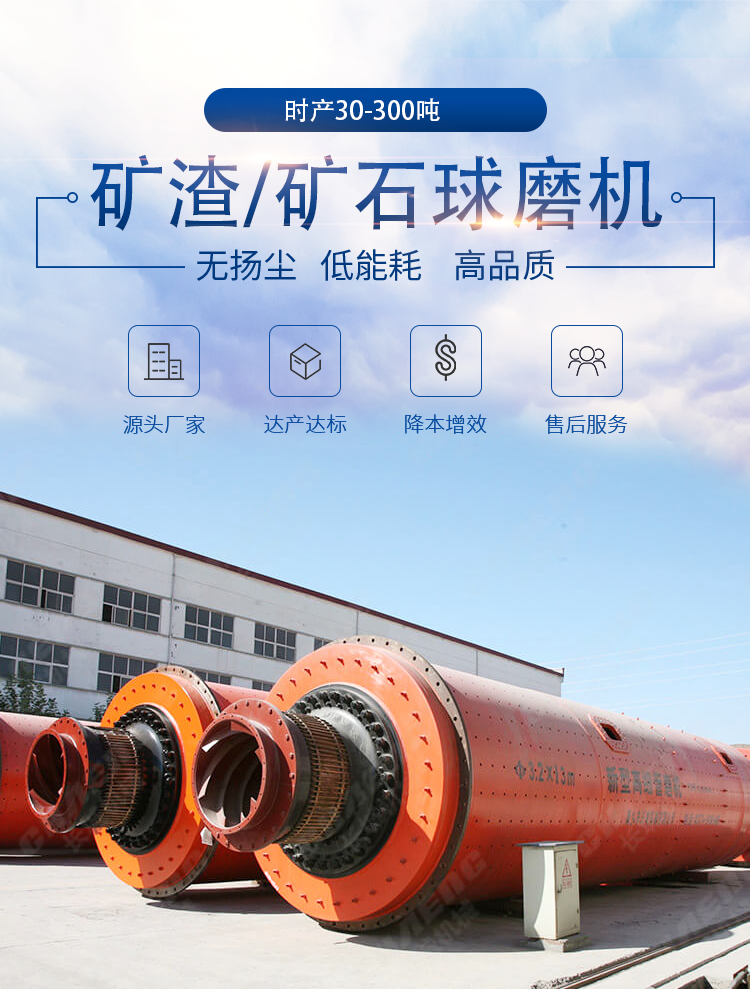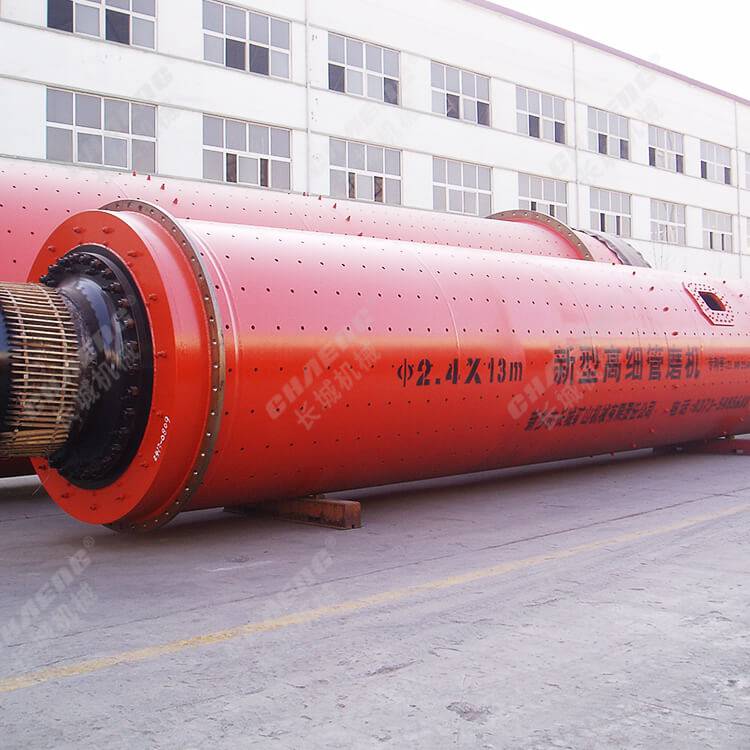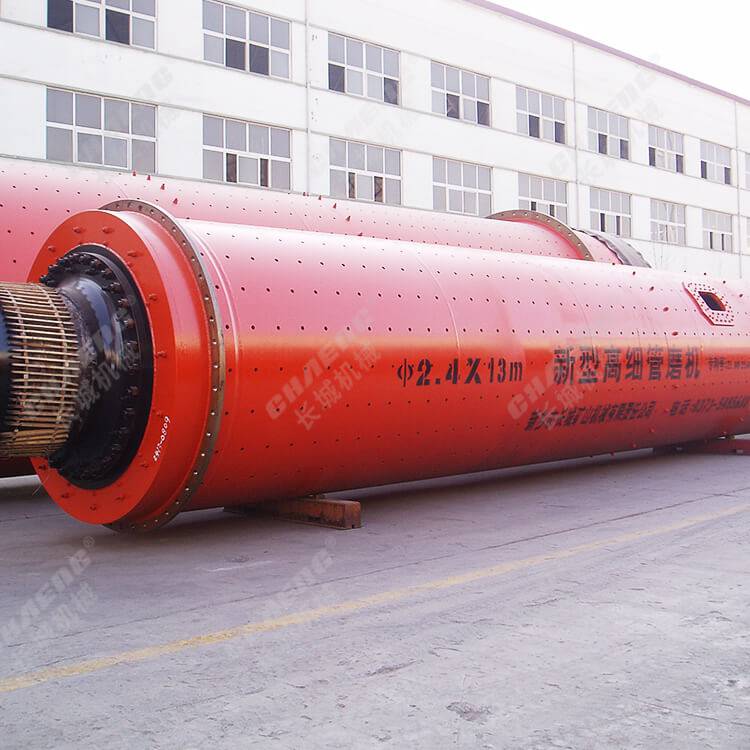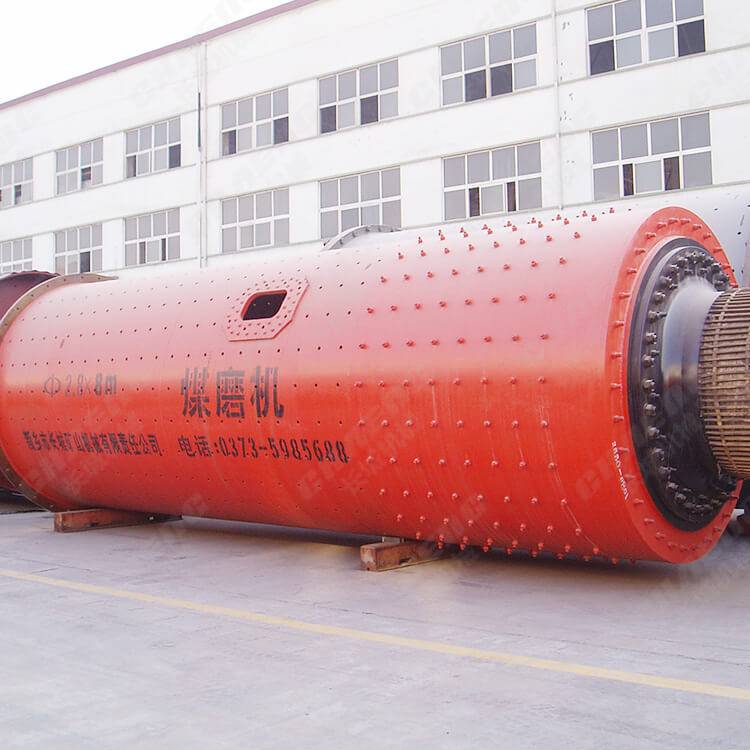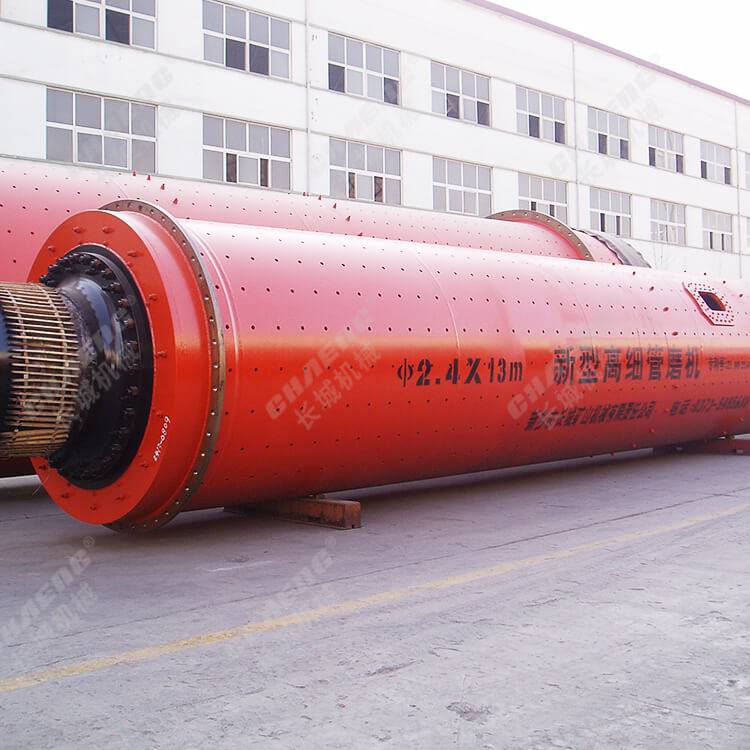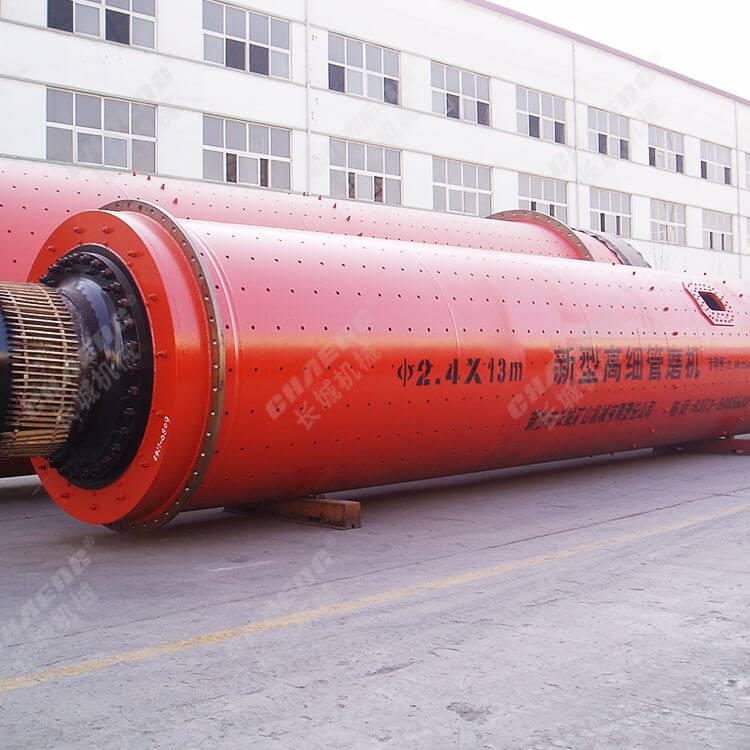

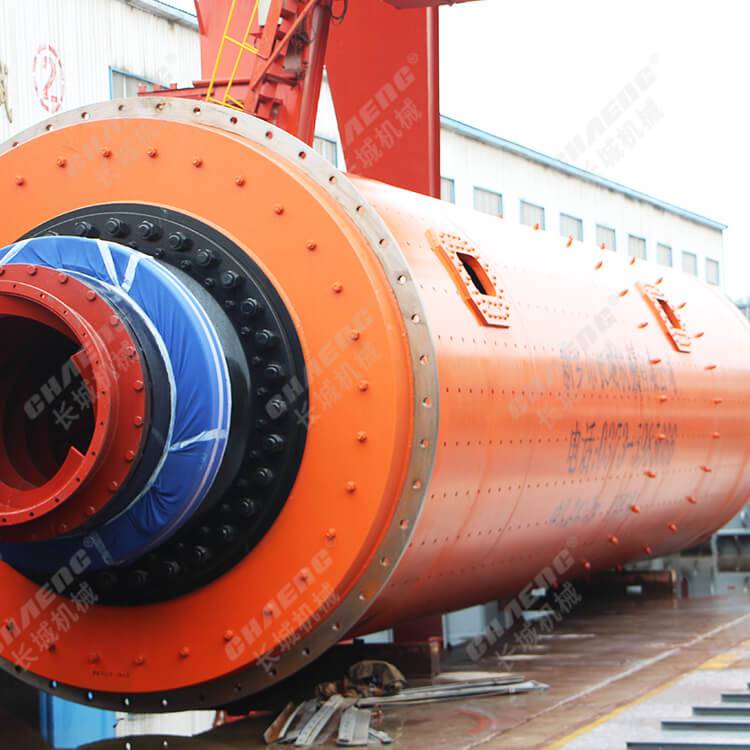
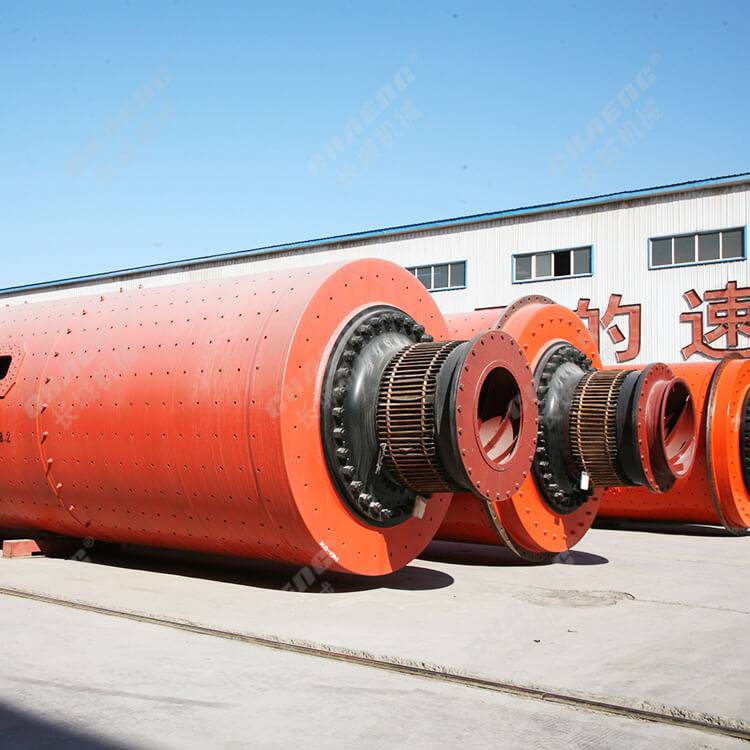


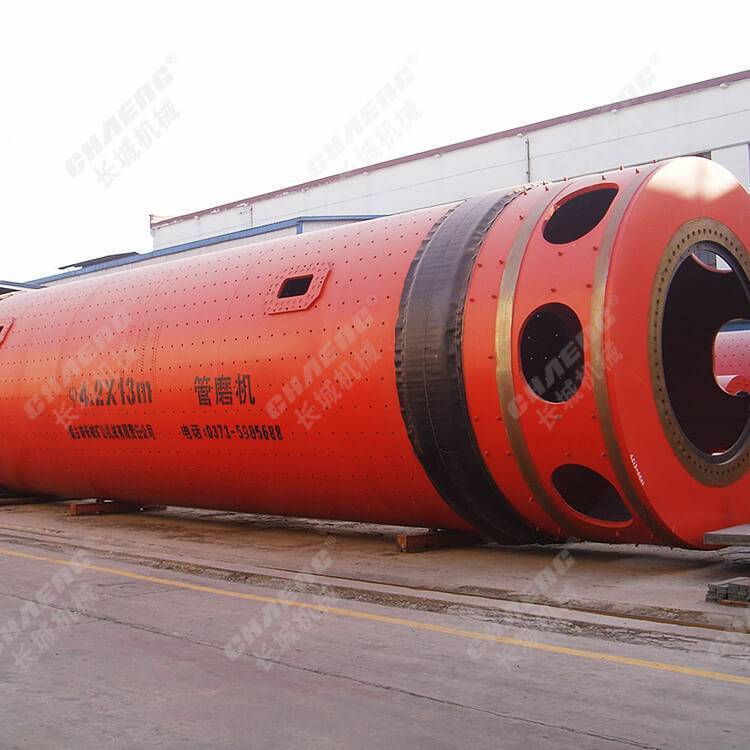
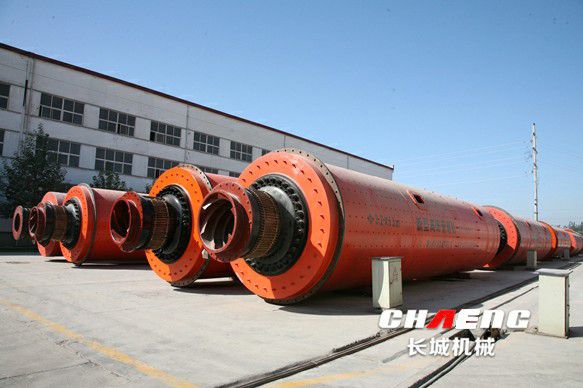
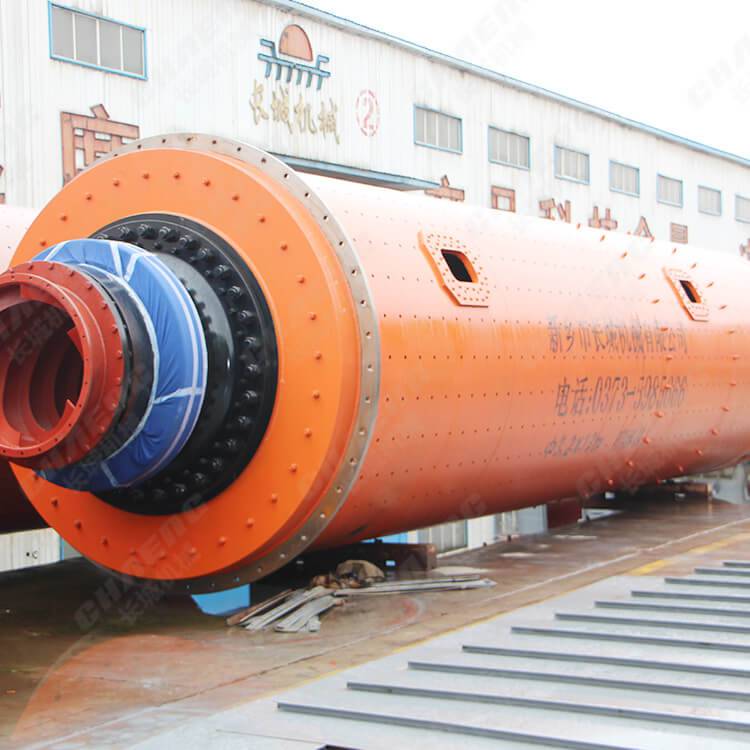
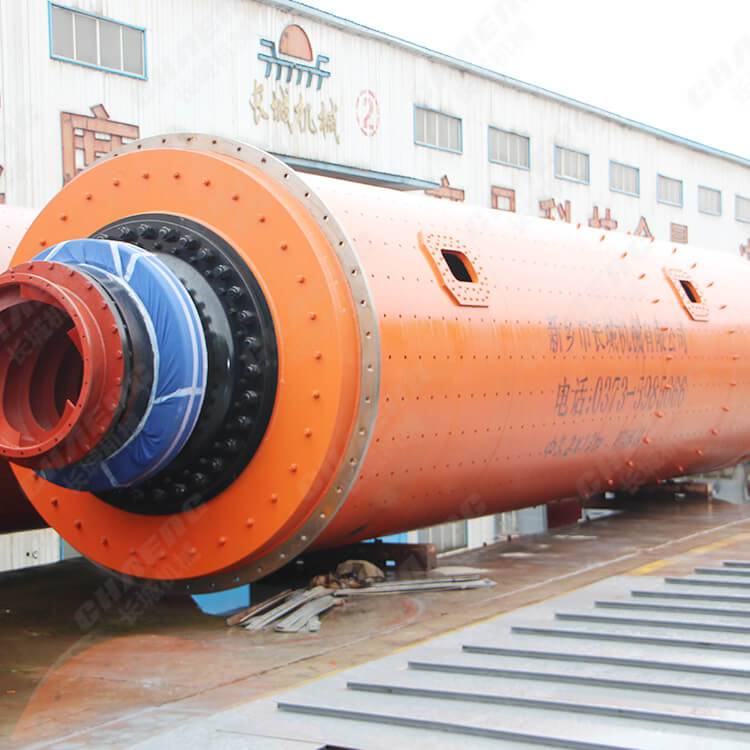





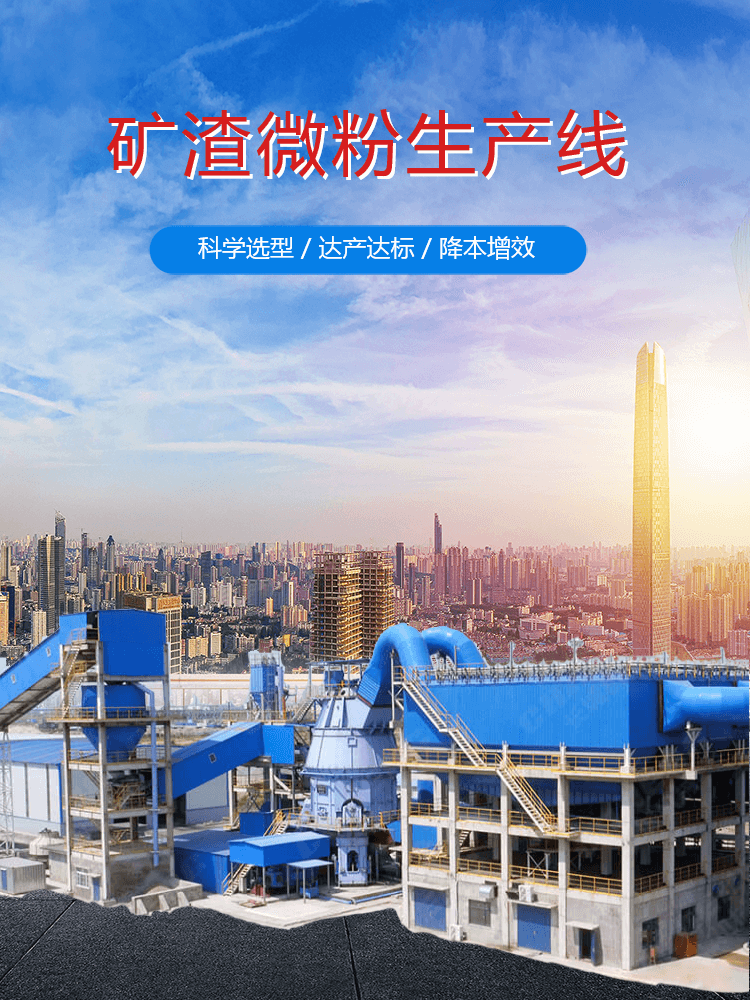
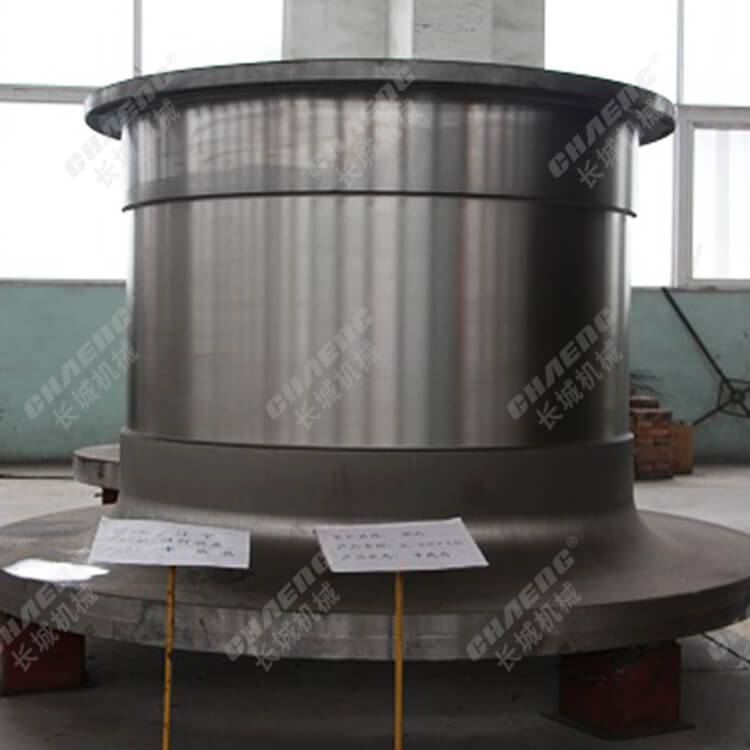
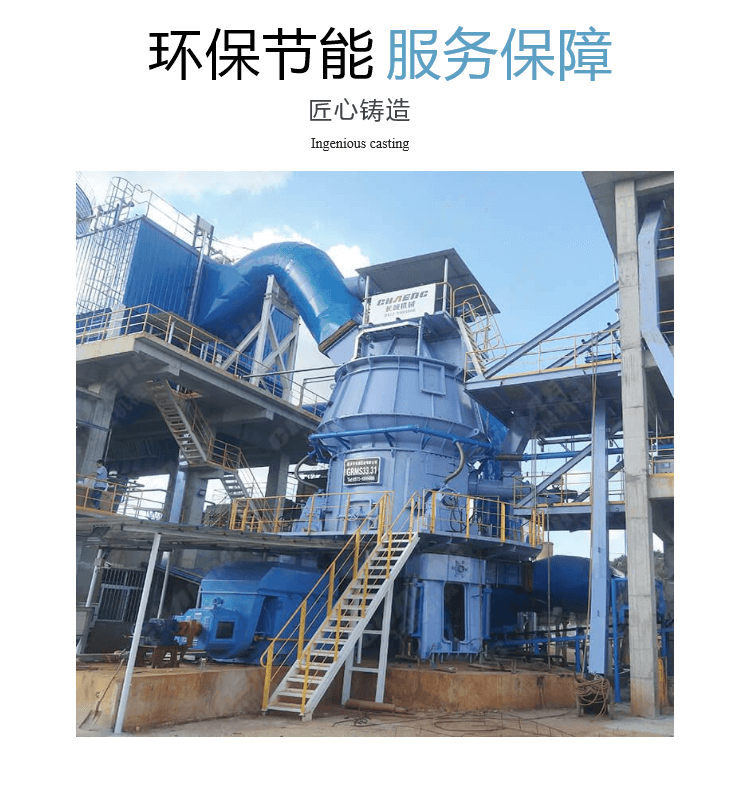
Ore Ball MillA crucial equipment for re-grinding ore after pre-crushing, it is favored by customers for its small footprint and stable operation. Xinxiang Great Wall has modified the traditional mill design during research and manufacturing, altering the original mill structure, with mature technology and wide application in the mineral powder production industry and cement powder grinding stations.

Ore Ball Mill Structure
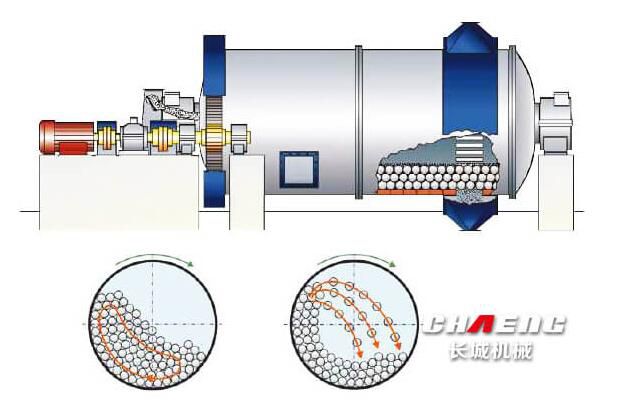
The ball mill for ore is primarily composed of feeding section, drum, discharge section, reducer, small transmission gears, motor, and electrical control components. Moreover, the bearings of the equipment are made of more wear-resistant and higher compressive strength materials, reducing wear during production and effectively extending the service life of the equipment.
Operating Principle
Material enters the mill's hopper via the feeding device, which contains stepped or corrugated linings and is filled with various-sized steel balls. As the drum rotates, the centrifugal force elevates the steel balls to a certain height before they fall, striking and grinding the material, thereby performing the grinding operation.


Product Advantages
Uniform particle size, high processing capacity, and high precision.
2. New wear-resistant liners significantly increase the lifespan of consumables, reducing operating costs.
3. Simple process, easy to operate, with extremely low maintenance costs and improved stability in operation.
4. Wide application range, high processing capacity, and significant advantages in continuous operation.
5. High yield rate, durable, stable operation, reliable performance, excellent wear resistance, fineness up to 800 mesh, freely adjustable as needed.
Ore Ball Mill Manufacturer
Xinxiang Great Wall is a major manufacturer of ore ball mills in Henan, boasting advanced production techniques for ore ball mills and stringent material selection for equipment wear parts. The equipment they develop boasts superior quality, enabling users to operate more efficiently during production.