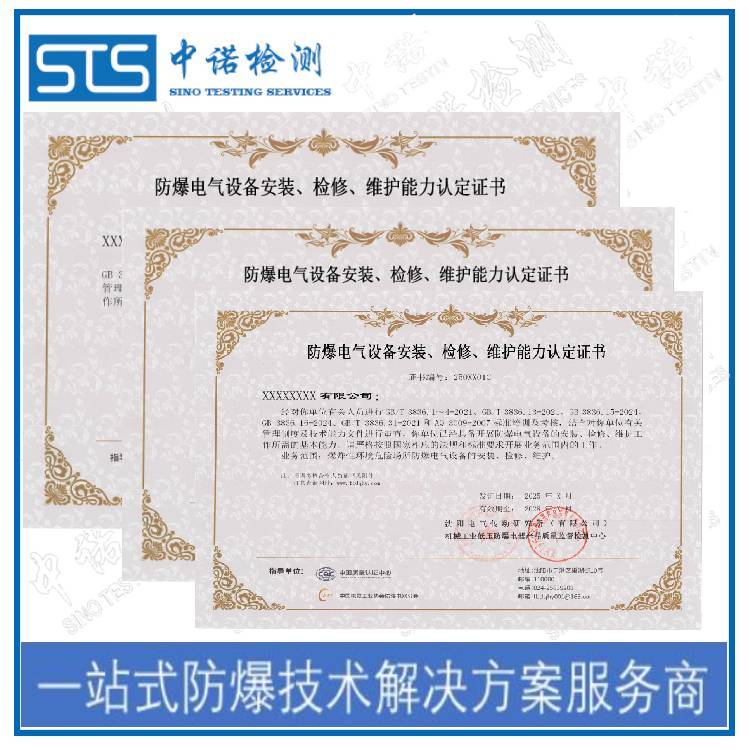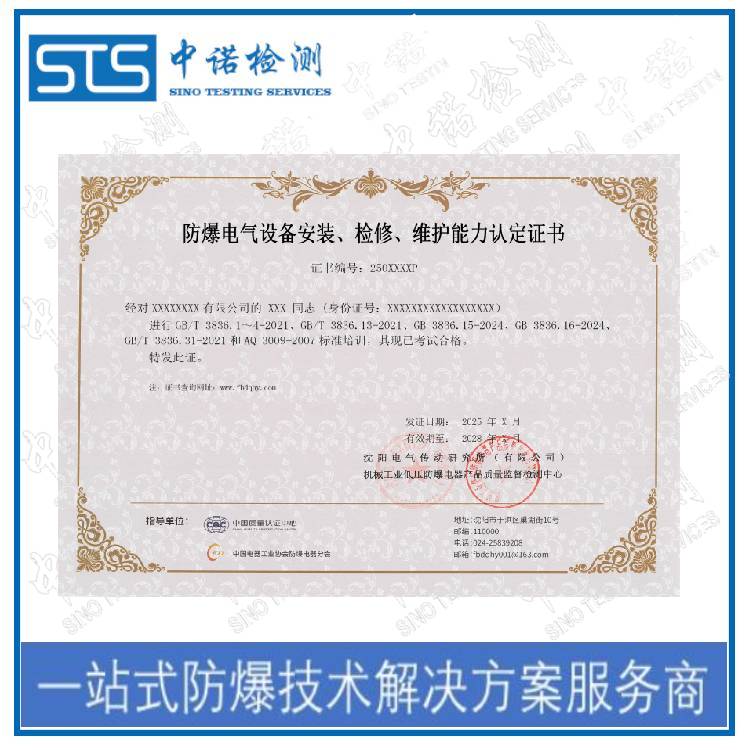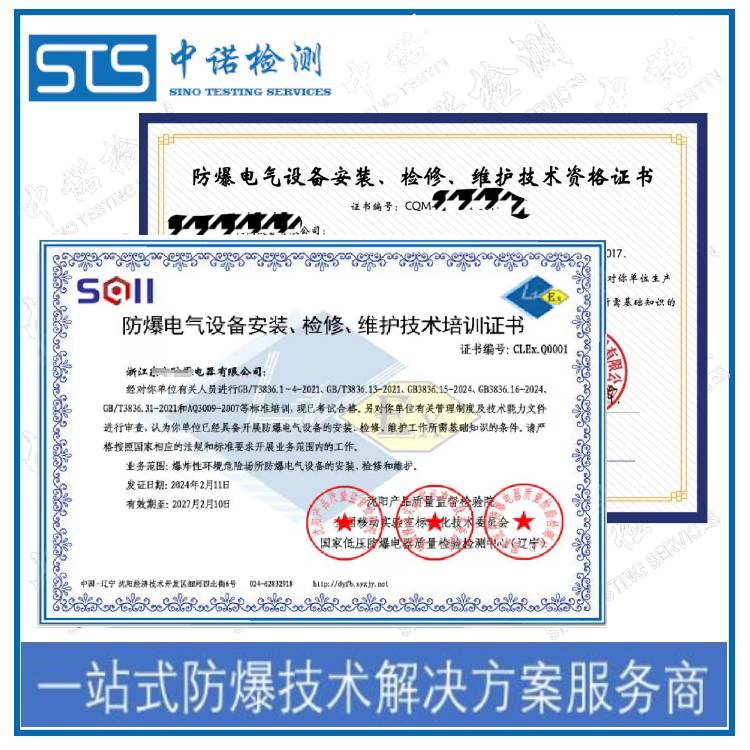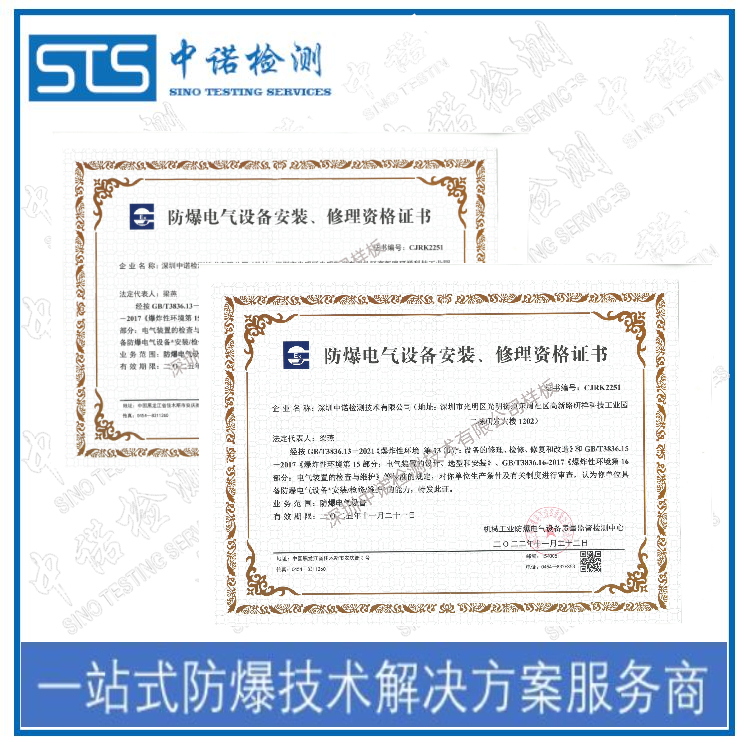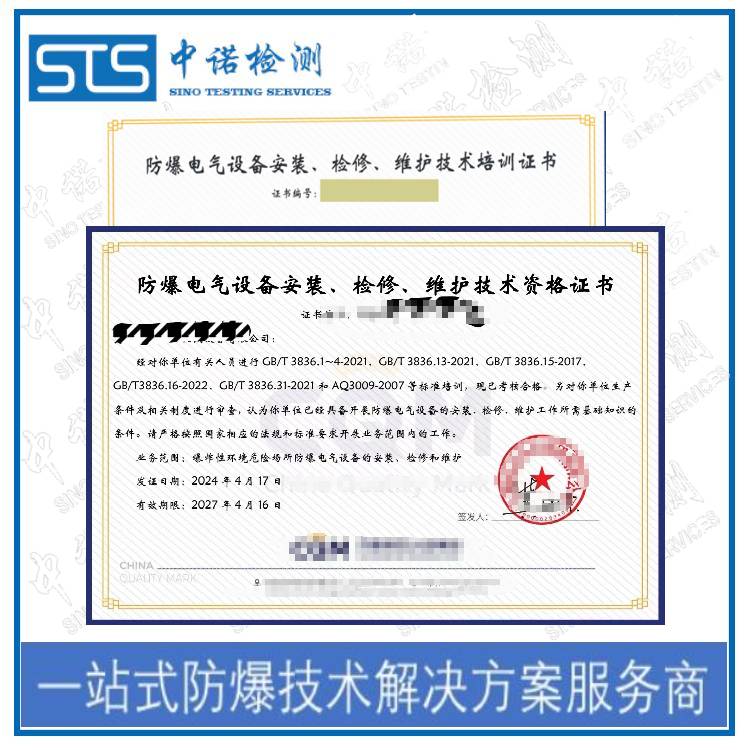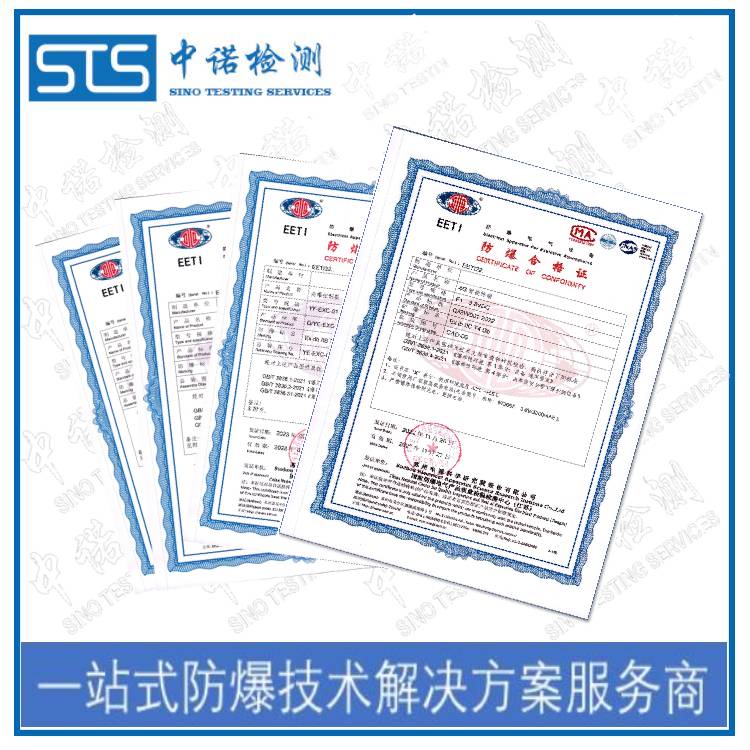

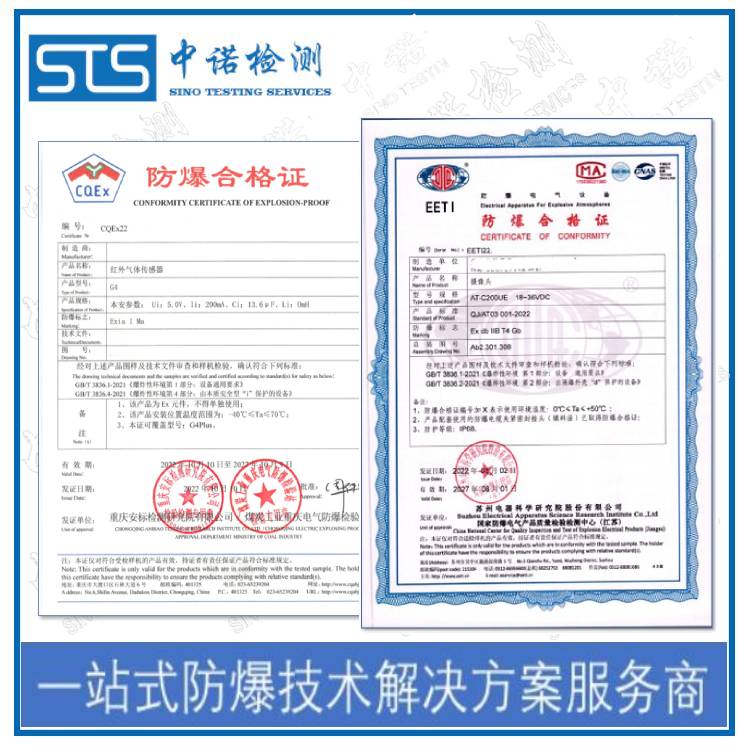


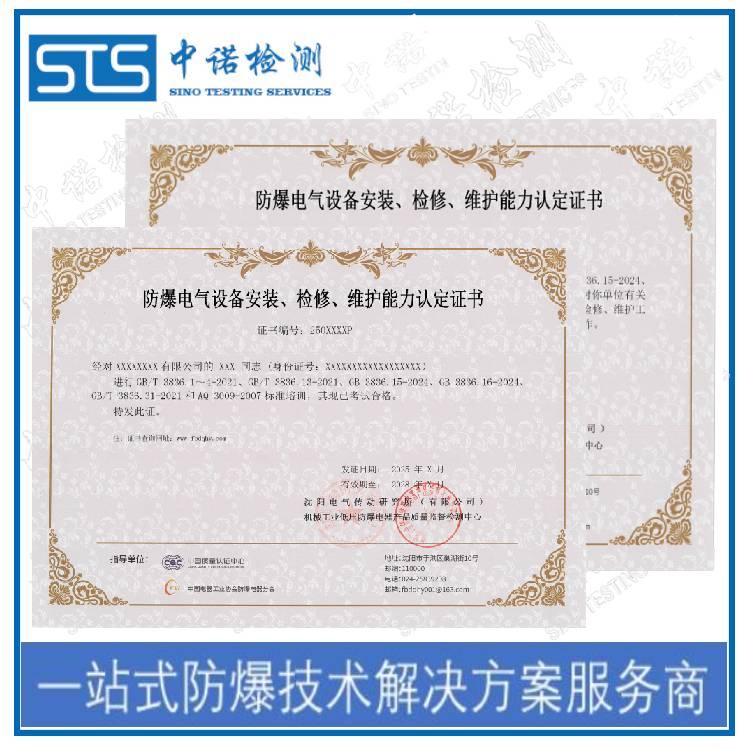
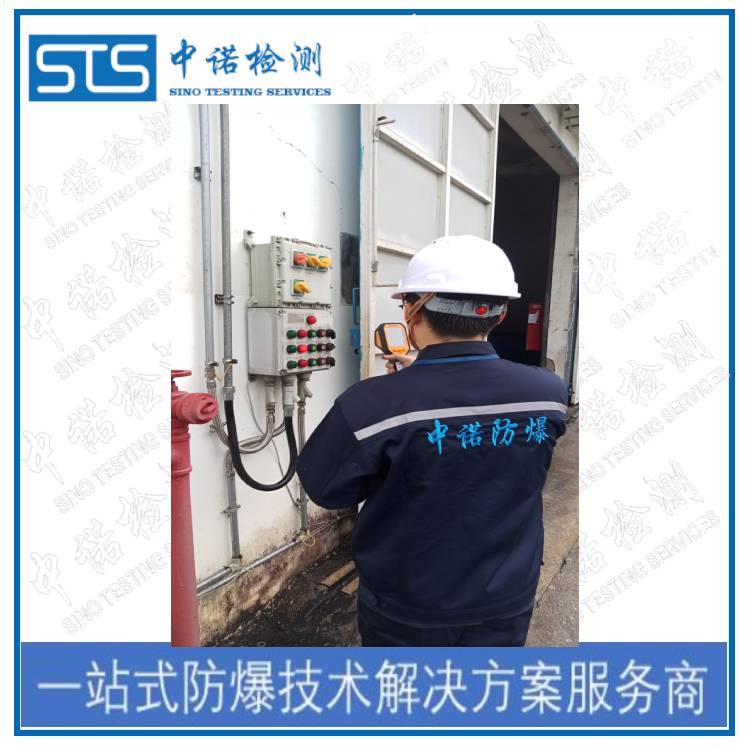
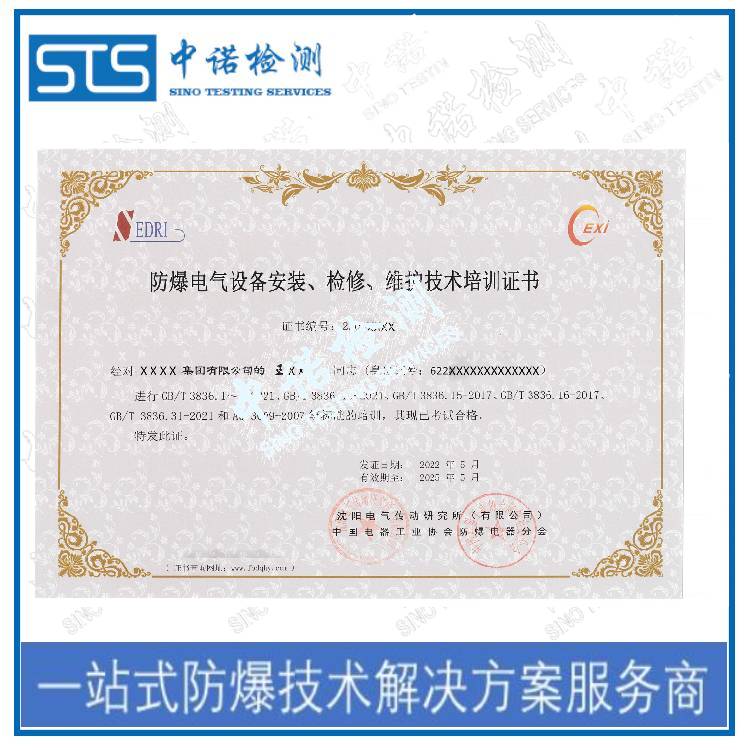
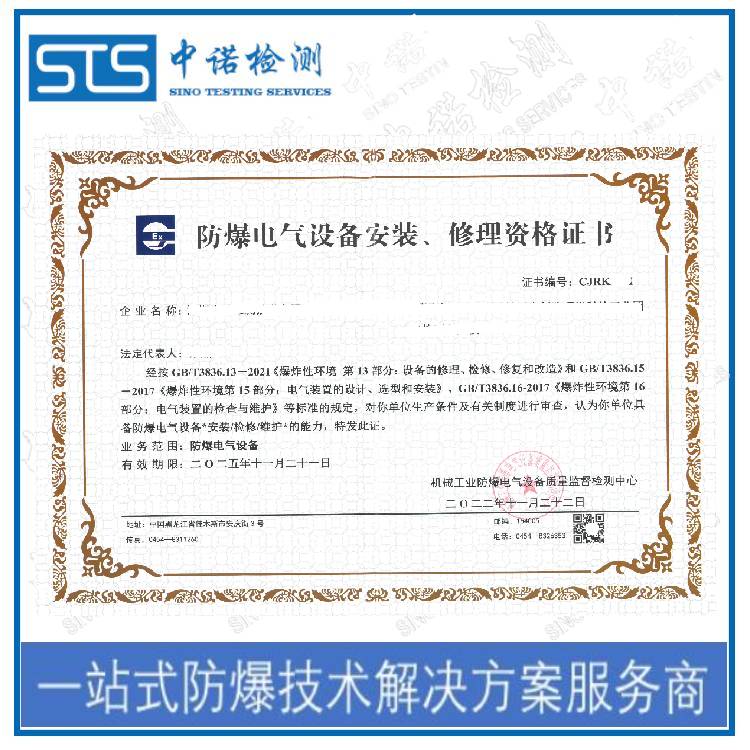





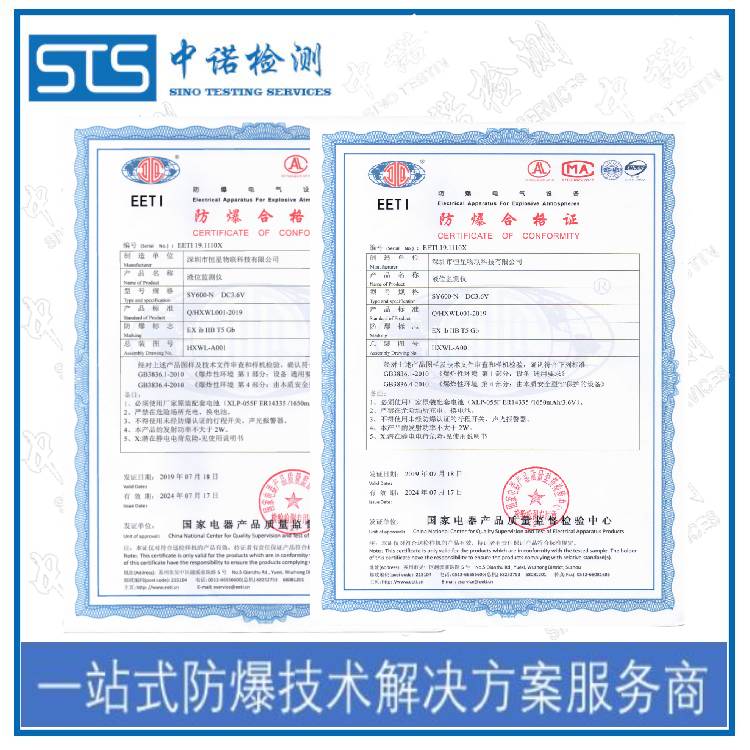
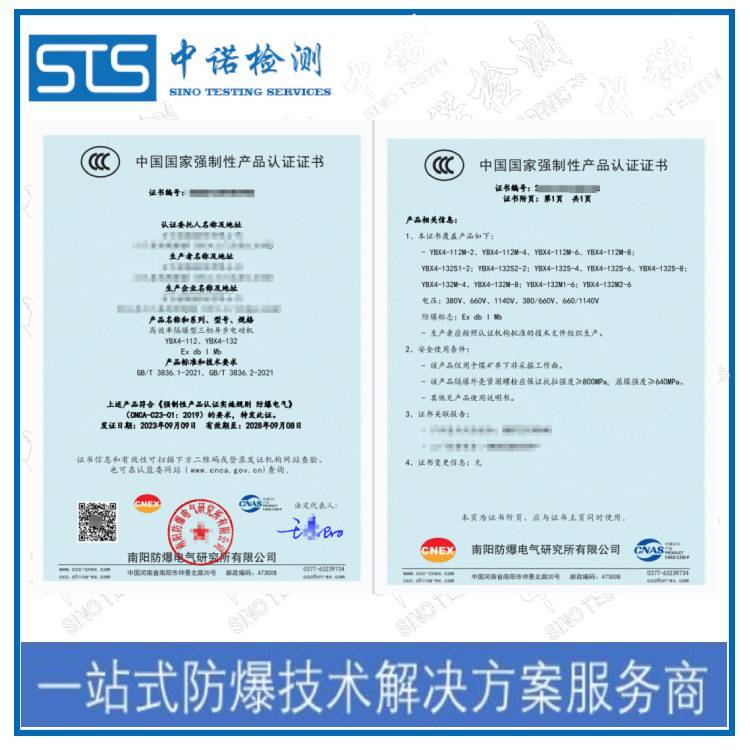
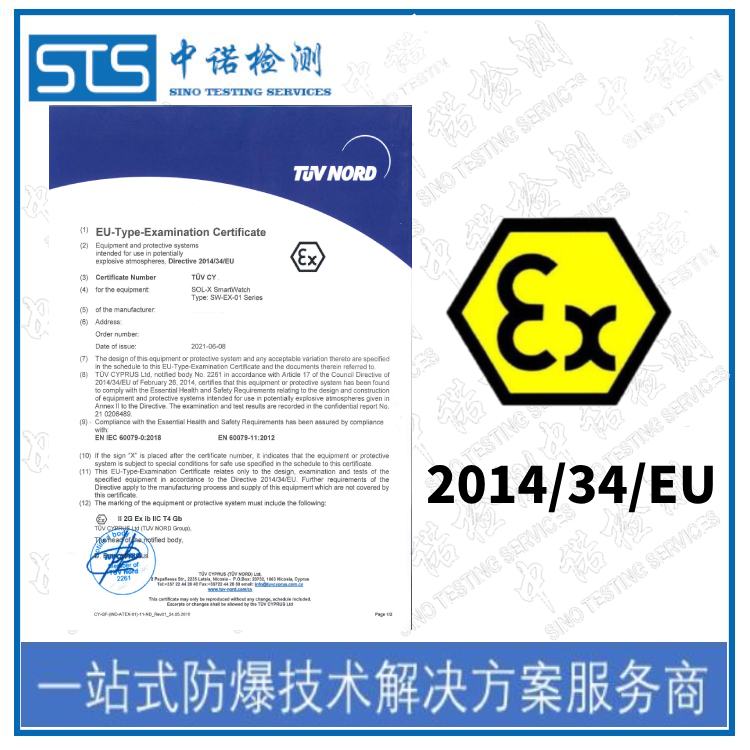
Shenzhen ZhongNuo Testing Technology Co., Ltd. specializes in consulting services for explosion-proof CCC certification. We have an extensive portfolio of consulting cases in the field of explosion-proof 3C certification. We are well-versed in the application process and technical requirements for explosion-proof 3C certification, offering services such as application assistance and factory audit guidance.
What explosion-proof certifications are required for explosion-proof products? What are the institutions for applying for explosion-proof certifications?
Currently, the certification models for explosion-proof products entering the Chinese market mainly consist of three types.
1. Provide explosion-proof certificates for equipment used in environments with explosive gases and combustible dust in non-coal mines.
Just need product testing, and a certificate will be issued upon passing.
2. Obtain explosion-proof 3C certification; for products listed in the explosion-proof 3C directory, product testing and factory inspections are required.
3. Coal Mine Safety Certification, for explosion-proof equipment used underground in coal mines, featuring a certification process that includes product testing and factory audit.
Zhenuo Inspection is an institution offering explosion-proof certification application consultation.
We offer a one-stop service for explosion-proof certification and coal mine safety certification, including防爆 design and modification, drawing evaluation, application, and factory audit.
Familiar with certification standards and procedures, with ample case studies and experience. Feel free to DM us!
Requirements for materials for applying for the explosion-proof CCC certification:
1. Product Drawings and Documents: When applying for a explosion-proof certification for intrinsically safe electrical equipment, the company should provide assembly drawings, circuit diagrams, printed circuit board diagrams, silk-screened drawings, material lists of components, and label diagrams, etc. For non-intrinsically safe electrical equipment, the technical documents submitted for testing should include drawings that reflect the explosion-proof performance of the sample (including assembly drawings and component drawings). If the assembly drawing clearly indicates the explosion-proof parameters and structure of the product, only the assembly drawing needs to be submitted for testing.
2. Technical Documentation: Includes corporate standards/technical requirements. The corporate standards/technical requirements for the products should be written in the specified format. The content should, in addition to performance requirements, also cover related explosion-proof aspects: such as basic parameters, explosion-proof markings, operating environmental conditions, explosion-proof performance requirements, relevant tests for explosion-proof performance, and markings related to explosion-proof.
3. Additional Information: For products with adhesive bonding or casting, provide the model names, performance descriptions, and relevant process documents for the adhesives and casting agents. For plastic shell products, include the material and corresponding performance documents. Battery-equipped products require the battery specifications as well.
Basic Process for Applying for the Explosion-Proof CCC Certification
A. Submit a 3C Certification application for explosion-proof electrical equipment online. The required documents include:
Certificate Application Form
(2) Certificate of registration for the certifying party, producer, and manufacturing enterprise
(3) Product Description, including: technical specifications, structure, model descriptions, list of key components and materials, and explanations of differences between products of different specifications within the same certification unit.
(4) Technical documents, mainly including: product standards (or technical specifications), manuals, product drawings related to explosion-proof performance, etc.
(5) Certificate of conformity for test samples, factory inspection reports, etc.
(6) Manufacturer Information Sheet (required for factory inspection)
(7) ODM Model: Provide the relevant materials as required by the supplementary provisions for the ODM Model in CQM02-C1 "Supplementary Regulations for ODM Model in CCC Certification," such as ODM agreements.
(8) OEM Model: OEM agreements, etc.
(9) Proof of relevant change projects for change applications.
(10) Any other required documents.
B. Review application documents
Applications are typically reviewed within 2 business days.
C. Laboratory Testing
Upon approval of the institutional review materials, schedule the Testing task to the lab within 2 working days.
Lab Selection:
Sample Submission Requirements: Samples to be submitted according to laboratory specifications
D. Testing Cycle
Time Limit: Generally, a Testing Report will be issued within 30 working days after the sample is confirmed received, depending on the completeness of the provided information and the requested explosion-proof type. If there are modifications during the testing process, the modification time will not be included. For composite types or tests with complex and lengthy projects, the testing time will be extended.
F. Provide Testing Report
(1) Test non-compliance must be rectified within 3 months
(2) If the Testing Report remains unissued for 12 months after issuance due to the customer's reasons, the Testing Report will become invalid.
G. Initial Factory Inspection
(1) Generally, arrange the initial factory inspection within 3 working days after the type test is completed.
(2) Review takes 2-6 person-days, calculated based on unit quantity and the number of relevant personnel in the company.
(3) Audit Criteria: Factory's quality assurance capability and product consistency.
(4) Corrective actions for non-compliance during factory inspections must be completed within 40 days.
(5) Factory inspection results will be reviewed within 5 working days.
H, Frequency Certificate
The institution conducts a 5-workday review after the submission of the type test and factory reviewing report, and issues a Certificate upon successful review.
Basic contents of factory audit for explosion-proof CCC certification:
A. Factory inspection conclusions are typically categorized into four types: "Factory Inspection Passed," "Written Verification Passed," "On-site Verification Passed," and "Factory Inspection Failed."
"Written Verification Passed" refers to the case where there are non-conformities, the factory takes corrective actions within the specified time frame, and the certification body verifies the written confirmation to be effective, resulting in a pass; "On-Site Verification Passed" refers to the case where there are non-conformities, the factory takes corrective actions within the specified time frame, and the certification body verifies the on-site actions to be effective, resulting in a pass.
B. If there are any不合格 items during the factory audit, they generally need to be rectified within 40 days.
C. Basic Review Items
(1) Specify if the test results are satisfactory.
(2) Are the key resources sufficient to ensure product consistency or compliance with standards?
(3) Product consistency issues, such as changes in product structure and critical components, whether they comply with regulatory requirements.
(4) Verify if there are any defects in the certified products that could potentially lead to quality safety incidents.
(5) Is the effective implementation of product certification changes and consistency control in place?
(6) Has the factory taken corrective measures during the certification certificate suspension period?
(7) Proper use of the CCC mark or certificate, including counterfeiting, renting, lending, misusing, selling, transferring the CCC mark or certificate, and theft of the CCC mark; Continuing to use the CCC mark or certificate after being informed of its revocation or suspension; Deliberately affixing the CCC mark on products without obtaining the CCC certificate; Other deliberate illegal uses of the CCC mark or certificate;
(8) Does the factory have any instances of obtaining certification certificates through fraudulent or bribery means?
(9) Are there any other circumstances that directly threaten product consistency or compliance with standards?
Explosion-proof 3C Certification Business Consulting Services - Shenzhen Zhongnuo Testing Technology Co., Ltd.
WeChat Official Account

Scan to follow Official Account