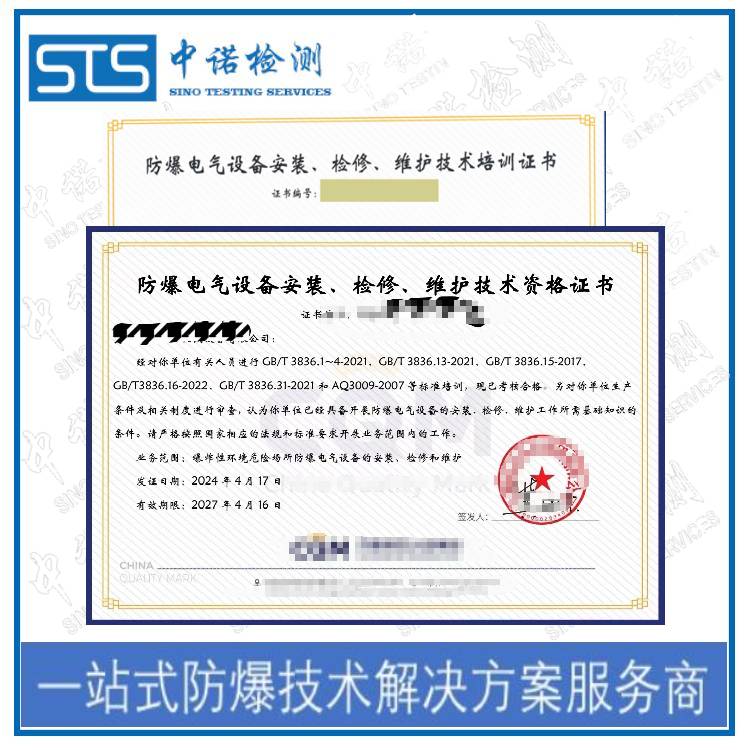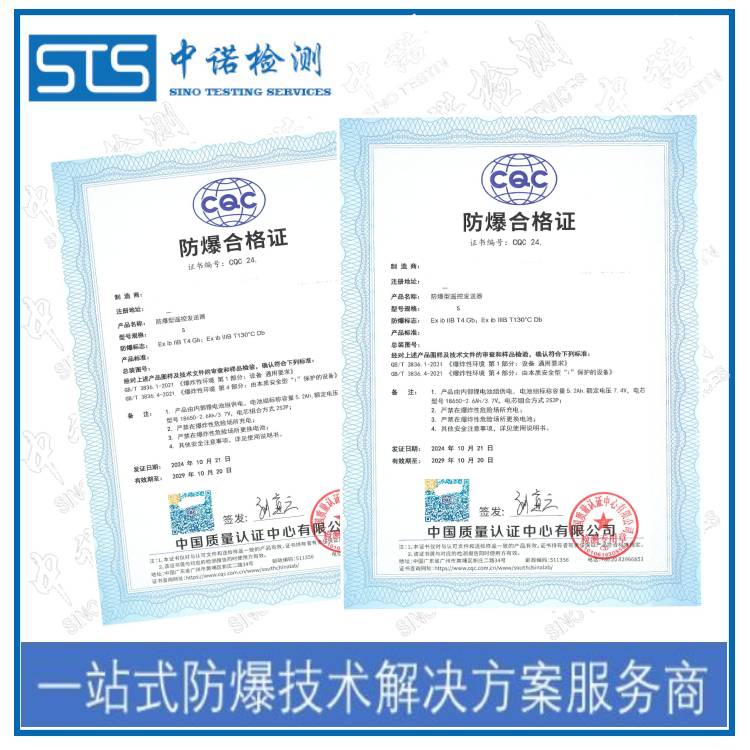


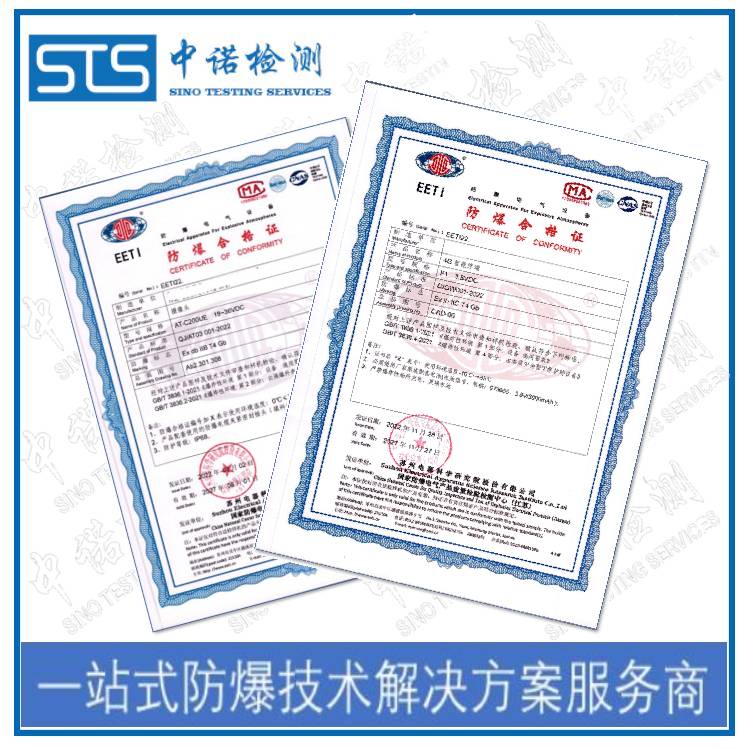


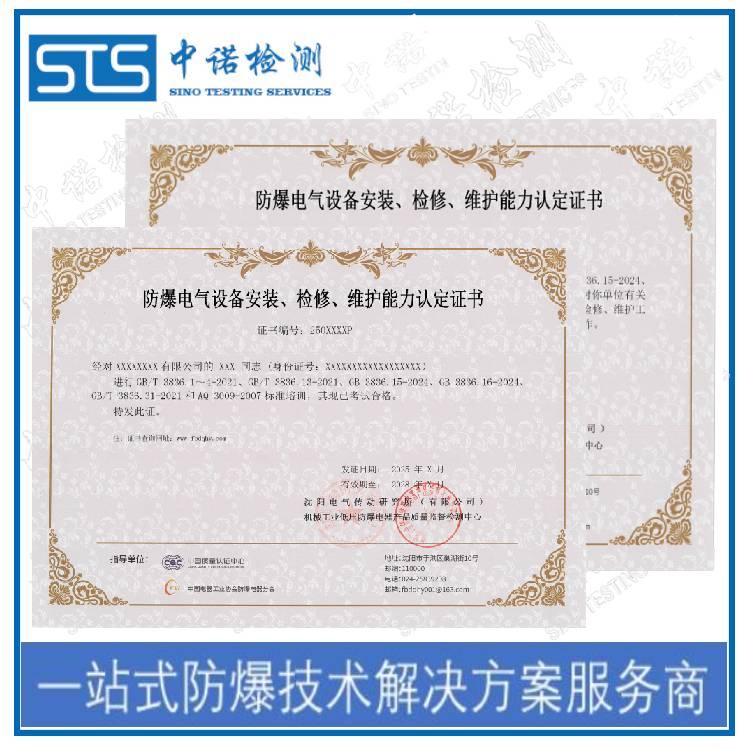
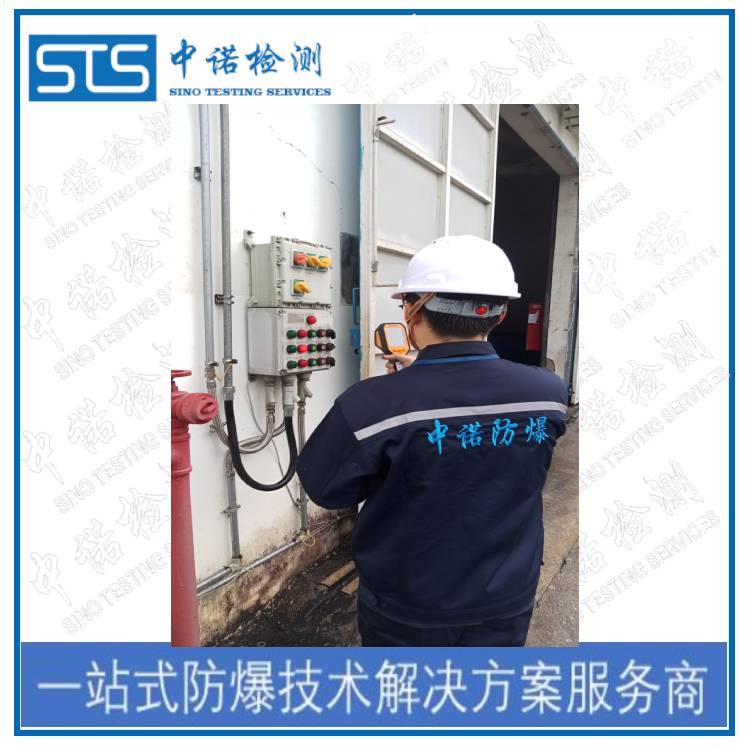
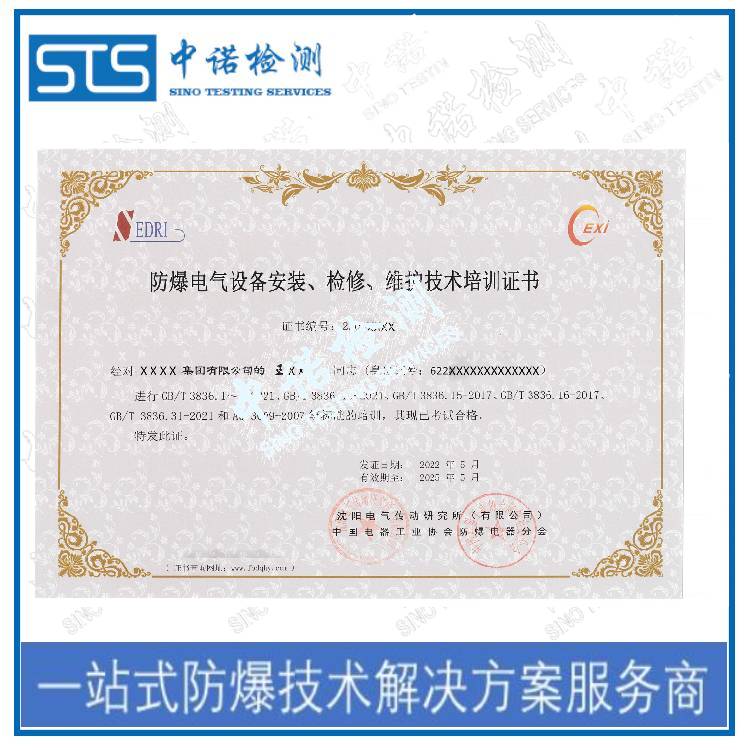
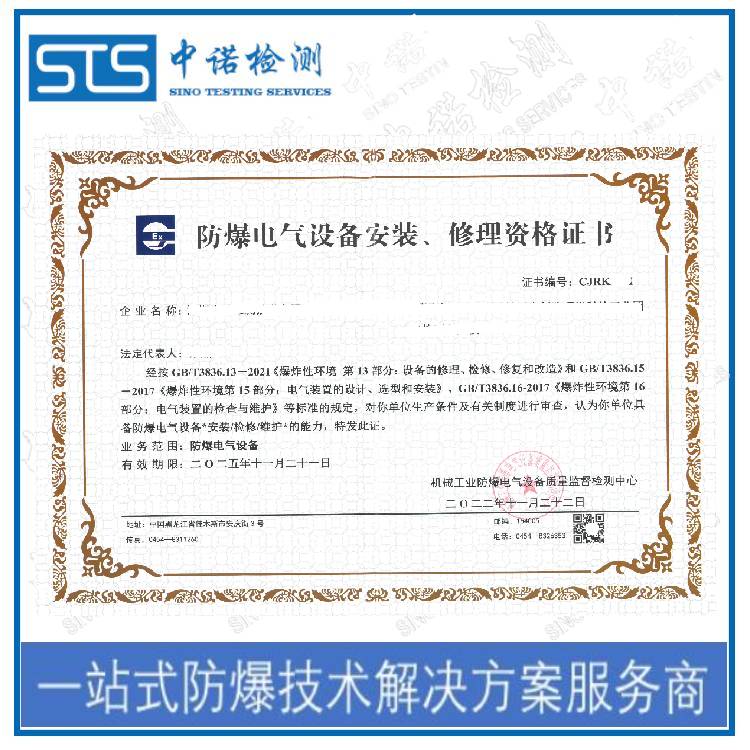
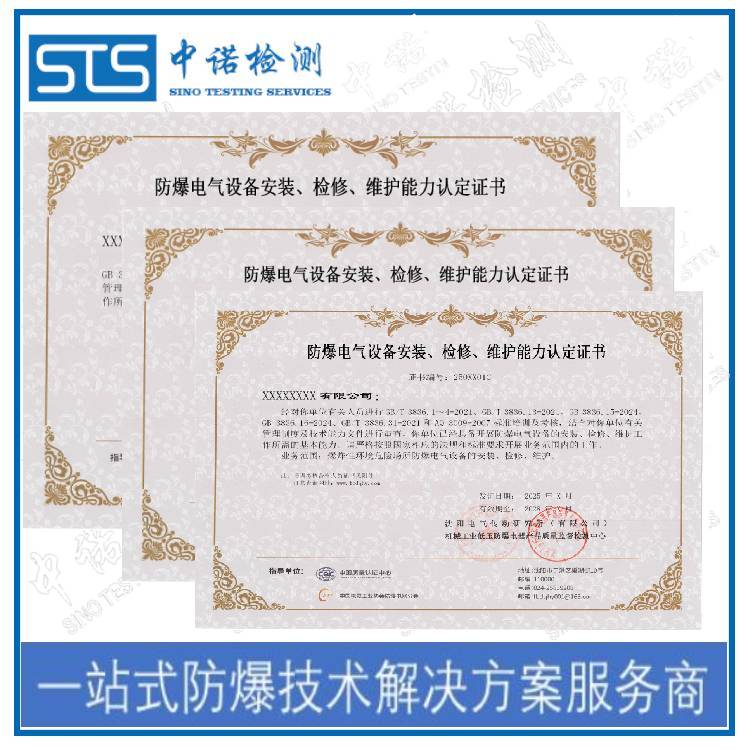





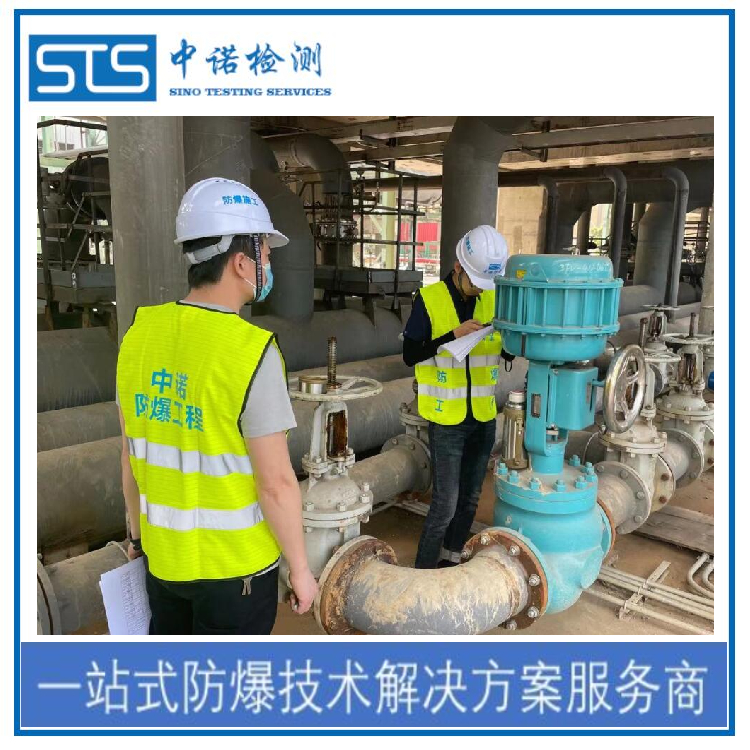
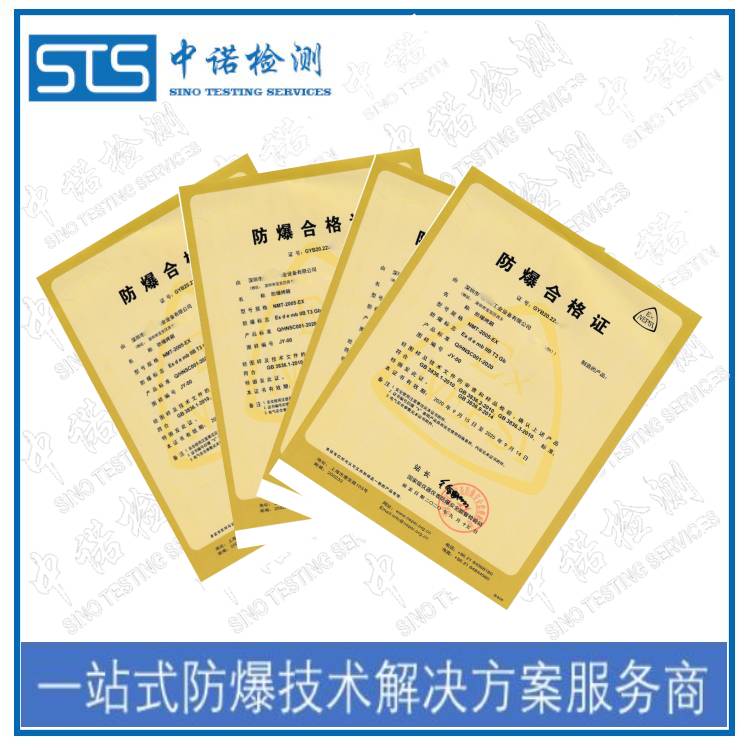
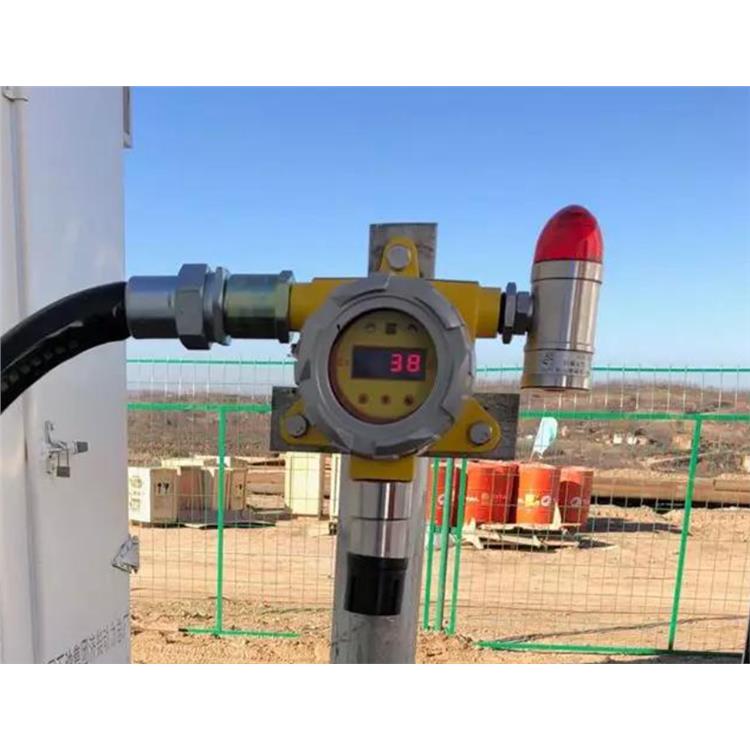
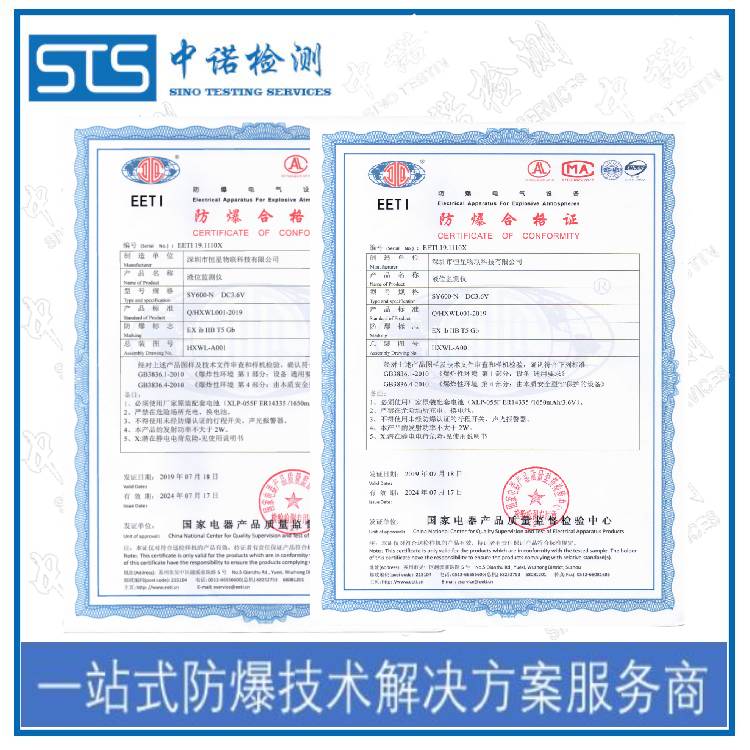
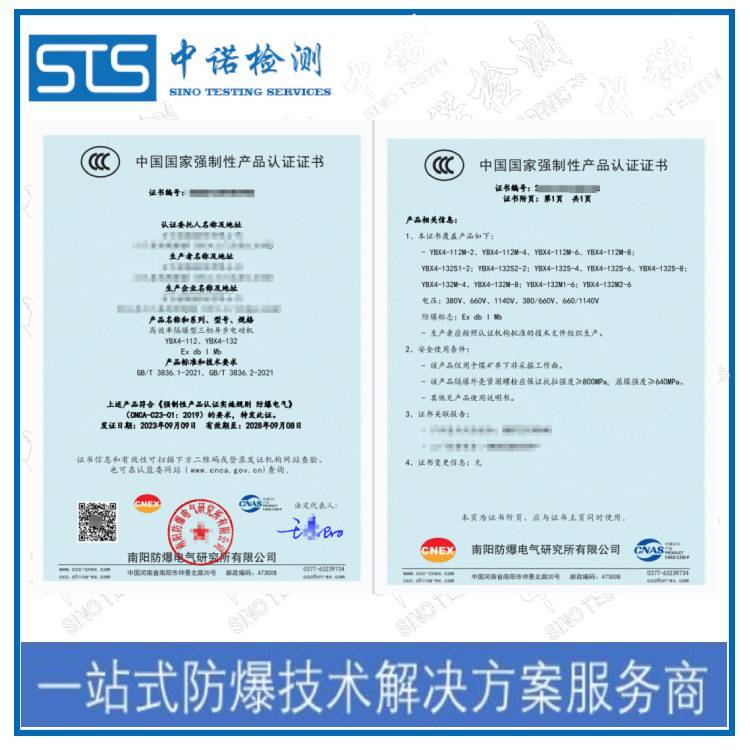
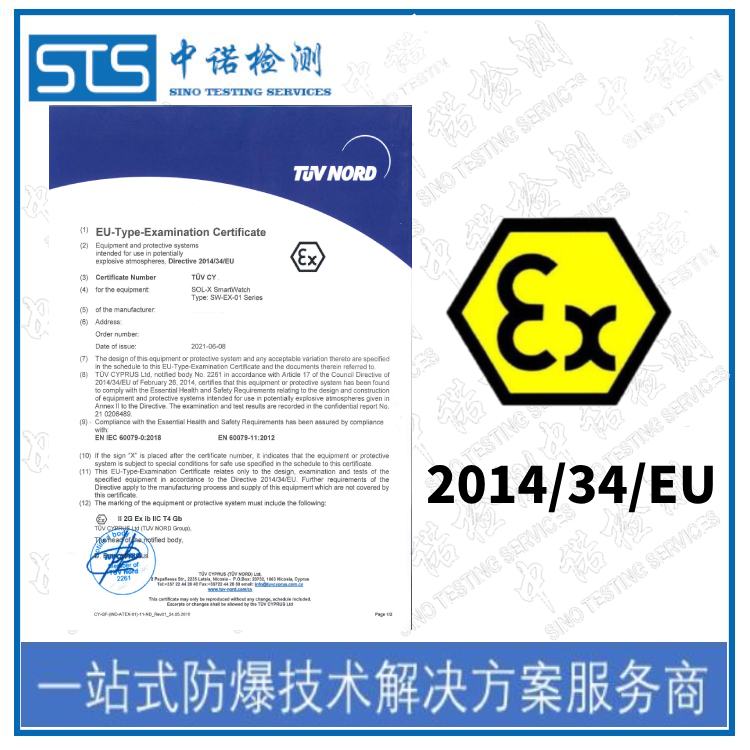
Shenzhen ZhongNuo Testing Technology Co., Ltd. is based in South China and specializes in explosion-proof and coal safety certification application consulting services, offering one-stop technical consulting solutions.
Do you need to have a flameproof design before applying for a flameproof certification for the product?
That's for sure.
The process of obtaining a explosion-proof certification for products is to pass the relevant test items of the explosion-proof standards and acquire the explosion-proof qualification certificate.
To ensure the product passes the explosion-proof standard test items, it is definitely necessary to design the product according to the test requirements, which is to say, to implement explosion-proof design.
For explosion-proof requirements, refer to GB/T3836.1 and GB/T3836.2; for intrinsic safety design, consult GB/T3836.1 and GB/T3836.4; for positive pressure design, refer to GB/T3836.1 and GB/T3836.5.
If your equipment is about to apply for explosion-proof certification and enter the explosion-proof market, please private message us right away! ZhongNuo Inspection has been deeply involved in the explosion-proof field for many years, familiar with the technical requirements of GB/T3836, EN/IEC60079 explosion-proof standards, and provides explosion-proof product modification and design guidance, as well as a one-stop explosion-proof technical solution.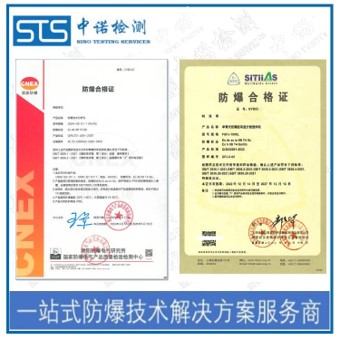
What test items are included in the explosion-proof certificate, and what are the requirements?
Explosion-proof is one of the most commonly used explosion-proof types for market explosion-proof products, adhering to the standards GB/T 3836.1 and GB/T 3836.2.
Explosion-proof is primarily achieved through the protection of a blast-proof housing.
The explosion-proof housing must have sufficient thickness and strength. Even if an explosion occurs inside the equipment, the flame will be extinguished due to the width, gap, and roughness of the housing's joint surfaces, preventing ignition of the external hazardous environment.
On the other hand, even in the event of an explosion in a hazardous area outside, the explosion-proof housing maintains its anti-explosion properties.
Overall, the housing is both explosion-proof and anti-explosion, hence the equipment is rather bulky.
ZheNuo Inspection has been specializing in the explosion-proof field for many years, well-versed in the requirements of the GB/T 3836 series standards.
We have extensive experience in the design and modification guidance for explosion-proof products, offering services such as explosion-proof housing design, drafting, certification, and drawing preparation.
If you have a certification need in this area, don't forget to message us!
Why Do Companies Need Explosion-Proof Certification?
Blast-proof certification refers to the process of determining if a device meets blast-proof standards, requiring type tests and the issuance of relevant certificates of compliance. It primarily targets Ex equipment or Ex components. Blast-proof products generally refer to blast-proof electrical products: electrical products or components with blast-proof functions designed for environments where explosions may occur, capable of igniting surrounding explosive atmospheres under specified conditions.
Safety of explosion-proof equipment is closely related to safe production, which is why many countries implement explosion-proof certification systems for electrical products. Explosion-proof products must obtain an explosion-proof certification before they can be used in hazardous flammable or explosive environments. The #explosion-proof certification# is essential for ensuring the safe use of explosion-proof electrical products.
Blast-proof certification can boost product exports and further enhance the credibility and reputation of both the company and its products, increasing market competitiveness. Companies in need of certification can obtain blast-proof certification domestically.
How to differentiate between Class II and Class III explosion-proof certificates?
Explosion-proof electrical equipment is classified into different categories based on the application location, such as Class I explosion-proof certificate, Class II explosion-proof certificate, and Class III explosion-proof certificate, etc.
The type I explosion-proof certificate we refer to is a certification for underground coal mine equipment, typically used in conjunction with the coal safety certificate for the equipment.
Certificate of Compliance for Type II explosion-proof equipment refers to the certification for explosion-proof devices used in non-mining explosive gas environments. Examples include equipment used in petrochemical, gas, and oil storage facilities.
Type III explosion-proof certificate refers to the certification for explosion-proof equipment used in non-mining explosive dust environments, such as equipment used in spray painting, sanding, feed, food, and other applications.
The distinction between the explosion-proof certificates of Class I, Class II, and Class III mainly lies in the different usage locations of the equipment.
The current domestic explosion-proof certification standards are primarily based on the GB/T3836 series. The original GB12476 (dust) and GB25286 (non-electrical) series standards have also been merged into GB/T3836.
Explosion Proof Certification Application Consulting Services - Shenzhen Zhongnuo Testing Technology Co., Ltd.
WeChat Official Account

Scan to follow Official Account