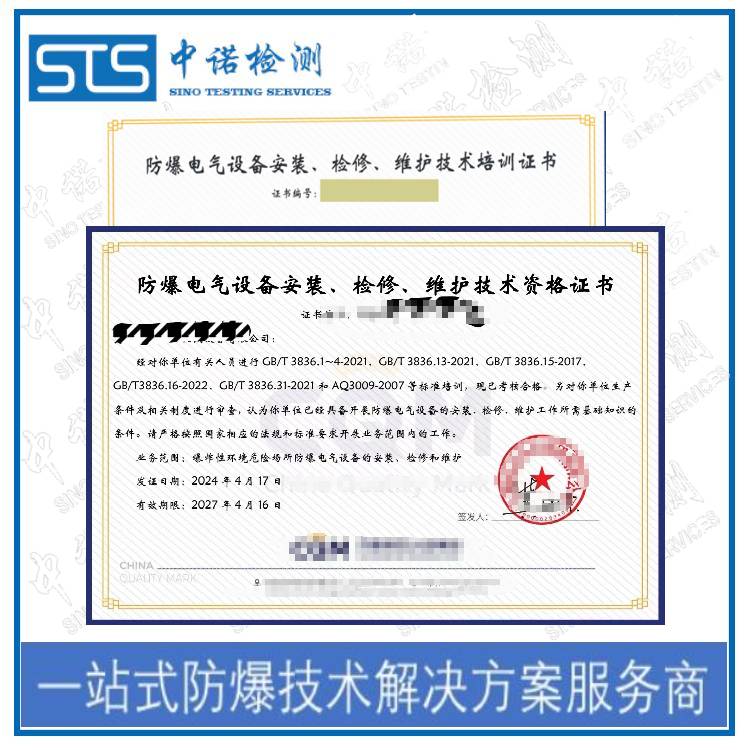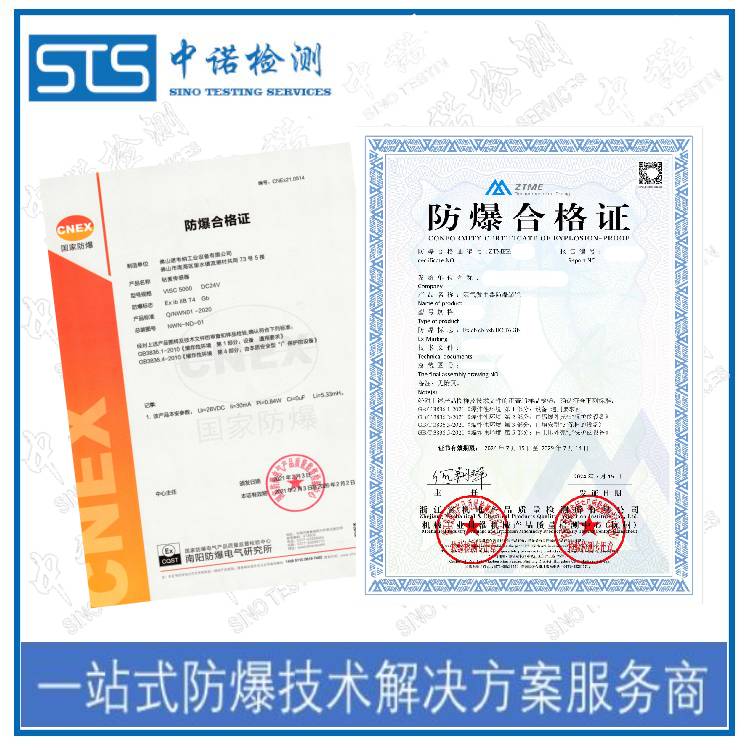

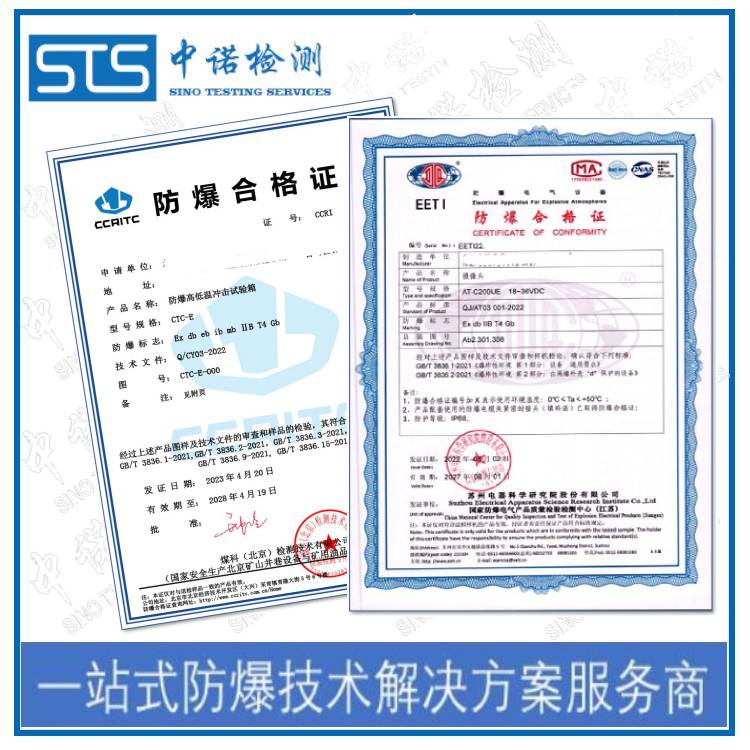


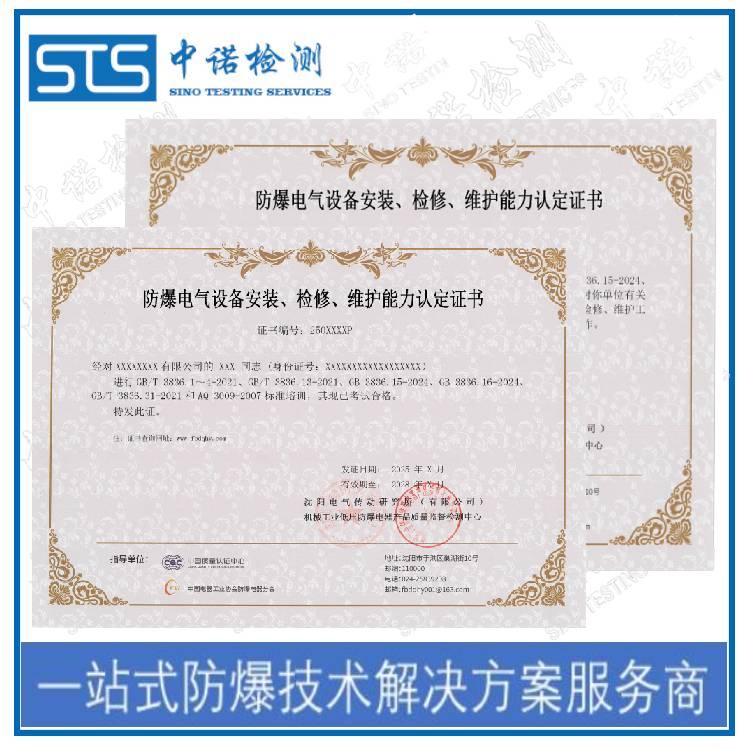
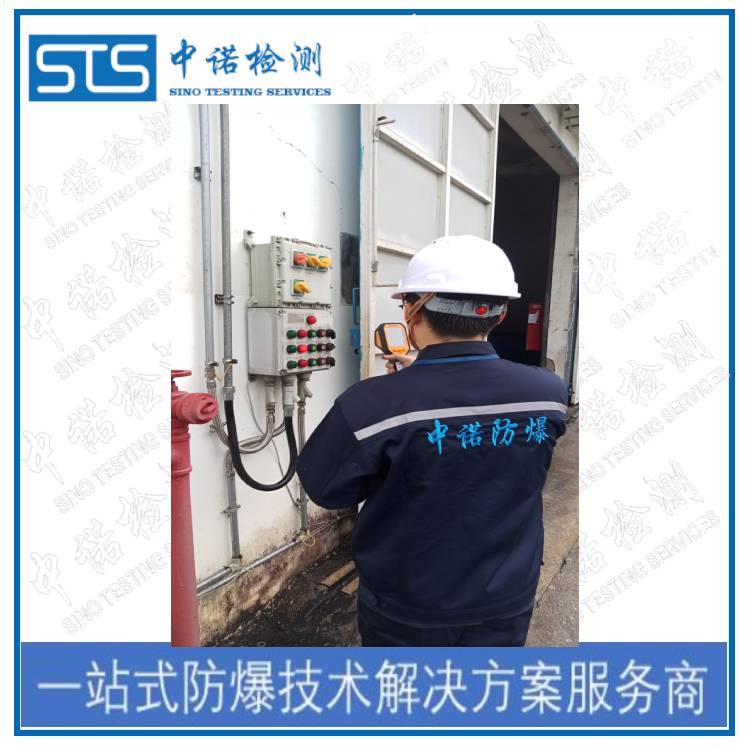
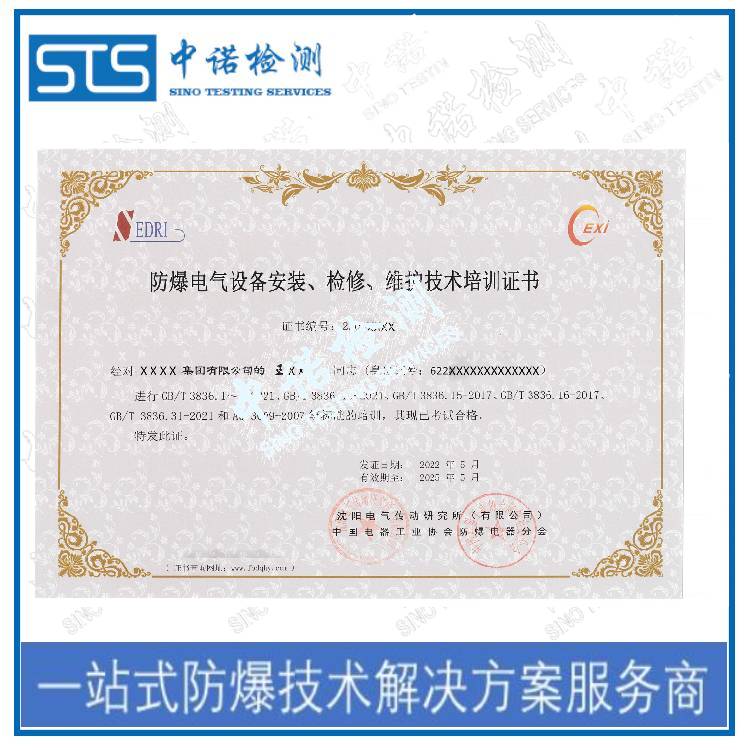
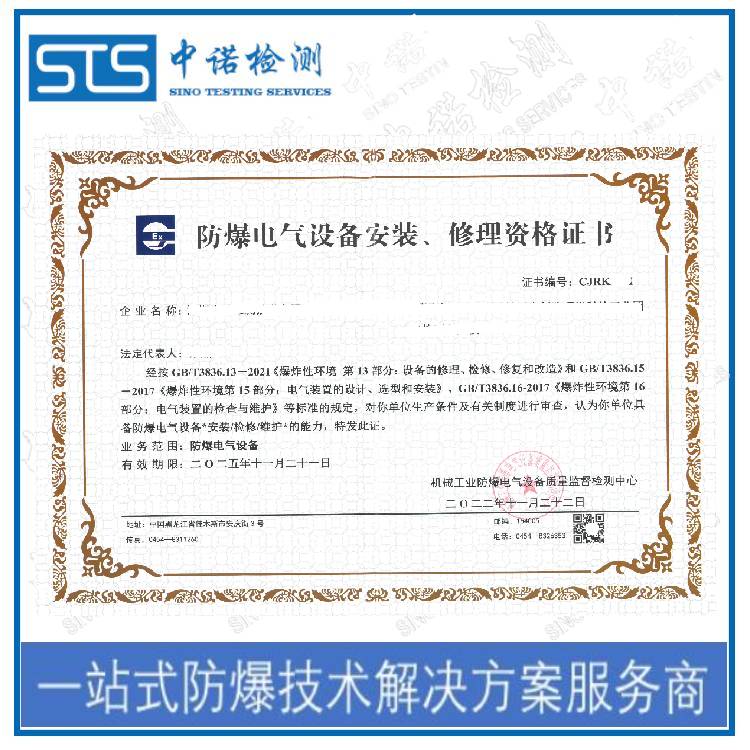
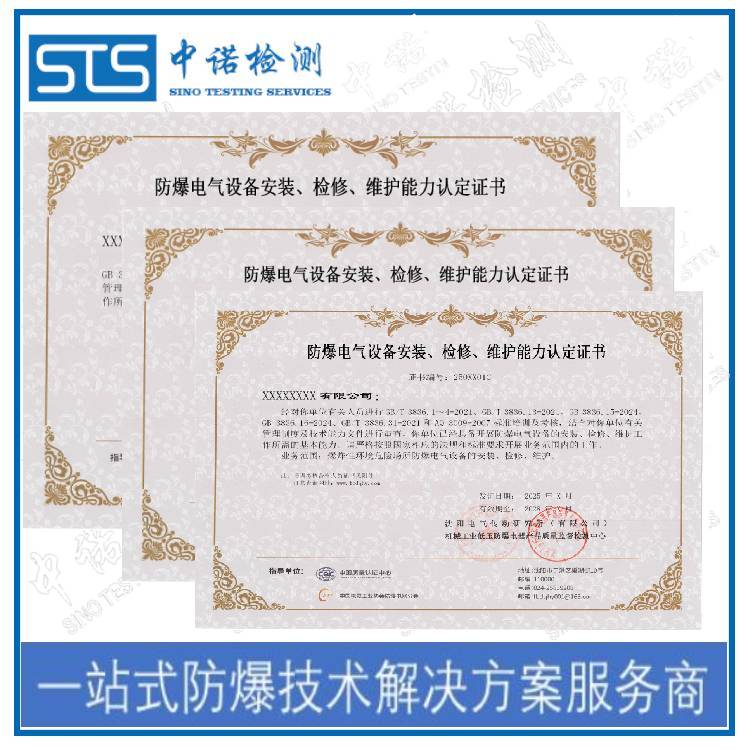





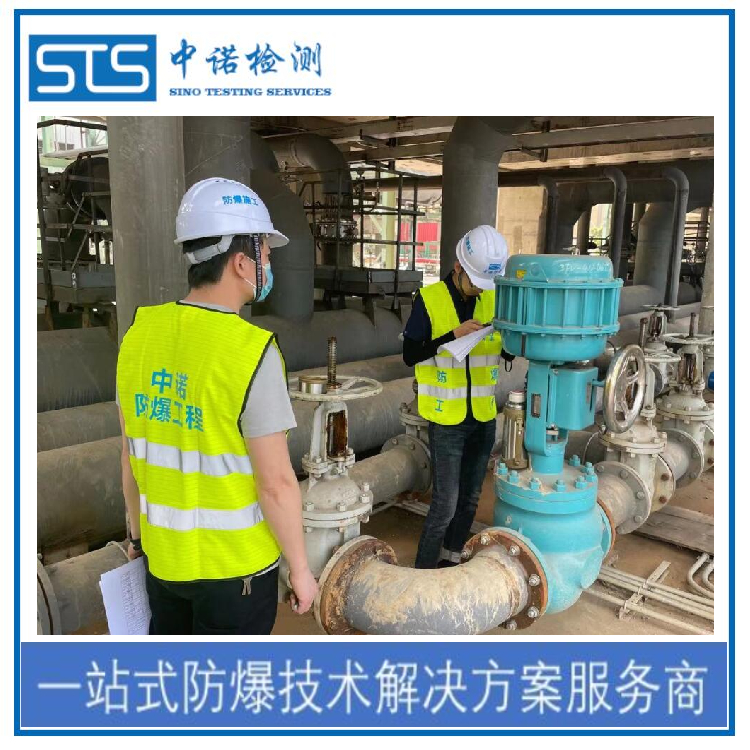
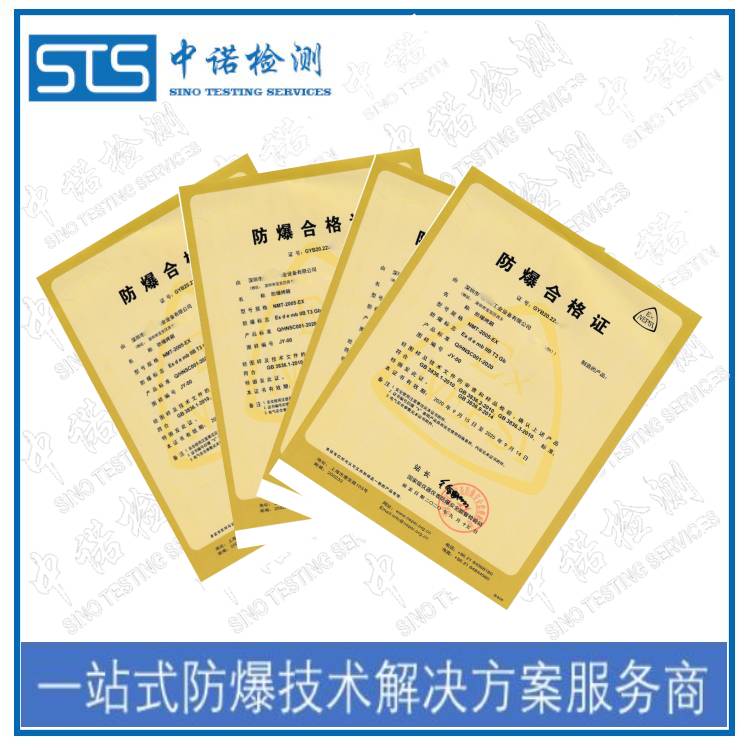
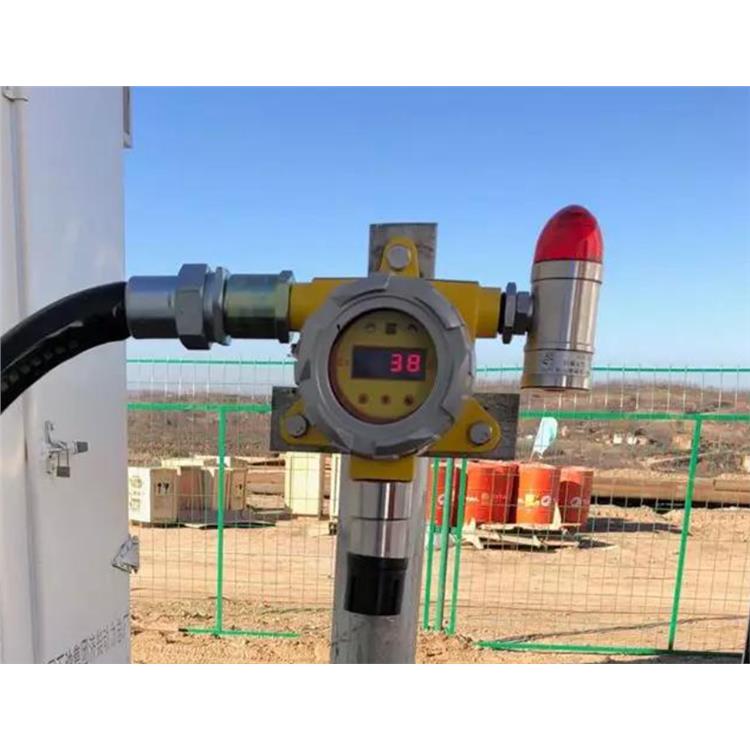
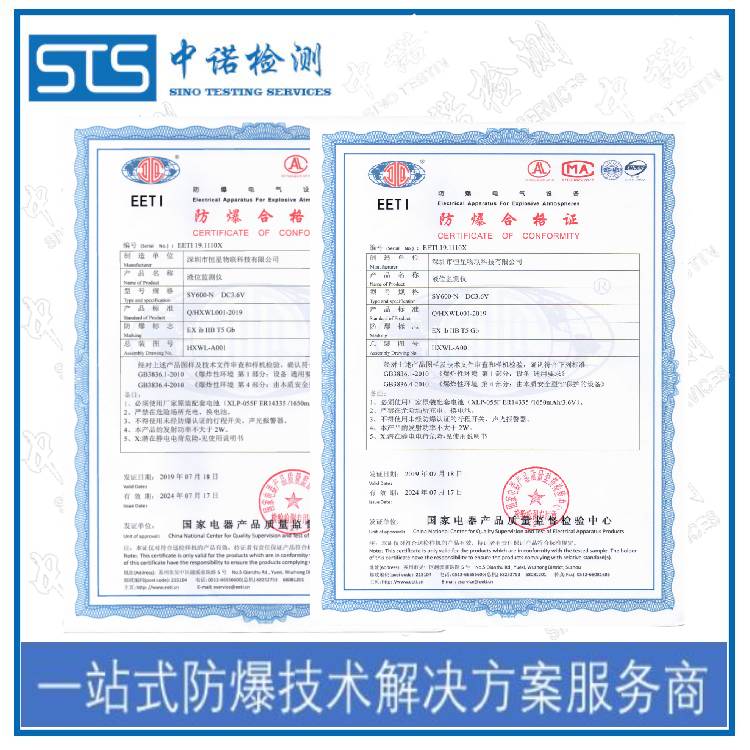
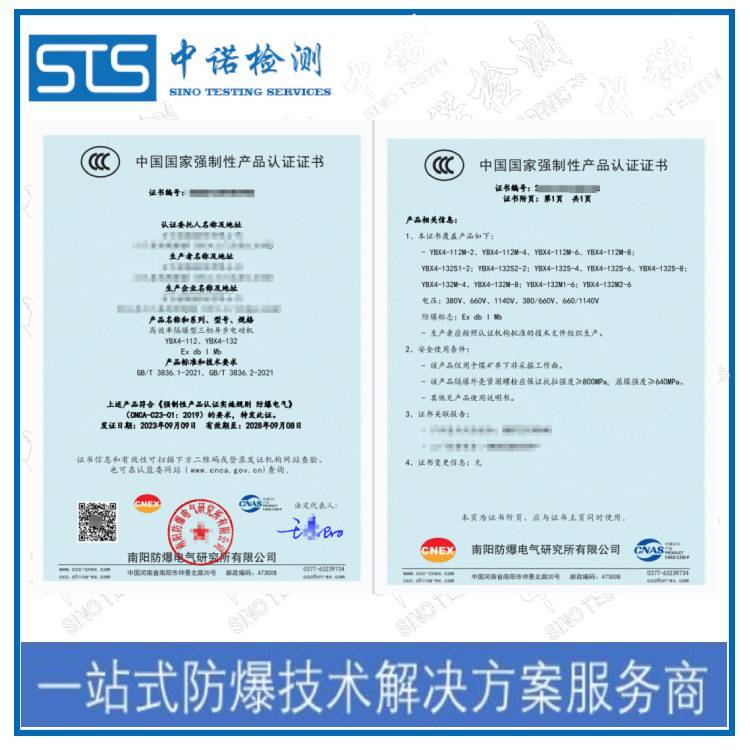
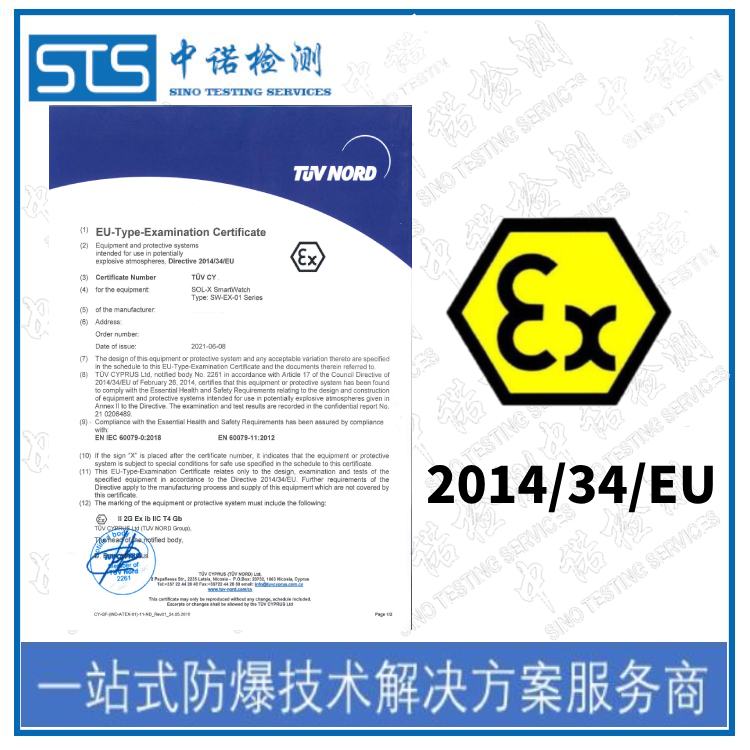
Shenzhen Zhongnuo Testing Technology Co., Ltd. is based in South China, specializing in explosion-proof certification and coal safety certification application consulting services, offering one-stop explosion-proof technology consulting services.
Division of explosion-proof zones in explosive gas environments
In explosion-proof certification, hazardous areas are divided into explosive gas environments and combustible dust environments based on the different states of substances present in the location. According to the duration of the presence of hazardous substances in the location, these areas with different states are further divided into three zones based on the length of time the dangerous substances are present.
That is: for explosive gas environments, Zones 0, 1, and 2.
Areas where explosive gas atmospheres occur continuously or for extended periods are generally above 1000h/y.
Zone 1 - Locations where explosive gas atmospheres may occur during normal operation, typically 10-1000 hours/year.
Zone 2 - Under normal operation, explosive gas atmospheres are not likely to occur or, if they do, are only transient and of short duration, generally less than 10 hours per year.
Intrinsically Safe Certification, also known as Intrinsically Safe Explosion Proof Certification. In the explosion-proof industry, there are various protection types such as explosion-proof, intrinsically safe, increased safety, positive pressure, and sealed-in type, etc. The intrinsically safe type is just one of the explosion-proof types. Equipment using this type of explosion-proof is suitable for flammable and explosive environments, as it restricts working voltage, current, capacitance, inductance, etc. Even if sparks occur inside the circuit, they are not sufficient to ignite the surrounding flammable and explosive environment, ensuring intrinsically safety. Intrinsically safe certification is widely used for low-power, low-energy instruments, hand-held terminal products, and more.
Coal Mine Safety Certification is a mandatory product certification for equipment used underground in coal mines. Due to the presence of dangerous substances like methane in underground coal mines, electrical equipment used there must be equipped with protective measures to achieve explosion-proof performance. Suitable explosion-proof protection types, such as intrinsic safety, flameproof, and encapsulation, can be chosen based on product structure, electrical parameters, installation methods, and usage areas. It is worth noting that electrical equipment applying for Coal Mine Safety Certification must not only have explosion-proof capabilities but also meet performance tests specific to the unique underground coal mine environment.
Shenzhen Zhongnuo Inspection & Technology Co., Ltd. specializes in explosion-proof and coal safety certifications. We are well-versed in certification standards, product explosion-proof design, rectification, testing, certification, factory audit processes, and requirements, helping businesses swiftly obtain explosion-proof and coal safety certifications.
North American Explosion Proof Certification
The North American Intrinsic Safety Certification System (hereinafter referred to as NEC System, where NEC stands for National Electrical Code) differs significantly from China's certification system supported by the GB System in aspects such as classification of explosive materials, division of hazardous areas, intrinsic safety protection methods, installation, and wiring. Currently, North American intrinsic safety certification is divided into two major systems: Division and Zone. The Division System uses the intrinsic safety marks of the United States, while the Zone System adheres to intrinsic safety standards consistent with the IEC System.
Why choose tempered glass for explosion-proof transparent parts?
Transparent parts are a crucial material for explosion-proof electrical equipment. When selecting transparent parts, customers always inquire about what material should be used? Can glass be used? Can plastic be used?
Below, Shenzhen Zhongnuo Testing Technology Co., Ltd. explains to you.
The GB/T3836.1 specification clearly stipulates temperature thermal shock tests for transparent parts, which are conducted to verify the thermal stability of glass under rapid cooling conditions. Currently, toughened glass is a material that not only meets this requirement but also offers high cost-effectiveness.
普及 the fact that tempered glass, after being heated and then quenched, forms a uniform layer on the surface
The compressed stress layer counters the tensile stress that forms on the surface during rapid cooling, hence, qualified tempered glass, even when subjected to stress from rapid cooling, will have a compressed stress layer to offset its effects.
explosion-proof certification application consulting service - Shenzhen Zhongnuo Testing Technology Co., Ltd.
WeChat Official Account

Scan to follow Official Account