

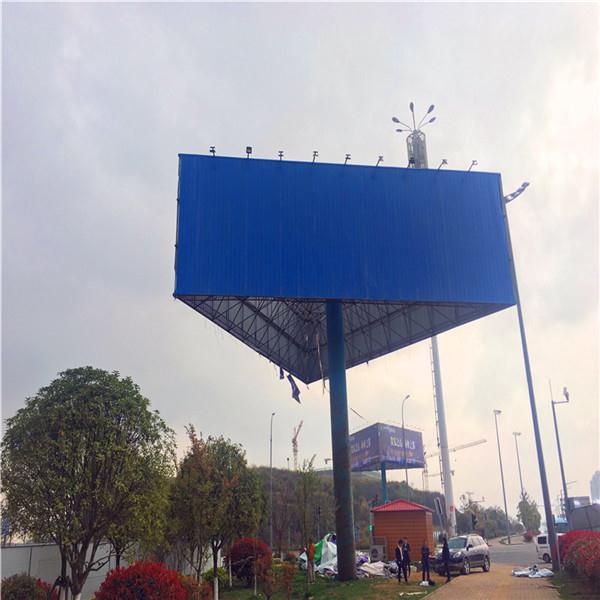

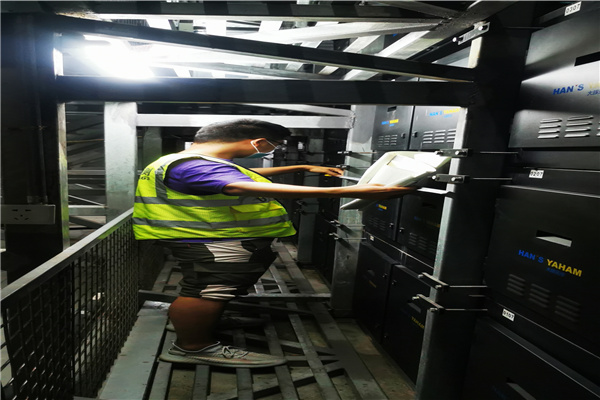
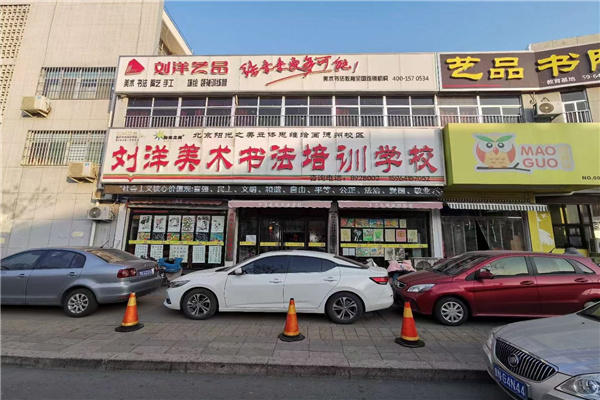












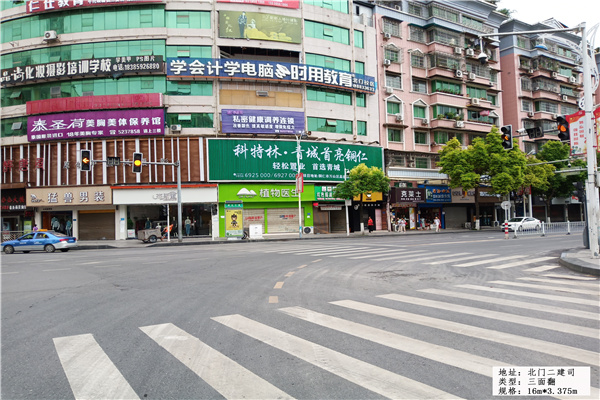
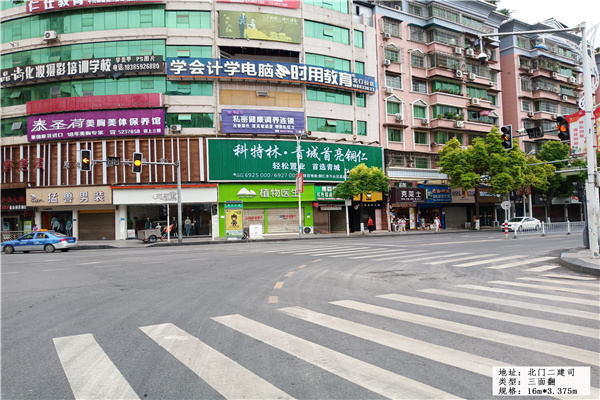
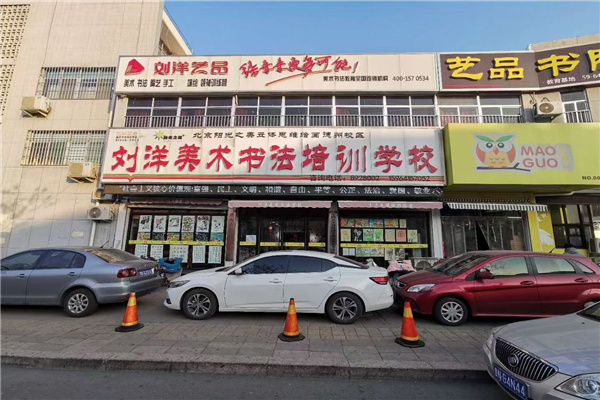
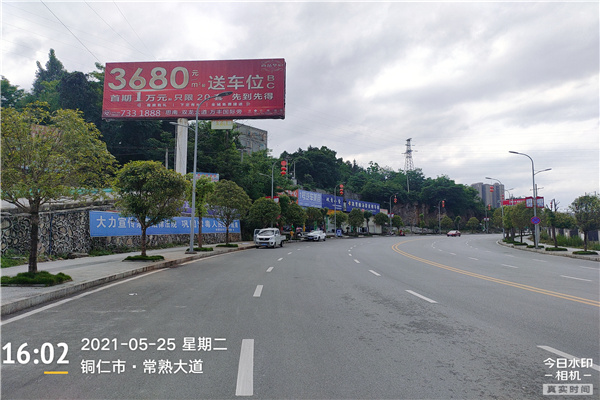
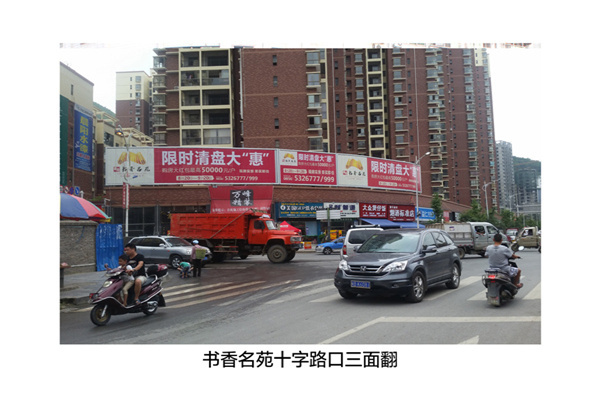
Shenzhen Zhongjianyuan Engineering Technology Co., Ltd. holds qualifications for various steel structure parameter inspections, including weld inspection, bolt tensile pull-out testing, coating thickness measurement, deflection testing, steel structure component size inspection, steel component cross-section inspection, and steel component damage inspection. As most signs are made in steel structure form and are constantly exposed to the outdoors, subjected to sun exposure and rain侵蚀, they are prone to damage. Generally, outdoor steel structure signs require regular inspections and maintenance.
I. Types of safety inspections included in brand safety:
Our business scope in building construction structure inspection mainly includes (walls, freestanding signs, rooftop signs).
Label inspection content:
1. Specifications for the horizontal and strength indicators of the brand's non-destructive testing base.
2. Overall structure assembly and welding quality of brand non-destructive testing.
3. Lightning protection, insulation, and corrosion resistance specifications for brand non-destructive testing.
4. Review of design, approval, installation, and raw material documentation related to non-destructive testing equipment.
5. The impact on the surrounding environment after the brand non-destructive testing equipment is fully operational.
Section 2: Brand Engineering Quality, Inspection, and Acceptance Testing:
1. Production Requirements:
Meets CE148:2003, the Technical Code for Steel Structures of Outdoor Facilities, and the relevant provisions of GB 50017.
② When connecting to the original building structure using bolts or welds, the connection bolts or welds should be calculated for the overall structural stability against overturning. The calculated stress of the bolts or welds should not exceed 75% of the design load-bearing capacity.
③ The arrangement of connecting components should be coordinated with the roof column grid, and should be able to directly bear the pressure, tension, and shear force transmitted from the beam structure.
④ Must have measures to prevent direct lightning, induced lightning, and lightning wave intrusion; the grounding system of the panel structure should form an equipotential connection.
⑤ Brand steel structures must be treated for corrosion prevention.
Material Requirements: Angle steel or steel pipe used for the profile exposed to the outdoor environment
The wall thickness of channels and flats must not be less than 3mm, the main steel used should not be smaller than ∟80*8, the angle steel for welding structures should not be smaller than ∟56*36*4 or ∟404, and the angle steel for bolted connections should not be smaller than ∟505. The steel tubes for installing light tubes should be at least 20*20; the light box panels are made of polycarbonate, with 3mm milky white polycarbonate inside and 5mm clear polycarbonate on the outside. The light source uses a standard T4 fluorescent tube, and the LOGO section is made of acrylic vacuum-formed with an LED light source.
Brand safety inspections serve as a carrier for outdoor facilities, playing a positive role in corporate product quality, public image, and cultural connotation promotion. As a result, they are increasingly favored by businesses, leading to rapid development and a year-over-year increase in quantity. The structures are becoming more diverse, but safety issues are also on the rise. Therefore, it is crucial to conduct routine inspections of the brand's structure annually to prevent safety accidents.
High Altitude Installation Safety Basics
Employees involved in high-altitude installations must have a certain level of operational experience, maintain good physical health, and should not frequently suffer from anemia, dizziness, or acrophobia. Regular health check-ups are required.
Preparation for高空 installation
1. High-altitude installations typically require scaffolding. Materials for the scaffolding must be inspected; do not use severely corroded materials. Wooden, bamboo, and metal tubes used must be sturdy.
All openings at the height work site must be covered with a sturdy lid, fence, or safety net.
3. All work that can be pre-assembled on the ground must be done so, to minimize high-altitude operations as much as possible.
Control Operation Method Prevention
To prevent falling accidents, it should be avoided to use high-altitude operations for installation whenever possible.
For projects not involving high-altitude work, appropriate measures should also be taken. Strengthen the review and approval process for scaffolding construction plans, as well as the inspection and acceptance after the scaffolding is set up.
2. Workers performing high-altitude tasks are prohibited from wearing high heels, hard-soled shoes, slippers, or other slippery footwear while on duty or under the influence of alcohol. Workers in high-altitude operations should be mindful of their center of gravity and the way they exert force to prevent accidents caused by their center of gravity exceeding the support surface.
Safety inspections are required for outdoor signs.
Connection Quality and Performance Testing
Label connection quality and performance testing includes:
Welded connections, rivet connections, bolted joints, and bolted connections, etc.
The quality of full penetration welds for Class 1 and 2 seams, as well as steel sections where no design requirements are specified for strong butt joint welds, can be inspected using ultrasonic testing methods.
2 Brand Inclination Detection
Measure the offset value of the top of the sign steel column relative to the bottom using a total station and in accordance with the relevant regulations of the point placement method in deformation measurement.
3 Brand Power Characteristics
Perform power tests on the sign, obtaining vibration frequency and amplitude, and analyze the dynamic characteristics between the sign and surrounding buildings.
4 Brand Structure Load Test
For large and complex steel structural systems, in-situ non-destructive full-load testing can be conducted to directly assess structural performance.
When in doubt about the load-bearing capacity of a structure or component, prototype or full-scale model load tests can be conducted. The tests should be entrusted to an institution with sufficient equipment capabilities. A detailed test plan should be established prior to the test, including the test objectives, selection or fabrication of specimens, loading equipment, placement of measurement points and testing instruments, loading steps, and the evaluation method for test results.
The stress of steel structural members can be measured according to actual conditions using resistive strain gauges or other effective methods.
Brand safety issues cannot be overlooked!
Sign collapses and injures pedestrians—everyone has seen that, right? This shows that signs also require regular maintenance to ensure safety!
That's a huge safety hazard if not addressed promptly!
Shenzhen Zhongjianyuan Engineering Technology Co., Ltd. reminds everyone to pay close attention to brand safety issues!
Now, there are many outdoor varieties, including light boxes, storefronts, roadside signs on mountains, neon lights, and posters, etc. Among them, storefronts are most commonly used, and the main component of storefronts is steel frame construction. If coated with protective paint right after installation, they can usually last 5-10 years; otherwise, they won't exceed three years.
To reinforce the sign, Chengdu Junde emphasizes two key points: first, the expansion bolts, and second, the several "feet" of the steel frame structure. It is necessary for us to frequently inspect these to prevent any accidental injury incidents.
Also, pay attention to the stability of the walls; even the tightest expansion bolts won't fit properly if the walls are loose.
Shenzhen Zhongjianyuan Engineering Technology Co., Ltd. recommends using scientific methods for maintenance to effectively avoid the issues mentioned above.
WeChat Official Account

Scan to follow Official Account












