














The "brand" is a tool in the pull system, used to initiate the next production process or transport work-in-progress to the downstream process. This term translates to "牌" or "板" in Japanese.
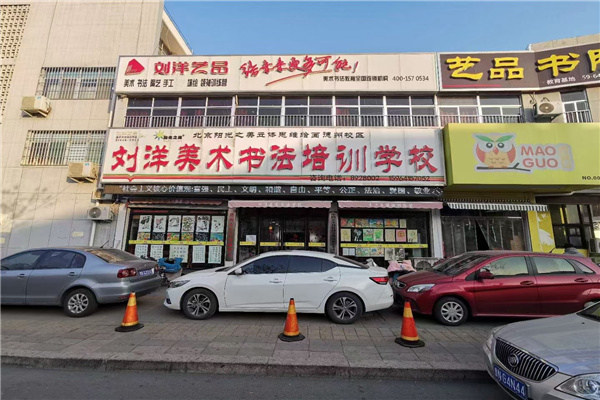
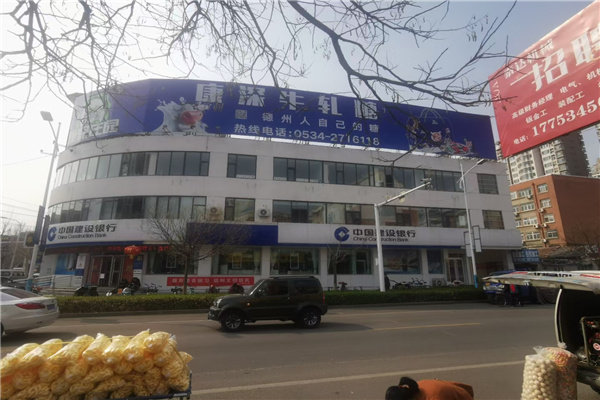
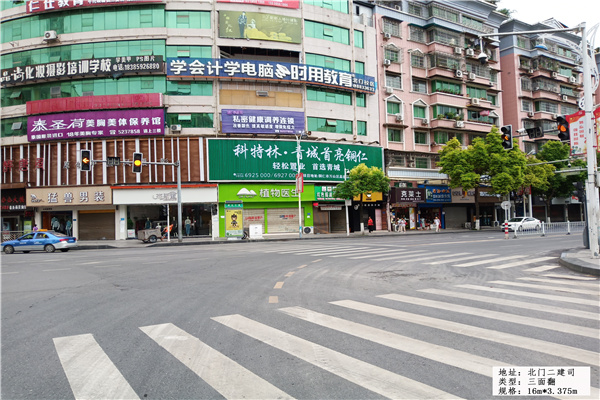
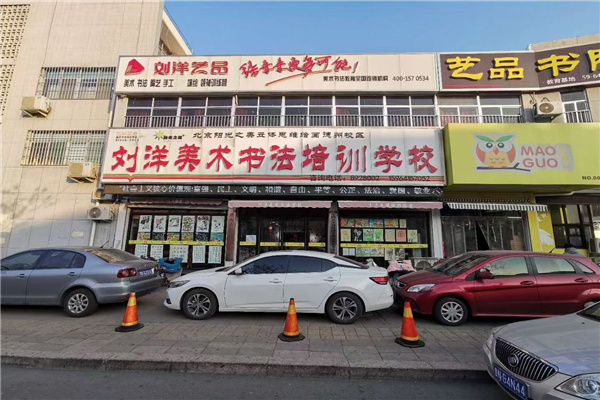
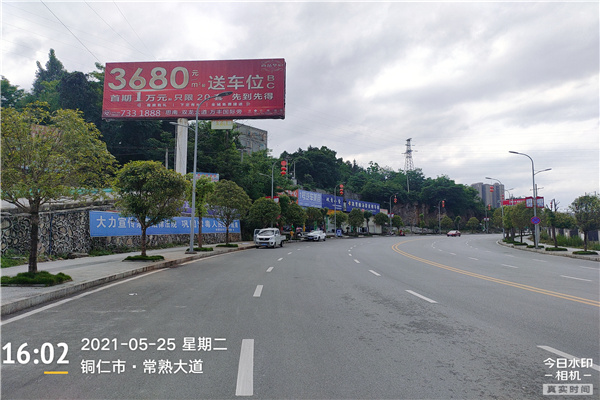
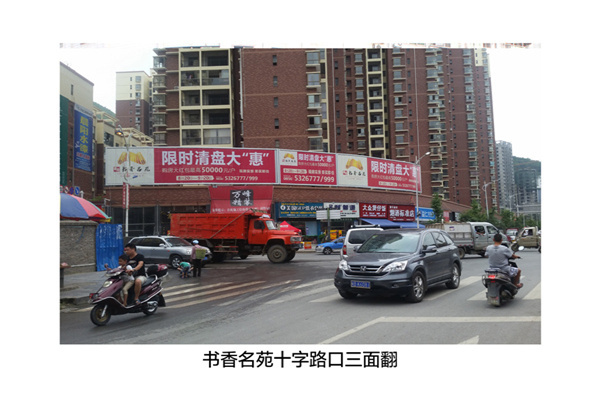
A general term for all outdoor media that convey information. The size of the media is determined by the actual environment.
Shopfront, canopy, and exterior facade graphics can be hand-painted, computer-generated, or printed on paper. The materials for the sign are typically made of square tubes, angle iron, and so on, welded together. Options include three-dimensional panels, light fabric, vacuum-formed plastics, automotive paint, clipboards, aluminum-plastic panels, and more.
Rule Editing
1. Downstream processes order products according to the exact quantity specified on the label.
Brand
Pack (2 pieces)
2. Production of products is conducted in accordance with the accurate quantities and sequence specified on the label.
No production or handling of products without seeing the label.
All parts and materials must be marked with the brand.
5. Never send defective or incorrectly counted products to the next production station.
6. Be very cautious when reducing the quantity of each brand to avoid issues of insufficient stock.
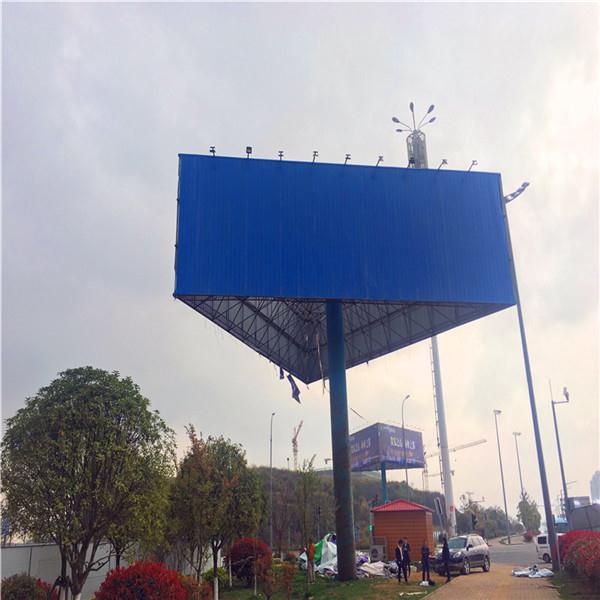
Brand Non-Destructive Testing Specific Products: Brand Safety Inspections, Ground Signposts, Billboard Signs, Single-Pole Signs, Wall Signs, Rooftop Sign Inspections, Highway Sign Inspections, Road Sign Inspections, Toll Booth Sign Inspections, etc. Brand Inspection Standards: CE148-2003 "Technical Code for Steel Structures of Outdoor Facilities", G205-2001 "Code for Quality Acceptance of Construction Quality of Steel Structures", G018-2002 "Technical Code for Cold-Formed Thin-Walled Steel Structures", G661-2011 "Code for Welding of Steel Structures", DB37/T487-2004 "Inspection Code for Outdoor Facilities", JGJ81-2002 "Technical Code for Welding of Building Steel Structures", JGJ82-91 "Design, Construction, and Acceptance Code for Bolted Connections of Steel Structures", DG/T J08-804-2005 "Standard for Structural Inspection and Evaluation of Existing Buildings". Inspection Basis: Design Requirements. Brand Non-Destructive Testing is one of the main forms of outdoor inspection in China. With the economic development and continuous improvement of urban construction and planning in China, outdoor brand non-destructive testing has also received more and more attention as a scenic feature in the city. Outdoor facilities, as a type of carrier, play a positive role in aspects such as product quality, corporate image, and cultural connotation promotion. Due to the nature of the structure and location of outdoor facilities, high requirements are placed on their quality, and there are frequent occurrences of damage or collapse of outdoor facilities in harsh environments, causing injuries to people and property losses. Types of Brand Non-Destructive Testing Included: Wall, Ground, Rooftop Signs. Content of Brand Non-Destructive Testing: 1. Horizontal and strength indicators of the foundation of the non-destructive testing sign. 2. Assembly and welding quality of the overall structure of the non-destructive testing sign. 3. Lightning protection, insulation, and corrosion resistance performance indicators of the non-destructive testing sign. 4. Review of documentation such as design, approval, installation, and raw materials for the non-destructive testing sign. 5. Impact on the surrounding environment after the non-destructive testing equipment is installed.
Safety testing is required for outdoor signs.
01 Basic Inspection
Basic inspections include:
Surface paint peeling and rusting on branded steel columns.
Foot bolt nut, nut tensioning with anchor rod, etc.
Paint chipping and rusting on the beam truss components
Brand's axle network dimensions
Steel column wall thickness and so on.
02 Material Inspection
Material testing includes:
Concrete column strength testing and steel structure performance testing.
The strength of concrete columns can be tested using the rebound method to determine if it meets the requirements of the "Outdoor Facilities Inspection Specification."
Structural steel performance testing includes strength, corrosion resistance, joint connections, tensile strength, and more.
When the tensile strength does not meet the requirements, additional sampling for tensile testing should be conducted. The supplementary tests should classify steel of the same specification from the same type of components into a batch, with 3 samples taken per batch.
High Altitude Installation Safety Tips
Workers engaged in high-altitude installation must have a certain level of operational experience, maintain good physical health, and should not frequently suffer from anemia, dizziness, or acrophobia. Regular health check-ups are required.
Preparation for High-Level Installation
1. High-altitude installations typically require scaffolding. Materials for the scaffolding must be inspected; do not use severely corroded materials. Wooden, bamboo, and metal piping must be sturdy.
2. All holes at high-altitude work sites must be covered with sturdy plates, fences, or safety nets.
3. All work that can be pre-assembled on the ground must be done so, to minimize high-altitude operations as much as possible.
Control operation method prevention
To prevent falling accidents, it is best to avoid high-altitude operations where possible, opting for installations at ground level instead.
For projects not involving high-altitude work, appropriate measures should also be taken. Strengthen the review and approval process for scaffolding installation plans, as well as the inspection and acceptance after the installation.
2. Employees working at heights are prohibited from wearing high heels, hard-soled shoes, slippers, or any other slippery footwear while on duty or after drinking. Workers in elevated positions should be mindful of their body balance and the way they exert force to prevent accidents caused by losing their balance over the support surface.
WeChat Official Account

Scan to follow Official Account












