


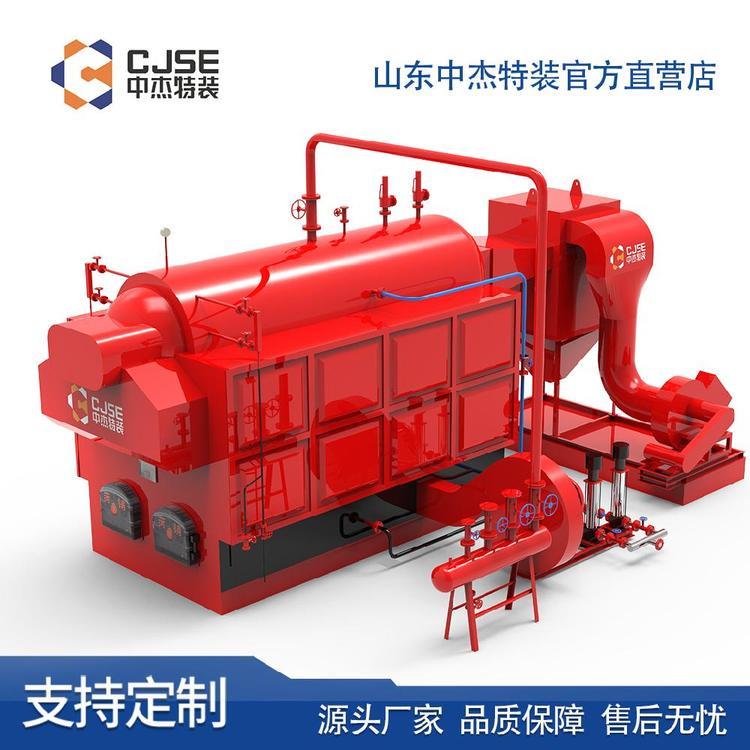

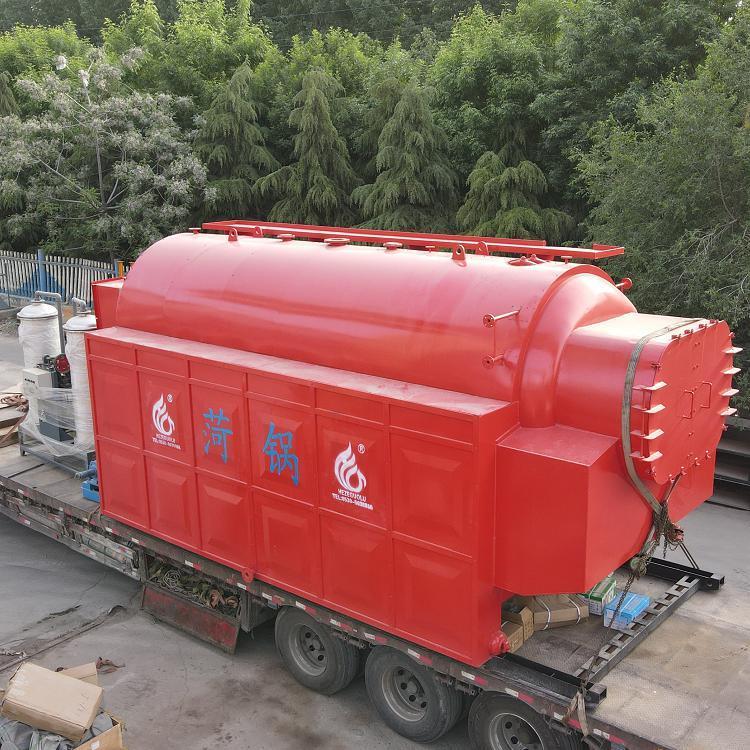
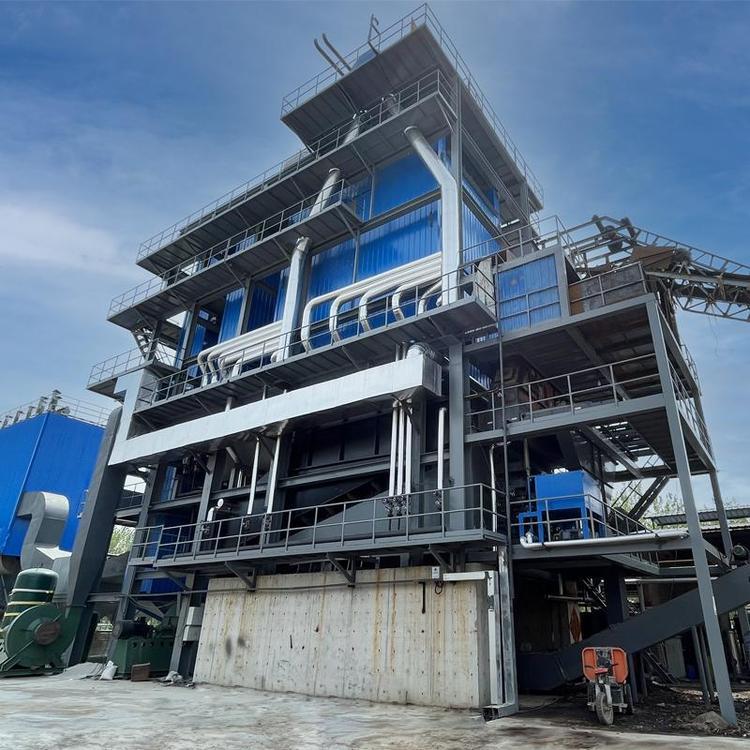


















Shandong Zhongjie Special Equipment's main products include: fuel (gas) boilers, organic heat carrier boilers, biomass boilers, waste heat boilers, and other boiler products; vacuum insulation cryogenic pressure vessels such as LNG tanks, oxygen-nitrogen-argon tanks, and CO2 tanks; pressure vessel products such as denitrification engineering equipment, heat storage and energy storage equipment, and complete chemical equipment; central air conditioning and ventilation equipment such as ground (water) source heat pumps, air source units, water-cooled screw units, and air-cooled modular units. Planned products include large-scale energy centers, LNG transport vehicles, LNG tank containers, and other green energy equipment.
To prevent and mitigate corrosion issues in biomass boilers, the following methods can be adopted:
Regular cleaning and maintenance: Regularly clean the accumulated dust and dirt inside the boiler to keep it clean. During the cleaning process, use appropriate cleaning agents and tools to remove internal dirt from the boiler, preventing corrosion.
Regulate Water Quality: The quality of water in biomass boilers significantly affects corrosion. Regularly test and adjust the chemical composition of the boiler water to maintain the pH level, hardness, and oxygen content within appropriate ranges. Water treatment equipment, such as water softeners and deaerators, can be used to improve water quality.
Prevent Oxygen Corrosion: Oxygen corrosion is one of the common forms of corrosion in biomass boilers. It can be reduced by installing an oxygen scavenger in the boiler's feed water pipes to remove oxygen from the water, thereby minimizing oxygen corrosion. Additionally, corrosion inhibitors and other chemical measures can be employed to prevent oxygen corrosion.
Controlling the Combustion Process: High temperatures during combustion and acidic substances in the flue gas can also cause corrosion. To control the combustion process, ensure the combustion temperature and acidic substances in the flue gas are within the appropriate range. This can be achieved by adjusting the air flow rate, fuel supply, and fuel distribution.
Prevent Local Corrosion: Certain parts of boilers, such as the furnace and flue, are prone to corrosion. Reinforcement or protective coatings using corrosion-resistant materials can be applied to these areas, extending their service life.
Regular Inspections and Maintenance: Regularly inspect and maintain biomass boilers to promptly identify and address corrosion issues. You may entrust maintenance personnel to conduct routine checks and maintenance tasks.
Biomass boiler combustion offers the following energy-saving features compared to traditional fuel boilers:
Combustion: The combustion technology and design of biomass boilers enable the combustion of biomass fuel. Compared to traditional fuel boilers, biomass boilers have higher combustion efficiency, allowing for more complete utilization of the fuel's energy and reducing energy waste.
Heat Recovery Utilization: Biomass boilers are equipped with a heat recovery system, which can use the excess heat generated by combustion for heating systems, enhancing energy efficiency. In traditional fuel boilers, flue gas heat is often wasted, but biomass boilers can recover and utilize the heat energy from flue gases, reducing energy waste.
Utilization of Renewable Energy: Biomass boilers use renewable biomass fuels such as wood chips, straw, and discarded crops, reducing dependence on finite fossil fuel resources. Compared to traditional fuel boilers, biomass boilers have a more sustainable fuel source, enabling the sustainable use of energy.
Carbon Emission Reduction: The combustion of biomass fuel results in lower carbon emissions compared to traditional fuel boilers, thus reducing carbon emissions from biomass boilers. Utilizing biomass boilers can decrease greenhouse gas emissions and be more environmentally friendly.
Waste Utilization: Biomass boilers can use agricultural straw, wood waste, and other agroforestry by-products as fuel, effectively utilizing waste resources and reducing resource waste. Compared to traditional fuel boilers, biomass boilers have a more diverse fuel source and can achieve effective utilization of waste.
When planning and arranging the bag filter for biomass boiler, the following aspects should be considered:
Baghouse location: The baghouse should be positioned near the biomass boiler flue gas outlet to effectively capture particulates in the flue gas. Additionally, the location of the baghouse should be convenient for operation and maintenance, ensuring ease in cleaning and replacing filter bags.
Arrangement of smoke进出口: The smoke进出口 of the bag dust collector should be connected to the flue gas pipeline of the biomass boiler to ensure smooth entry and exit of the smoke from the dust collector. The arrangement of the进出口 should consider the uniformity of smoke flow and minimize resistance to enhance the dust removal effect and operating efficiency of the system.
Baghouse dust collector dimensions and capacity: Determine the dimensions and capacity of the baghouse based on the biomass boiler's flue gas flow rate and particulate load. Ensure the baghouse meets the flue gas treatment requirements and achieves the expected dust removal effect.
Bag filter arrangement and selection: The filter bag is a core component of the bag dust collector. The appropriate filter bag material and specification should be chosen based on the characteristics of the flue gas and the nature of the particulate matter. The arrangement of the filter bags should be reasonable to ensure that the flue gas can pass through the filter bags evenly, maximizing the capture of particulate matter.
Dust removal system layout: Bag filters require regular cleaning to maintain the cleanliness of the filter bags and the dust removal effect. The layout of the dust removal system should be user-friendly and easy to maintain, ensuring the effectiveness and efficiency of the cleaning process.
Arrangement of exhaust pipes: After the bag dust collector treats the flue gas, it needs to be emitted into the atmosphere. The arrangement of the exhaust pipes should ensure the safety and compliance of the flue gas emissions.
When planning and arranging biomass boiler bag dust collectors, it is recommended to collaborate with environmental engineers or equipment suppliers, design and construct based on specific conditions, to ensure the operation and environmental protection effect of the dust removal system.
Brief steps for biomass boiler drying oven:
Prepare fuel: Select appropriate biomass fuel, such as wood chips, straw, etc., and conduct pre-treatment like drying and sieving to ensure the quality of the fuel and its suitability for the furnace.
Ignition and ignition adjustment: Place the fuel into the combustion chamber of the biomass boiler, ignite, and make adjustments to the ignition. Adjust parameters such as the oxygen supply, fuel supply, and combustion temperature in the combustion chamber to ensure stable combustion.
Heating and Temperature Control: As the fuel burns, biomass boilers produce high-temperature flue gases, which transfer heat to the drying kiln through a heat exchanger. During the heating process, it is necessary to control the temperature of the drying kiln to ensure that the material inside receives adequate heating.
Furnace Operation and Monitoring: During the furnace heating process, operation and monitoring of the furnace are necessary. Operations involve controlling fuel supply, heat transfer, and the movement of materials inside the furnace. Monitoring includes parameters such as furnace temperature, pressure, and combustion efficiency to ensure normal operation and safety.
Furnace Completion and Cleaning: Once the furnace heating is complete or the desired effect is achieved, stop fuel supply and heating, and proceed with the furnace completion procedures. After completion, it is necessary to clean the furnace and biomass boiler, including the combustion chamber and flue.
ZJ Special Equipment adheres to the grand vision of "realizing employees' dreams, creating customer value, and striving for the prosperity and strength of our motherland," focusing on the development of green energy equipment. We dedicate high-value products and services to society!
WeChat Official Account

Scan to follow Official Account



















