




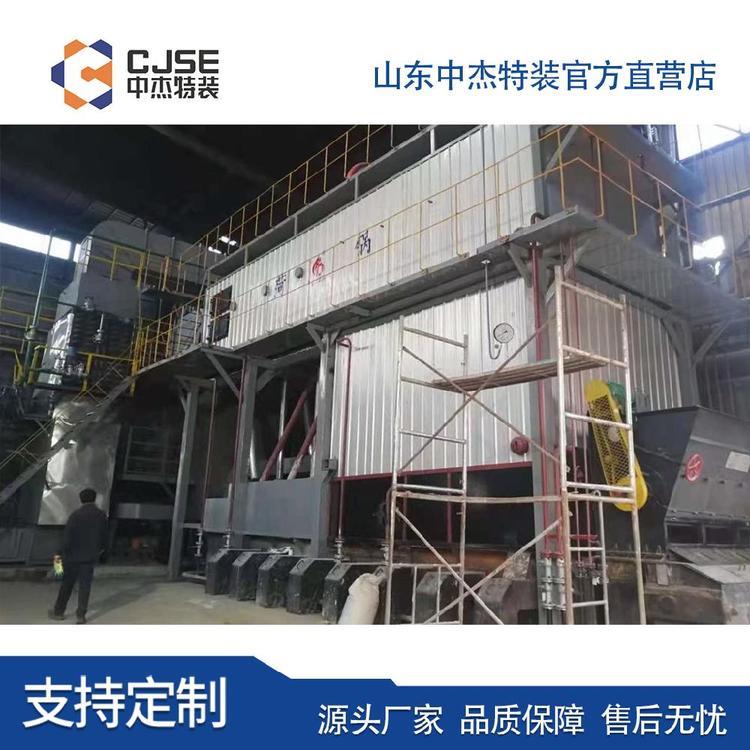
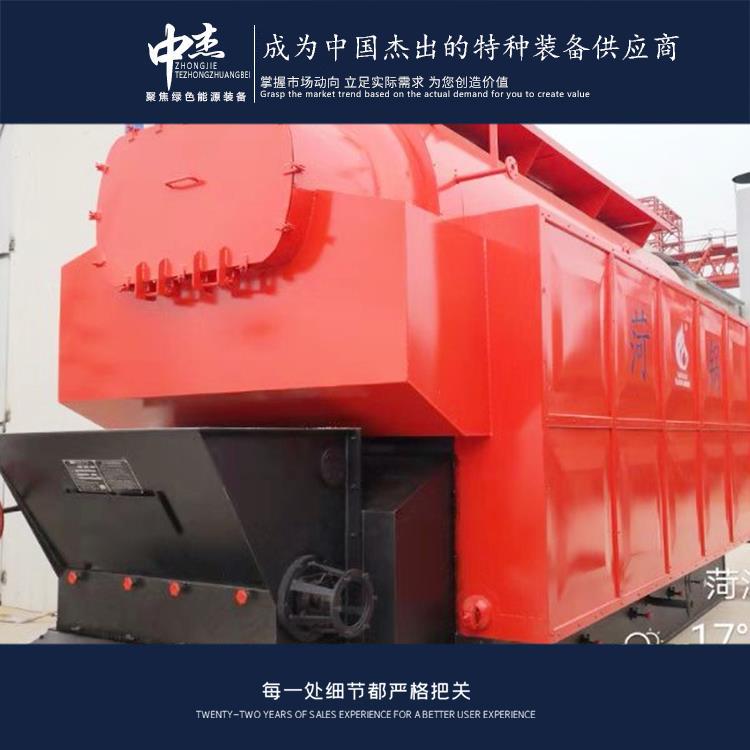

















Shandong Zhongjie Special Equipment (formerly Heze Boiler Factory Co., Ltd.) holds an A-grade boiler manufacturing license, A2-grade pressure vessel manufacturing license, A2-grade pressure vessel design license, B-grade boiler installation, and GB2/Class, GC2/Class pressure pipeline installation licenses, as well as mechanical and electrical equipment installation contracting qualifications. It is a member of the China Boiler and Water Treatment Association, the China Chemical Equipment Association, and a director unit of the Shandong Equipment Manufacturing Association. The company has also passed the ISO9001 Quality Management System, ISO14001 Environmental Management System, OHSAS18001 Occupational Health and Safety Management System certifications, and the U.S. ASME/U2 certification.
When selecting an appropriate atmospheric pressure hot water boiler, consider the following factors:
Heating Area: First, the size of the heating area to be covered needs to be determined, which will decide the heat power of the required hot water boiler. Generally speaking, the larger the heating area, the greater the required heat power.
Thermal Load Calculation: Conduct a thermal load calculation, taking into account the insulation performance of the heating area, indoor temperature requirements, and external climatic conditions, to determine the required thermal power. You may request a thermal load calculation to ensure the selected hot water boiler meets the heating needs.
Fuel Type: Atmospheric pressure hot water boilers can use various fuels such as gas, coal, etc. Choose the appropriate fuel type based on local fuel supply and cost considerations.
Boiler Efficiency: Focus on the energy efficiency of hot water boilers and choose products with higher efficiency. High-efficiency hot water boilers can provide superior heating performance while reducing energy consumption and operational costs.
Boilers and Quality: Select hot water boilers produced by reputable manufacturers to ensure reliable product quality and comprehensive after-sales service.
Safety and Environmental Protection: Focus on the safety and environmental performance of hot water boilers, selecting products with safety protection devices and low emissions.
Budget Considerations: Select a suitable hot water boiler based on budget constraints. Consider not only the purchase cost but also the subsequent operation and maintenance costs.
Considering the above factors, an appropriate atmospheric pressure hot water boiler can be selected to meet heating needs, while achieving good performance in terms of energy efficiency, safety, and environmental protection. It is recommended to consult experts or hot water boiler professionals during the selection process.
Energy-saving and emission-reduction in biomass hot water boilers can be achieved through the following aspects:
Fuel Selection: Opt for biomass fuels in bulk, such as wood chips and straw, ensuring the moisture content and particle size meet the boiler's requirements. Low moisture content and appropriate particle size in the fuel can enhance combustion efficiency and reduce energy waste.
Combustion Optimization: Enhance combustion efficiency by optimizing the combustion process. Adjust parameters such as combustion temperature and duration to achieve more complete combustion and reduce fuel waste.
Reclaimed Heat Utilization: Utilize waste heat from flue gas for energy recovery. By installing a flue gas waste heat recovery unit, reclaim and utilize the remaining heat in flue gas for other heating needs, such as heating and hot water, to enhance energy efficiency.
Boiler Insulation: Enhance the insulation of the boiler to reduce heat loss. Insulate the boiler's shell and pipes to minimize heat dissipation and improve the boiler's thermal efficiency.
Control System Optimization: Optimize the boiler's control system to achieve precise temperature and pressure control. Through rational control strategies, reduce energy waste and enhance the operational efficiency of the boiler.
Regular Maintenance: Perform regular maintenance on biomass hot water boilers to ensure normal operation. Clean the combustion chamber, heat exchangers, and other components, inspect and replace worn parts, to guarantee the boiler's performance.
Energy Management: Establish a scientific energy management system, monitor and analyze energy consumption, and formulate reasonable energy-saving measures. Continuously optimize the operation of boilers through energy management methods to achieve energy-saving goals.
Biomass boilers possess certain characteristics that give them an advantage in energy conservation and environmental protection:
Renewable Energy: The fuel used in biomass boilers is renewable, such as wood chips, straw, waste, etc. Compared to fossil fuels, the use of biomass fuel can reduce dependence on limited resources and lower energy consumption.
Low carbon emissions: The amount of carbon dioxide released during the combustion of biomass fuel is roughly equivalent to the amount absorbed during its growth, creating a closed carbon cycle. Compared to the combustion of fossil fuels, biomass boilers emit less carbon, contributing to the reduction of greenhouse gas emissions.
Combustion: The biomass boiler utilizes advanced combustion and control technologies to ensure efficient combustion. By optimizing the combustion process, it enhances thermal energy utilization and minimizes energy waste.
Waste Utilization: Biomass boilers can use waste materials as fuel, such as crop straw and wood waste.
The brief steps for biomass boiler drying oven are as follows:
Prepare fuel: Select suitable biomass fuel such as wood chips, straw, etc., and perform necessary pre-treatment like drying and crushing to enhance combustion efficiency.
Ignition: Place the fuel into the combustion chamber and ignite to start the combustion process. A spark lighter or other suitable tools can be used for ignition.
Control the combustion process: Adjust the oxygen supply and fuel feed during combustion as needed to control the combustion temperature and thermal energy output. This can be achieved by adjusting the burner's switch, control panel, or automatic control system.
Oven Operation: Place the items to be baked into the oven according to specific baking requirements and ensure even heating. Depending on the oven design and requirements, appropriate measures can be taken, such as adjusting the combustion chamber temperature and flue ventilation, to achieve optimal baking results.
Monitoring and Adjustment: During the furnace process, it is necessary to monitor the combustion state, heat output, and furnace effect. Adjust the combustion parameters and operational methods promptly based on the actual conditions to ensure the stable operation of the furnace and achieve the required furnace effect.
Shut down and Clean: After the furnace operation is completed, stop the fuel supply and wait for the combustion chamber to cool down. Once the combustion chamber is fully cooled, proceed with the cleaning and maintenance of the furnace chamber, removing the ash and dirt generated during the combustion process.
Above are the brief steps for the biomass boiler drying process. The specific operation procedures and precautions should be based on the boiler model, drying requirements, and the manufacturer's instructions. During the operation process,
Zhong Jie Special Equipment adheres to the great vision of "realizing employees' dreams, creating customer value, and striving for the prosperity and strength of our motherland," wholeheartedly devoting itself to the development of green energy equipment. We offer the society products and services with high cost-performance!
WeChat Official Account

Scan to follow Official Account



















