


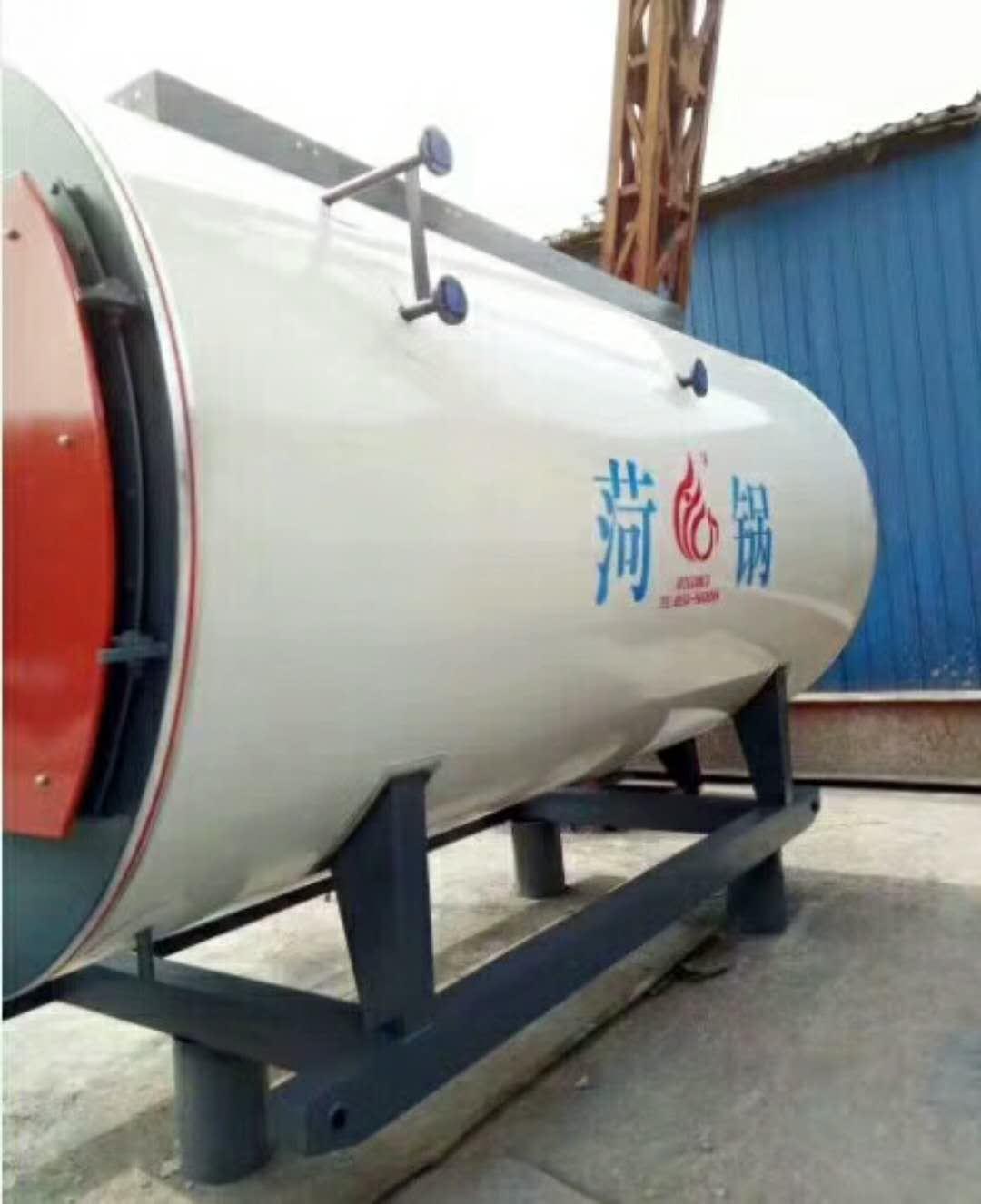

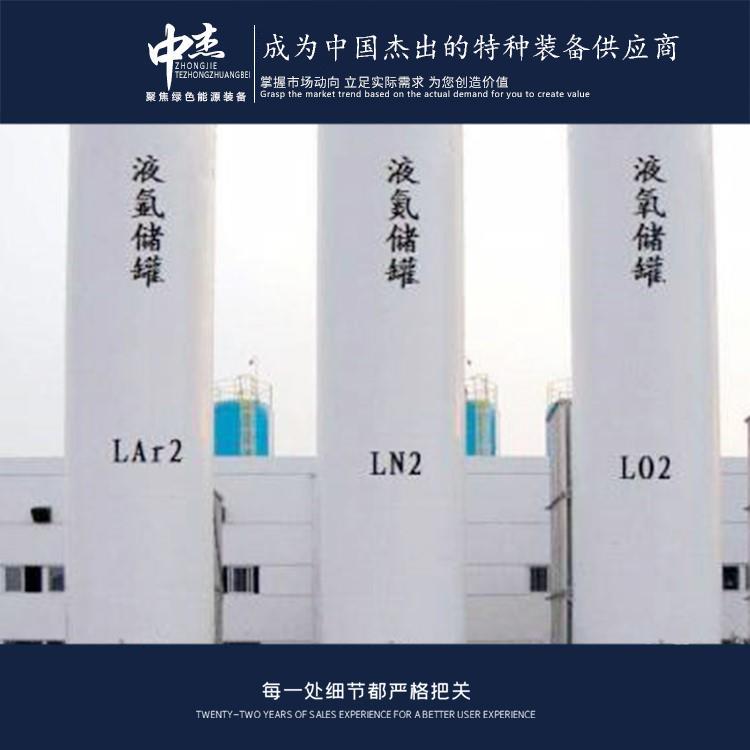


















Shandong Zhongjie Special Equipment (formerly Heze Boiler Factory Co., Ltd.) was established in 2001, located at No. 2218 Jinnan Road, Economic and Technological Development Zone, Heze City. With a registered capital of 50 million yuan and total assets of 500 million yuan, the company has seven business centers: boilers, deep-freezing containers, pressure vessels, central air conditioning, engineering installation, international trade, and the Internet of Things. It has three factory sites on Jinnan Road, East Changjiang Road, and Bohai Road, covering a total of 200,000 square meters. The main workshop spans 83,000 square meters. Currently, there are 710 employees, including 247 engineering and technical personnel and 82 middle-level technical personnel. In December 2016, it was recognized as a "High-Tech Enterprise" by the Science and Technology Department. In June 2021, it was identified as a "Specialized and New Enterprise in Shandong Province" by the Ministry of Industry and Information Technology. In June 2022, it was recognized as a "Gazelle Enterprise in Shandong Province." In August 2022, it was identified as a "Specialized and New Small Giant Enterprise" by the Ministry of Industry and Information Technology.
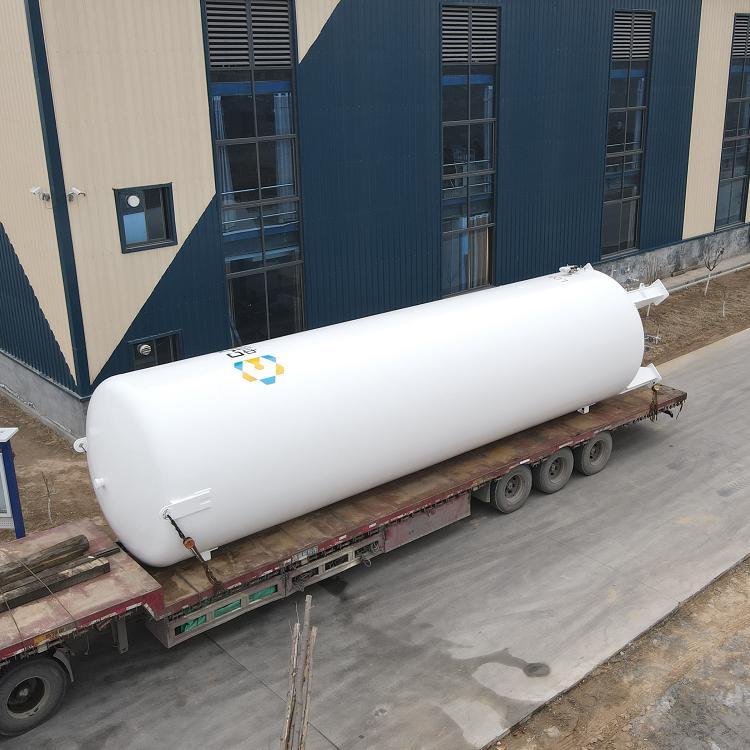
Liquid oxygen storage tanks are used for storing and supplying liquid oxygen as fuel and oxidizer, playing a crucial role in launch propulsion systems and more. Industrial Production: Liquid oxygen is used as an oxidizer in industrial production for processes such as combustion, oxidation, and oxygen supply. Liquid oxygen storage tanks are used to store and supply liquid oxygen to meet the needs of industrial applications like metal cutting, welding, and chemical reactions. Equipment: Liquid oxygen storage tanks are used to supply oxygen for applications such as oxygen therapy, oxygen inhalation, and operating rooms. These tanks provide high-purity oxygen while maintaining a low temperature to meet the equipment's oxygen requirements. Laboratory Research: Liquid oxygen storage tanks are used in scientific research and laboratories to provide liquid oxygen as experimental materials and reagents. The low temperature and high purity of liquid oxygen make it widely applicable in laboratories for fields such as materials science, chemical reactions, and biomedical research. In summary, liquid oxygen storage tanks are vital in various fields including industrial production, equipment, and laboratory research, providing storage and supply functions for liquid oxygen at the application sites.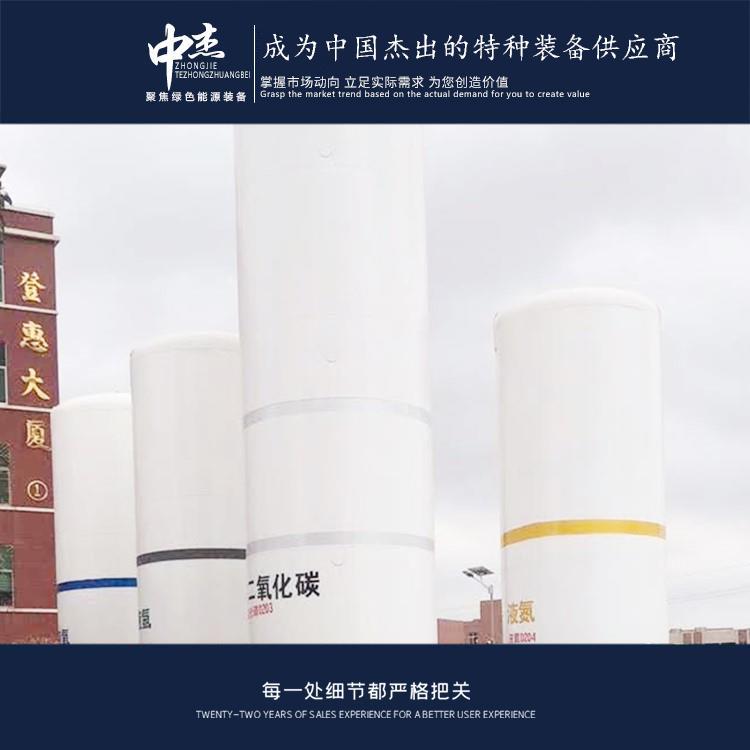
Liquid Argon Storage Tanks are specialized equipment designed for storing liquid argon, featuring the following parameters, functions, and characteristics:
Parameters:
Tank Capacity: The capacity of liquid argon tanks can be customized to meet requirements, with various sizes available such as 500L, 1000L, 2000L, and so on.
Working Pressure: The working pressure of liquid argon tanks is typically at atmospheric pressure or slightly above atmospheric pressure.
Storage Temperature: The storage temperature for liquid argon tanks is typically -196 degrees Celsius, which is the boiling point of argon, maintaining its liquid state.
Feature:
Store Liquid Argon: Liquid argon tanks are primarily used for storing liquid argon, maintaining its liquid state at low temperatures for supply and usage.
Insulation: The liquid argon storage tank utilizes insulation materials and structural design to minimize heat conduction and retention, maintaining the low-temperature state of liquid argon.
Safety Control: The liquid argon storage tank is equipped with safety devices such as pressure relief valves and level alarms to ensure safe operation and use.
Features:
High Purity Supply: Liquid argon tanks provide high purity liquid argon for various applications, including cryogenic storage, gas shielded welding, and semiconductor manufacturing.
Long-term Storage: Liquid argon tanks are designed for long-term storage of liquid argon, extending their service life. By controlling the tank's internal temperature and the performance of the insulation layer, the evaporation and oxidation of liquid argon are slowed down.
Versatile Applications: Liquid Argon Storage Tanks are widely used in various fields such as industry, scientific research, including cryogenic and semiconductor manufacturing.
Environmental Protection & Energy Conservation: Liquid argon storage tanks enable efficient storage and utilization of liquid argon, reducing energy waste and environmental pollution.
In summary, liquid argon tanks are designed for storing liquid argon, thermal insulation, and safety.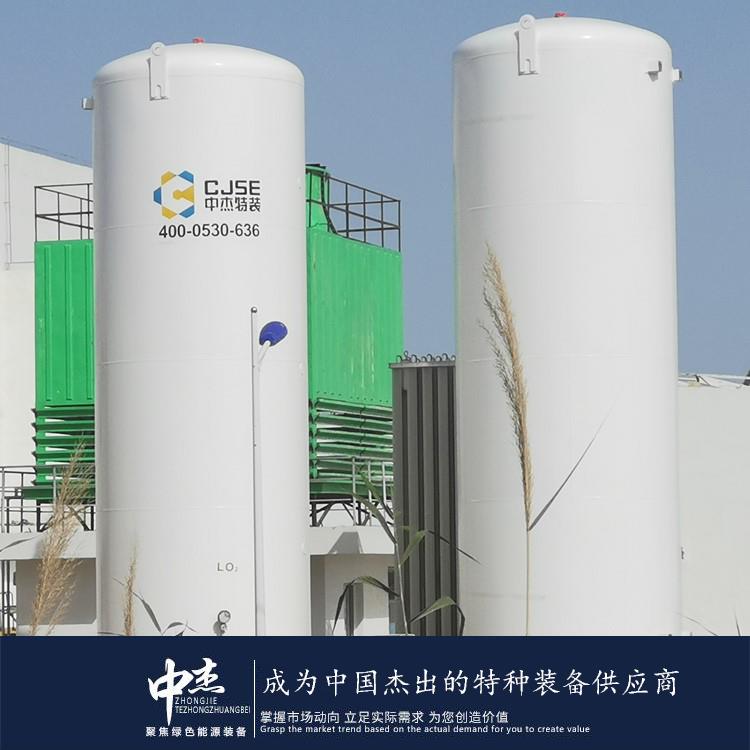
Before cooling the liquid oxygen tank, the following prerequisites must be met:
Clean Vessels: Ensure the interior of the tank is clean, free of impurities and contaminants. The tank should be properly cleaned and flushed to maintain its cleanliness.
Emptying and Exhausting: Remove gas from the tank and exhaust it through the exhaust system to reduce the gas content inside the tank. This helps minimize interference of the gas on the cooling process.
Safety Precautions: Necessary safety measures must be taken before cooling the liquid oxygen tank. Liquid oxygen is highly flammable and has low-temperature characteristics. Operators should wear appropriate protective suits, gloves, and other personal protective equipment to ensure safe operation.
Temperature Control: During the cooling process of the liquid oxygen storage tank, it is necessary to control the temperature of the tank. Typically, low-temperature mediums such as liquid nitrogen are used to cool the tank, ensuring that the temperature of the tank gradually drops below the boiling point of liquid oxygen.
Insulation and Heat Retention: Liquid oxygen storage tanks commonly feature double or multi-layered structures with insulation material in between to minimize heat transfer and reduce evaporation of liquid oxygen. Ensuring the integrity and excellent insulating properties of the insulation layer enhances the cooling efficiency of the tank.
Under the aforementioned preconditions, the cooling operation of the liquid oxygen tank may proceed. The cooling process must be strictly adhered to the relevant safety regulations and operational guidelines to ensure the safe operation and use of the tank.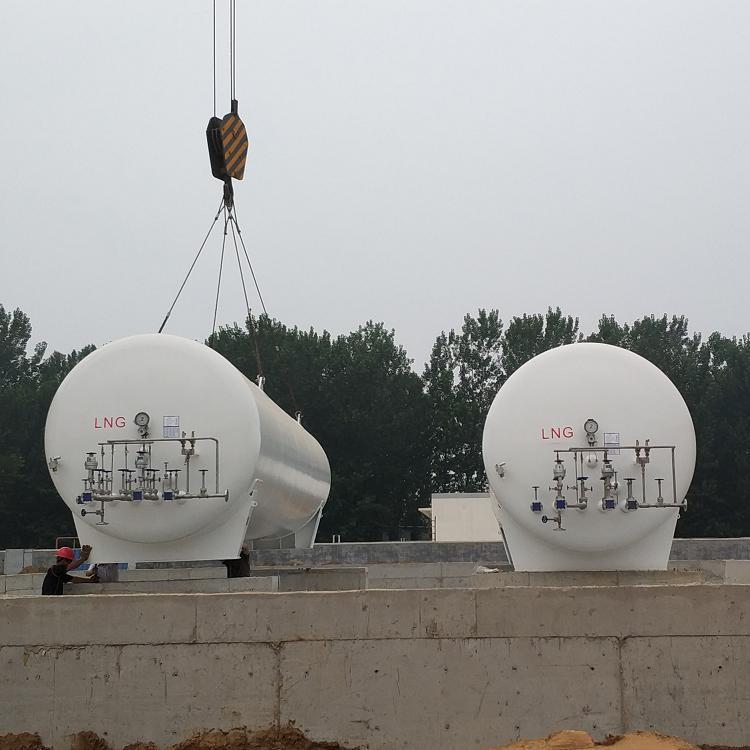
The safety distance between liquid oxygen tanks and structures is typically dictated by relevant safety standards and regulations to ensure proper distance and fire separation between the tank and structures. Below is a reference for the general safety distance between liquid oxygen tanks and structures:
Horizontal Clearance: The horizontal clearance between the liquid oxygen storage tank and the building is typically required to maintain a certain distance to prevent any danger to the building in case of tank leakage or accidents. The specific clearance distance should be determined based on factors such as the tank's capacity, pressure, and the nature of the building, with a general recommendation to maintain a safe distance.
Vertical spacing: The vertical spacing between the liquid oxygen tank and the building must also meet the relevant safety requirements. This is to prevent any danger to the building in case of tank leakage or accidents. Specific spacing requirements will be determined based on factors such as the tank's capacity, pressure, and the height of the building, with a general recommendation to maintain a safe distance.
Fire-Safe Distance: Liquid oxygen has a high oxygen content and flammability, and in the event of a leak or accident, it may cause a fire. Therefore, a certain fire-safe distance must be maintained between liquid oxygen storage tanks and buildings to ensure that the fire does not spread or pose a danger to the structures. Specific fire-safe distance requirements
Shandong Zhongjie Special Equipment, welcome customers to visit our factory for business discussions.
WeChat Official Account

Scan to follow Official Account



















