


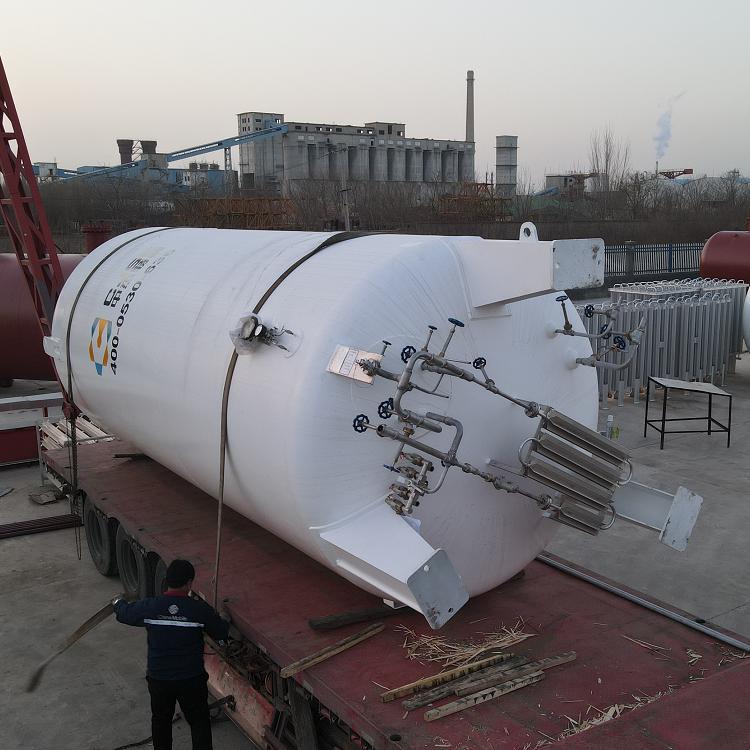

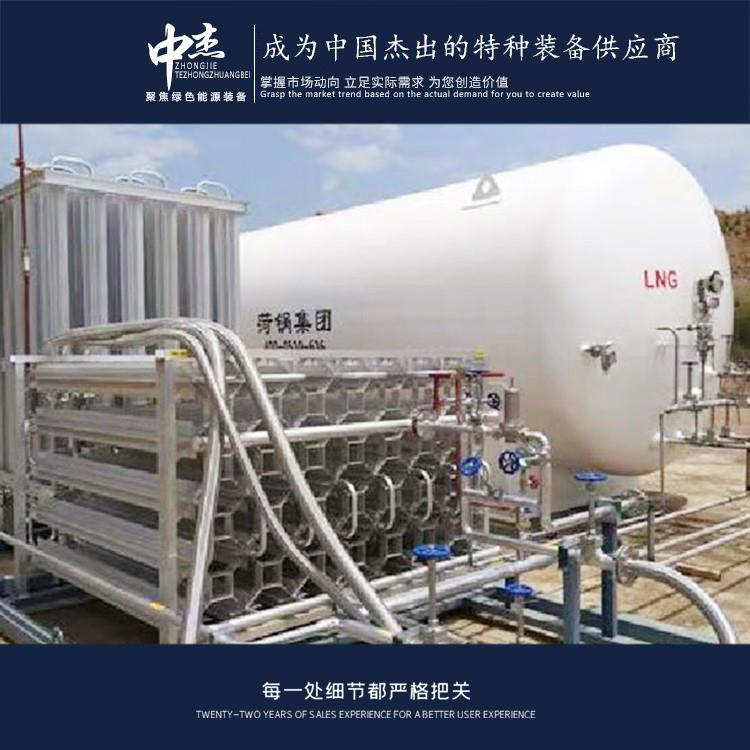


















Shandong Zhongjie Special Equipment (formerly Heze Boiler Factory Co., Ltd.) was established in 2001, located at No. 2218 Jinnan Road, Development Zone, Heze City, with a registered capital of 50 million yuan and total assets of 500 million yuan. The company has 7 business centers: boilers, deep-freezing containers, pressure vessels, central air conditioning, engineering installation, international trade, and the Internet of Things. It has three factory sites on Jinnan Road, East Changjiang Road, and Bohai Road, covering a total of 200,000 square meters, with the main workshop spanning 83,000 square meters. It currently employs 710 people, including 247 engineering and technical staff and 82 intermediate-level technicians. In December 2016, it was recognized as a "High-tech Enterprise" by the Science and Technology Department. In June 2021, it was identified as a "Specialized and New Enterprise in Shandong Province" by the Ministry of Industry and Information Technology. In June 2022, it was named a "Gazelle Enterprise in Shandong Province" and in August 2022, it was recognized as a "Specialized and New Small Giant Enterprise" by the Ministry of Industry and Information Technology.
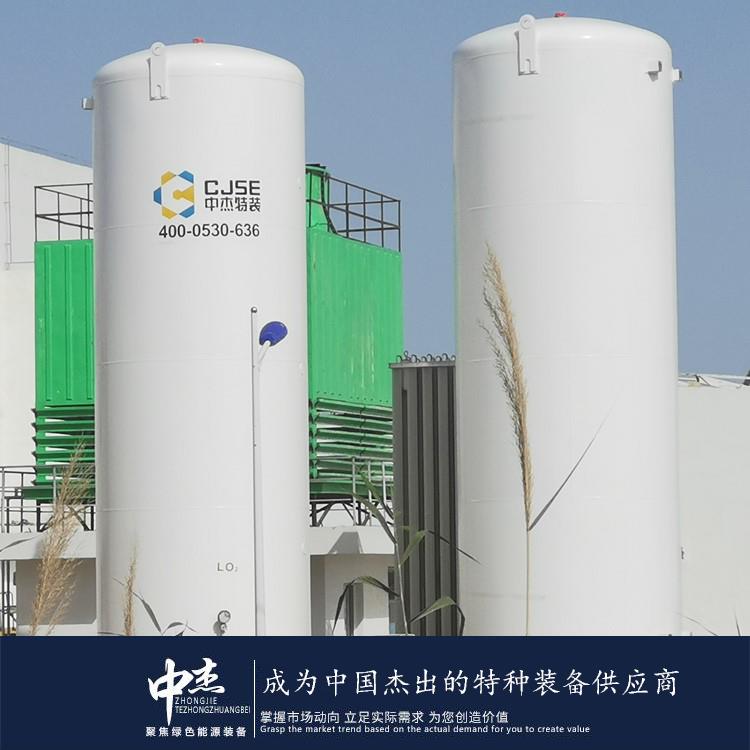
Liquid oxygen tanks are used for storing and supplying liquid oxygen as fuel and an oxidizing agent. They play a crucial role in launch propulsion systems and similar applications. Industrial Production: Liquid oxygen is used as an oxidizing agent in industrial production for processes such as combustion, oxidation, and oxygen supply. Liquid oxygen tanks are employed to store and supply liquid oxygen to meet the demands of industrial processes like metal cutting, welding, and chemical reactions. Equipment: Liquid oxygen tanks are used in equipment to supply oxygen for applications such as oxygen therapy, oxygen inhalation, and operating rooms. These tanks provide high-purity oxygen while maintaining low temperatures to meet the oxygen requirements of the equipment. Laboratory Research: Liquid oxygen tanks are used in scientific research and laboratories to provide liquid oxygen as experimental materials and reagents. The low temperature and high purity of liquid oxygen make it widely applicable in laboratories for fields such as materials science, chemical reactions, and biomedical research. In summary, liquid oxygen tanks are essential in various fields, including industrial production, equipment, and laboratory research, providing storage and supply functions for liquid oxygen at the application sites.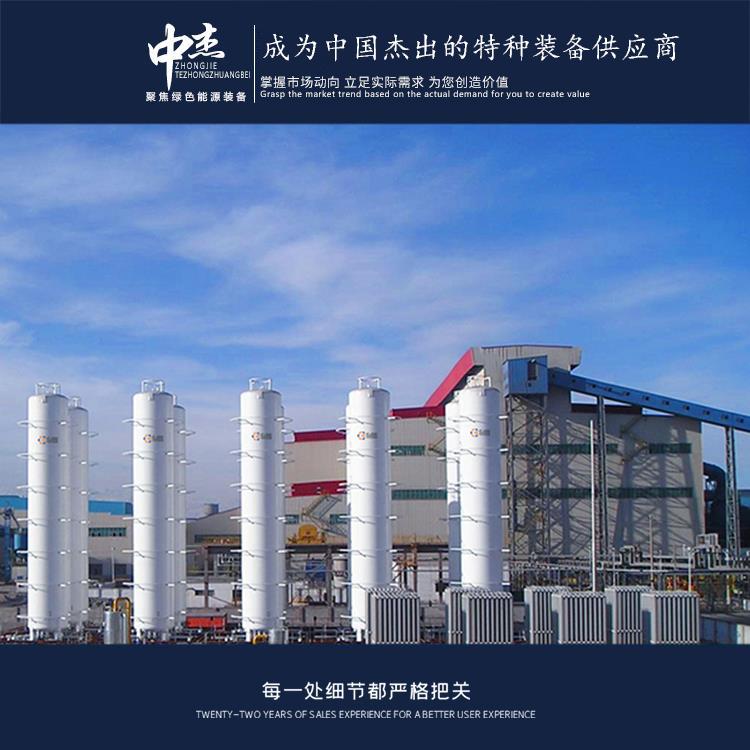
When cleaning a low-temperature liquid storage tank, the following steps should be taken:
Safety Preparations: Prior to cleaning, ensure there are no remaining liquids or gases in the tank, and that the tank has been emptied and vented. Wear appropriate personal protective equipment, such as protective suits, gloves, and safety shoes.
Cleaner Selection: Choose a cleaner suitable for low-temperature environments and liquid storage tank materials. Common cleaners include acidic and alkaline solutions, organic solvents, or specialized cleaners. Select the appropriate cleaner based on the tank material and the nature of the contaminants.
Washing Process: Inject the cleaning agent into the tank and use appropriate tools (such as sprayers, brushes, or high-pressure water) to clean the interior walls of the tank. Wash as many times as necessary to ensure all contaminants are removed.
Washing and Discharging: After cleaning, rinse with clean water or an appropriate solvent to remove cleaning agents and residues. Ensure the tank is dry and discharge the rinse water into an appropriate treatment system.
Inspection and Verification: After cleaning, inspect the tank to ensure no residual contaminants remain inside. Appropriate testing equipment or methods, such as optical inspection, chemical analysis, or ultrasonic testing, can be used to verify the cleaning effectiveness.
It's important to follow relevant safety regulations and operating guidelines when cleaning low-temperature liquid storage tanks. These tanks typically have high flammability and low-temperature properties, so operators must strictly adhere to safety procedures to ensure the safety of personnel and equipment. During cleaning, attention should be given to prevent leaks of cleaning agents and contaminants, and appropriate measures should be taken for handling and disposal.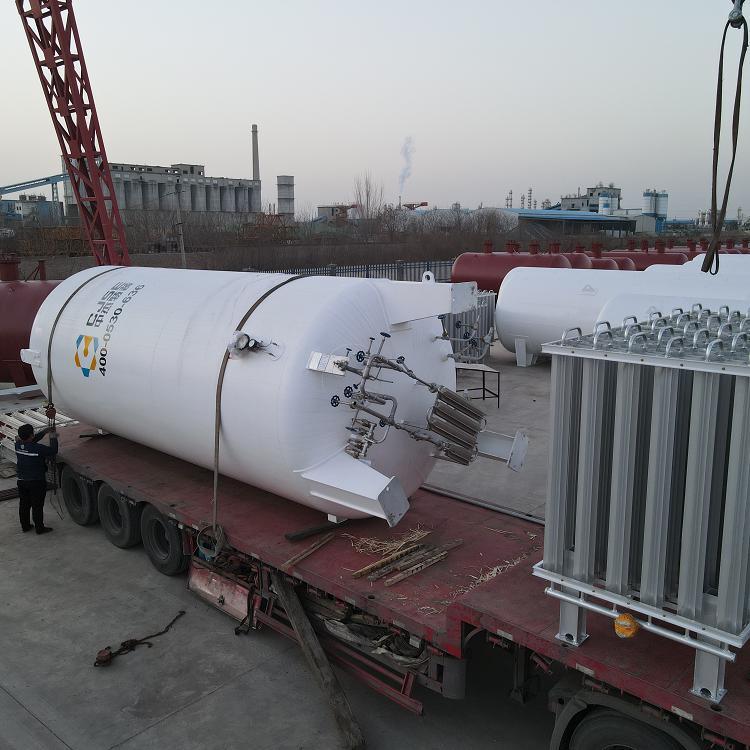
During the operation of low-temperature storage tanks, it is indeed necessary to avoid the occurrence of wrinkling. Wrinkling refers to the phenomenon where the tank walls develop creases or deformations, which may lead to a decrease in the structural strength of the tank and could even cause leaks or ruptures.
Here are some precautions to avoid tank squeezing in low-temperature storage:
Tank Design: Select an appropriate tank design that can withstand the pressure and weight of low-temperature liquids. The tank's wall thickness, support structure, etc., should comply with relevant standards and regulations.
Material Selection: Choose materials suitable for low-temperature environments, with sufficient strength and low-temperature resistance. Common materials include low-temperature steel, stainless steel, etc.
Insulation Layer for Storage Tanks: The design and construction of the insulation layer must meet the requirements to ensure effective reduction of heat conduction and temperature variations. The material and thickness of the insulation layer should be selected based on specific conditions.
Tank Operation: During the loading and unloading of liquids in the tank, it is essential to avoid rapid or excessive flow rates to minimize impact and stress concentration on the tank walls.
Tank Maintenance: Regularly inspect and maintain the structure and insulation of the storage tank to ensure its integrity. Promptly repair or replace any abnormalities or damages found.
Temperature Control: During the operation of low-temperature liquid storage tanks, it is crucial to strictly control the temperature difference between the inside and outside of the tank to avoid excessive temperature changes and thermal stress.
In summary, preventing tank deformation in low-temperature storage relies on proper design, material selection, insulation installation and maintenance, as well as strictly controlling temperature variations. Regular inspections and maintenance are also crucial for ensuring the safe operation of storage tanks.
Maintenance and care are crucial for ensuring the safety of low-temperature storage tanks. Here are some common maintenance measures:
Regular Inspections: Conduct regular inspections of low-temperature storage tanks, including checks of the exterior, internal structure, and anti-corrosion coatings. Look for cracks, corrosion, wear, and other issues, and identify and repair potential safety hazards in a timely manner.
Cleaning and De-icing: Regularly clean the external surface and internal structure of low-temperature storage tanks to remove accumulated dirt and ice layers. The buildup of ice can lead to structural damage and corrosion; cleaning and de-icing can extend the lifespan of the tank.
Level Monitoring: Regularly monitor the liquid level in low-temperature storage tanks to ensure it stays within the safe range. Excessive or low levels can lead to overpressure or over-vacuum in the tank, increasing safety risks.
Leak Detection: Install a leak detection system to regularly check for leaks in low-temperature storage tanks. Leaks can lead to the release and evaporation of liquids or gases, increasing safety risks.
Corrosion Prevention Measures: Implement appropriate corrosion prevention measures, such as coating protection and corrosion-resistant paints, to safeguard the metal structure of low-temperature storage tanks from corrosion.
Emergency Fault Handling: Establish an emergency fault handling mechanism to promptly address and repair issues with low-temperature storage tanks, in order to prevent accidents and their escalation.
Training and Development: Train and develop operation and maintenance personnel to ensure they possess the relevant knowledge and skills to properly operate and maintain low-temperature storage tanks.
Note that maintenance should be tailored to the specific type of tank and operating conditions, adhering to relevant local laws, regulations, and standards. During maintenance, it is advisable to consult with engineers or guidance from relevant institutions to ensure the tank's safety and reliability.
Shandong Zhongjie Special Equipment, welcome customers to our factory for business discussions.
WeChat Official Account

Scan to follow Official Account



















