


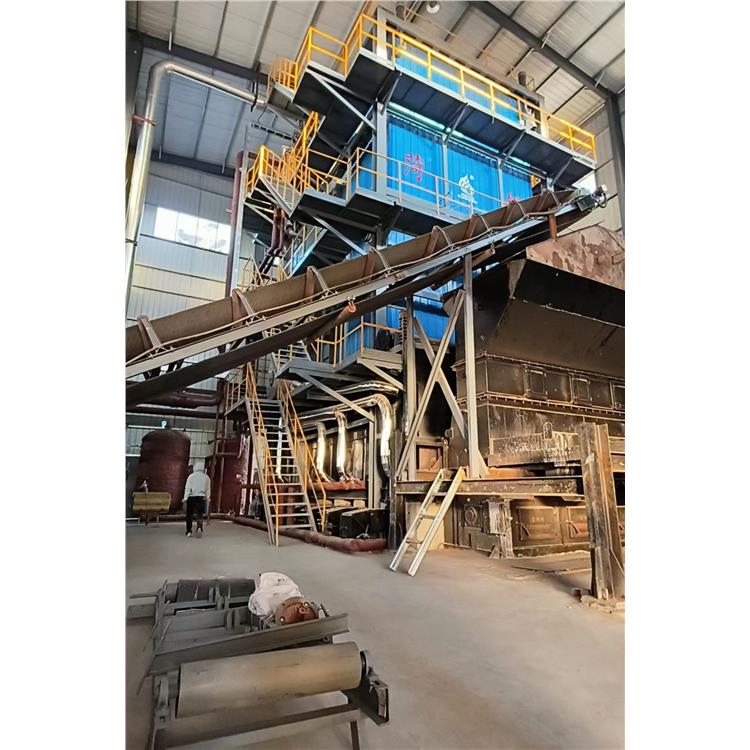

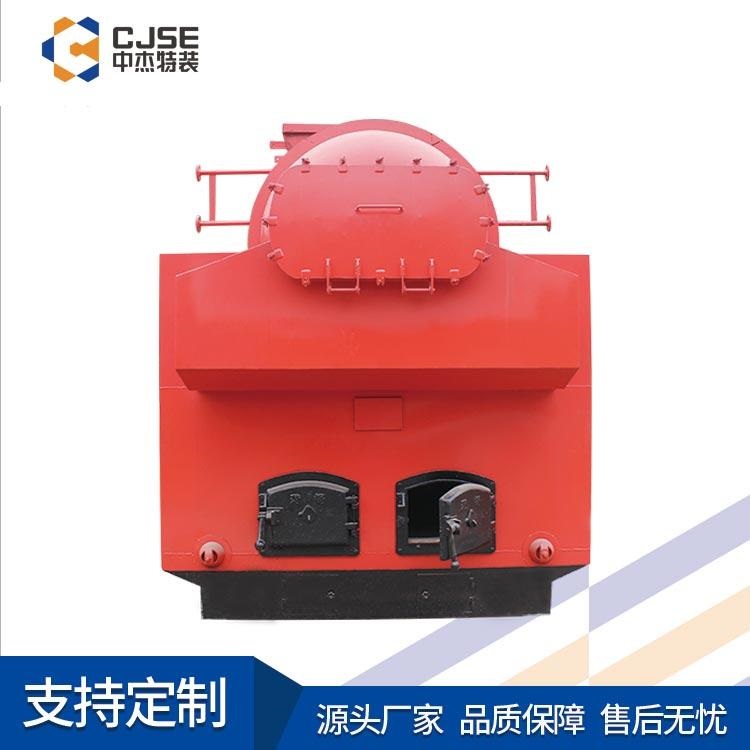
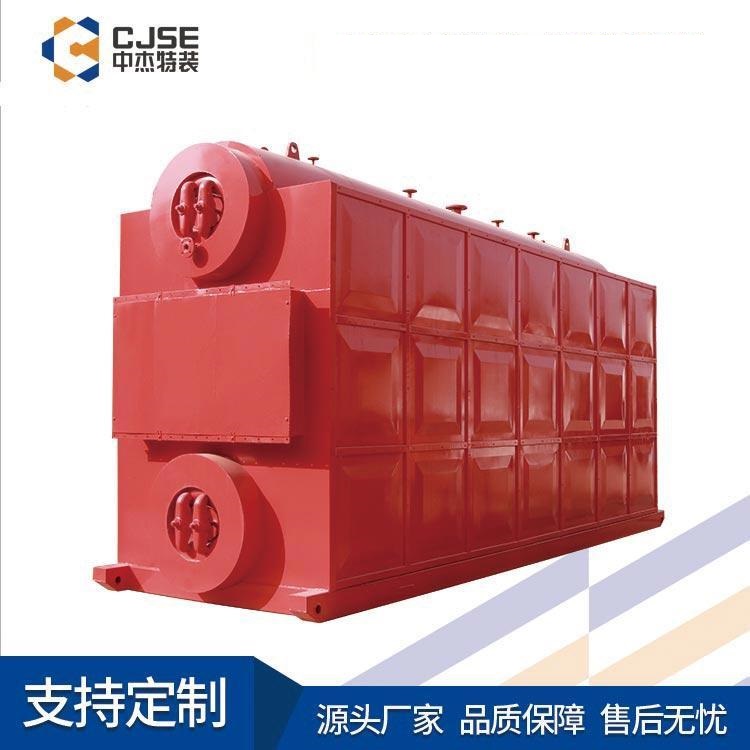


















Shandong Zhongjie Special Equipment specializes in products such as fuel (gas) boilers, organic heat carrier boilers, biomass boilers, waste heat boilers, and other boiler products; vacuum insulation cryogenic pressure vessels like LNG, oxygen-nitrogen-argon, and CO2 tanks; pressure vessel products including denitrification engineering equipment, heat storage and energy storage equipment, and complete chemical equipment sets; central air conditioning and ventilation equipment like ground (water) source heat pumps, air source units, water-cooled screw units, and air-cooled modular units. Planned products include large-scale thermal energy centers, LNG transport vehicles, LNG tank containers, and other green energy equipment.
Biomass boilers produce nitrogen oxides (NOx) during the combustion process, which are harmful emissions to the environment. Therefore, controlling the NOx emissions of biomass boilers is a significant challenge. Below are some difficulties in controlling NOx emissions from biomass boilers:
Fuel Characteristics: Biomass fuels have diverse compositions and characteristics, including varying nitrogen content and volatiles. This makes it challenging to accurately predict and control NOx emissions during the combustion process in biomass boilers.
Combustion Temperature: The generation of NOx is closely related to combustion temperature; both excessively high and low temperatures can increase NOx formation. The combustion temperature of biomass boilers is affected by various factors, such as fuel moisture and oxygen supply, making it challenging to control the combustion temperature for NOx emissions management.
Proper combustion air supply can aid in controlling NOx formation, yet excessive or insufficient air supply can affect combustion efficiency and NOx emissions. The air supply for biomass boilers must be adjusted reasonably based on fuel characteristics and combustion conditions, which poses certain requirements for operators and controllers.
Combustion System Design: The design of the combustion system in biomass boilers also has an impact on NOx emissions control. For instance, the combustion technology and burner design used, such as low-NOx combustion technology and combustion chamber structure optimization, can effectively reduce NOx emissions.
Operation and Maintenance: Proper operation and regular maintenance of biomass boilers are crucial for controlling NOx emissions. Rational operation and scheduled maintenance can ensure the normal operation and combustion of the combustion system, thereby reducing the generation of NOx.
In summary, the challenges in NOx control for biomass boilers primarily include fuel characteristics.
Blowing ash refers to the process of removing dust and scale from the flue, furnace, and heat exchange surfaces of a boiler during its operation, by means of injecting high-pressure steam or compressed air. The function of blowing ash and its impact on the operation of biomass boilers are as follows:
Function:
Dust and soot: During biomass combustion, a large amount of dust and soot is produced, which adheres to the flue, furnace, and heat exchange surfaces of the boiler, affecting the efficiency of heat transfer. Blowing dust can remove these deposits, keeping the boiler clean.
Enhancing Heat Transfer Efficiency: Ash and dirt on the boiler flue, furnace, and heat exchange surfaces create thermal resistance, hindering heat transfer. Blowing away this residue can eliminate the thermal resistance, thereby improving heat transfer efficiency and reducing energy waste.
Prevent scaling and corrosion: Ash and dirt accumulation on boiler flues and furnace walls can lead to excessively high local temperatures, causing scaling and corrosion issues. Blowing dust can lower local temperatures and prevent the occurrence of scaling and corrosion.
Impact:
Boiler thermal efficiency: Blowing dust can remove ash and dirt from the flue, furnace, and heat exchange surfaces, enhancing the efficiency of heat transfer, thereby increasing the boiler's thermal efficiency.
Boiler Safety: Blowing ash can prevent fouling and corrosion in the boiler flue and furnace, reduce potential safety hazards, and ensure the safe operation of the boiler.
Boiler Stability: Blowing ash can maintain the cleanliness of the boiler, reduce the impact of accumulated ash and dirt on the boiler's operation, and improve the boiler's efficiency.
Biomass boiler tube end reduction refers to the process of reducing the diameter of the tube ends within a certain length range. This treatment enhances the tube's strength and rigidity, reduces stress concentration, and improves its vibration resistance and durability.
Specific methods for constricting include:
Cold shrinking joint: A method of cold working the end of a pipe to gradually reduce its diameter, forming a shrinkage joint. This process is simple and straightforward, suitable for general shrinkage joint requirements.
Shrink fit: By heating the end of the tube to soften it, it is then mechanically compressed into a shrink fit shape. This method allows for more complex shrink fit shapes but requires equipment and technology.
The benefits of a tapered design include:
Enhance tube strength and rigidity, reduce stress concentration in tubes, and lower the risk of tube deformation and cracking.
Enhance the tube's vibration resistance, reduce vibration and resonance phenomena during operation, and extend the tube's service life.
Minimize pipeline leakage risks and enhance the sealing performance of the pipeline system.
Note that the reducer treatment must be tailored to the specific boiler design and operational requirements to ensure the reducer's dimensions and shape meet design specifications, and that the wall thickness at the reducer is not less than the standard requirements to guarantee the safe and reliable operation of the pipe.
Biomass refers to renewable energy derived from organic matter such as plants, animals, and microorganisms. It includes wood, straw, waste crops, food scraps, and municipal solid waste, among others. Biomass has a wide range of sources and types and is a renewable energy that can substitute for fossil fuels.
A biomass boiler is a specialized equipment designed for burning biomass fuel. It combusts biomass fuel to produce high-pressure, high-temperature thermal energy, which is used for heating, power generation, or other industrial processes. Biomass boilers typically use granular, pelletized, or chipped biomass fuel, releasing thermal energy through the combustion process.
The advantages of biomass boilers include:
Renewable Energy: Biomass is a renewable energy source with lower carbon emissions and environmental impact compared to fossil fuels.
Diversity: There is a wide variety of biomass fuels, which can utilize plant and animal waste and by-products to enhance resource utilization efficiency.
Environmental Friendliness: The carbon dioxide produced during biomass combustion can be absorbed by plants, forming a cycle that reduces air pollution.
Economic: Biomass fuel is relatively more economical.
Shandong Zhongjie Special Equipment, welcome customers to visit our factory for business discussions.
WeChat Official Account

Scan to follow Official Account



















