


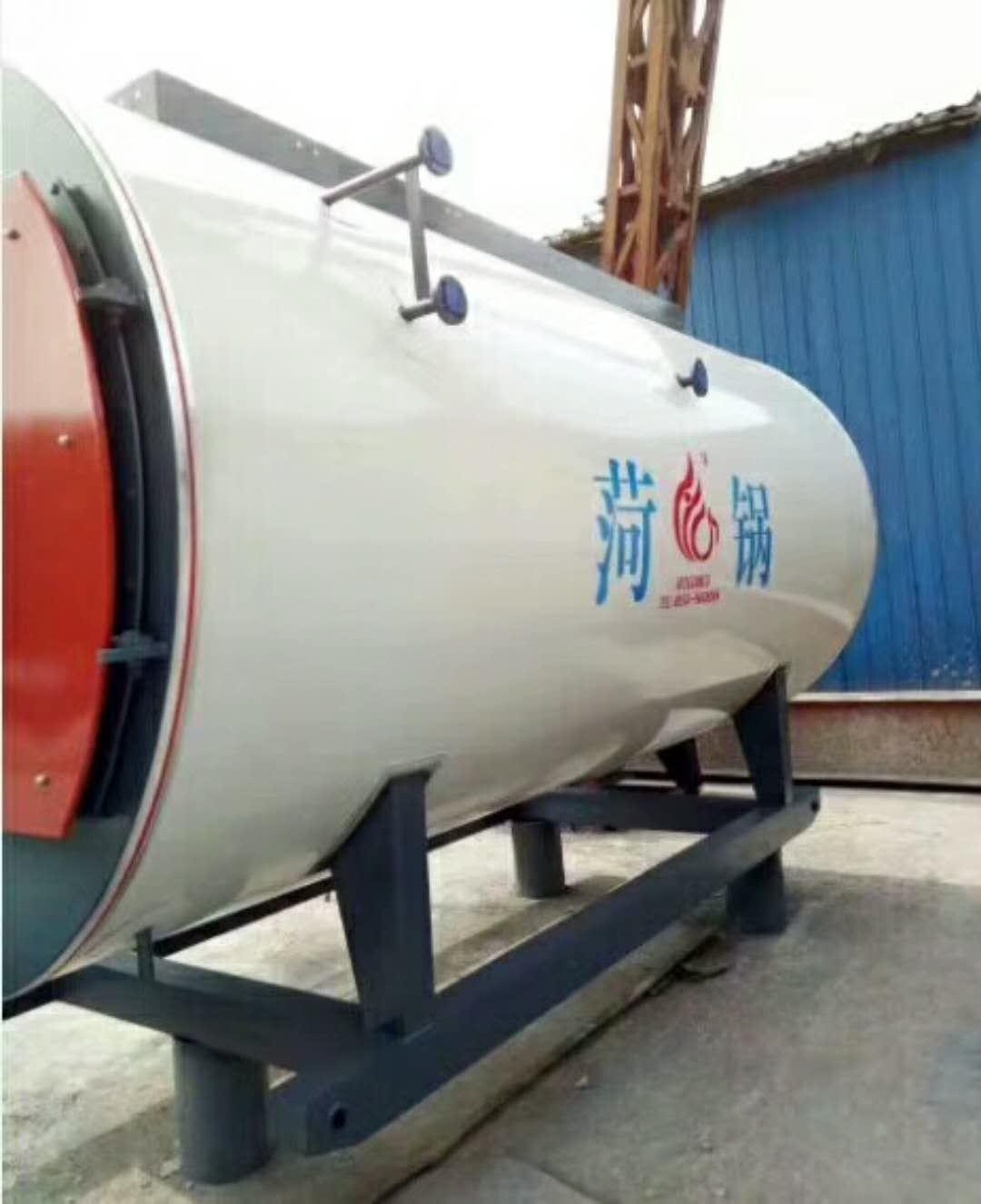

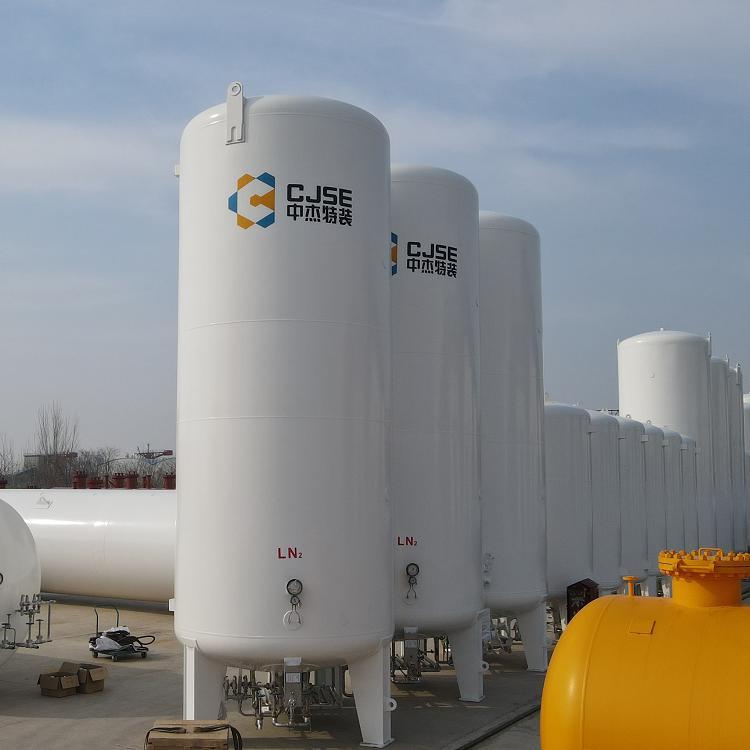
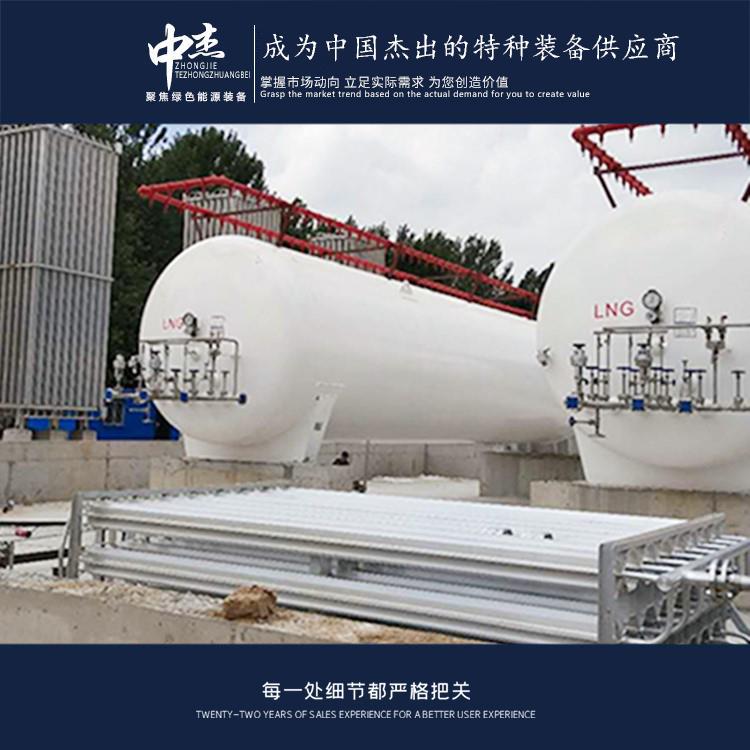


















Shandong Zhongjie Special Equipment Co., Ltd. specializes in the following main products: fuel (gas) boilers, organic heat carrier boilers, biomass boilers, waste heat recovery boilers, and other boiler products; vacuum insulated cryogenic pressure vessels such as LNG storage tanks, oxygen/nitrogen/argon storage tanks, CO2 storage tanks; pressure vessel products including denitrification engineering equipment, heat storage and energy storage equipment, complete chemical equipment sets; central air conditioning and HVAC equipment such as ground (water) source heat pumps, air source units, water-cooled screw units, and air-cooled modular units. Planned products include large-scale energy centers, LNG transport vehicles, LNG tank containers, and other green energy equipment.
The safety distance for liquid oxygen storage tanks refers to the distance that must be maintained around the tank to ensure the safety of personnel and equipment. The specific requirements for safety distances may vary depending on different regions and application sites. Here are some common principles for safety distances:
Buildings and Equipment: Liquid oxygen storage tanks should be kept at a certain distance from buildings, equipment, and other storage tanks to prevent the spread of fires, explosions, and leaks. The specific safety distance requirements should be assessed and determined according to local regulations and standards.
Fire Sources and Heat Sources: Liquid oxygen is highly oxidizing and can easily cause fires and explosions. Therefore, liquid oxygen storage tanks should be kept at a sufficient distance from fire sources, heat sources, and flammable materials to prevent fires and explosions.
Ventilation and Exhaust: Good ventilation and exhaust should be maintained around liquid oxygen storage tanks to prevent the accumulation of evaporated oxygen and the formation of explosive mixtures. The design and operation of the ventilation and exhaust system should comply with relevant safety standards and specifications.
Personnel and Traffic: Personnel and traffic around liquid oxygen storage tanks should be restricted and controlled to ensure personnel safety and the normal operation of the tank. Warning signs, safety fences, and restricted areas should be established to prevent unauthorized personnel from entering the tank area.
It is important to note that the safety distance for liquid oxygen storage tanks should be assessed and determined based on the specific application site and safety requirements. When designing, installing, and operating liquid oxygen storage tanks, relevant regulations, standards, and safety guidelines should be followed to ensure the safety and reliability of the tank.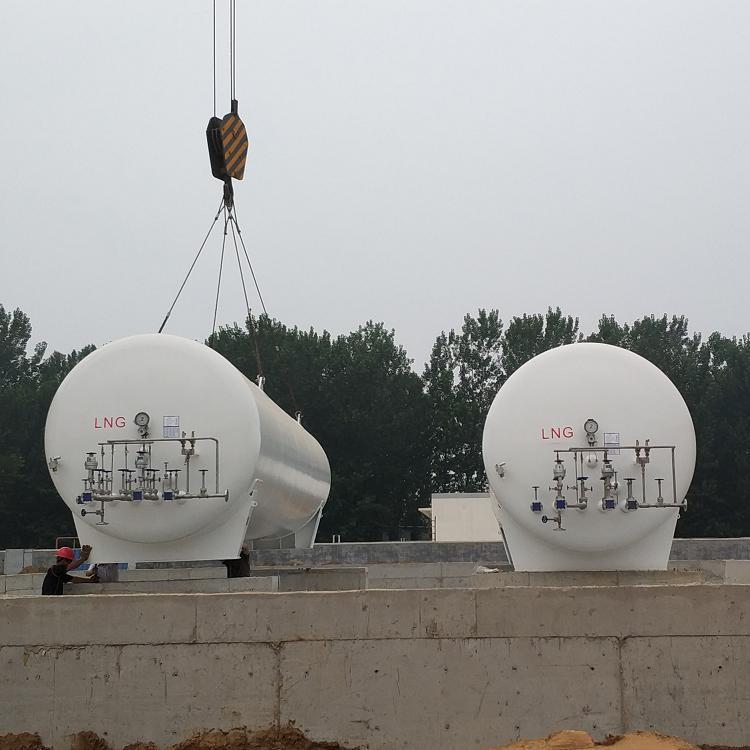
Water tightness test for liquid nitrogen storage tanks is a common testing method used to assess the tank's sealing and pressure resistance. Below are the general steps for the water tightness test of liquid nitrogen storage tanks:
Preparation: Ensure the tank is clean internally and that the gas and liquid have been emptied from the tank. Check that the tank's seals and safety devices are in proper working order.
Fill water: Fill the tank interior with water, ensuring the water level is above the low water line. Use a pump or other appropriate methods for filling.
Apply Pressure: Gradually increase water pressure using a pressure pump or other pressure source until the predetermined test pressure is reached. The test pressure is typically 1.1 times the design working pressure of the tank.
Pressure Maintenance: After reaching the test pressure, maintain it for a period of time (usually 30 minutes to 1 hour), and observe for any abnormal conditions such as leakage or deformation in the tank.
Pressure Relief: Gradually release pressure, draining water from the tank until it is completely empty.
Inspection and Assessment: Check for leaks, deformations, or other damages on the tank's surface and interior. Evaluate the test results to ensure the tank meets design specifications and safety standards.
需要注意的是,液氮储罐水压试验需要由人员进行操作,并遵循相关的安全操作规程。在进行测试前,应仔细阅读和遵守储罐制造商提供的操作指南和安全注意事项。
The reason for occasional venting of liquid oxygen tanks is primarily to maintain the safe pressure range within the tank and prevent excessive pressure buildup. Here are several scenarios where liquid oxygen tanks may be vented occasionally:
Pressure Control: During operation, the pressure inside the liquid oxygen storage tank may change due to evaporation of the liquid oxygen and temperature variations. To maintain a safe pressure range within the tank, regular venting is required to control the tank's pressure within the safe limits.
Prevent Excessive Pressure Build-up: During oxygen filling or usage, external factors or operational errors may cause the pressure inside the liquid oxygen tank to exceed the safe limit. To prevent excessive pressure build-up, timely venting is required to alleviate the pressure within the tank.
Prevent Gas Accumulation: Liquid oxygen tanks may contain some gas impurities, such as air and water vapor. At the low temperature of liquid oxygen, these gases can condense into liquids or solids, blocking pipelines or affecting the normal operation of the tank. Regularly releasing gas can expel these impurities, maintaining the tank's cleanliness and unobstructed flow.
It is essential that the degassing operation of liquid oxygen be performed by trained personnel and strictly adhere to the relevant operational procedures and safety measures. During the degassing process, care must be taken to prevent leaks and contact with liquid oxygen to ensure the safety and reliability of the operation.
The liquid oxygen tank possesses the following characteristics:
High Purity: The liquid oxygen storage tank holds high purity liquid oxygen, typically achieving purity above 99.5%. This makes the liquid oxygen tank crucial in applications requiring high purity oxygen, such as medical, industrial, and research fields.
Low Temperature: As the boiling point of liquid oxygen is -183°C, liquid oxygen storage tanks must have excellent thermal insulation properties to maintain the low temperature of the liquid oxygen. Tanks are typically designed with double or multi-layer structures, filled with insulating material in between to reduce heat transfer and the evaporation of liquid oxygen.
High Pressure: Liquid oxygen storage tanks typically need to withstand high pressure to maintain their liquid state. The design and material selection of the tank must consider the pressure requirements of liquid oxygen to ensure the tank's safety and reliability.
Flammability: Liquid oxygen is highly flammable and can support combustion. Therefore, during the design and use of liquid oxygen storage tanks, fire prevention measures must be implemented to ensure there are no sources of fire around the tank, and appropriate fire extinguishing equipment is provided.
High Density: Liquid oxygen has a higher density than gaseous oxygen, allowing liquid oxygen tanks to store more oxygen. This gives liquid oxygen tanks an advantage in applications requiring large oxygen supplies, such as in the field.
Corrosiveness: Liquid oxygen has certain...
Our company attaches great importance to technological innovation and R&D design. We have one municipal-level enterprise technology center in Heze City, equipped with testing facilities for non-destructive testing, physical and chemical testing, welding testing, hydrostatic testing, etc. We have over 600 various instruments and equipment, including CNC machine tools, X-ray flaw detectors, digital ultrasonic flaw detectors, mechanical property testing machines, chemical analyzers, spectrometers, tensile testing machines, plasma welding machines, and more. The key products we have developed, such as welding for temperature and pressure vessels, emissions reduction for biomass boilers, and waste heat recovery, have successively been included in multiple Shandong Provincial Department of Industry and Information Technology science and technology innovation projects, Shandong key projects, and Heze City innovation and excellence projects. We have accumulated 27 authorized utility models, 16 authorized inventions, participated in drafting 2 standards, 2 industry standards, and registered 15 trademarks. Our technical team, in collaboration with Professor Yajiang Li of Shandong University, has developed deep cryogenic container processing technology using the international plasma arc + wire filling tungsten inert gas arc welding (PAW-GTAW) technology. This technology has been appraised as reaching international standards in the field of deep cryogenic container manufacturing at the provincial level. Choose Zhongjie Special Equipment, let's create brilliance together!
WeChat Official Account

Scan to follow Official Account



















