


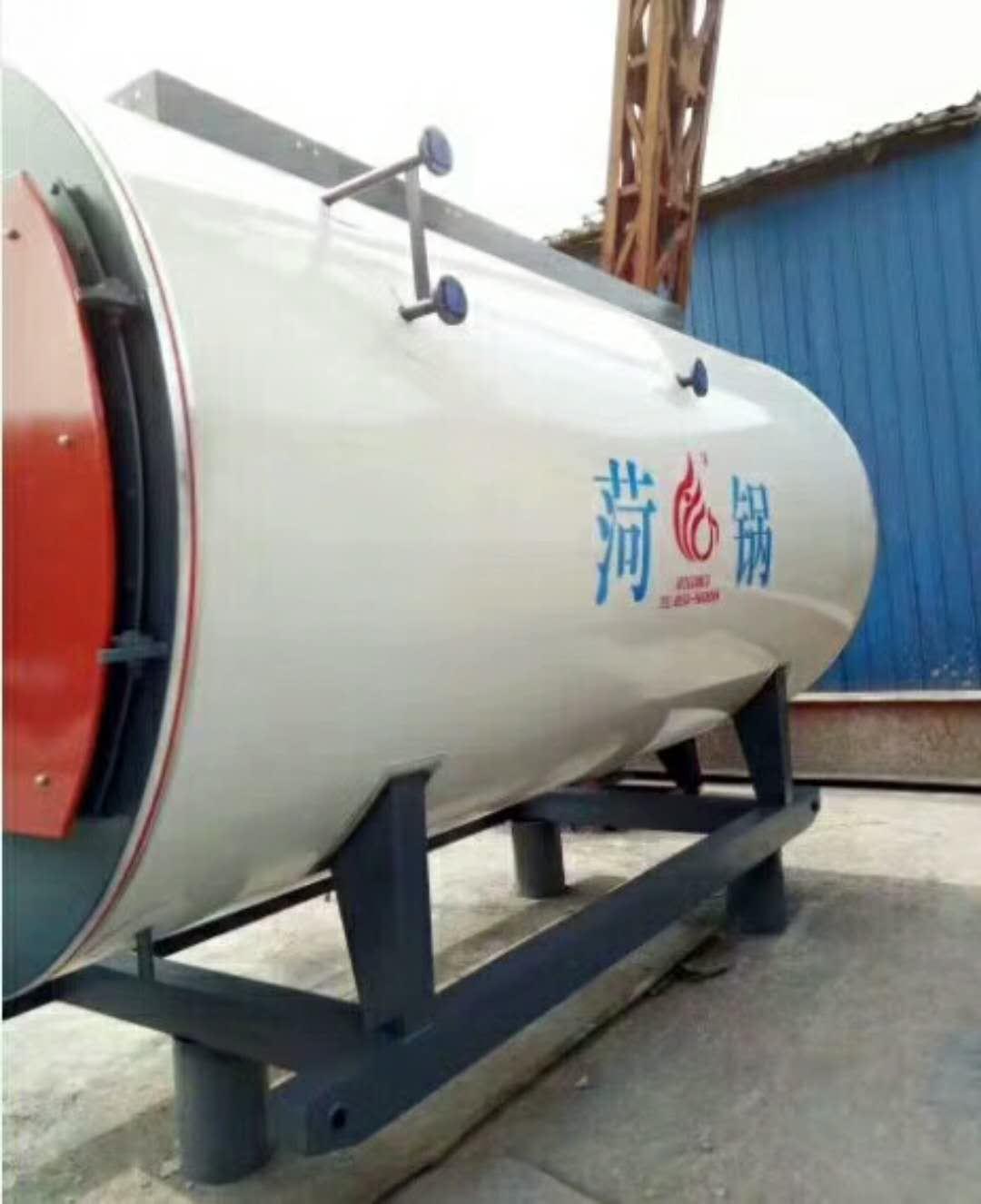

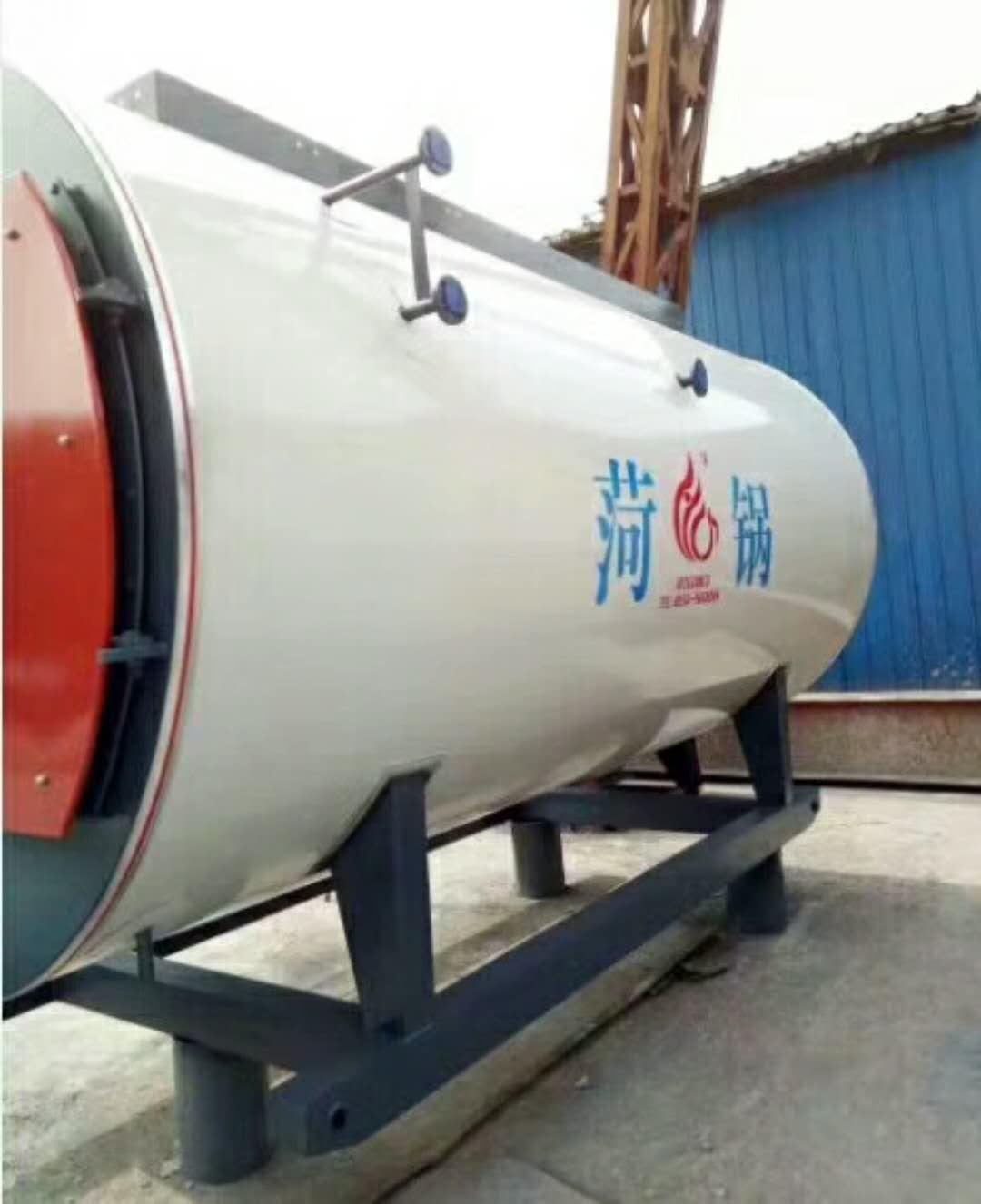


















Shandong Zhongjie Special Equipment's main products include: fuel (gas) boilers, organic heat carrier boilers, biomass boilers, waste heat recovery boilers, and other boiler products; vacuum insulation cryogenic pressure vessels such as LNG storage tanks, oxygen/nitrogen/argon storage tanks, and CO2 storage tanks; pressure vessel products such as denitrification engineering equipment, heat storage and energy storage equipment, and complete chemical equipment sets; central air conditioning and ventilation equipment such as ground (water) source heat pumps, air source units, water-cooled screw units, and air-cooled modular units. Planned products include large-scale energy centers, LNG transport vehicles, LNG tank containers, and other green energy equipment.
During the low-temperature liquid oxygen storage tank installation with central oxygen supply, special attention should be paid to the following aspects:
Safe Operation: Strict adherence to safety operation procedures and standards is mandatory during the storage tank assembly process. Operators should be trained, knowledgeable about the properties and safety requirements of liquid oxygen, familiar with the equipment and operational procedures, ensuring the safety of operations.
Fire Prevention Measures: Liquid oxygen contains a high oxygen content, which is prone to causing fires. During the installation process, necessary fire prevention measures should be taken, such as setting up fire barriers, using fire-resistant coatings, and prohibiting open flames, to prevent the occurrence and spread of fires.
Leakage Control: Pay attention to leakage control during the assembly process. Oxygen concentration can increase due to the leakage of liquid oxygen, which in turn raises the risk of fire and explosion. Leak detectors and alarm systems should be installed to detect and control leaks in a timely manner, and appropriate emergency measures should be taken.
Oxygen Concentration Monitoring: During the installation process, the oxygen concentration around the liquid oxygen storage tank should be monitored regularly. High oxygen concentrations can intensify the combustion of flammable substances, increasing the risk of fire and explosion. Take timely measures to ensure the oxygen concentration remains within safe limits.
Grounding and Static Electricity Protection: During the liquid oxygen plant process, ensure that the storage tank and related equipment are properly grounded to minimize the accumulation and release of static electricity. Utilize static conductive materials and antistatic equipment to reduce the risks caused by static electricity.
Regular inspections and maintenance: After the installation is complete, the liquid oxygen tank should be regularly inspected and maintained. This includes visual inspections, pressure tests, leak detection, etc., to ensure the tank's safety and stability.
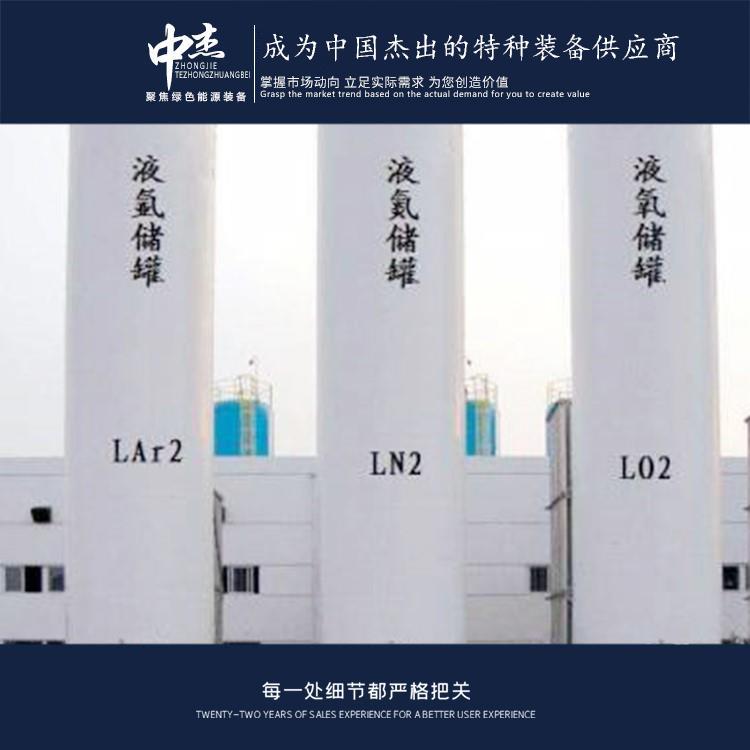
Be mindful that during the installation of the central oxygen supply low-temperature liquid oxygen storage tank, operations should be conducted by experienced personnel and in accordance with relevant safety operating procedures and standards. Throughout the installation process, safety risks should be closely monitored, and timely measures should be taken to ensure the safety and stability of the installation.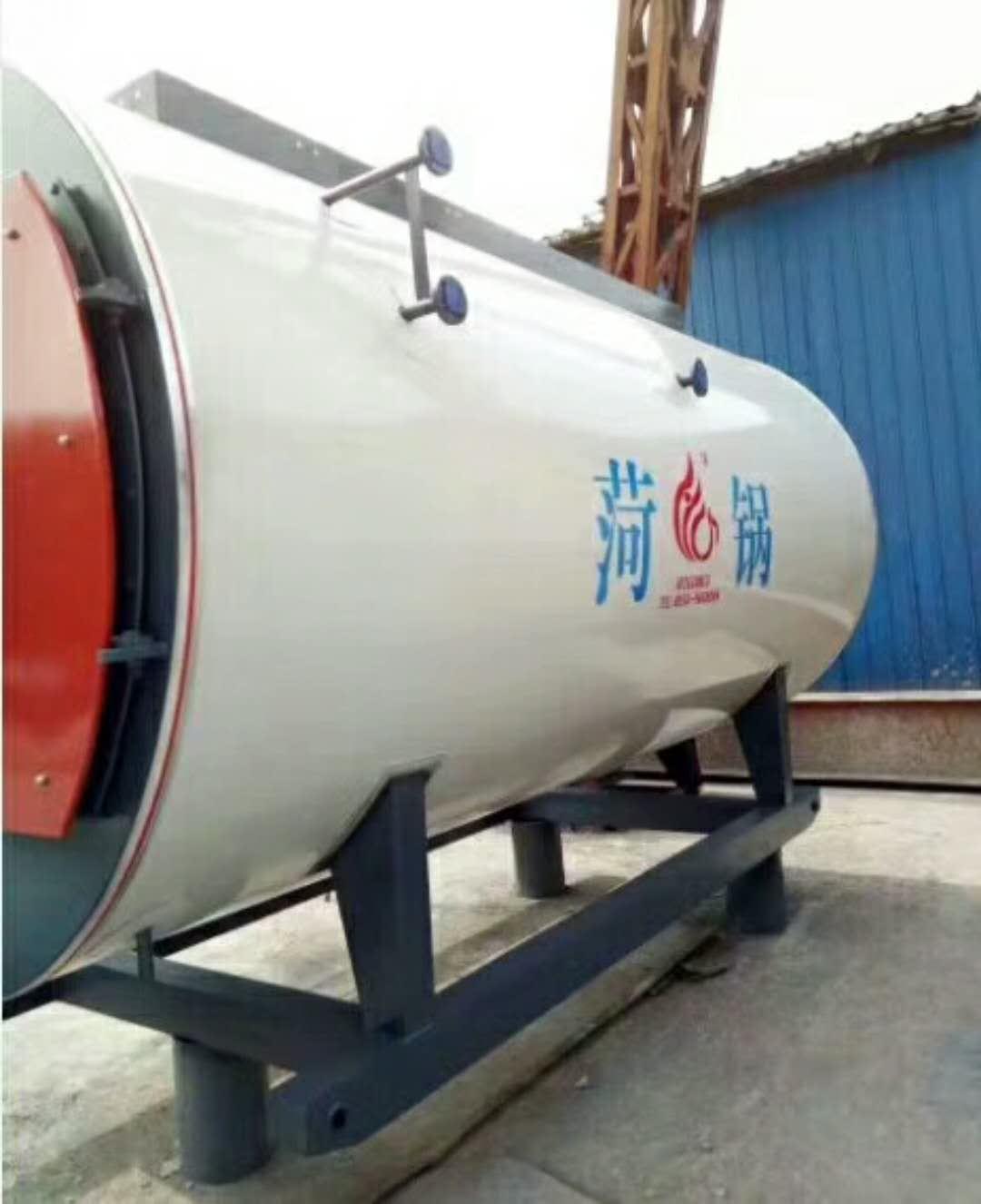
The manufacturing process for the heads and cylinders of low-temperature storage tanks typically includes the following steps:
Material Preparation: Select suitable materials, such as low-temperature alloy steel or stainless steel, based on design requirements and specifications. Inspect and verify the materials to ensure their quality meets the standards.
Sheet Cutting: Sheets are cut according to design dimensions and shapes. Common cutting methods include flame cutting, plasma cutting, or laser cutting, etc.
Bending and Shaping: Cut sheets are bent and shaped to form heads and cylindrical shapes. Common shaping methods include cold bending, hot bending, or hydraulic forming, etc.
Welding: The shaped plates are welded together to form the structure of the head and cylinder. Common welding methods include manual arc welding, gas shielded welding, or laser welding, etc.
Weld Seam Treatment: Post-welding seam processing, including sanding, polishing, or applying anti-corrosion coatings, to enhance the quality and appearance of the weld seams.
Inspection and Acceptance: Perform inspections and acceptance on the finished heads and cylinders to ensure their quality and compliance with design specifications. Common inspection methods include ultrasonic testing, X-ray inspection, or liquid penetrant testing, etc.
Reinforcement and Support: As required, reinforcement and support processing and installation are performed on the heads and cylinders to enhance the structural strength and stability.
Surface Treatment: The heads and cylinders are subject to surface treatment, such as the application of anti-corrosion coatings, hot-dipped galvanizing, or polishing, to enhance their corrosion resistance and aesthetic quality.
It is important to note that the manufacturing process of low-temperature storage tanks must comply with relevant standards and regulations to ensure the quality and safety of the production process. During manufacturing, strict adherence to safety operating procedures and the implementation of necessary protective measures are required to ensure the safety of the operators.
The safe placement of liquid oxygen storage tanks is a crucial measure to ensure the tank poses no danger to the surrounding environment and personnel during operation. The following are the safety requirements for the placement of liquid oxygen storage tanks:
Safety Distance: Liquid oxygen storage tanks should maintain a certain distance from other buildings and equipment. This is to ensure effective control and minimize the impact on the surrounding environment in the event of a leak or fire.
Fire and Explosion Prevention Measures: Liquid oxygen tanks should be placed in fire-resistant areas, away from open flames, high-temperature sources, and flammable materials. The surrounding area should be equipped with fire and explosion prevention facilities, such as fire extinguishers, foam sprinkler systems, etc., to address potential fire risks.
Even placement: The liquid oxygen tank should be placed on a sturdy, flat foundation to ensure stability. The bottom of the tank should make full contact with the ground to avoid tilting or rocking of the tank.
Ventilation Requirements: Liquid oxygen tanks should be placed in a well-ventilated area to ensure the normal circulation of gas emissions and oxygen supply. There should be no obstructions around the tank that could hinder gas flow.
Identification and Warnings: Liquid oxygen tanks should be clearly marked with information such as the stored medium, capacity, and pressure. Warning signs and safety alerts should be posted in the surrounding area to remind personnel of the presence and potential hazards of the liquid oxygen tank.
Regular inspections and maintenance: Liquid oxygen tanks should be regularly inspected and maintained, including checking the tank's appearance, sealing, and corrosion prevention measures. Any issues found should be repaired or the tank replaced promptly to ensure proper operation and safety.
It's important to note that the safety requirements for the placement of liquid oxygen tanks may vary depending on different regions and industries. When positioning liquid oxygen tanks, it's crucial to adhere to relevant regulations, standards, and safety protocols, and to establish appropriate safety measures based on the specific circumstances. If you're unfamiliar with or have doubts about the safety placement requirements, it's advisable to consult with experts or relevant organizations.
Liquid Oxygen Storage Tanks Feature the Following Safety Technical Characteristics:
High-pressure Vessels: Liquid Oxygen Tanks are high-pressure vessels capable of withstanding high pressure. Their design and manufacture must comply with relevant standards and specifications to ensure the tank's strength and sealing integrity.
Low Temperature Storage: Liquid oxygen tanks are used for storing liquid oxygen, with operating temperatures typically around -183 degrees Celsius. The materials and insulation of the tank must withstand low-temperature conditions to prevent evaporation of the liquid oxygen and the penetration of external heat.
Fireproof Design: Liquid oxygen has a high oxygen content, which is prone to cause fires. The design of liquid oxygen storage tanks must incorporate fire prevention measures, such as installing firewalls and using fire-retardant coatings, to prevent fires from occurring and spreading.
Leak Control: Leaks in liquid oxygen tanks can lead to increased oxygen concentrations, raising the risk of fire and explosion. Tanks must be equipped with leak detection and alarm systems to promptly identify and control leaks, and to implement appropriate emergency measures.
Static Protection: Electrostatic buildup in liquid oxygen tanks can cause sparks, increasing the risk of fire. Tanks must employ measures such as electrostatic conductive materials and antistatic equipment to reduce the accumulation and release of static electricity.
Safety valves and pressure control: Liquid oxygen storage tanks must be equipped with safety valves and pressure control devices to ensure the internal pressure of the tank remains within a safe range. When the pressure exceeds the set value, the safety valve will automatically release pressure to protect the tank's safety.
Routine Inspections and Maintenance: Liquid Oxygen Tanks Require Regular
Zhongjie Special Equipment upholds the grand vision of "realizing employees' dreams, creating value for customers, and striving for the prosperity and strength of our motherland," and is dedicated to the development of the green energy equipment industry. We offer society high-quality products and services at competitive prices!
WeChat Official Account

Scan to follow Official Account



















