


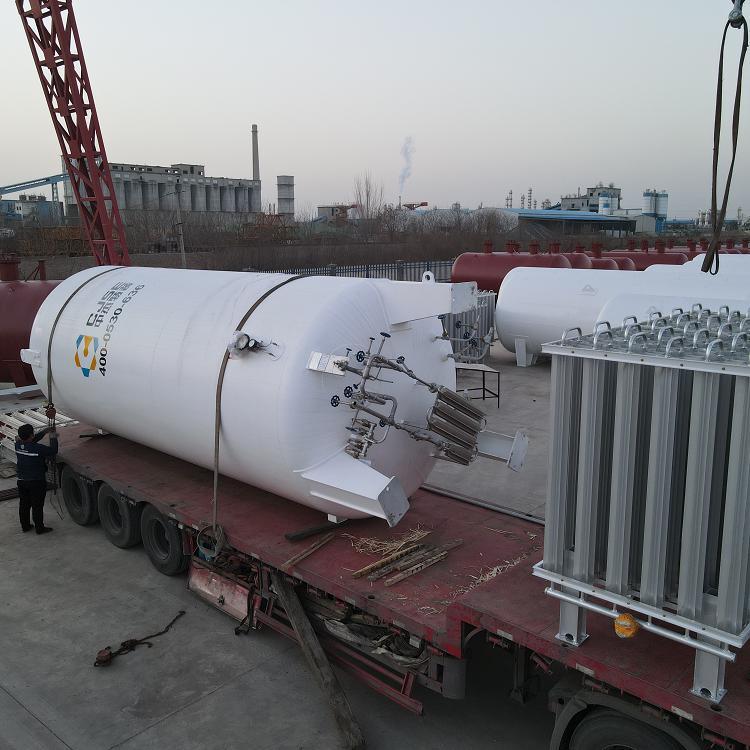

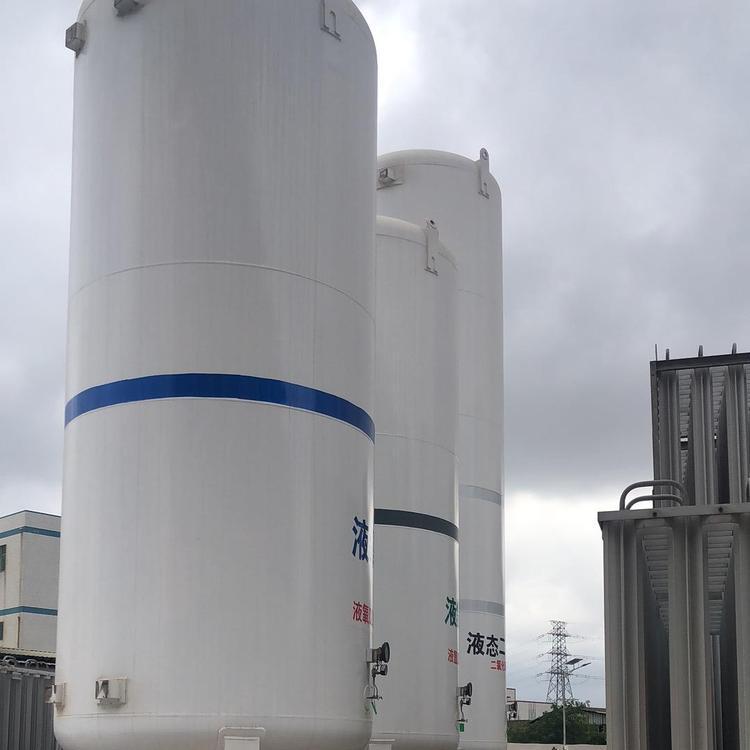
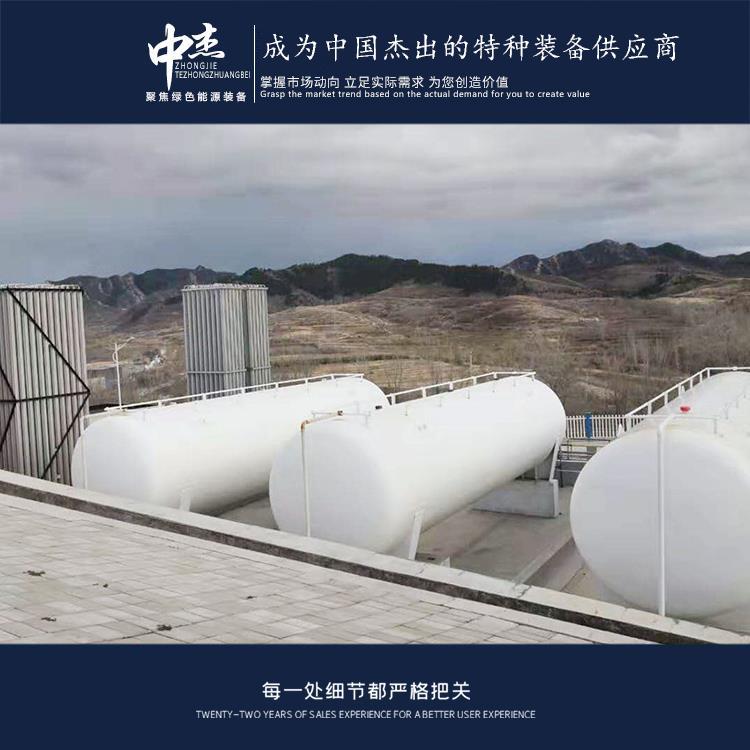


















Shandong Zhongjie Special Equipment (formerly Heze Boiler Factory Co., Ltd.) was established in 2001, located at No. 2218 Jinnan Road, Economic and Technological Development Zone, Heze City. With a registered capital of 50 million yuan and total assets of 500 million yuan, the company operates seven business centers: boilers, deep-freezing containers, pressure vessels, central air conditioning, engineering installation, international trade, and Internet of Things. It has three manufacturing sites on Jinnan Road, East Changjiang Road, and Bohai Road, covering a total area of 200,000 square meters, with the main workshop spanning 83,000 square meters. It currently employs 710 people, including 247 engineers and technicians and 82 intermediate-level technical personnel. In December 2016, it was recognized as a "High-tech Enterprise" by the Science and Technology Department. In June 2021, it was named a "Specialized and New Enterprise of Shandong Province" by the Industry and Information Technology Department. In June 2022, it was identified as a "Gazelle Enterprise of Shandong Province" and in August 2022, it was recognized as a "Specialized and New Small Giant Enterprise" by the Ministry of Industry and Information Technology.
Prior to using the liquid oxygen tank, the following preparations must be made:
Safety Inspection: Ensure the tank and its surrounding environment are safe. Check for any damage, leaks, or other safety hazards on the tank. Make sure there are no flammable substances or other hazardous materials nearby.
Tank Preparation: Inspect the tank's exterior, including the shell, welds, valves, and fasteners. Ensure there is no visible damage or corrosion. Check that the insulation layer is intact and undamaged.
Liquid Oxygen Filling: Utilize liquid oxygen transport equipment to fill liquid oxygen into the storage tank. Ensure that the flow rate and pressure of liquid oxygen are maintained within safe limits during the filling process.
Pressure Control: Storage tanks should be equipped with pressure control devices to ensure the internal pressure of the tank remains within a safe range. Inspect and adjust the pressure control devices to ensure proper functioning.
Valve Operation: Check that the tank's valves and connections are functioning properly. Ensure the valves operate smoothly and reliably. Adjust the opening and closing states of the valves as needed.
Safety equipment: Inspect the safety equipment around the storage tanks, such as fire separation areas and alarm systems, to ensure they are functioning properly.
Operator Training: Ensure operators are proficient in the safe operation of liquid oxygen storage tanks.
Prior to cooling the liquid oxygen tank, the following prerequisites must be met:
Clean Vessels: Ensure the interior of the tank is clean, free of impurities and contaminants. The tank should be properly cleaned and flushed to maintain its internal cleanliness.
Drainage and Exhaust: Empty the gas from the storage tank and expel it through the exhaust system to reduce the gas content within the tank. This helps minimize the interference of the gas on the cooling process.
Safety Precautions: Prior to cooling the liquid oxygen tank, it is essential to implement necessary safety measures. Liquid oxygen is highly flammable and has low-temperature characteristics. Operators must wear appropriate protective clothing, gloves, and other personal protective equipment to ensure safe operation.
Temperature Control: During the cooling process of the liquid oxygen storage tank, it is necessary to control the tank's temperature. Typically, low-temperature mediums such as liquid nitrogen are used to cool the tank, ensuring the temperature gradually drops below the boiling point of liquid oxygen.
Insulation and Heat Retention: Liquid oxygen storage tanks commonly feature double or multi-layered construction, filled with insulating material in the middle to minimize heat transfer and evaporation of the liquid oxygen. Ensure the integrity and excellent insulating properties of the insulation layer to enhance the cooling efficiency of the tank.
Under the aforementioned preconditions, the cooling operation of the liquid oxygen tank may be conducted. The cooling process must strictly adhere to the relevant safety regulations and operational guidelines to ensure the safe operation and use of the tank.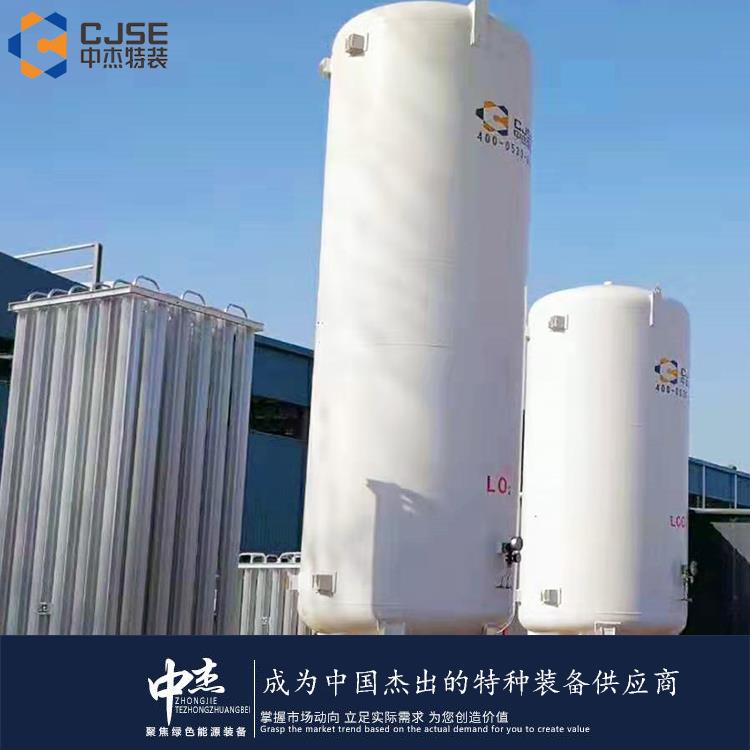
The temperature difference between the interior and exterior of a low-temperature liquid storage tank depends on various factors, including the tank's design, insulation performance, the temperature of the liquid, and the ambient temperature outside. Generally, the temperature inside the low-temperature liquid storage tank is much lower than the ambient temperature outside.
Low-temperature liquid storage tanks are commonly used for storing liquefied nitrogen, oxygen, argon, and other low-temperature liquids. These liquids have very low boiling points, usually below -100 degrees Celsius. To maintain the低温 state of the liquids, the tank must have excellent insulation to minimize heat transfer and evaporation loss.
Low-temperature liquid storage tanks typically offer a smaller temperature variance. Generally, the internal temperature of the tank can be maintained near the liquid's boiling point, usually several tens of degrees lower than the ambient temperature. The specific temperature variance depends on the tank's design and insulation performance, as well as the properties of the liquid.
Note that the temperature differences in low-temperature liquid storage tanks may change over time. As time goes by, the insulating material's performance may be affected by wear or aging, leading to increased temperature differences. Therefore, regular inspections and maintenance of the tank's insulation are crucial to ensure its effective and stable insulating performance.
When storing liquid nitrogen in low-temperature storage tanks, the following points should be noted:
Protective Gear: When handling low-temperature storage tanks, it is mandatory to wear appropriate protective gear, including gloves, protective suits, and non-slip shoes. This equipment safeguards the skin from the low temperatures of liquid nitrogen and other hazards.
Avoid Direct Contact: Liquid nitrogen is extremely cold and can cause chilling. Therefore, it is important to avoid direct contact with liquid nitrogen, especially with skin. Use tools or utensils for handling to prevent direct hand contact with liquid nitrogen.
Ventilation Requirements: In the operation area of low-temperature storage tanks, adequate ventilation must be ensured to expel gases produced by the evaporation of liquid nitrogen. Maintain air circulation to avoid excessive oxygen concentration and reduce the risk of fire and explosion.
Prevent Leaks: Regularly inspect low-temperature storage tanks for leaks and equip them with leak detectors and alarm systems. In case of a leak, take immediate action to control and repair it. Avoid leaks of liquid nitrogen, as they can pose harm to personnel and the environment.
Fire prevention measures: Liquid nitrogen has a low boiling and freezing point, which makes it prone to fire. To prevent fires and their spread, firewalls and fire-resistant coatings are installed around low-temperature storage tanks.
Static protection: Electrostatic buildup in low-temperature tanks can cause sparks, increasing the risk of fire. Measures such as using conductive materials and anti-static equipment should be taken to reduce the accumulation and release of static electricity.
Regular Inspections and Maintenance: Conduct regular checks on the condition of low-temperature storage tanks and related equipment, including valves, pipelines, pressure gauges, etc. Ensure that the equipment is in perfect condition and promptly repair or replace any damaged parts.
Waste Gas Treatment: Low-temperature storage tanks will produce waste gas during use, which must be properly treated to minimize environmental impact.
Above are the precautions to be taken when storing liquid nitrogen in a low-temperature storage tank, ensuring safe operation and normal tank function. During operation, strictly follow the relevant operational procedures and safety requirements to prevent accidents.
Shandong Zhongjie Special Equipment, welcome customers to our factory for business talks.
WeChat Official Account

Scan to follow Official Account



















