


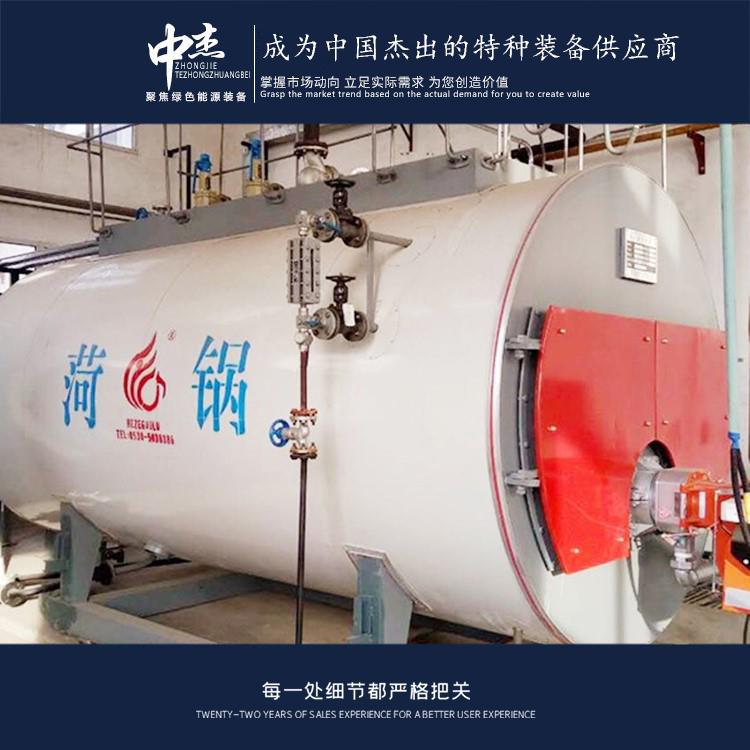

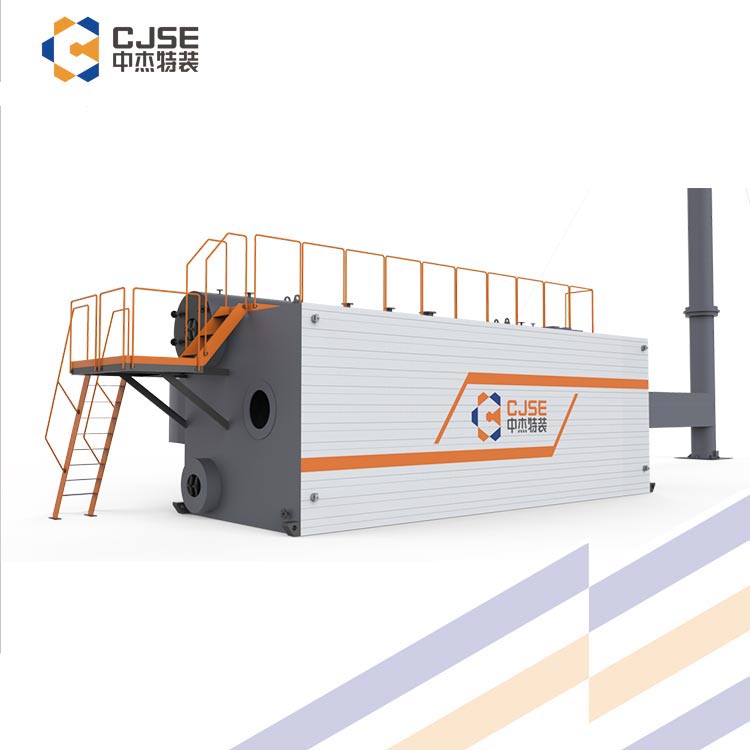
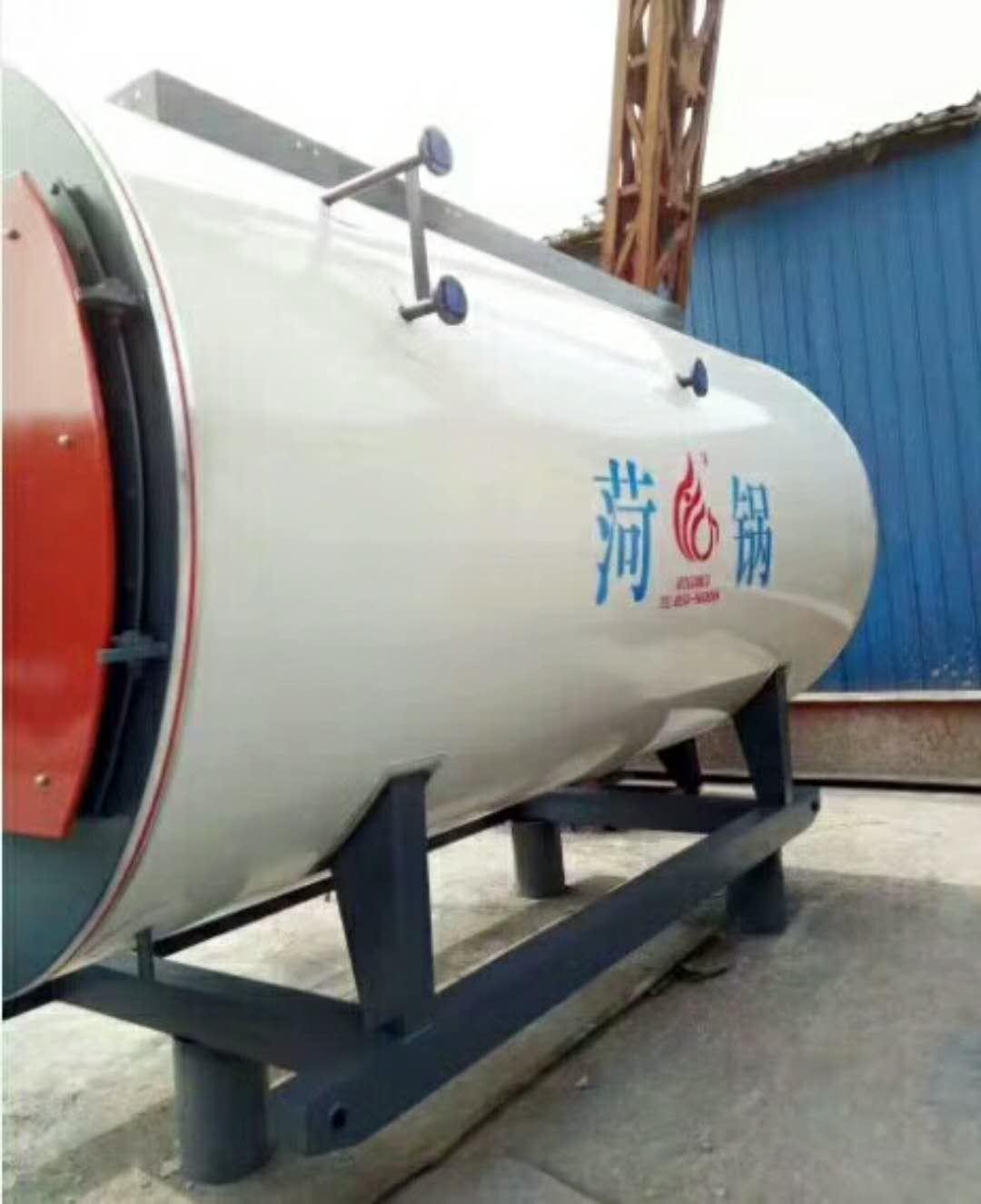


















Shandong Zhongjie Special Equipment's main products include: fuel (gas) boilers, organic heat carrier boilers, biomass boilers, waste heat boilers, and other boiler products; vacuum insulation cryogenic pressure vessels such as LNG tanks, oxygen/nitrogen/argon tanks, and CO2 tanks; pressure vessel products like denitrification engineering equipment, heat storage and energy storage equipment, and complete chemical equipment sets; central air conditioning and HVAC equipment such as ground (water) source heat pumps, air source units, water-cooled screw units, and air-cooled modular units. Planned products include large-scale energy centers, LNG transport vehicles, LNG tank containers, and other green energy equipment.
Properly utilizing fuel-gas boilers can enhance energy efficiency and reduce consumption. Here are some suggestions:
1. Select the right boiler model: Choose a suitable fuel-gas boiler model based on actual needs, considering factors like thermal load, fuel type, and combustion efficiency.
2. Regular inspection and maintenance: Conduct regular checks and maintenance to ensure the boiler operates smoothly. This includes cleaning burners, inspecting the combustion system, adjusting parameters, and promptly repairing or replacing damaged parts.
3. Control the combustion process: Manage the combustion process to ensure it's thorough, stable, and efficient. Adjust burner parameters such as air flow and fuel supply to boost efficiency and minimize waste.
4. Heat recovery: Utilize waste heat recovery systems to capture and reuse excess heat from flue gases, for heating water or other thermal processes, enhancing energy efficiency.
5. Control operating parameters: Manage the boiler's operating parameters like water level, pressure, and temperature based on actual needs and performance. Avoid extremes to improve efficiency and safety.
6. Regularly clean heat exchangers: Clean the heat exchangers of fuel-gas boilers regularly to remove dirt and sediment, maintaining heat transfer efficiency and reducing energy loss.
7. Energy management: Establish an energy management system to monitor and analyze consumption, create rational usage plans, and implement energy-saving measures. Scientific management can improve energy efficiency and reduce consumption.
These are common methods and suggestions, but their application should be tailored to specific circumstances and boiler characteristics. Adhere to relevant laws, regulations, and safety procedures to ensure safe operation of fuel-gas boilers.
Possible causes of uneven heat distribution in steam boilers may include the following aspects: Uneven combustion: During the combustion process, uneven mixing of fuel and air, or an improperly designed and adjusted burner, can lead to uneven combustion. This results in some areas producing more heat while others produce less. Pipe blockage: The presence of blockages or scale in the steam boiler's transmission pipes can cause uneven heat transfer. Blockages or scale impede steam flow, limiting heat transfer in some areas while allowing better heat transfer in others. Heat exchanger issues: If the heat exchanger in the steam boiler has scaling, corrosion, or blockages, it can lead to uneven heat transfer. These issues can affect the heat conduction efficiency of the heat exchanger, impacting heat transfer in certain areas. Water level problems: Inaccurate or unstable water level control in the steam boiler can lead to uneven steam generation. Both high and low water levels can affect steam production and distribution, causing uneven heat distribution. Boiler load changes: Changes in the boiler load can also result in uneven heat distribution. Sudden increases or decreases in load may prevent the boiler from adjusting its heat production and distribution in time, leading to uneven heat distribution. To address the issue of uneven heat distribution in steam boilers, regular inspection and maintenance of the boiler equipment are necessary to ensure the normal operation of combustion and heat exchange processes. Additionally, adjusting burners and control systems reasonably, maintaining stable water levels, cleaning pipes and heat exchangers, and improving...
When selecting a thermal oil furnace for the rubber industry, pay attention to the following aspects:
- Temperature Requirements: Determine the required working temperature range based on the process needs of the rubber industry. Ensure the thermal oil furnace can stably provide the required working temperature.
- Heat Load: Calculate the required heat load based on the production scale and process requirements of the rubber industry. Ensure the thermal oil furnace's heat load meets the industry's needs.
- Thermal Efficiency: The thermal efficiency of the thermal oil furnace directly affects energy consumption and operating costs. Choose a furnace with high thermal efficiency for energy-saving products.
- Safety: The safety of the thermal oil furnace is crucial. Select a furnace with comprehensive safety protection devices and an automatic control system to ensure safe and reliable operation.
- Maintenance: Proper maintenance is crucial for extending the lifespan and ensuring normal operation of the thermal oil furnace. Consider the ease and cost of maintenance when selecting a furnace.
- Manufacturer's Reputation: Choose a thermal oil furnace manufacturer with a good reputation and extensive experience to ensure product quality and reliable after-sales service.
- Cost-Effectiveness: Consider the price, energy consumption, and maintenance costs of the thermal oil furnace to choose a product with good cost-effectiveness.
- When purchasing a thermal oil furnace, it is recommended to consult with heating equipment suppliers or engineers, select based on specific needs, and follow relevant industry standards and regulations.
To enhance the sensitivity and energy efficiency of gas-fired hot water boilers, the following measures can be taken:
Regular maintenance and cleaning: Perform regular maintenance and cleaning of the gas-fired hot water boiler, including cleaning the burner, flue, and heat exchanger, etc. This ensures the efficiency of the combustion process and heat transfer, reducing energy waste.
Intelligent control system: Install an intelligent control system that regulates temperature and pressure to achieve automatic adjustment and optimized operation of the gas-fired hot water boiler. The intelligent control system can adjust the burner's operating status based on actual needs, avoiding excessive heating and energy waste.
Energy-saving equipment and technology: Implement energy-saving equipment and technology, such as heat recovery units and flue gas heat recovery systems. These devices and technologies can recover and utilize the excess heat from the flue gas emitted by the boiler, improving energy utilization efficiency.
Water quality management: Manage the water quality of the gas-fired hot water boiler rationally to prevent the accumulation of scale and dirt. Scale and dirt reduce the heat transfer efficiency of the heat exchanger and increase energy consumption. Regular water quality testing and treatment help maintain clean water quality, improving the boiler's energy efficiency performance.
Good insulation and sealing: Ensure the boiler has good insulation and sealing properties. The selection and maintenance of insulation materials, as well as the sealing of pipes and valves, can reduce heat loss and improve the boiler's energy efficiency.
Regular monitoring and optimization: Regularly monitor the operation of the gas-fired hot water boiler and analyze energy consumption and efficiency indicators. Based on the monitoring results, optimize adjustments to improve the boiler's energy efficiency performance.
By utilizing a comprehensive application of these measures, gas-fired hot water boilers can achieve sensitive energy efficiency and improve energy utilization.
Shandong Zhongjie Special Equipment, welcome customers to visit our factory for business discussions.
WeChat Official Account

Scan to follow Official Account



















