


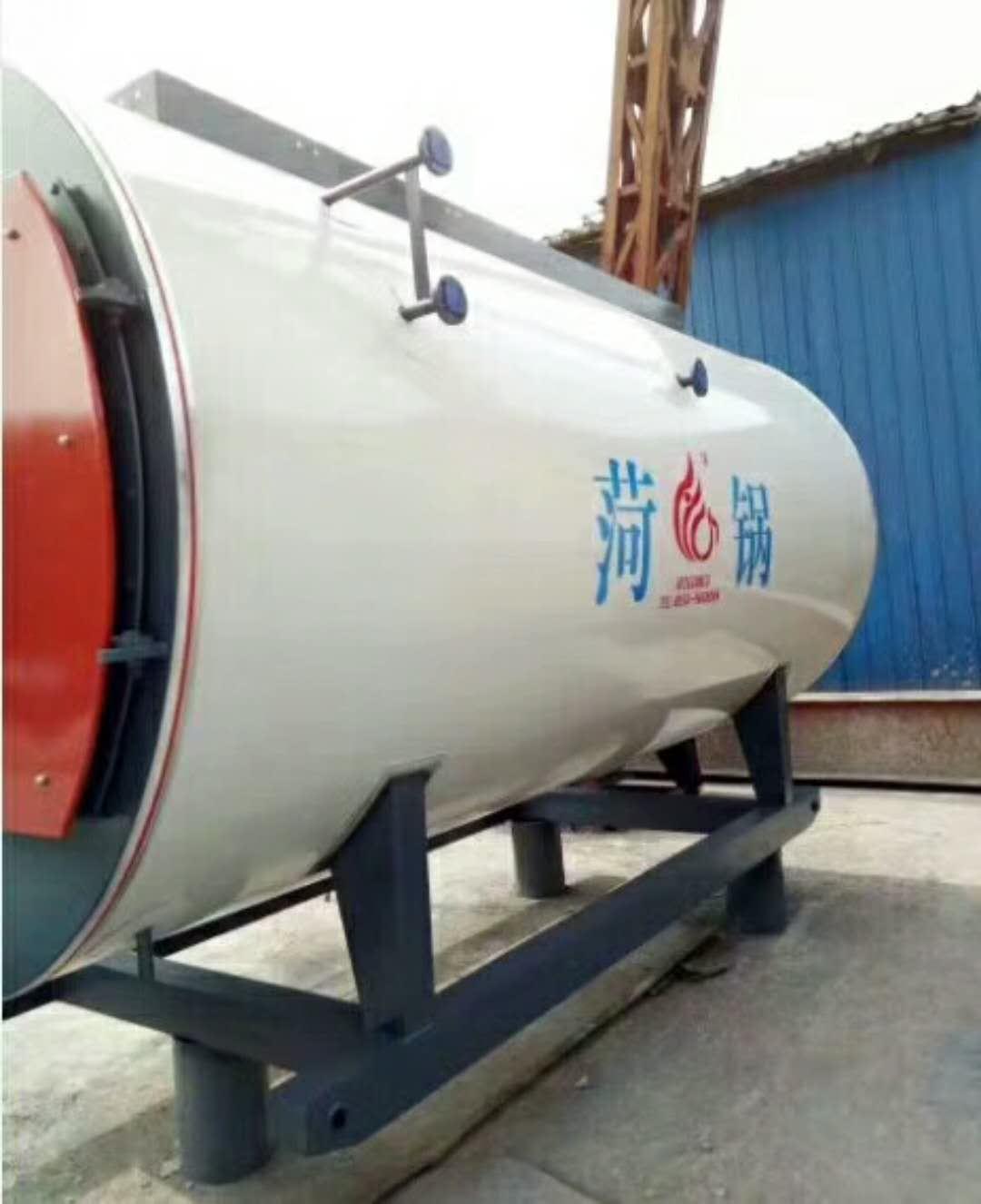

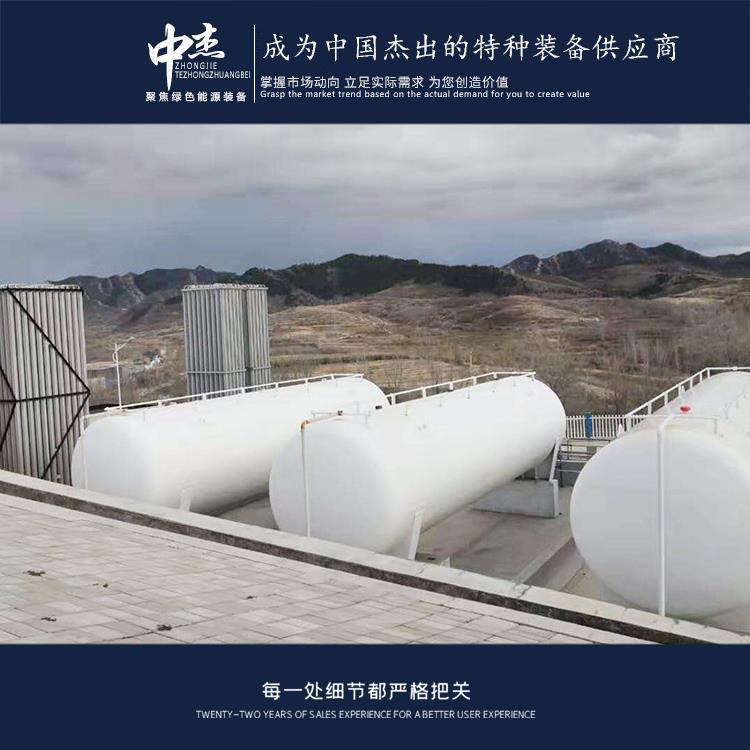
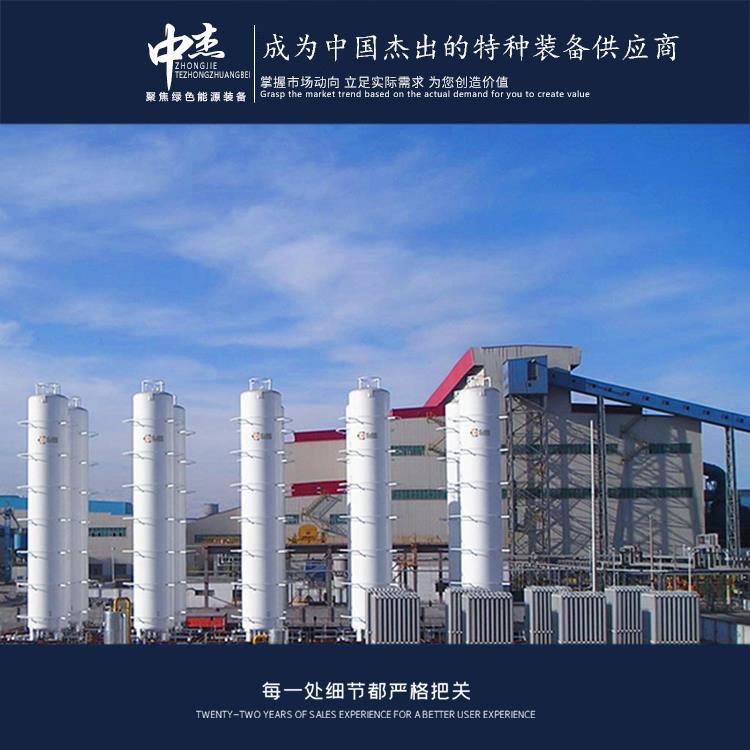


















Shandong Zhongjie Special Equipment specializes in: fuel (gas) boilers, organic heat carrier boilers, biomass boilers, waste heat recovery boilers, and other boiler products; vacuum insulated cryogenic pressure vessels such as LNG storage tanks, oxygen-nitrogenargon storage tanks, CO2 storage tanks; pressure vessel products including denitrification engineering equipment, heat storage and energy storage equipment, and complete chemical equipment; central air conditioning and heating ventilation equipment such as ground (water) source heat pumps, air source units, water-cooled screw units, and air-cooled modular units. Planned products include large-scale energy centers, LNG transport vehicles, LNG tank containers, and other green energy equipment.
When using CO2 storage tanks, the following points should be noted:
- Safe Operation: When using CO2 storage tanks, it is mandatory to follow relevant safety operation procedures and standards. Operators should receive training to understand the tank's characteristics, operational requirements, and safety measures, and operate strictly in accordance with the procedures.
- Tank Inspection: Regularly inspect the tank's appearance, sealing, valves, and pipe connections to ensure the tank's integrity and safety. If any abnormalities or damage are found, repairs or replacements should be made promptly.
- Tank Pressure Control: The tank's pressure should be maintained within a safe range. Regularly check and calibrate pressure sensors, safety valves, etc., to ensure the normal operation of the pressure control system.
- Temperature Control: CO2 storage tanks typically require maintaining a low-temperature state. Ensure the proper operation of cooling equipment, regularly check and calibrate temperature sensors to maintain appropriate storage temperatures.
- Leak Protection: CO2 is a gas prone to leakage, which can cause safety risks and environmental pollution. Ensure the tank and pipeline's sealing integrity, regularly inspect and replace sealing parts, and address leaks promptly.
- Fire and Explosion Prevention: Avoid open flame work near the tank to prevent fire sources from contacting CO2. Maintain good ventilation around the tank to prevent CO2 accumulation.
- Waste Disposal: Dispose of used CO2 storage tanks or residues in accordance with relevant regulations. Adhere to environmental protection requirements to ensure the safe disposal of waste and environmental protection.
- Regular Maintenance: Regularly perform maintenance and inspections on the tank, including cleaning and coating.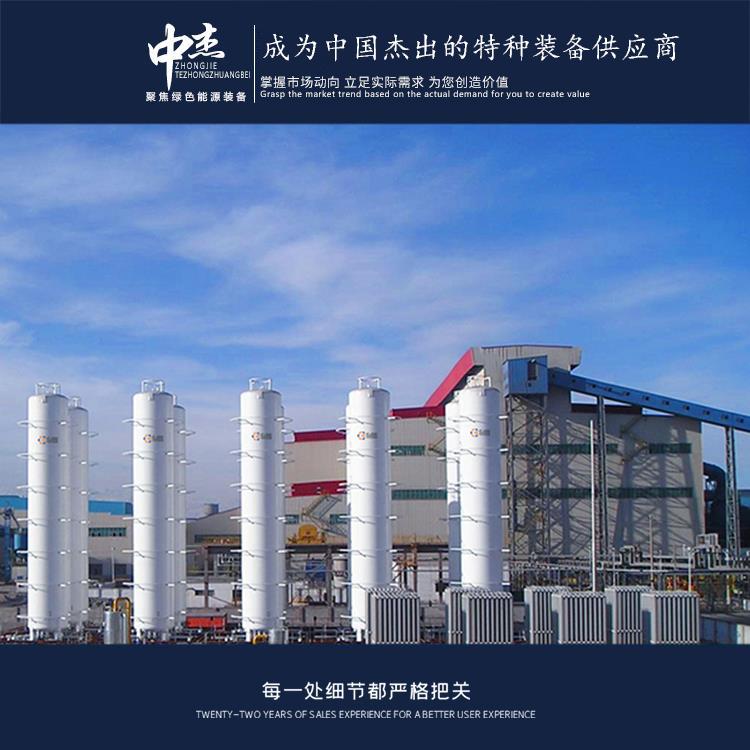
When storing CO2 storage tanks, the following requirements must be followed to ensure safety and effectiveness:
Ventilation: Tanks should be stored in well-ventilated areas to avoid the accumulation of CO2 gas. Ensure adequate air circulation around the tanks to prevent gas buildup and asphyxiation risks.
Fire and Explosion Prevention: Keep tanks away from ignition sources, high-temperature areas, and flammable materials. Avoid open flame operations near tanks to prevent fire and explosion risks.
Avoid Direct Sunlight: Store tanks in a location shielded from direct sunlight to prevent overheating and pressure increase. Direct sunlight can raise tank temperatures, increasing the risk of leaks and explosions.
Prevent Mechanical Damage: Keep tanks away from machinery and heavy objects to avoid collisions and damage. Mechanical damage can lead to tank leaks or ruptures, causing safety hazards.
Identification and Warning Signs: Clearly label tanks with the type of stored gas and pressure information. Set up warning signs around the tanks to remind personnel of their presence and relevant safety precautions.
Regular Inspections: Conduct regular inspections of tank appearance, valves, and connections to ensure they are undamaged. Take prompt corrective actions if any abnormalities are found.
Storage Capacity Control: Control the storage capacity of tanks to avoid exceeding the rated capacity. Overfilling can cause excessive tank pressure, increasing safety risks.
Storage Records: Keep records of tank usage, including filling dates, quantities, and inspection records. Regularly inspect and maintain tanks, and retain relevant records.
It is important to note that specific storage requirements may vary depending on tank type and application. When storing CO2 tanks, operate according to relevant specifications and standards and consult with experts to ensure safety and effectiveness.
Here are some common protection tips for carbon dioxide storage tanks:
- Fire and Explosion Prevention Measures: Set up a fire-resistant buffer zone around the tank, keeping it away from fire sources and flammable materials. The tank itself should implement fire and explosion prevention measures, such as fire-resistant coatings and explosion-proof devices, to prevent fires and explosions.
- Leak Detection and Alarm Systems: The tank should be equipped with leak detection and alarm systems to promptly detect and alert for any tank leaks. Regularly inspect and maintain the leak detection equipment to ensure proper functioning.
- Regular Inspections and Maintenance: Regularly inspect the tank's exterior, valves, connectors, etc., to ensure they are undamaged. Conduct regular leak detection and pressure tests to ensure the tank's safety performance meets requirements.
- Waste Gas Treatment: Treat the waste gases produced by the carbon dioxide storage tank to prevent environmental pollution. Implement appropriate waste gas treatment measures, such as collecting and treating waste gases.
- Static Protection: Adopt static protection measures to avoid static accumulation and discharge. Use anti-static equipment and tools to ensure static safety during operations.
- Safety Training and Awareness: Conduct safety training for operators to enhance their awareness and ability to handle carbon dioxide storage tanks safely. Regularly hold safety training and drills to respond to emergencies.
- Management Records and Documentation: Establish comprehensive management records and documentation, including the tank's usage, inspection records, and maintenance records. Regularly review and update management records to ensure safe management and maintenance of the tank.
Note that these are common protection tips, and specific measures may vary depending on the tank type and application. When using carbon dioxide storage tanks, operate according to relevant specifications and standards, and consult experts to ensure safety and effectiveness.
The filling process for carbon dioxide storage tanks typically includes the following steps:
Preparation: Ensure the tank and filling equipment are in good working condition. Inspect the tank's appearance and valves for any damage or leaks. Check the filling equipment's connecting pipes and valves for tightness and leaks.
Prepare liquid carbon dioxide: Extract liquid carbon dioxide from the supply source and transfer it to the tank of the filling equipment. Ensure the quality and purity of the liquid carbon dioxide meet the requirements.
Connect filling equipment: Attach the outlet pipe of the filling equipment to the tank's inlet valve. Ensure the connection is secure and there are no leaks.
Open valves: Activate the corresponding valves on the filling equipment and tank to allow liquid carbon dioxide to flow into the tank. Adjust the valves as needed to control the filling speed and pressure.
Monitor liquid level: Use a liquid level sensor or other level measurement equipment to continuously monitor the liquid level of carbon dioxide inside the tank. Ensure the level is within a safe range and avoid overfilling.
Filling complete: When the liquid level in the tank reaches the predetermined filling amount, close the corresponding valves on the filling equipment and tank to stop the filling of liquid carbon dioxide.
Inspection and cleaning: Check the valves and pipe connections during the filling process for leaks. Clean up any remaining liquid carbon dioxide around the filling equipment and tank.
Documentation and reporting: Record relevant information about the filling process, including the filling date, amount, and level monitoring results. Submit the filling report to the relevant departments or management as required.
The above is a general carbon dioxide storage tank filling process. Specific operations should be tailored to the tank's characteristics and requirements. When performing filling operations, follow relevant safety operating procedures and have trained professionals conduct the work.
Zhejiang Zhejiang Special Equipment adheres to the grand vision of "realizing employees' dreams, creating customer value, and striving for the prosperity and strength of our motherland," and is dedicated to the development of green energy equipment. We offer society high-quality products and services at competitive prices!
WeChat Official Account

Scan to follow Official Account



















