


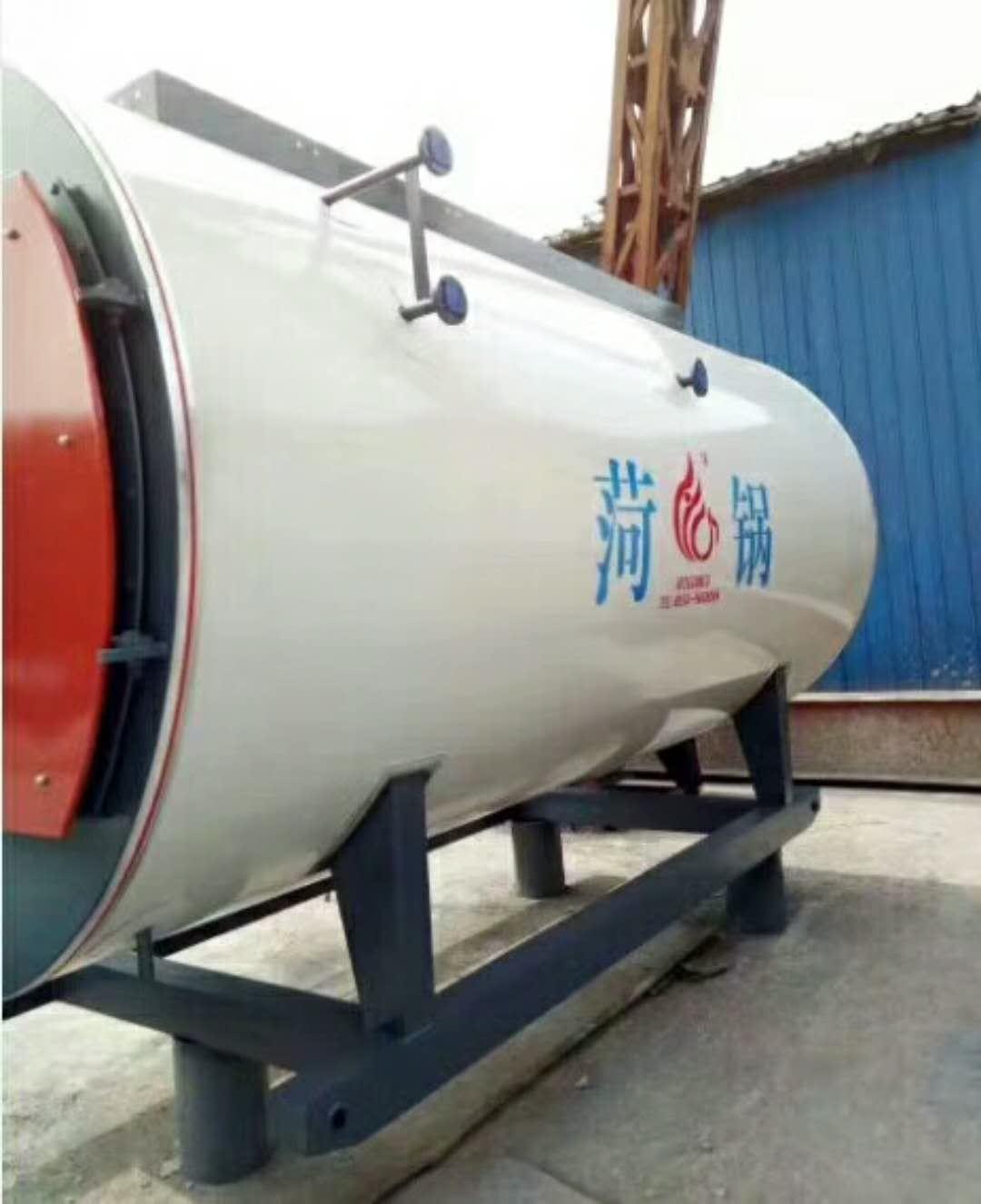

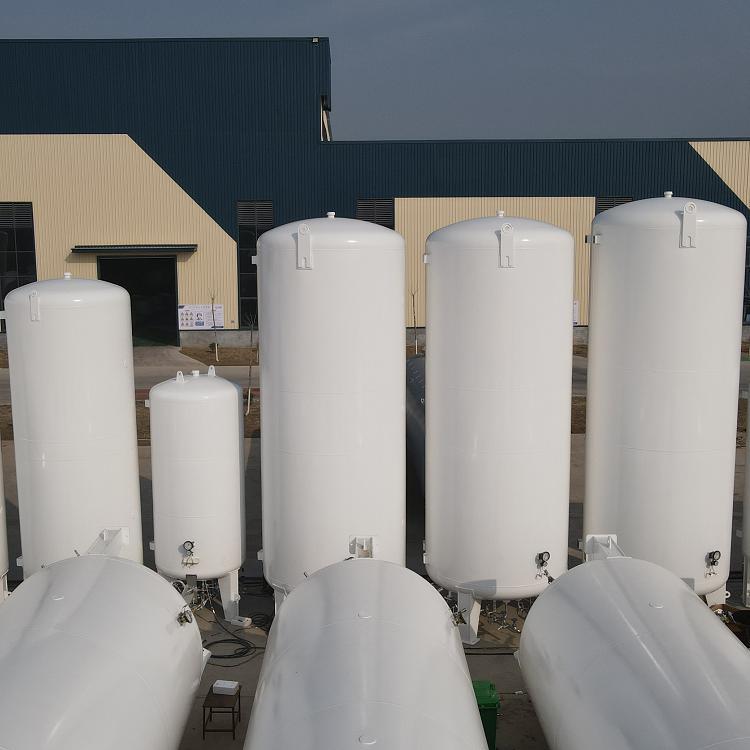
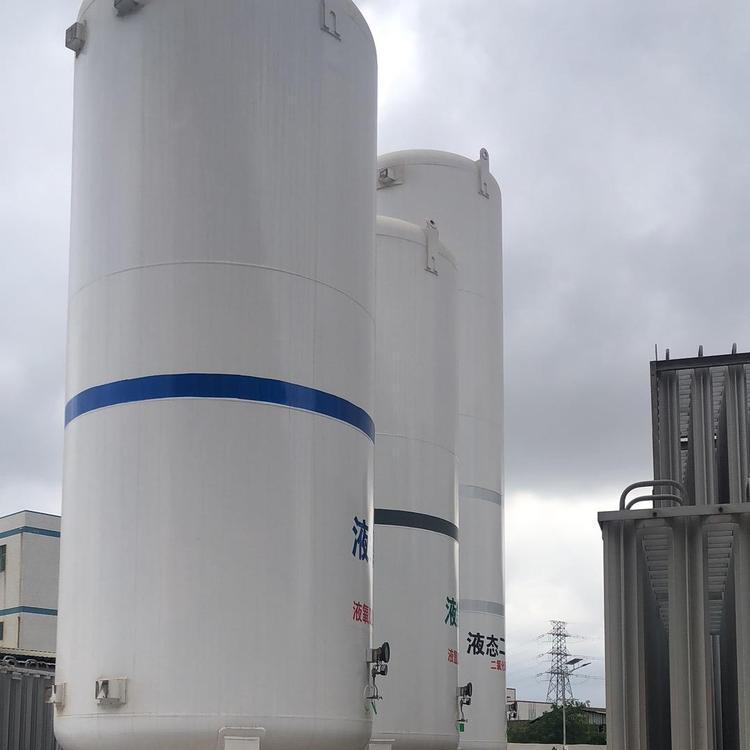


















Shandong Zhongjie Special Equipment (formerly Heze Boiler Factory Co., Ltd.) was established in 2001, located at No. 2218 Jinnan Road, Development Zone, Heze City, with a registered capital of 50 million yuan and total assets of 500 million yuan. The company has 7 business centers: boilers, deep-freeze containers, pressure vessels, central air conditioning, engineering installation, international trade, and Internet of Things. It has three factory sites on Jinnan Road, East Changjiang Road, and Bohai Road, covering a total of 200,000 square meters, with the main workshop spanning 83,000 square meters. It currently employs 710 people, including 247 engineering and technical staff and 82 middle-level technical personnel. In December 2016, it was recognized as a "High-tech Enterprise" by the Science and Technology Department. In June 2021, it was identified as a "Specialized and New Enterprise in Shandong Province" by the Ministry of Industry and Information Technology. In June 2022, it was recognized as a "Gazelle Enterprise in Shandong Province" and in August 2022, as a "Specialized and New Small Giant Enterprise" by the Ministry of Industry and Information Technology.
The reasons why low-temperature liquid storage tanks have been at the peak in recent years are as follows:
Rising Demand: With the development of industries such as manufacturing and scientific research, the demand for low-temperature liquids is continually increasing. Low-temperature liquid storage tanks can effectively store and supply liquefied oxygen, nitrogen, and other low-temperature liquids, meeting the needs of various fields.
Technical Advancements: In recent years, there have been continuous improvements and innovations in the manufacturing technology and materials for low-temperature liquid storage tanks. The application of new insulating materials, advanced refrigeration systems, and safety control devices has enhanced the performance and safety of the tanks, making them more reliable and secure.
Increased environmental awareness: Low-temperature liquid storage tanks enable effective storage and utilization of low-temperature liquids, reducing energy waste and environmental pollution. In the context of rising environmental awareness, low-temperature liquid storage tanks, as an environmentally friendly and energy-saving device, have garnered more attention and applications.
Emerging Application Fields: There is a growing demand for low-temperature liquid storage tanks in emerging application fields. For instance, the application of liquid nitrogen in frozen food, biopharmaceuticals, and semiconductor manufacturing is becoming increasingly widespread, driving the development of low-temperature liquid storage tanks.
Policy Support: The government has provided support and encouragement for the development of low-temperature liquid storage tanks. Through policy guidance and financial support, the industry has been promoted and expanded.
In summary, the reasons for the peak popularity of low-temperature liquid storage tanks in recent years include increasing demand, technological advancements, heightened environmental awareness, development in emerging application areas, and policy support. These factors collectively drive the rapid growth of the low-temperature liquid storage tank industry.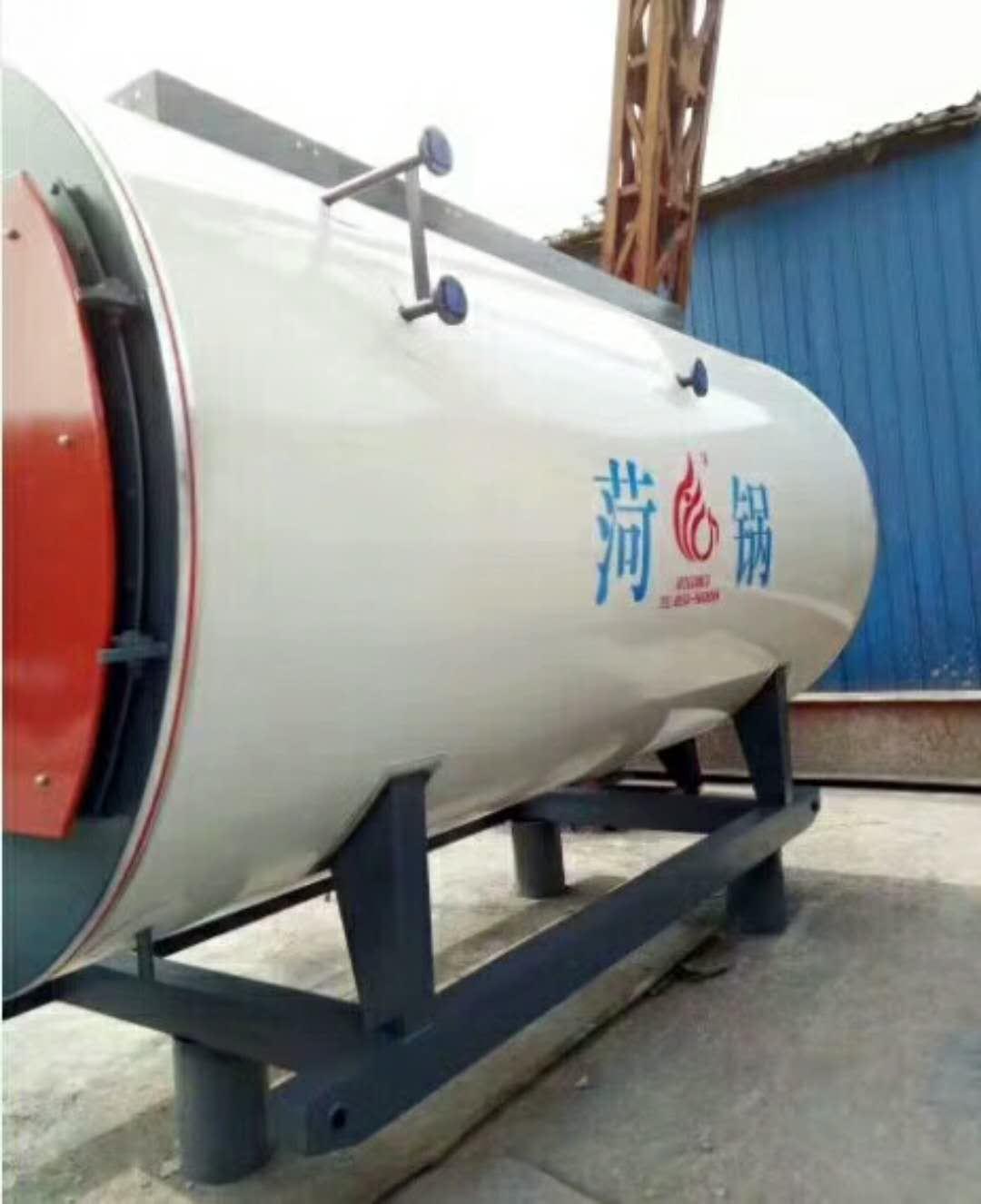
The installation of the safety valve on a liquid oxygen storage tank is a crucial component to ensure that the tank can release pressure in a timely manner during overpressure conditions, protecting the tank and related equipment. Below are the steps for installing the safety valve on a liquid oxygen storage tank:
Determine the rated pressure of the safety valve: Select an appropriate safety valve based on the design pressure and flow requirements of the liquid oxygen storage tank. Ensure that the rated pressure of the safety valve meets the tank's specifications and complies with relevant safety standards and regulations.
Valve Installation Location: Select a suitable location for installing the safety valve. Typically, the safety valve should be mounted on the top or side of the liquid oxygen storage tank to allow for timely pressure release in the event of overpressure.
Preparation for installation interfaces: Prepare the corresponding interfaces according to the connection method of the safety valve. This may include welding interfaces, threaded interfaces, or flange interfaces, etc. Ensure the tightness and stability of the connections.
Install the safety valve: Mount the safety valve onto the prepared interface. Follow the installation instructions for the safety valve to ensure proper connection and tightness.
Adjustment and Testing: After installation, adjust and test according to the requirements of the safety valve. Ensure the opening and closing pressures of the safety valve meet the design specifications, and conduct a leak test to ensure its sealing.
Connect exhaust piping: The exhaust piping of the safety valve should be properly connected to the outlet of the safety valve. The exhaust piping should have sufficient diameter and flow capacity to ensure effective exhaust of overpressure gas when the safety valve is activated.
Identification and Record: Label safety valves and discharge pipes with relevant information such as rated pressure, flow rate, and installation date. Additionally, record the installation details and test results of the safety valves for future reference and maintenance.
When installing the liquid oxygen storage tank safety valve, it is essential to follow relevant safety regulations and operating guidelines. If you lack the necessary experience and knowledge, it is advisable to seek assistance and guidance from professionals to ensure the correct installation and reliable operation of the safety valve.
During the installation of the central oxygen supply low-temperature liquid oxygen storage tank, special attention should be paid to the following aspects:
Safe Operation: Strict adherence to safety procedures and standards must be followed during the storage tank installation process. Operators should be trained, familiar with the properties and safety requirements of liquid oxygen, and knowledgeable about the equipment and operational procedures to ensure safe operations.
Fire Prevention Measures: Liquid oxygen contains a high oxygen content, which is prone to cause fires. During the installation process, necessary fire prevention measures should be taken, such as setting up fire barriers, using fire-retardant coatings, and prohibiting open flames, to prevent the occurrence and spread of fires.
Leakage Control: During the installation process, attention should be paid to leakage control. The leakage of liquid oxygen can lead to increased oxygen concentration, thereby raising the risk of fire and explosion. Leak detectors and alarm systems should be equipped to promptly detect and control leaks, and appropriate emergency measures should be taken.
Oxygen Concentration Monitoring: During the installation process, the oxygen concentration around the liquid oxygen storage tank should be monitored regularly. High oxygen concentrations can exacerbate the combustion of flammable materials, increasing the risk of fire and explosion. Take timely measures to ensure the oxygen concentration remains within a safe range.
Grounding and Static Electricity Protection: During the liquid oxygen plant process, ensure proper grounding of the storage tank and related equipment to minimize static accumulation and discharge. Utilize static-conductive materials and anti-static equipment to reduce the dangers caused by static electricity.
Routine Inspections and Maintenance: After the installation is complete, regular inspections and maintenance should be conducted on the liquid oxygen storage tank. This includes visual inspections, pressure tests, leak detection, etc., to ensure the tank's safety and stability.
It is important to note that during the installation of the central oxygen supply low-temperature liquid oxygen storage tank, the operation should be carried out by experienced personnel and in accordance with relevant safety operation procedures and standards. Throughout the installation process, safety risks should be closely monitored, and timely measures should be taken to ensure the safety and stability of the installation.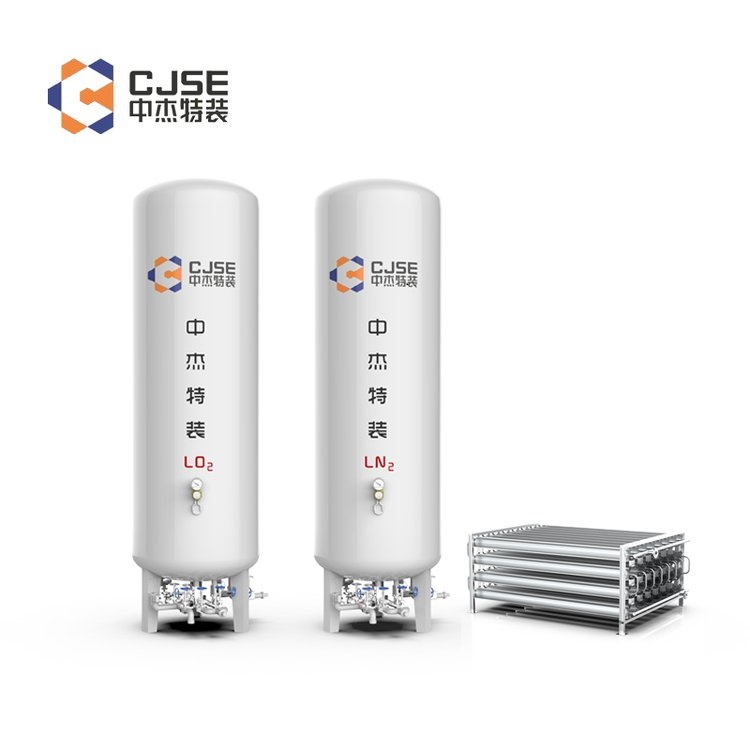
The main reasons for not leaving liquid oxygen tanks empty for extended periods are as follows:
Evaporation loss of liquid oxygen: Liquid oxygen has a low boiling point, and prolonged storage without use will cause it to continually evaporate, resulting in a loss of liquid oxygen within the storage tank. The evaporation rate of liquid oxygen is relatively fast, with daily evaporation amounts potentially reaching several percent of the tank's capacity. Prolonged storage without use can lead to wastage of liquid oxygen.
Safety Risk: Liquid oxygen is a strong oxidizer with high flammability and explosiveness. Prolonged storage without use increases the opportunities for liquid oxygen to come into contact with the surrounding environment, thereby increasing the risk of accidental fires and explosions.
Risk of Storage Tank Damage: Long-term storage of liquid oxygen in an empty tank can lead to internal oxidation reactions, accelerating corrosion and damage to the tank. Tank damage can affect its sealing performance and structural integrity, increasing the risk of leaks and safety accidents.
Therefore, to ensure the safe storage and effective use of liquid oxygen, liquid oxygen tanks should be regularly maintained and serviced to avoid long-term empty storage. When the tank is not in use, appropriate measures should be taken, such as sealing the tank and reducing evaporation of liquid oxygen, to minimize losses and safety risks.
Shandong Zhongjie Special Equipment, welcome customers to visit our factory for business discussions.
WeChat Official Account

Scan to follow Official Account



















