


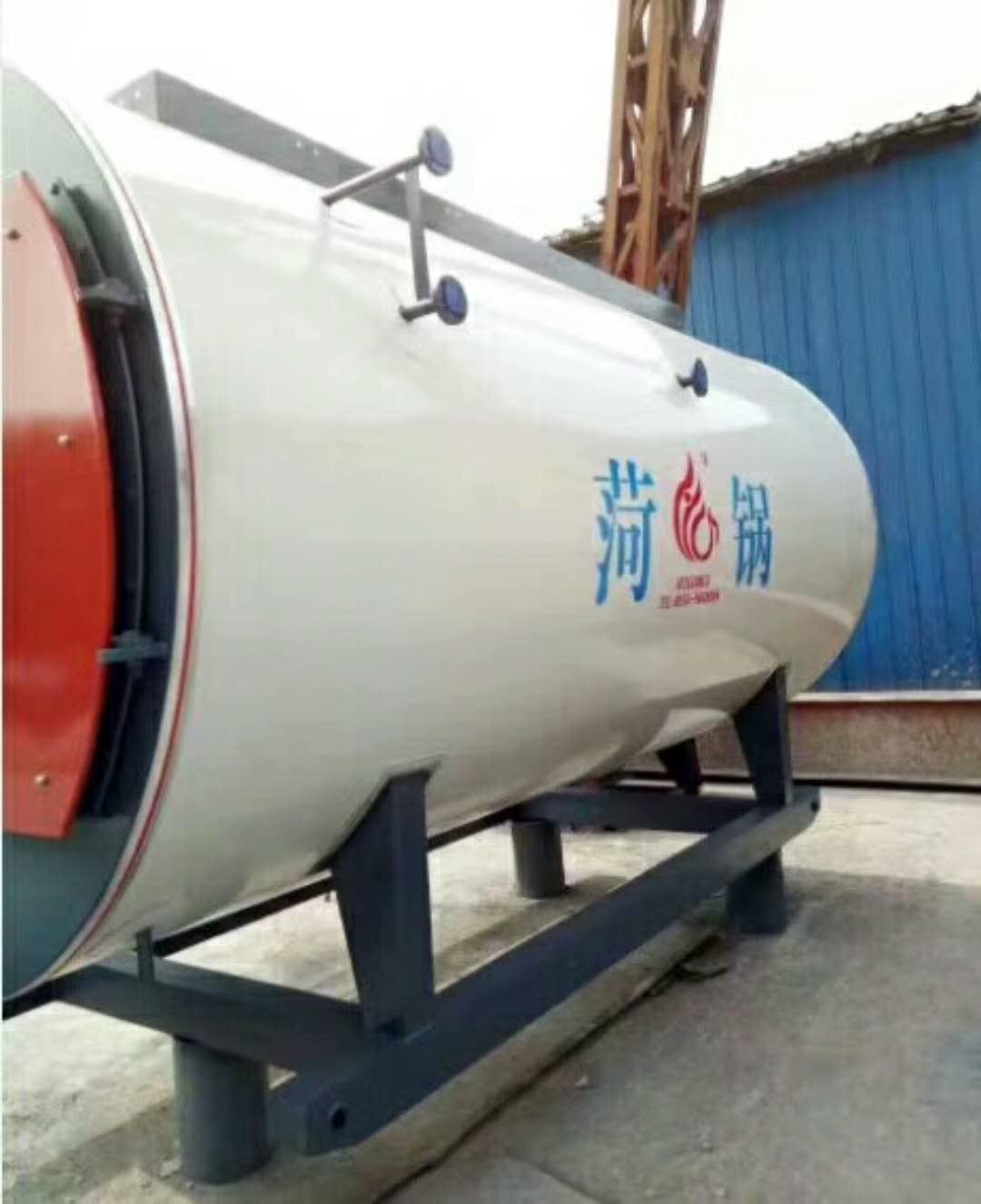

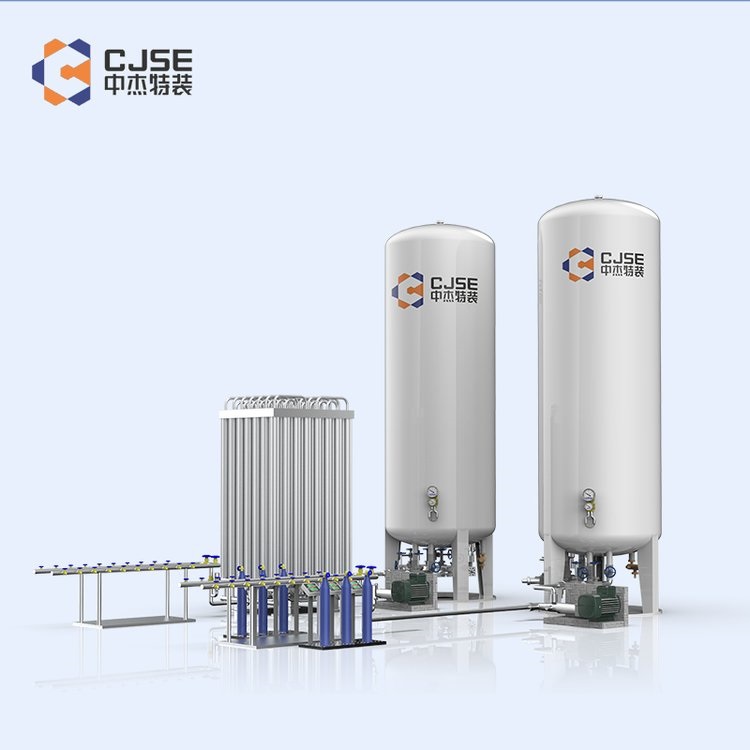


















Shandong Zhongjie Special Equipment Co., Ltd. (formerly Heze Boiler Factory Co., Ltd.) was established in 2001 and is located at No. 2218 Jinan Road, Development Zone, Heze City. With a registered capital of 50 million yuan and total assets of 500 million yuan, the company has seven business centers: boilers, deep-freezing vessels, pressure vessels, central air conditioning, engineering installation, international trade, and the Internet of Things. It has three manufacturing sites on Jinan Road, East Yangtze Road, and Bohai Road, covering a total area of 200,000 square meters, with the main workshop spanning 83,000 square meters. It currently employs 710 staff, including 247 engineers and technicians, and 82 intermediate-level technical personnel. In December 2016, it was recognized as a "High-Tech Enterprise" by the Science and Technology Department. In June 2021, it was identified as a "Specialized and New Enterprise of Shandong Province" by the Industry and Information Technology Department. In June 2022, it was named a "Gazelle Enterprise of Shandong Province" and in August 2022, it was recognized as a "Specialized and New Small Giant Enterprise" by the Ministry of Industry and Information Technology.
When conducting routine inspections of carbon dioxide storage tanks, follow these steps:
Visual Inspection: Check for any obvious damage, corrosion, or oil leakage on the tank's exterior. Pay attention to any anomalies in the tank shell, valves, and pipe connections.
Valve and Pipe Inspection: Verify that the tank's inlet and outlet valves and pipe connections are functioning normally, with no leaks or loose fittings. Ensure valves operate smoothly and reliably.
Pressure Relief Device Inspection: Check that the tank's pressure relief devices (such as safety valves) are operating correctly. Confirm that the set pressure of the relief devices meets requirements.
Level Measurement System Inspection: Verify the accuracy and reliability of the level measurement system. Calibrate the level sensors to ensure accurate level readings.
Pressure and Temperature Inspection: Check that the tank's pressure and temperature sensors are working properly. Confirm the accuracy of pressure and temperature measurements.
Safety Equipment Inspection: Examine the tank's safety equipment, such as safety valves, pressure sensors, and temperature sensors, to ensure they are functioning correctly. Verify that their set parameters meet requirements.
Fire Protection Equipment Inspection: Ensure that fire protection equipment around the tank is in good condition and check that fire extinguishers, sprinkler systems, etc., are functioning properly.
Liquid and Gas Quality Inspection: Ensure the quality of the carbon dioxide liquid and gas in the tank meets specifications, with no impurities or contaminants.
Documentation and Reporting: Record the date of the inspection, the items checked, any issues found, and the actions taken. Submit inspection reports to relevant departments or management as needed.
These are general steps for routine inspections of carbon dioxide storage tanks. Specific procedures should be adapted to the tank's characteristics and requirements. When conducting inspections, follow relevant safety operating procedures and have trained personnel perform the operations.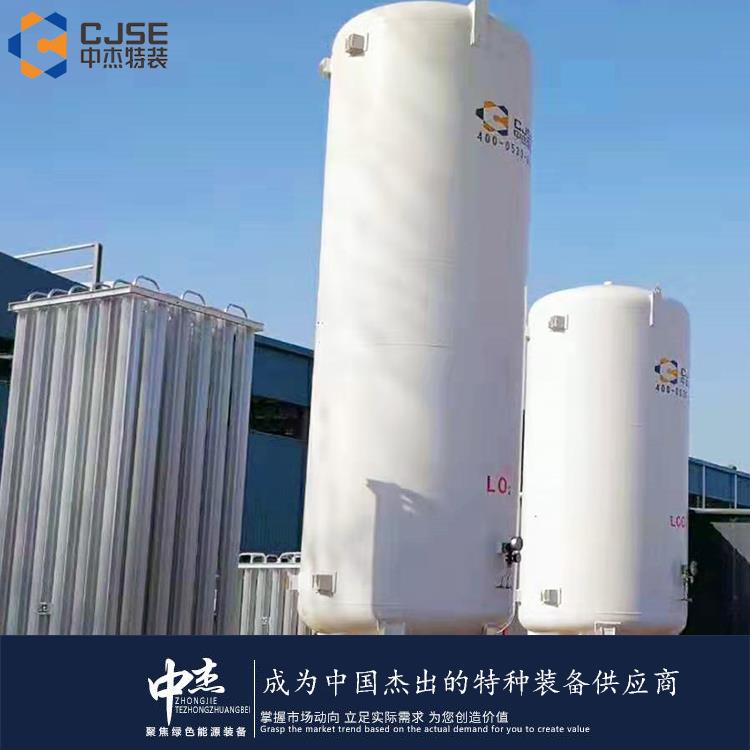
Installation and operation of low-temperature carbon dioxide storage tanks must comply with the following requirements:
Installation Location Selection: When choosing the installation location, consider the tank's weight and dimensions to ensure a solid and stable foundation. Also, keep the tank away from flammable, explosive materials, and high-temperature sources to ensure safety.
Safety Distance: Maintain a certain safety distance around the tank for routine inspections, maintenance, and emergency responses. The safety distance should meet relevant safety regulations and standards.
Connection Pipes: The connection between the tank and pipes should be made using an appropriate method to ensure a secure and reliable connection with no leaks. The connection pipes should comply with relevant standards and specifications.
Pressure Relief Device: The tank should be equipped with a pressure relief device, such as a safety valve, to control internal pressure. The set pressure of the pressure relief device should meet relevant requirements and be inspected and maintained regularly.
Sealing Inspection: The tank's sealing performance should be checked regularly to ensure no leaks. Pay special attention to the sealing of valves, pipe connections, and the tank itself.
Temperature Control: Low-temperature carbon dioxide storage tanks require temperature control to maintain the internal low-temperature state. Ensure the surrounding environmental temperature is suitable and take appropriate insulation measures.
Safety Protection: Appropriate safety protection measures should be set up around the tank, such as guardrails and warning signs, to remind personnel of safety and prevent unauthorized access to the tank.
Storage Capacity Control: The storage capacity of the tank should be controlled according to actual needs to avoid exceeding the rated capacity. Exceeding the rated capacity can lead to excessive pressure in the tank, increasing safety risks.
Storage
When selecting a carbon dioxide storage tank support, consider the following factors: Load Capacity: The design and selection of the support should be capable of bearing the weight and pressure of the tank. The support's load-bearing capacity should be determined based on the tank's dimensions, weight, and working conditions. Stability: The support should have sufficient stability to prevent tilting or collapse during use. The design should take into account the tank's center of gravity and changes in it to provide stable support. Corrosion Resistance: As carbon dioxide has some corrosive properties, the material chosen for the support should have good corrosion resistance to prevent corrosion and damage. Ease of Installation and Maintenance: The design of the support should consider ease of installation and maintenance to facilitate the tank's installation, adjustment, and maintenance work. Compliance with Standards and Regulations: The design and selection of the support should comply with relevant standards and regulations, such as Standard GB150 "Steel Pressure Vessels." Additionally, other related factors can be considered, such as cost, reliability, and durability. When choosing a support, consult engineers or consulting companies for advice and guidance.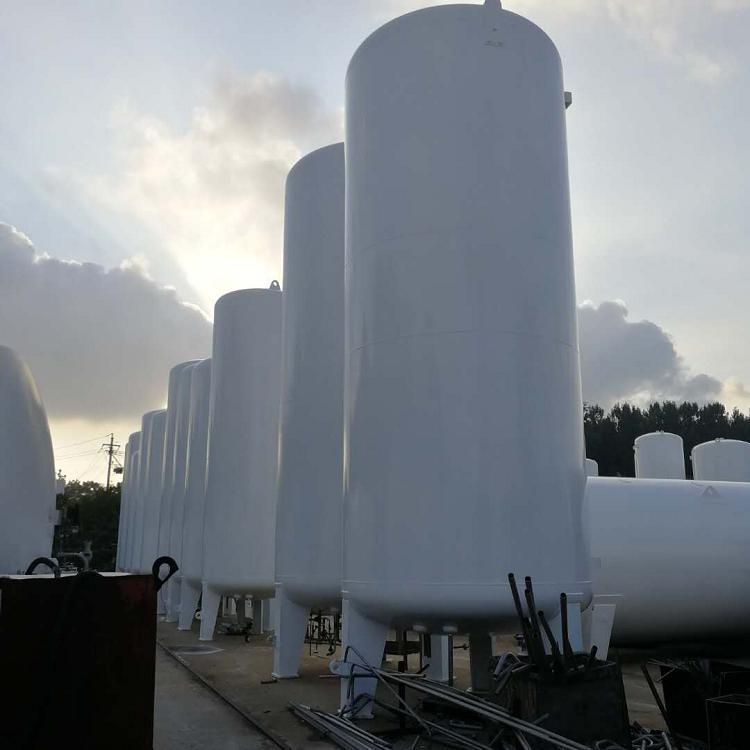
Carbon dioxide cylinder hydrostatic testing is a common quality inspection method used to verify the cylinder's sealing and pressure resistance. Below are the general steps for conducting a hydrostatic test on a carbon dioxide cylinder:
Preparation: Ensure the cylinder interior is clean and the cylinder is empty. Check the cylinder's valves, pipes, and connections to ensure they are sealed properly.
Fill with Water: Fill the cylinder interior with water, using tap water or another clean water source. Ensure the water is filled evenly, avoiding bubbles or dead spots.
Apply Pressure: Use a pressure pump or another pressure device to gradually increase the water pressure until it reaches the predetermined test pressure. The test pressure is typically determined based on the cylinder's design requirements and relevant standards.
Maintain Pressure: After reaching the test pressure, hold it for a period, usually 15-30 minutes. During this time, observe for any leakage in the cylinder and check for leaks at the valves and connections.
Release Pressure: Release the water pressure inside the cylinder, ensuring it is released slowly and evenly to avoid sudden pressure release causing shock.
Inspection and Evaluation: After pressure release, inspect the cylinder's exterior and interior for any leakage. Evaluate the test results to ensure the cylinder's sealing and pressure resistance meet requirements.
It is important to note that when conducting hydrostatic testing, safety operating procedures and standards should be followed to ensure safety and reliability during the testing process. Depending on the cylinder's design and usage requirements, other types of tests can be conducted, such as gas pressure testing, ultrasonic testing, etc., to comprehensively assess the cylinder's quality and performance. Seek advice and guidance from experts.
Our company attaches great importance to technological innovation and R&D design, boasting one municipal-level enterprise technology center in Heze City. We have established testing facilities for non-destructive testing, physical and chemical testing, welding testing, hydrostatic testing, and more. We are equipped with over 600 types of instruments and equipment, including CNC machine tools, X-ray flaw detectors, digital ultrasonic flaw detectors, mechanical property testing machines, chemical analyzers, spectrometers, tensile testing machines, plasma welding machines, and more. Our key products and technologies, such as thermal pressure vessel welding, biomass boiler emission reduction, and waste heat recovery, have successively been selected for multiple Shandong Provincial Department of Industry and Information Technology science and technology innovation projects, key projects in Shandong Province, and Heze City innovation and excellence projects. We have accumulated 27 authorized utility model patents, 16 authorized invention patents, participated in drafting 2 standards, 2 industry standards, and registered 15 trademarks. The technical team of our company, in collaboration with Professor Li Yajiang of Shandong University, has developed deep cryogenic container processing technology using the internationally recognized plasma arc + wire filling argon arc welding (PAW-GTAW) technology. The provincial-level scientific and technological achievement assessment has determined that our technology level in deep cryogenic container manufacturing has reached international standards. Choose Zhongjietech for a brighter future together!
WeChat Official Account

Scan to follow Official Account



















