


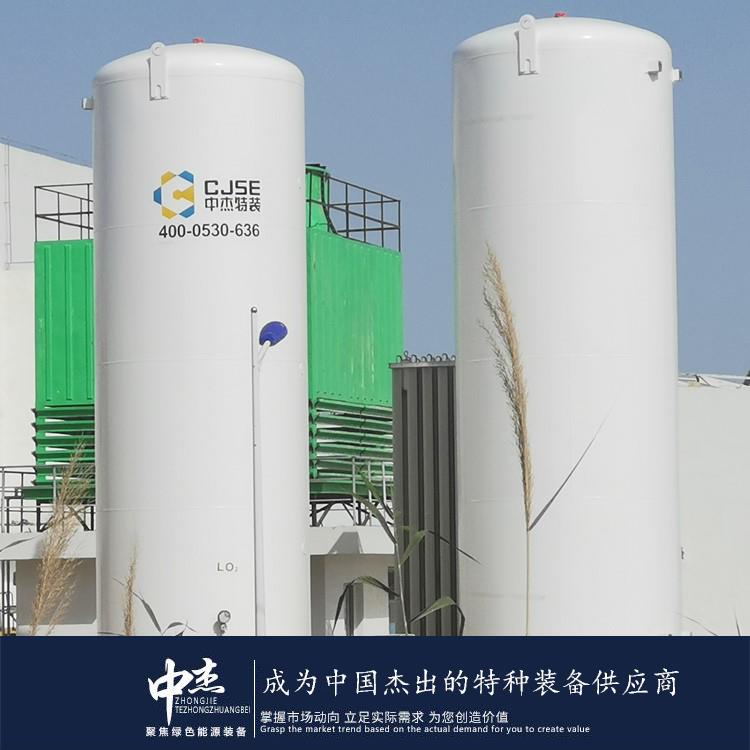

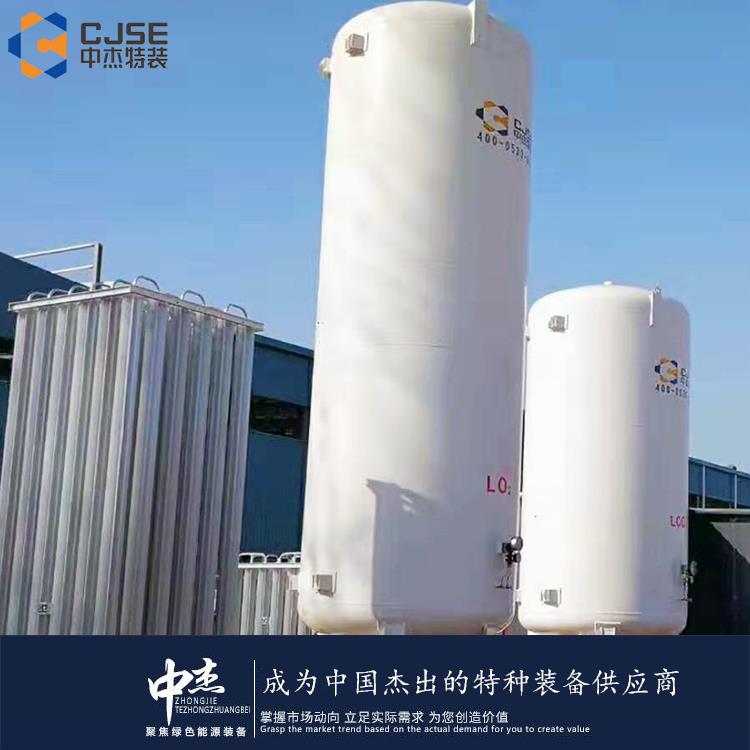
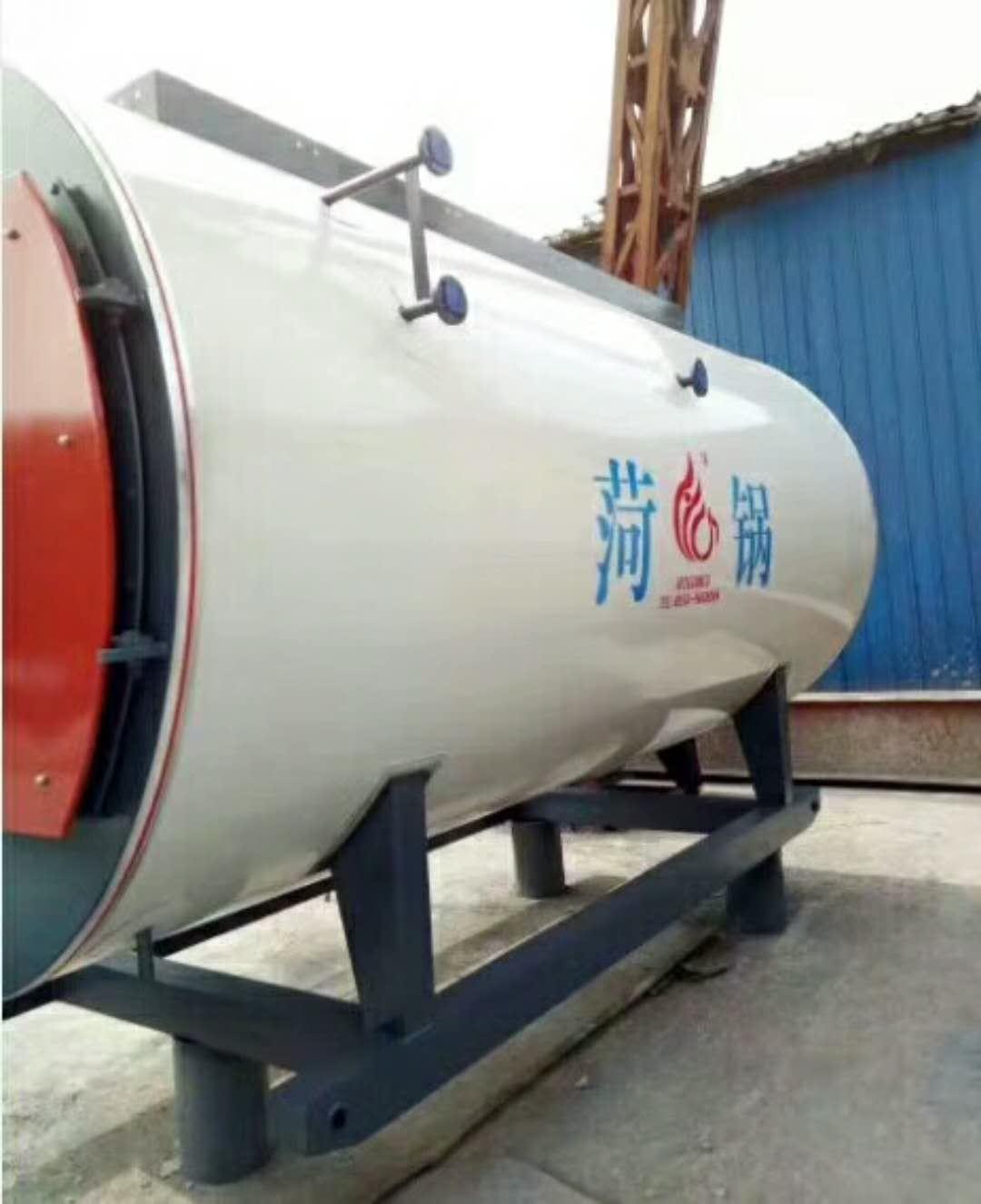


















Shandong Zhongjie Special Equipment's main products include: fuel (gas) boilers, organic heat carrier boilers, biomass boilers, waste heat boilers, and other boiler products; vacuum insulation deep-freeze pressure vessels such as LNG storage tanks, oxygen/nitrogen/argon storage tanks, and CO2 storage tanks; pressure vessel products such as denitrification engineering equipment, heat storage and energy storage equipment, and complete chemical equipment; central air conditioning and HVAC equipment such as ground (water) source heat pumps, air source units, water-cooled screw units, and air-cooled modular units. Planned products include large-scale energy centers, LNG transport vehicles, LNG tank containers, and other green energy equipment.
Carbon dioxide cylinders are safe when used and maintained correctly, but failure to adhere to safety procedures or improper operation can pose some dangers. Here are some potential hazards associated with carbon dioxide cylinders:
High-pressure Hazard: Carbon dioxide cylinders are typically used to store high-pressure CO2 gas, thus presenting a high-pressure risk. If the cylinder is damaged, overheated, or over-pressurized, it could lead to an explosion or leak, causing personal injury and property damage.
Asphyxiation Hazard: CO2 is an asphyxiating gas; high concentrations can displace oxygen in the air, leading to asphyxiation. When using carbon dioxide cylinders in enclosed spaces, ensure adequate ventilation and oxygen supply to avoid asphyxiation risks.
Freezing Hazard: Liquid CO2 is extremely cold, and contact with it can cause cold injury. Follow proper operating procedures and use appropriate personal protective equipment to prevent cold injury.
Fire Hazard: Although CO2 itself is not flammable, it can suppress oxygen supply at high concentrations, potentially extinguishing fires. However, if CO2 leaks into the air, it may form flammable mixtures, increasing the risk of fire.
To ensure safety, adhere to relevant safety operating procedures and guidelines when using carbon dioxide cylinders and receive necessary training. Regularly inspect and maintain the cylinders, following the manufacturer's recommendations and local regulations to reduce potential hazards. In case of abnormal situations or leaks, take immediate appropriate emergency measures and notify relevant personnel.
In the event of a CO2 cylinder leak, the following measures should be taken immediately to address the situation:
1. Ensure personnel safety: First, ensure that people evacuate the leak area quickly and move away from any potential hazards. If necessary, use appropriate personal protective equipment, such as respirators and protective suits.
2. Cut off the gas source: As soon as possible, disconnect the CO2 supply source to stop further leakage. Close the relevant valves or switches, or disconnect the connection to the cylinder.
3. Prevent ignition sources: Ensure there are no open flames or other heat sources that could cause a fire in the leak area. If there is a fire risk, take appropriate fire extinguishing measures immediately.
4. Ventilation: Activate ventilation equipment to increase air flow, which helps dilute and expel the leaked CO2 gas. Ensure that the ventilation equipment is functioning properly and that the ventilation system does not introduce CO2 gas into other areas.
5. Seal the leak point: If possible, attempt to seal the leak point using suitable materials or methods to reduce or stop the leakage. This may require assistance from personnel.
6. Notify relevant departments: Report the leak to the relevant emergency, environmental protection departments, or related agencies promptly and follow their instructions.
Please note that dealing with a CO2 cylinder leak is a dangerous task and should be performed by trained and experienced personnel. Always follow relevant safety operating procedures and guidelines during the process.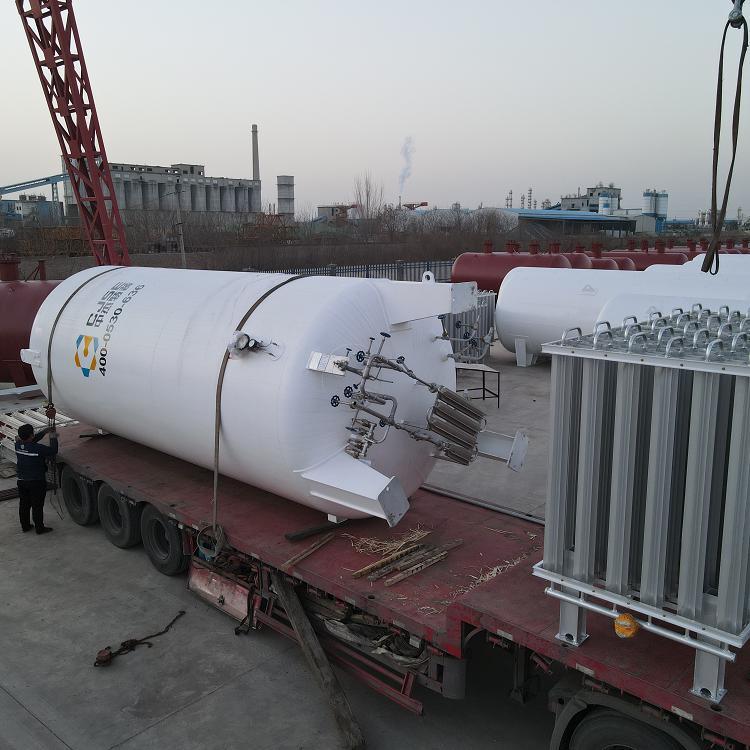
When planning CO2 storage tanks, the following requirements should be considered:
- Safety Distance: Tanks should maintain adequate safety distances from surrounding buildings, equipment, and personnel to prevent injuries and losses in case of accidental incidents. Specific safety distance requirements can be stipulated according to local regulations and standards.
- Tank Capacity: Determine the tank's capacity based on actual needs and usage. The choice of capacity should consider factors such as CO2 usage, storage duration, and supply requirements.
- Tank Layout: The layout should facilitate operation and maintenance while meeting safety and environmental protection requirements. Sufficient spacing between tanks should be ensured for ease of operation and maintenance.
- Tank Material: Select appropriate materials for tank construction to ensure corrosion and pressure resistance. Common materials include carbon steel and stainless steel.
- Safety Equipment: Tanks should be equipped with necessary safety equipment, such as safety valves, pressure sensors, and temperature sensors, to ensure safe operation.
- Leak Protection: Measures should be taken to prevent CO2 leaks, such as sealed valves and leak detection systems. Corresponding leak handling measures and emergency response plans should also be in place.
- Environmental Impact Assessment: An environmental impact assessment should be conducted when planning tanks to evaluate their impact on the surrounding environment and implement appropriate measures for environmental protection.
- Regulations and Standards: Adhere to local regulations and standards, including building codes, safety specifications, and environmental protection requirements, when planning tanks.
It is important to note that planning CO2 storage tanks should be carried out by engineers or relevant agencies to ensure compliance with safety and environmental protection requirements. Consulting with local authorities for advice and guidance is also necessary.
The internal structure of a carbon dioxide storage tank typically includes the following main components:
- Tank Shell: The tank shell is the primary container for storing carbon dioxide, usually made of carbon steel or stainless steel. It has sufficient strength and sealing properties to withstand the pressure and loads inside the tank.
- Lining Layer: To prevent direct contact between carbon dioxide and the tank shell, avoiding corrosion and contamination, the inside of the tank is usually coated with a lining layer. The lining is typically made of corrosion-resistant materials such as glass fiber reinforced plastic or polyester resin.
- Support Structure: To support the weight of the tank and maintain stability, a support structure is usually installed inside the tank. This can include support feet or frames, used to support the bottom and side walls of the tank.
- Internal Accessories: The tank is also equipped with some important accessories, such as level gauges, pressure sensors, temperature sensors, and safety valves. These accessories are used to monitor and control the liquid level, pressure, and temperature inside the tank to ensure safe operation.
- Pressure Relief Device: To prevent excessive internal pressure, the tank is usually equipped with a pressure relief device, such as a safety valve. When the internal pressure exceeds the set value, the pressure relief device will automatically open to release pressure, protecting the tank's safety.
- Inlet and Outlet Pipes: The tank also has inlet and outlet pipes for injecting and discharging carbon dioxide. These pipes are typically connected to external supply or consumption systems to facilitate the storage and use of carbon dioxide.
The above describes the general internal structure of a carbon dioxide storage tank. Specific structural design and configurations may vary depending on the tank's purpose and specifications. When using and maintaining the tank, it is necessary to...
Our company places great emphasis on technological innovation and R&D, boasting one city-level enterprise technology center in Heze City. We have established testing facilities for non-destructive testing, physical and chemical testing, welding testing, hydrostatic testing, and more. We are equipped with over 600 types of instruments and equipment, including CNC machine tools, X-ray flaw detectors, digital ultrasonic flaw detectors, mechanical property testing machines, chemical analyzers, spectrometers, tensile testing machines, plasma welding machines, and more. The key products and technologies we have developed, such as temperature and pressure vessel welding, biomass boiler emission reduction, and waste heat utilization, have successively been selected for multiple Shandong Provincial Department of Industry and Information Technology scientific and technological innovation projects, key projects of Shandong Province, and Heze City innovation and excellence projects. We have accumulated a total of 27 authorized utility models, 16 authorized inventions, participated in drafting 2 standards, 2 industry standards, and registered 15 trademarks. Our technical team, in collaboration with Professor Yajiang Li of Shandong University, has developed deep cryogenic container processing technology, utilizing the international plasma arc + filler wire tungsten inert gas arc welding (PAW-GTAW) technology. After provincial-level scientific and technological achievement evaluation, the technology level has reached an international standard in the field of deep cryogenic container manufacturing. Choose Zhongjie Special Equipment, and let's create brilliance together!
WeChat Official Account

Scan to follow Official Account



















