


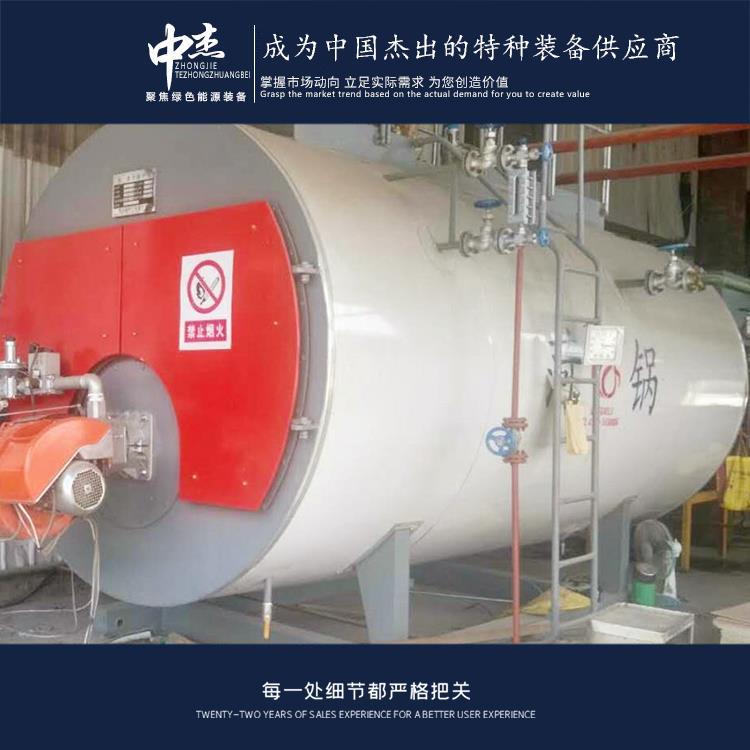

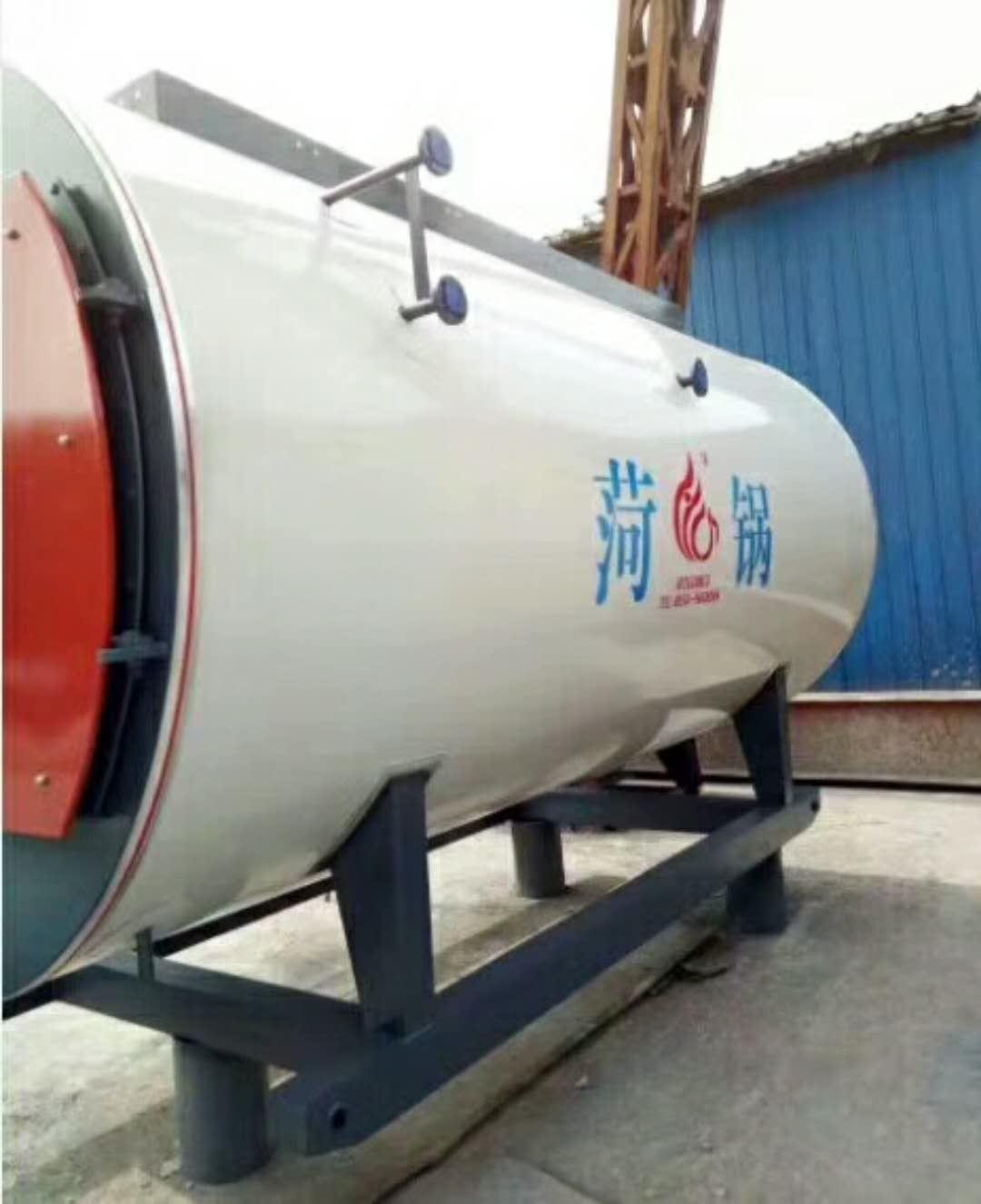
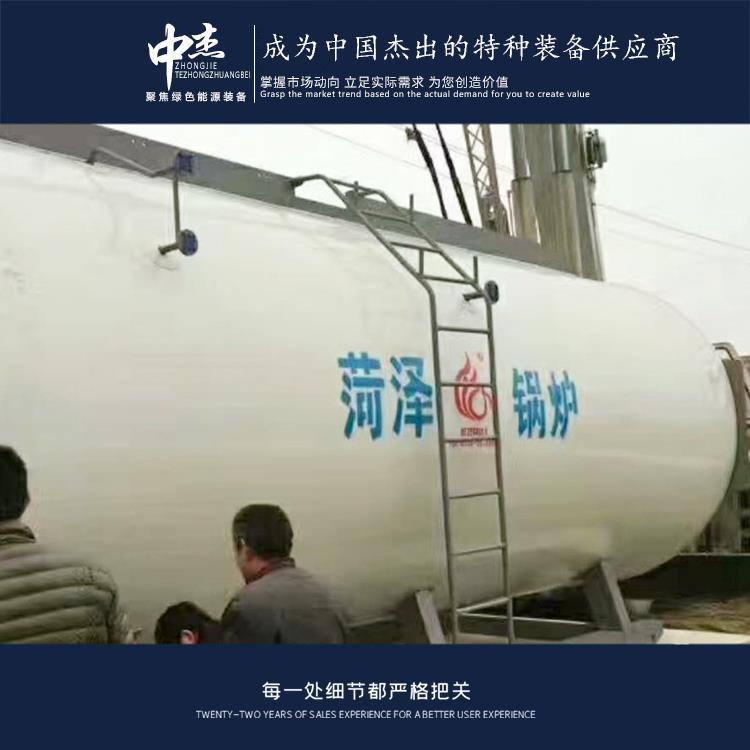


















Shandong Zhongjie Special Equipment (formerly Heze Boiler Factory Co., Ltd.) holds an A-grade boiler manufacturing license, an A2-grade pressure vessel manufacturing license, an A2-grade pressure vessel design license, B-grade boiler installation license, and GB2/Class, GC2/Class pressure pipeline installation licenses, as well as equipment and machinery installation contracting qualifications. It is a member of the China Boiler and Water Treatment Association, the China Chemical Equipment Association, and the council unit of the Shandong Equipment Manufacturing Association. The company has also passed the ISO9001 Quality Management System certification, ISO14001 Environmental Management System certification, OHSAS18001 Occupational Health and Safety Management System certification, and the American ASME/U2 certification.
If there is an issue with the thermal oil furnace circulating pump, follow these steps for troubleshooting:
- Shutdown and Inspect: First, stop the thermal oil furnace and disconnect the power. Check for any obvious signs of failure in the pump, such as unusual noises, oil leaks, or seepages. Inspect the motor for proper operation and for any abnormal heat generation.
- Clean the Pump Body: If sediment or debris is found in the pump body, clean it. Use appropriate tools and cleaning agents to remove dirt and obstructions from inside the pump. Exercise caution to avoid damaging the pump body.
- Check Pump Connections: Inspect the pump's connections, including inlet and outlet pipes, valves, and seals. Ensure that connections are tight, valves operate smoothly, and seals are intact. Repair or replace any loose or damaged parts promptly.
- Inspect the Pump Motor: Check the motor for proper operation, unusual sounds, or overheating. Inspect the power lines and control system for the motor to ensure normal power supply and correct control signals.
- Check the Lubrication and Cooling System: Ensure the pump's lubrication and cooling systems are functioning correctly. Check the supply of lubricating oil or grease, and the circulation and temperature control of cooling water or coolant.
- Adjust Pump Parameters: Depending on the situation, you may need to adjust the pump's parameters, such as flow rate and head. Adjust the pump speed or valve opening according to the equipment's requirements and operating conditions to meet the thermal oil furnace's energy needs.
- Seek Repair if Necessary: If the above steps do not resolve the issue or more extensive repair and inspection are needed, it is recommended to seek repair services. Contact a repair technician or manufacturer's technical support for further troubleshooting and repair.
- Safety is Key: When dealing with thermal oil furnace circulating pump issues, always operate safely and follow relevant operational procedures and safety requirements. If unsure how to proceed or if there are safety concerns, seek assistance immediately.
Before starting the heating gas hot water boiler, the following correct procedures must be followed:
- Check the gas supply system: Ensure the gas supply system is operating properly, inspect gas pipes, valves, and pressure regulators, ensuring there are no leaks or blockages in the gas supply.
- Check the water system: Inspect the water circulation system of the heating system, including pumps, valves, and pipes, ensuring the waterways are clear, with no leaks or blockages.
- Check the electrical system: Inspect the boiler's electrical system, including power connections, controllers, and sensors, ensuring electrical equipment is functioning normally.
- Check the safety devices: Inspect the boiler's safety devices, including safety valves, pressure switches, and water level controllers, ensuring they are operating correctly to ensure safe boiler operation.
- Prepare for ignition: According to the boiler's operating instructions, prepare the tools and equipment needed for ignition, including an igniter and ignition electrode.
- Open the gas valve: Slowly open the gas valve to ensure a steady gas supply and avoid gas surges.
- Ignition start-up: Follow the boiler's operating instructions for ignition start-up. Perform the appropriate operations based on the boiler model and control system to ensure smooth ignition.
- Monitor operating status: After start-up, closely monitor the boiler's operating status, including combustion, water level, and pressure, ensuring normal operation without any abnormalities.
- Adjust parameters: Adjust the boiler's parameters as needed, including temperature, pressure, and water level, to meet the requirements of the heating system.
- Regular maintenance: After start-up, perform regular maintenance, including cleaning the burner, checking water level and pressure, and replacing worn parts, to ensure normal and safe boiler operation.
- It is recommended to refer to the boiler's operation manual and manufacturer's guidelines before starting the heating gas hot water boiler to ensure correct and safe operation. If necessary, hire personnel for operation and maintenance.
During the operation of a thermal oil furnace, several important points should be noted:
- Temperature Control: During the operation of the thermal oil furnace, close attention and control of the thermal oil temperature are required. Ensure the temperature remains within a safe range to avoid decomposition of the oil at high temperatures or condensation and scaling at low temperatures. Regularly inspect and calibrate temperature sensors to ensure accurate temperature measurement.
- Pressure Control: The operation of the thermal oil furnace requires maintaining an appropriate working pressure. Excessive pressure may cause equipment damage or leaks, while insufficient pressure may reduce heat transfer efficiency. Regularly inspect and maintain pressure gauges and safety valves to ensure accurate and safe pressure control.
- Oil Quality and Cleanliness: The quality and cleanliness of the thermal oil are crucial for the normal operation of the furnace. Regularly inspect and replace thermal oil to ensure it meets quality and performance requirements. Regularly clean and maintain heat exchangers, burners, and flues to prevent the accumulation of dust and debris that could affect heat transfer efficiency.
- Regular Maintenance and Inspection: Regular maintenance and inspections are necessary for thermal oil furnaces to ensure proper operation and extend their lifespan. Regularly inspect and clean burners, flues, and heat exchangers; check and replace seals and valves; inspect and calibrate safety devices to ensure equipment safety and reliability.
- Safe Operation: Strict adherence to operational procedures and safety protocols is required during the operation of the thermal oil furnace. Operators must possess the relevant skills and knowledge.
Selecting the appropriate gas steam boiler requires considering the following factors: Steam Demand: First, determine your steam requirements, including steam pressure and evaporation capacity. Based on actual needs, specify the boiler's rated evaporation capacity and rated steam pressure to ensure the boiler meets your production or heating requirements. Fuel Type: Gas steam boilers use gas as fuel, with common types including natural gas, LPG, etc. Choose the appropriate gas type based on available resources and cost considerations. Boiler Efficiency: The efficiency of the boiler directly impacts energy utilization and operating costs. Opting for a high-efficiency gas steam boiler can reduce energy consumption and operating costs. Pay attention to the boiler's thermal and combustion efficiency, selecting a boiler with higher efficiency. Boiler and Quality: Choose a gas steam boiler produced by a manufacturer with a good reputation to ensure product quality and reliability. Understand the manufacturer's production capacity, after-sales service, and technical support, and select a reliable supplier. Safety and Environmental Protection: Pay attention to the safety and environmental performance of the boiler. Ensure the boiler is equipped with necessary safety protection devices and monitoring systems, as well as a combustion system that complies with environmental standards to minimize environmental impact. Economic Viability: In addition to purchase cost, consider the boiler's operating and maintenance costs. Consider the boiler's energy consumption
Shandong Zhongjie Special Equipment, welcome customers to our factory for business discussions.
WeChat Official Account

Scan to follow Official Account



















