


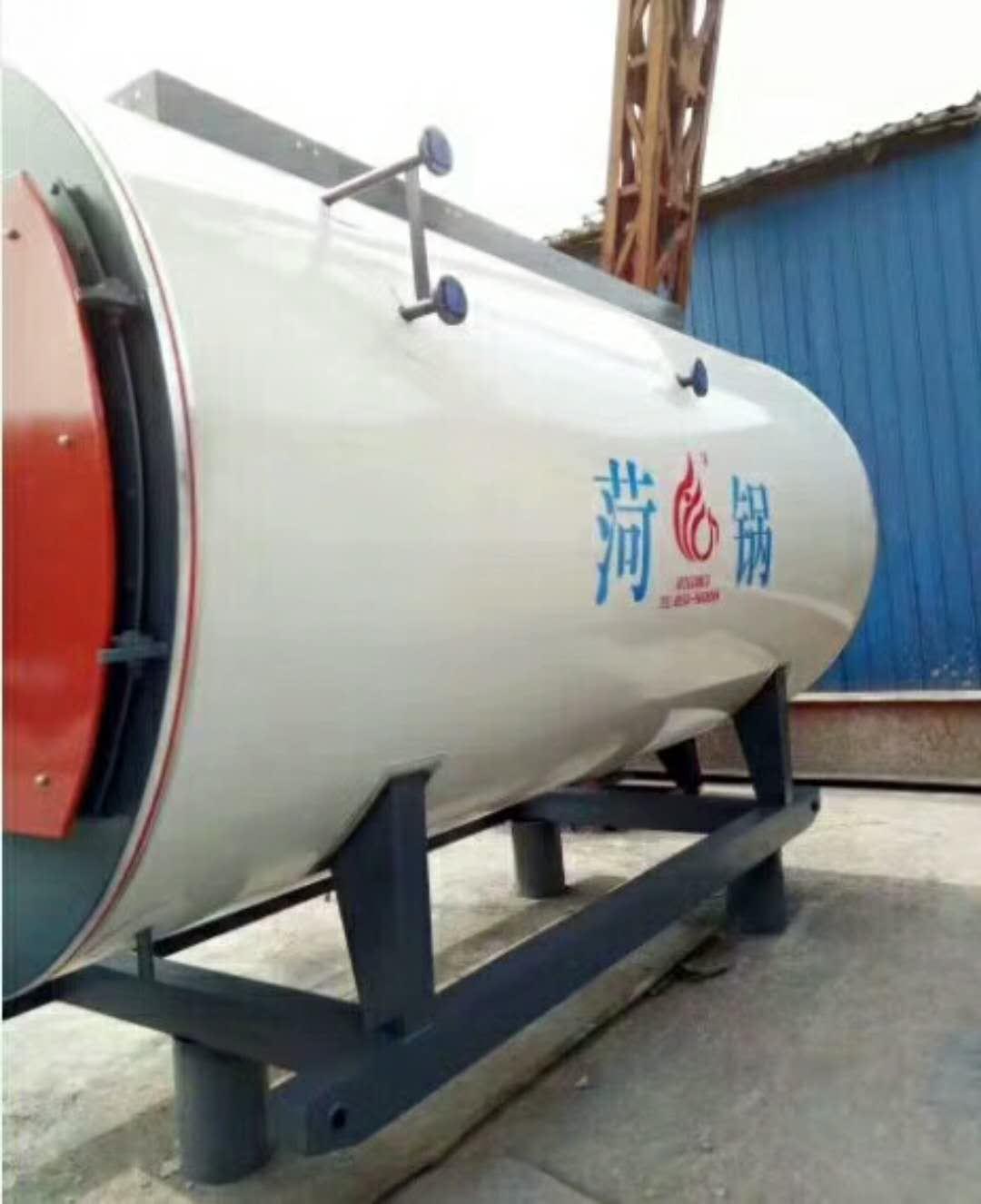

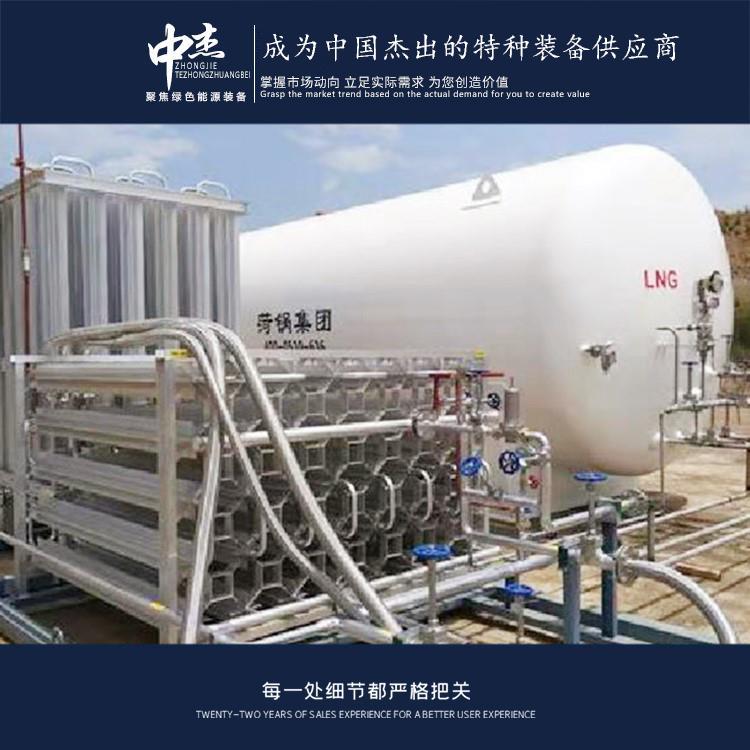


















Shandong Zhongjie Special Equipment (formerly Heze Boiler Factory Co., Ltd.) was established in 2001, located at No. 2218 Jinnan Road, Development Zone, Heze City, with a registered capital of 50 million yuan and total assets of 500 million yuan. The company has 7 business centers: boiler, deep-freezing container, pressure vessel, central air conditioning, engineering installation, international trade, and Internet of Things. It has three factory sites on Jinnan Road, East Changjiang Road, and Bohai Road, covering a total of 200,000 square meters, with the main workshop area being 83,000 square meters. It currently employs 710 people, including 247 engineers and technicians and 82 intermediate-level technicians. In December 2016, it was recognized as a "High-tech Enterprise" by the Science and Technology Department. In June 2021, it was identified as a "Specialized and New Enterprise in Shandong Province" by the Ministry of Industry and Information Technology. In June 2022, it was recognized as a "Gazelle Enterprise in Shandong Province" and in August 2022, as a "Specialized and New Small Giant Enterprise" by the Ministry of Industry and Information Technology.
Liquid oxygen storage tanks may deform during use. The following are common deformation defects in liquid oxygen storage tanks:
Elastic deformation: Liquid oxygen tanks may undergo elastic deformation when subjected to external pressure or temperature changes. This deformation is typically reversible, meaning the tank will return to its original shape once the external pressure is removed or the temperature returns to normal.
Plastic Deformation: When a liquid oxygen tank is subjected to significant external force or pressure, it may experience plastic deformation. This deformation is irreversible, and the tank cannot return to its original shape. Plastic deformation can cause changes in the tank's shape, such as dents or warping.
Hot Deformation: Liquid oxygen storage tanks may experience hot deformation when subjected to high temperatures or temperature changes. Hot deformation can cause changes in the tank's shape, expansion, or contraction.
Cold Deformation: Liquid oxygen storage tanks may experience cold deformation when subjected to low temperatures or temperature changes. Cold deformation can lead to shape alterations, shrinkage, or cracking in the tank.
These deformation defects may affect the structural integrity and safety of liquid oxygen storage tanks. Therefore, regular inspections and assessments of the deformation conditions of liquid oxygen storage tanks are crucial to ensure normal operation and safe use. If deformation defects in the tanks are found, timely repair or replacement measures should be taken to avoid further damage and safety risks.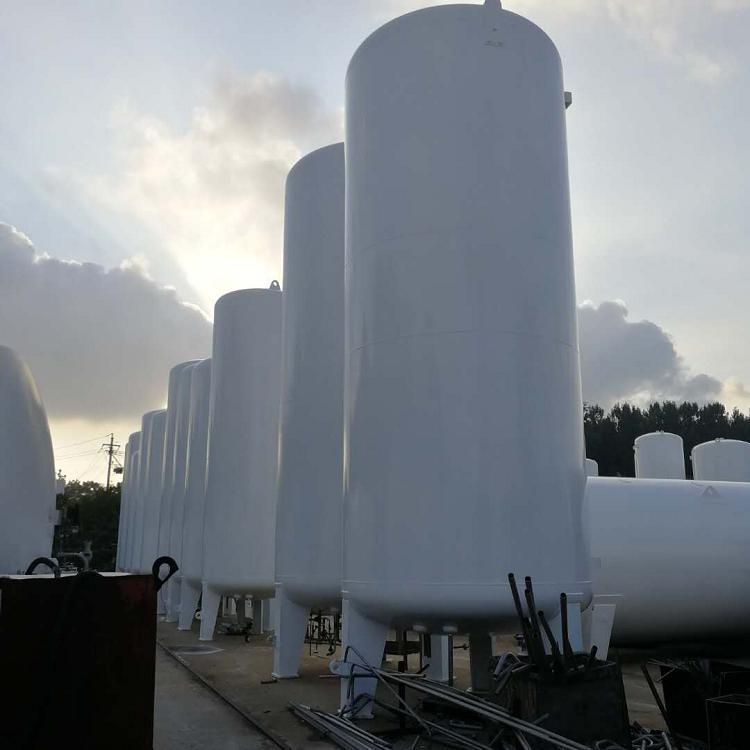
Low-temperature industrial gas filling stations are equipment used to fill liquid low-temperature industrial gases (such as liquid oxygen, liquid nitrogen, liquid argon, etc.) into gas storage tanks. Below is some basic information about low-temperature industrial gas filling stations:
Tank Type: Low-temperature industrial gas tanks typically use double-walled vacuum-insulated tanks, where the inner wall is used for storing liquefied gas, and the outer wall for insulation to reduce heat transfer and evaporation losses of the liquid gas.
Filling Equipment: Low-temperature industrial gas storage tank filling stations include liquid-gas filling pumps, filling pipelines, flowmeters, pressure sensors, and other equipment. The liquid-gas filling pumps are used to extract liquid gas from storage tanks or gas holders and fill it into the target storage tank.
Filling Process: The operational procedure at the filling station typically includes the following steps: preparation (checking equipment, preparing filling medium), equipment connection (connecting filling pumps, pipelines, etc.), equipment activation (starting the filling pump, adjusting flow and pressure), filling operation (filling liquid gas into the target storage tank), monitoring and control (monitoring parameters such as pressure and flow during the filling process to ensure safety and quality), and operation completion (shutting down equipment, cleaning the work area).
Safety Measures: In the operation of low-temperature industrial gas storage tank filling stations, strict adherence to relevant safety operating procedures and standards is required. Operators should receive training to understand the characteristics and safety precautions of liquid gases. Additionally, filling stations should be equipped with safety equipment such as pressure sensors and safety valves to ensure the safety during the filling process.
Quality Control: Quality control is essential during the filling process at the filling station, including monitoring parameters such as flow rate, pressure, and temperature of the filling medium to ensure accuracy and quality of the filling.
It is important to note that the operation of low-temperature industrial gas filling stations must be carried out by trained personnel and strictly adhere to the relevant operational procedures and safety measures. Additionally, the design and manufacturing of the filling stations should comply with the applicable standards and regulations to ensure the safety and reliability of the equipment.
Safety guidelines and considerations for the handling and transportation of liquid oxygen tanks include:
Safe Usage Instructions:
Tank Selection: Choose liquid oxygen tanks that comply with regulations and standards, ensuring their quality and safety performance.
Tank Installation: Tanks should be installed on a solid foundation to ensure stability. Additionally, good ventilation should be maintained around the tank and it should be kept away from flammable materials and heat sources.
Sealability Inspection: Regularly check the tank's sealing performance to ensure there are no leaks at valve and pipeline connections.
Pressure Control: Tanks should be equipped with pressure gauges and safety valves, with regular inspections and maintenance to ensure pressure remains within safe limits.
Fire Prevention Measures: Liquid oxygen has a high oxygen content and is prone to causing fires. Install firewalls around the storage tanks, ban smoking and open flames, and ensure safety.
Static Protection: During the transportation and use of liquid oxygen, static electricity can cause sparks, increasing the risk of fire. Measures such as using static-conductive materials and anti-static equipment are taken to reduce the accumulation and release of static electricity.
Shipping Precautions:
Transportation Vehicle Selection: Choose a transportation vehicle that meets the requirements for liquid oxygen transport, ensuring the vehicle's safety and sealing.
Loading and Unloading: During the transportation of liquid oxygen, appropriate loading and unloading procedures should be adopted.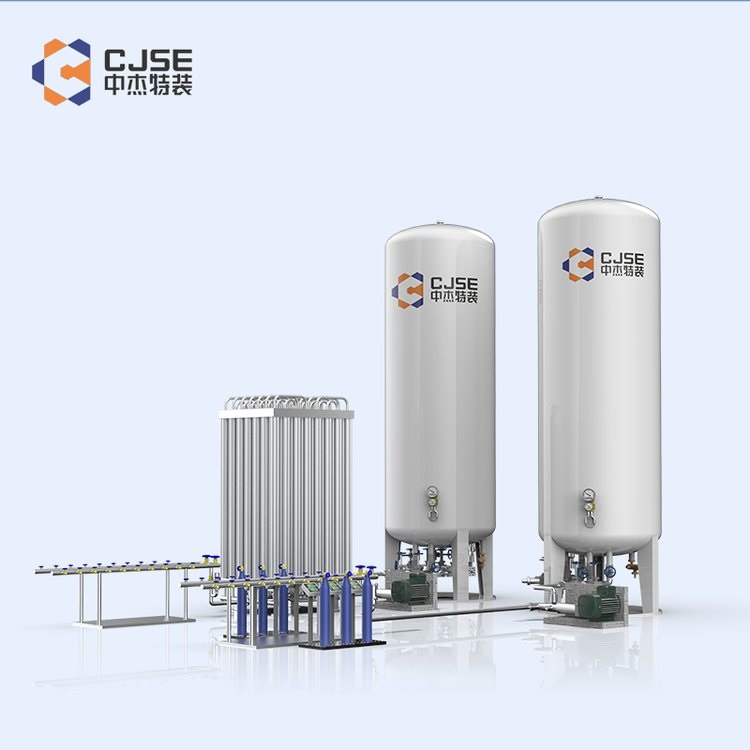
When selecting liquid oxygen storage tanks with medical oxygen concentrators, consider the following factors:
Requirement: First, determine the oxygen demand of the institution or individual. Select the appropriate oxygen concentrator model and specification based on the required oxygen flow rate and pressure.
Safety and Reliability: Ensure the selected oxygen concentrator has high safety and reliability. Choose products that comply with relevant standards and regulations, featuring safety functions such as overpressure protection, leakage protection, and overload protection.
Ease of operation: Choose an oxygenator with simple and user-friendly operation. Consider the methods of adjusting oxygen flow and concentration, as well as the clarity and readability of the operating interface.
Quality and Reputation: Choose an oxygen concentrator with excellent quality and reliability. Refer to customer reviews, word-of-mouth, and institutional endorsements when selecting your product.
Maintenance and After-Sales Service: Understand the maintenance requirements and after-sales support for the oxygenator. Ensure timely access to repairs and technical assistance to ensure the normal operation and maintenance of the oxygenator.
Cost-effectiveness: Considering the price, performance, and features of the oxygenator, choose a product with a good cost-performance ratio. Select an oxygenator that suits your actual needs and budget.
Be mindful that when selecting liquid oxygen storage tanks with medical oxygen generators, adhere to relevant equipment procurement regulations and standards. It's advisable to consult with equipment suppliers or relevant institutions to ensure the oxygen generator meets your needs and safety requirements.
Shandong Zhongjie Special Equipment, welcome customers to visit our factory for business talks.
WeChat Official Account

Scan to follow Official Account



















