


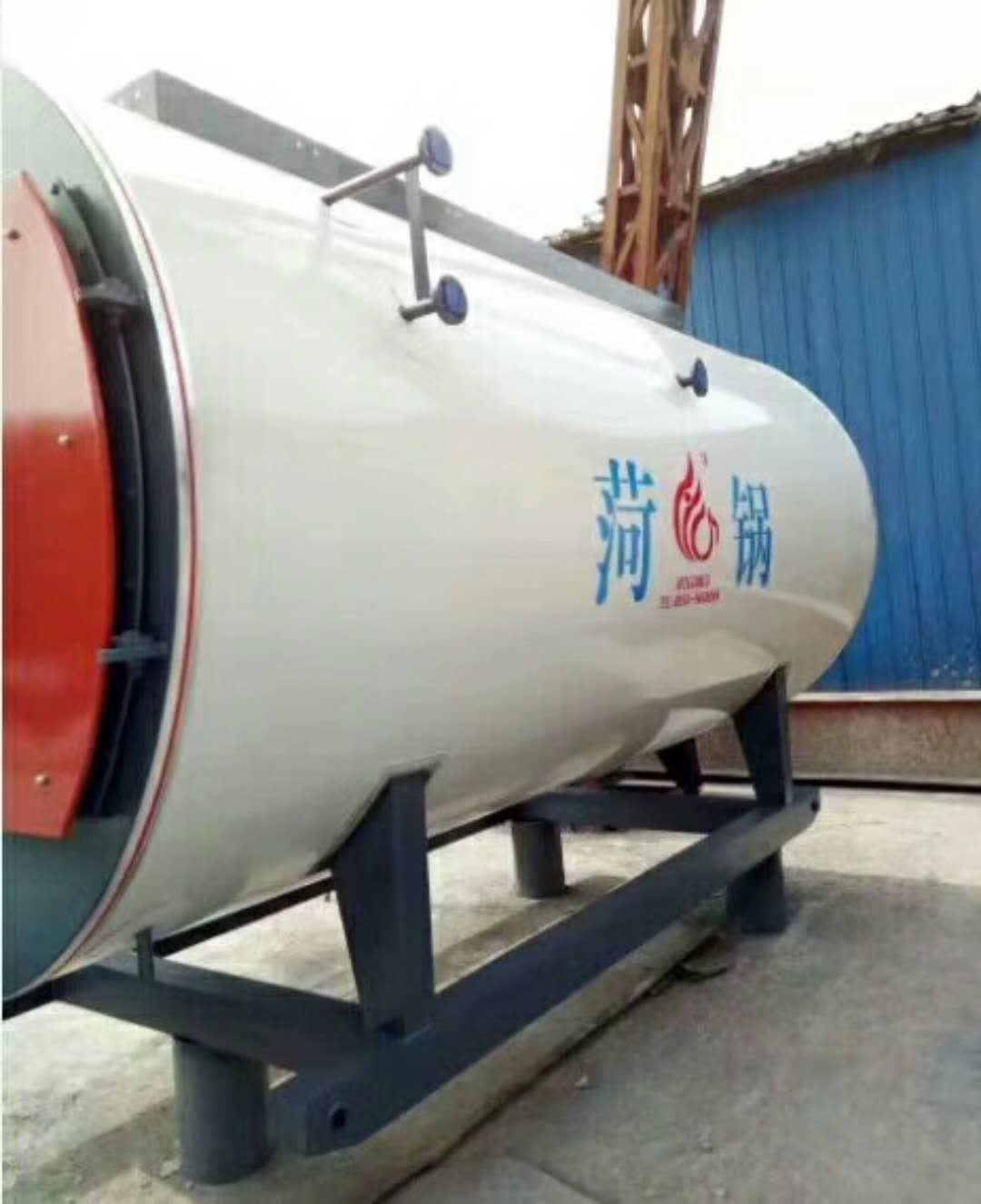

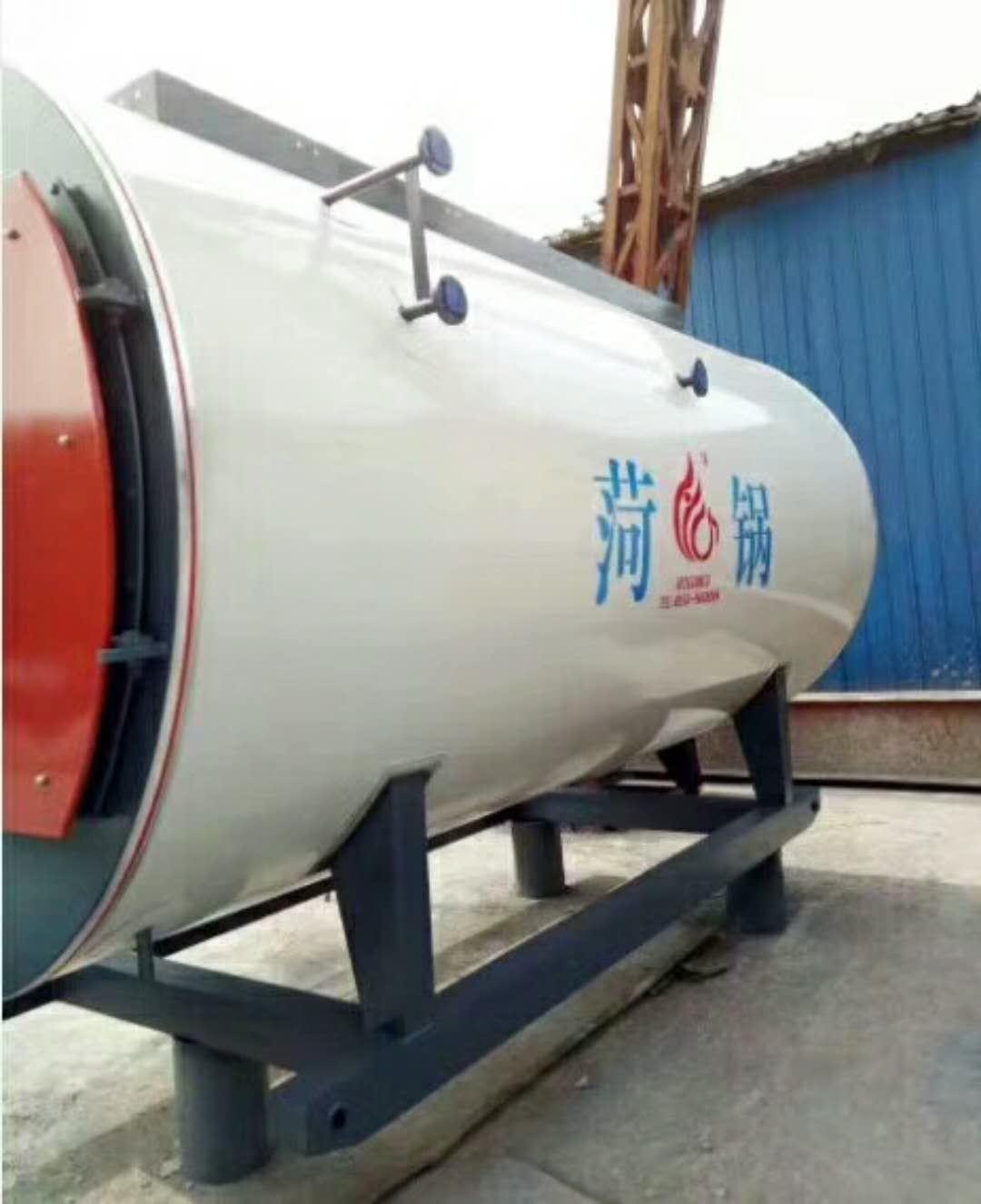
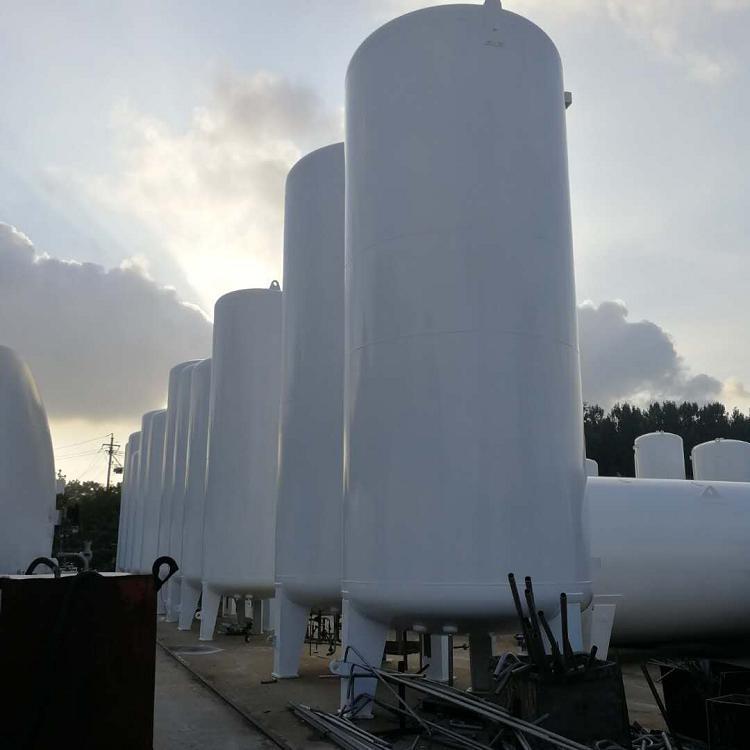


















Shandong Zhongjie Special Equipment's main products include: fuel (gas) boilers, organic heat carrier boilers, biomass boilers, waste heat boilers, and other boiler products; vacuum insulation cryogenic pressure vessels such as LNG tanks, oxygen/nitrogen/argon tanks, CO2 tanks; pressure vessel products like denitrification engineering equipment, heat storage and energy storage equipment, complete chemical equipment sets; central air conditioning and HVAC equipment such as ground (water) source heat pumps, air source units, water-cooled screw units, and air-cooled modular units. Planned products include large-scale energy centers, LNG transport vehicles, LNG tank containers, and other green energy equipment.
Liquid oxygen low-temperature storage tanks are primarily used for storing and supplying liquid oxygen, with their application methods varying according to specific needs and scenarios. The following are some common applications of liquid oxygen low-temperature storage tanks:
Application: Liquid Oxygen Low-Temperature Storage Tanks are widely used in the field for low-temperature freezing preservation of biological samples, cells, tissues, and vaccines. Institutions such as biopharmaceutical research organizations and biobanks utilize these storage tanks to store and protect these biological materials.
Experimental Research: Liquid Oxygen Low-Temperature Storage Tanks are used to provide low-temperature environments in scientific research and laboratories, for cryogenic preservation and experiments. These tanks play a crucial role in experimental research across various fields, including physics, chemistry, biology, and materials science.
Industrial Applications: Liquid oxygen low-temperature storage tanks are used in the industrial field to provide low-temperature cooling for processes such as metal processing, welding, and heat treatment. These tanks can offer low temperatures to achieve the required hardness and toughness of metals during processing.
Food Industry: Liquid Oxygen Low-Temperature Storage Tanks are used in the food industry for freezing and refrigeration of foods such as frozen meats, frozen fruits, and frozen seafood. The low temperature of liquid oxygen can quickly freeze foods, preserving their freshness and quality.
Liquid oxygen low-temperature storage tanks are used in the field for storing and supplying liquid oxygen as fuel. Liquid oxygen, as a high-energy fuel, is widely used in the propulsion systems of engines and devices.
During the operation of liquid oxygen low-temperature storage tanks, strict adherence to relevant safety regulations and operational guidelines is essential to ensure safe operation and use of the tank. Liquid oxygen is highly flammable, so fire prevention measures must be taken when using liquid oxygen low-temperature storage tanks, and it is crucial to ensure there are no ignition sources nearby.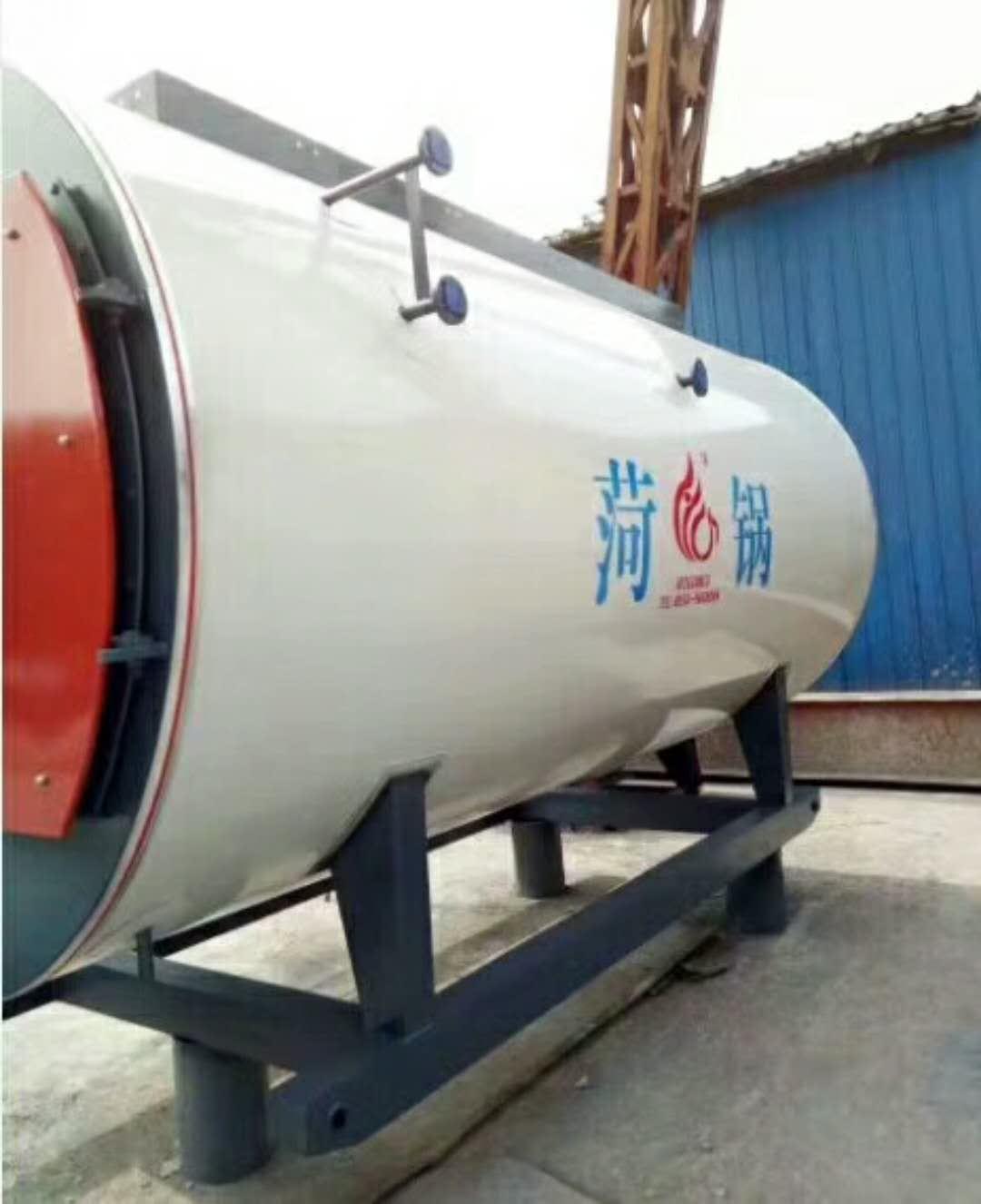
The use and operation of the liquid oxygen storage tank system require attention to the following points:
Safe Operation: When operating the liquid oxygen storage system, it is mandatory to follow the relevant safety operating procedures and standards to ensure the safety of the operators.
Tank Selection: Choose liquid oxygen tanks that meet specifications and standards, ensuring their quality and safety performance.
Tank Installation: Tanks should be installed on a solid foundation to ensure stability. Additionally, good ventilation should be maintained around the tank, and it should be kept away from flammable materials and heat sources.
Seal Integrity Inspection: Regularly inspect the seal performance of the storage tank system to ensure there are no leaks at valve and pipeline connections.
Pressure Control: The storage tank system should be equipped with a pressure gauge and a safety valve, with regular inspections and maintenance to ensure pressure is within the safe range.
Fire Prevention Measures: Liquid oxygen has a high oxygen content and is prone to causing fires. Set up firewalls around the storage tank system, ban smoking and open flames, and ensure safety.
Electrostatic Protection: During the operation of the liquid oxygen system, electrostatic discharge can cause sparks, increasing the risk of fire. Measures such as using electrostatic conductive materials and anti-static equipment should be taken to reduce the accumulation and release of static electricity.
Regular Inspections and Maintenance: Conduct regular checks on the storage tank system and associated equipment, including valves, pipes, pressure gauges, etc. Ensure that equipment is in perfect condition without any damage, and promptly repair or replace any damaged parts.
Waste Gas Treatment: The use of a liquid oxygen system generates waste gas, which requires appropriate waste gas treatment measures to minimize environmental impact.
The above outlines the precautions to be taken when using the liquid oxygen storage tank system, ensuring operational safety and the system's smooth operation. During operation, strictly adhere to the relevant operational procedures and safety requirements to prevent accidents.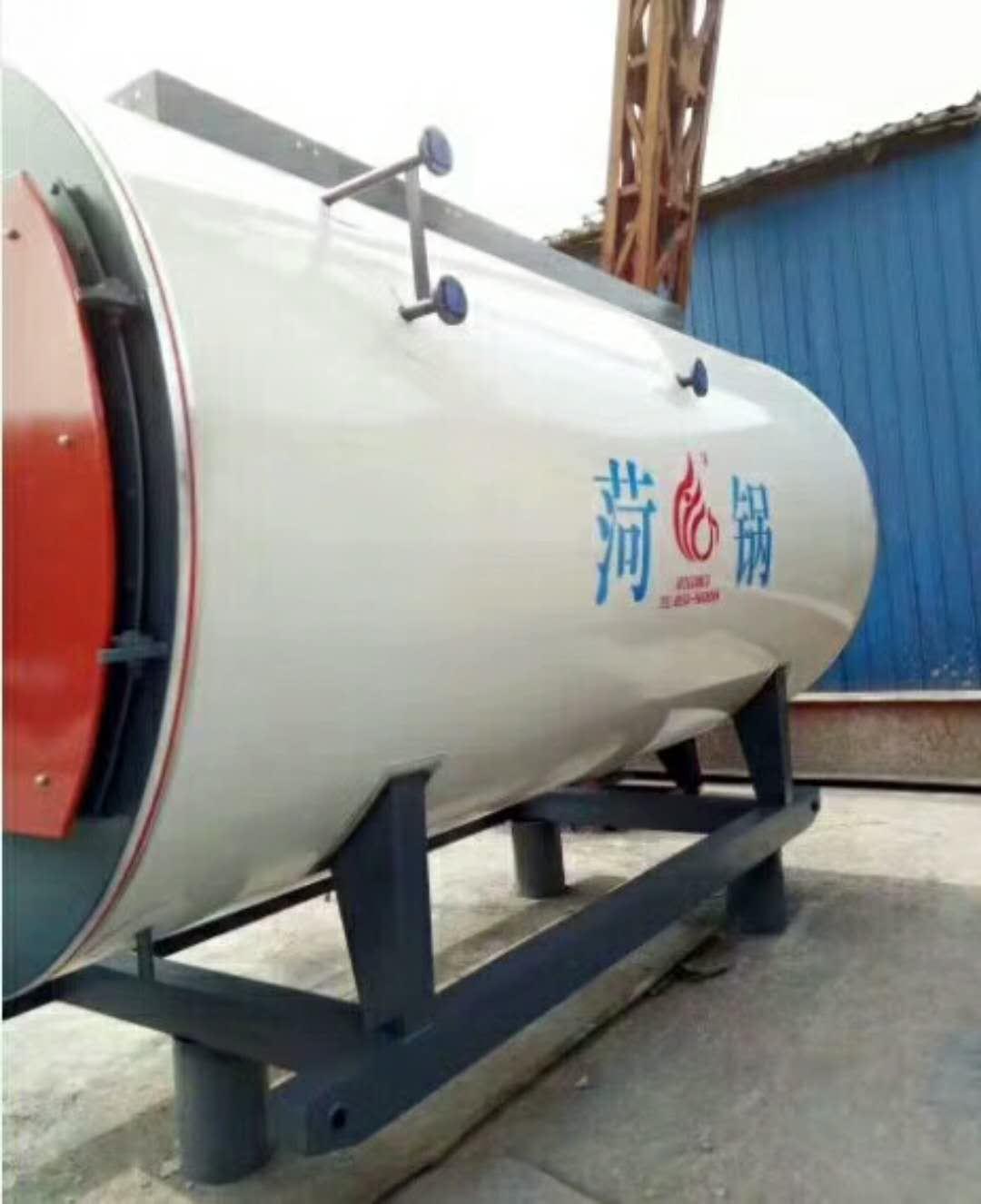
The liquid oxygen tank boasts the following advantages:
High Storage Density: Liquid oxygen tanks can store oxygen in its liquid form, offering a higher storage density compared to gas storage. This means more oxygen can be stored in a limited space, providing a longer supply duration.
High Purity Oxygen Supply: Liquid oxygen tanks provide high purity oxygen supply. After undergoing refrigeration and purification processes, liquid oxygen can be obtained with high purity, meeting the needs of applications in fields such as industry and scientific research.
User-Friendly: The liquid oxygen tank features ease of use. Equipped with devices such as level gauges and pressure gauges inside, it allows for convenient monitoring of the liquid level and pressure. Additionally, the liquid oxygen tank is fitted with safety devices like pressure relief valves and level alarms to ensure safe operation and use.
Long-term Storage: Liquid oxygen tanks are designed for long-term storage of oxygen. The low-temperature properties of liquid oxygen can slow down the evaporation and oxidation of oxygen, extending its storage life. This is beneficial for applications requiring long-term oxygen storage, such as institutions, laboratories, and industrial production.
In summary, liquid oxygen tanks offer advantages such as high storage density, pure oxygen supply, ease of use, and long-term storage. This makes liquid oxygen tanks a reliable choice for oxygen supply, widely used in industries and scientific research fields.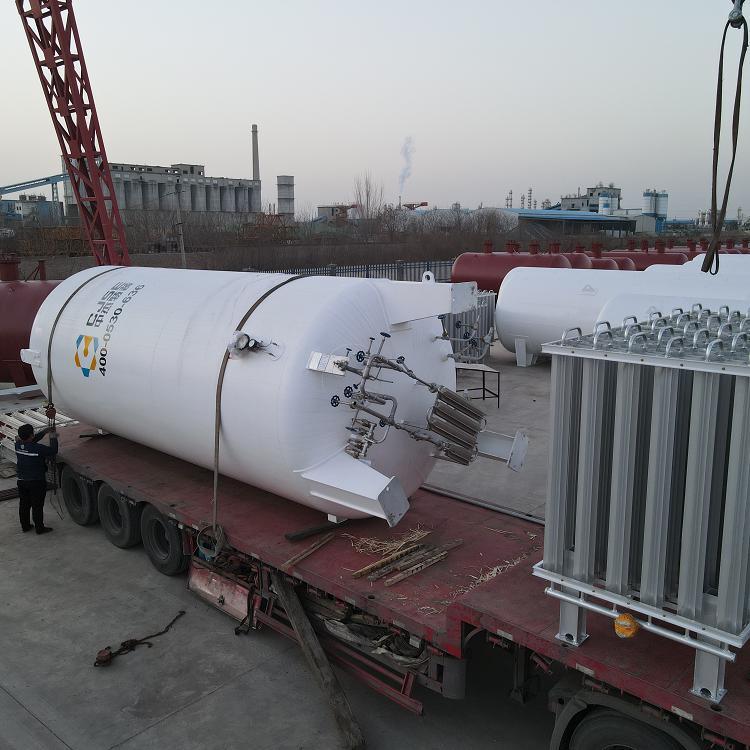
The standard specifications for liquid oxygen tanks may vary by region. Below are examples of some common standards:
American Standards: The American National Standards Institute (ANSI) and the American Petroleum Institute (API) have issued a series of standards for liquid oxygen tanks, such as ANSI/API Standard 2510 "Design and Construction of Liquid Oxygen Tanks" and ANSI/API Standard 2510A "Supplement to Design and Construction of Liquid Oxygen Tanks."
European Standards: The European Committee for Standardization (CEN) has issued a series of standards for liquid oxygen tanks, such as EN 13458 "Liquid Oxygen Tanks. Design and Manufacture" and EN 14015 "Vertical Welded Steel Fixed Tanks. Design and Manufacture."
Chinese Standards: The China National Standardization Administration (SAC) has issued a series of standards for liquid oxygen tanks, such as GB/T 18442 "Design Code for Liquid Oxygen Tanks" and GB/T 18443 "Construction and Acceptance Code for Liquid Oxygen Tanks."
These standards typically include requirements for the design, manufacturing, installation, operation, maintenance, and inspection of liquid oxygen tanks. They cover specifications for the tank's structure, materials, safety valves, insulation, leak control, fire prevention measures, and safety distances to ensure the safety and reliability of liquid oxygen tanks.
When designing, manufacturing, and using liquid oxygen tanks, it is necessary to comply with applicable standards and regulations and collaborate with local regulatory agencies and personnel to ensure that the tanks meet relevant safety requirements and regulations.
Zhongjie Special Equipment upholds the grand vision of "realizing employees' dreams, creating value for customers, and striving for the prosperity and strength of our motherland," and is dedicated to the development of the green energy equipment industry. We offer society high-quality products and services at competitive prices!
WeChat Official Account

Scan to follow Official Account



















