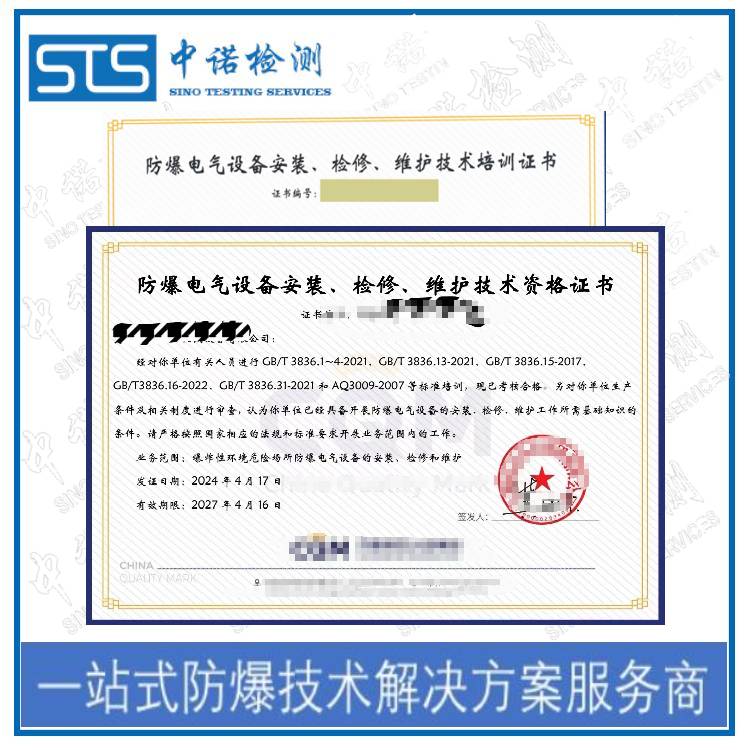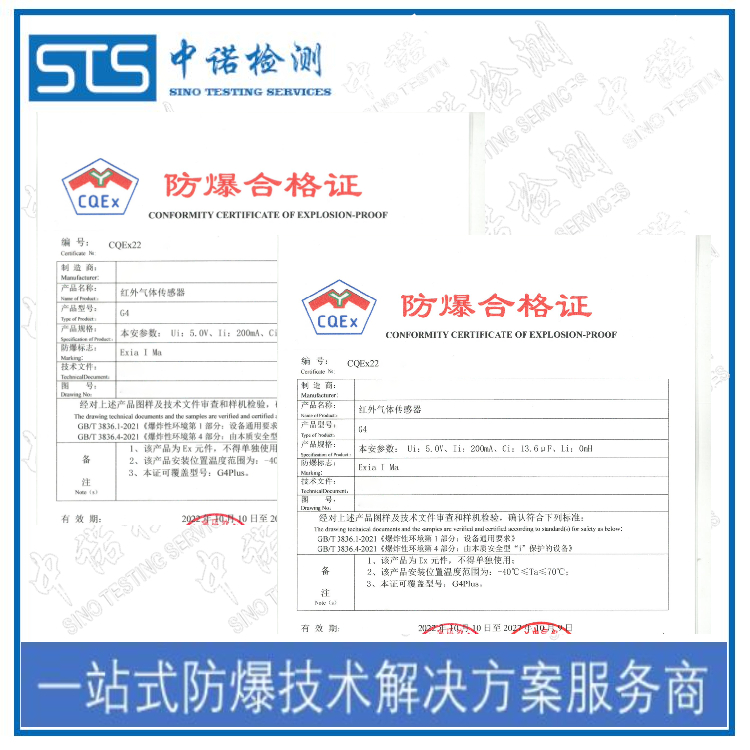

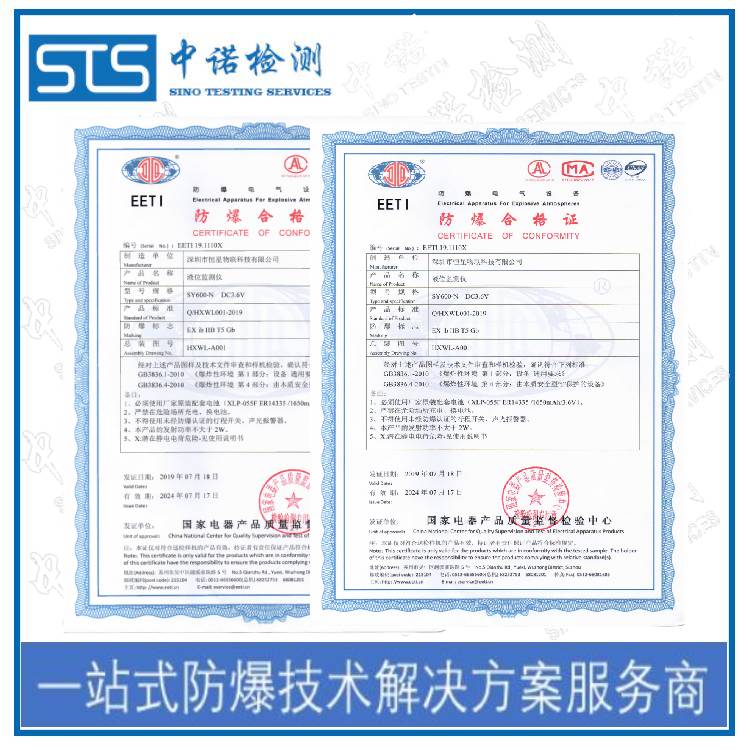
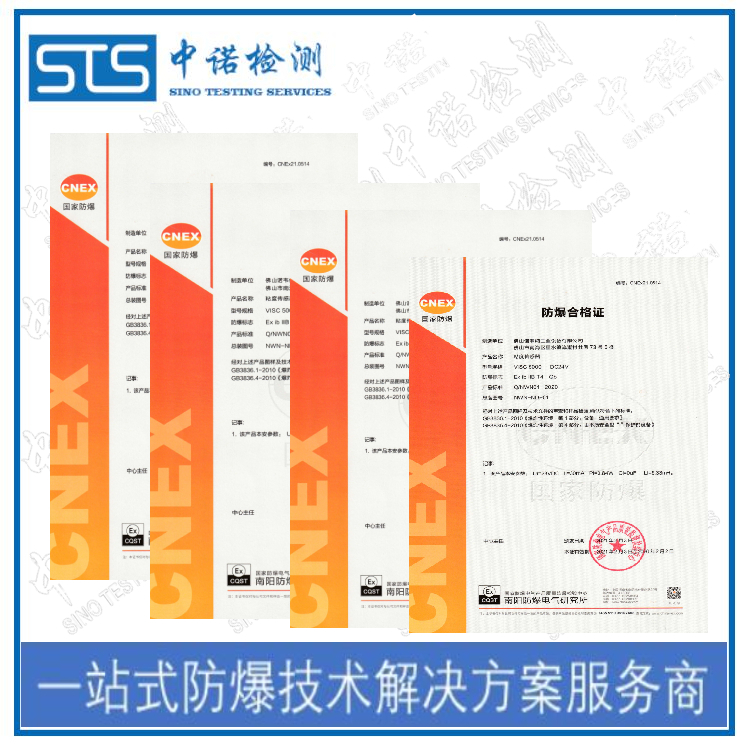


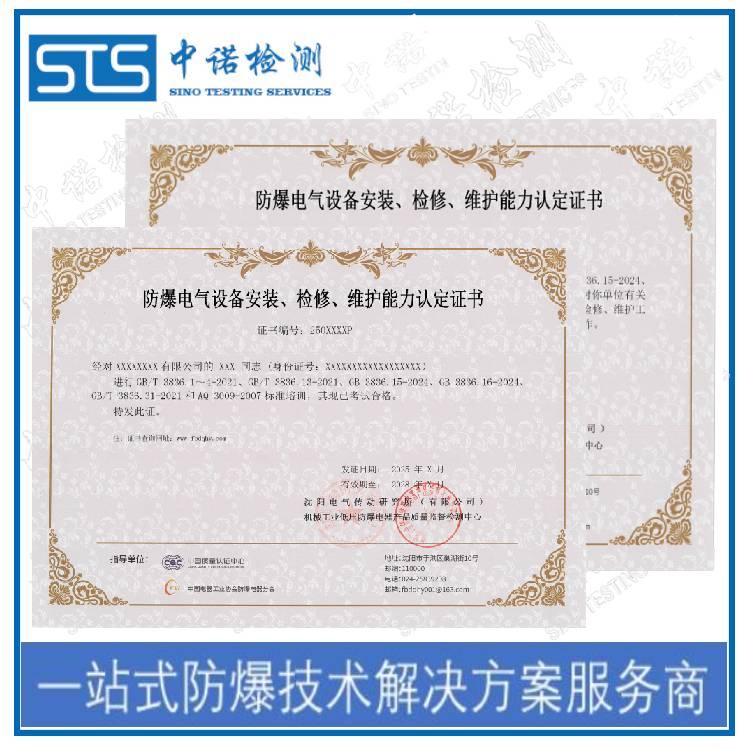
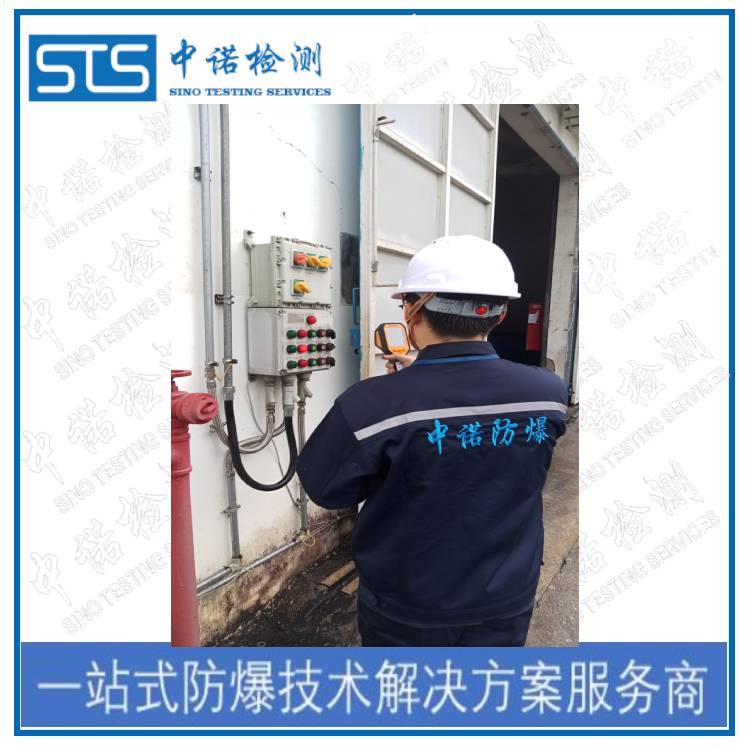
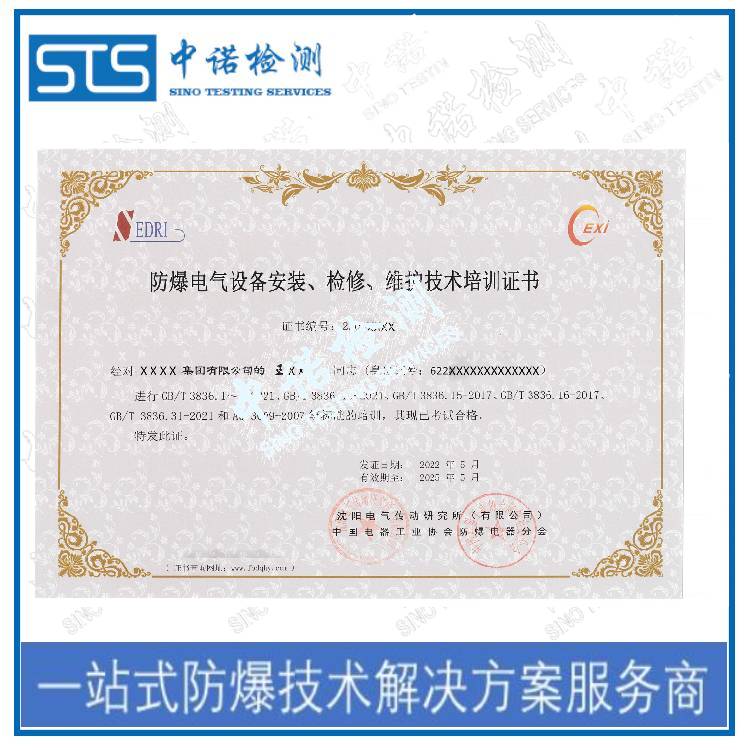
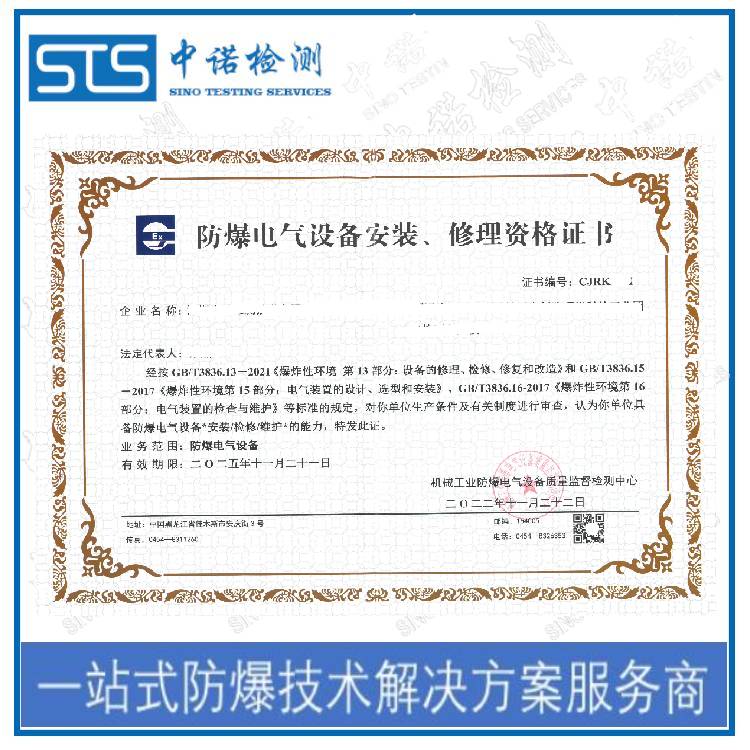
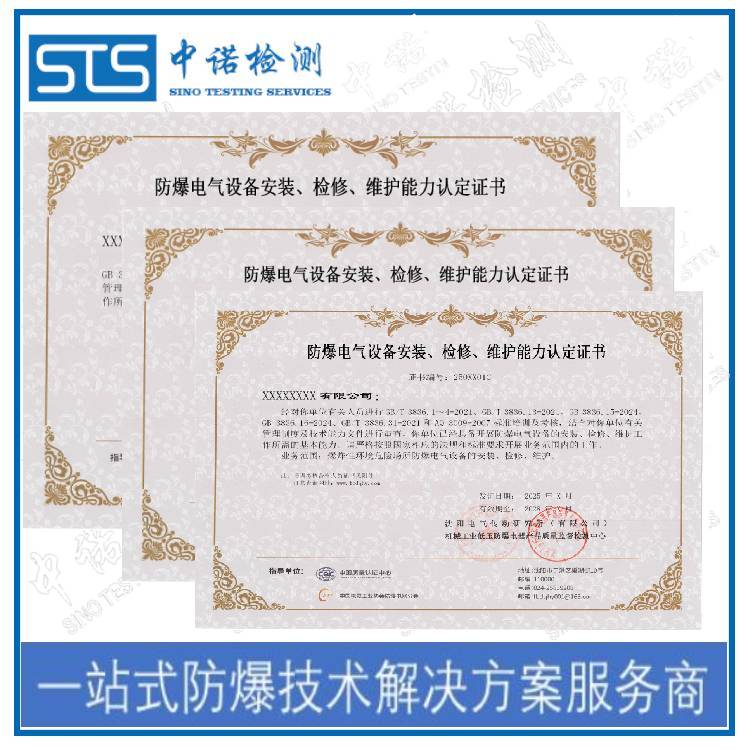





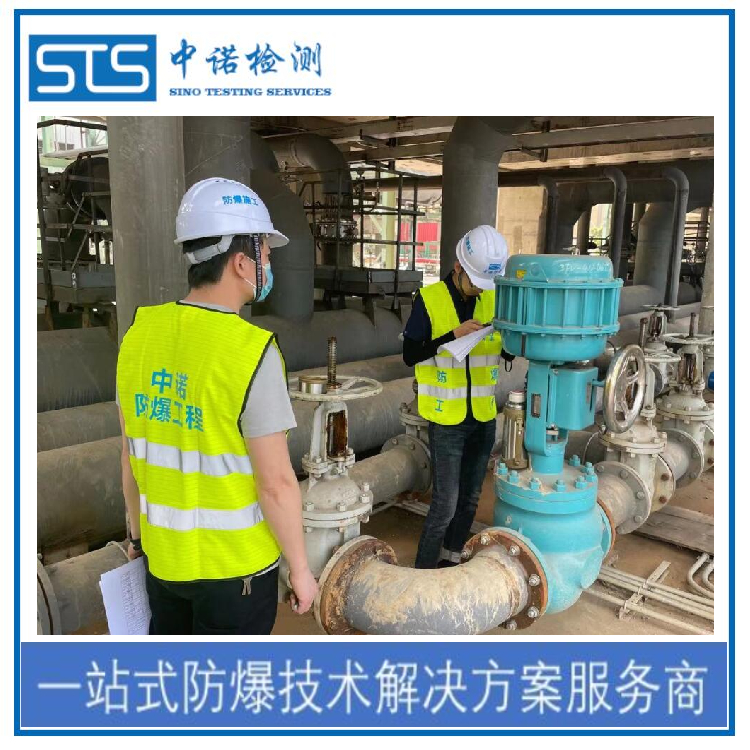
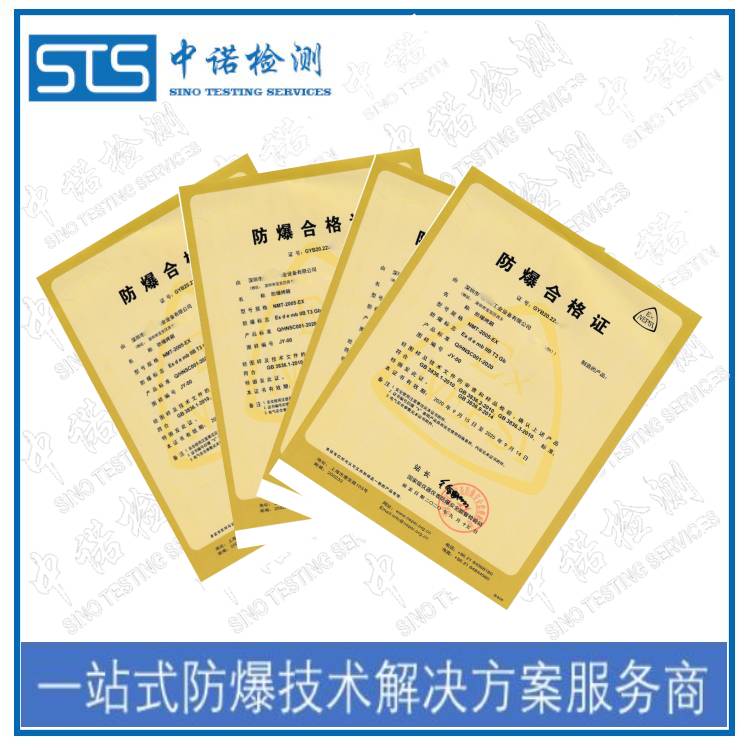
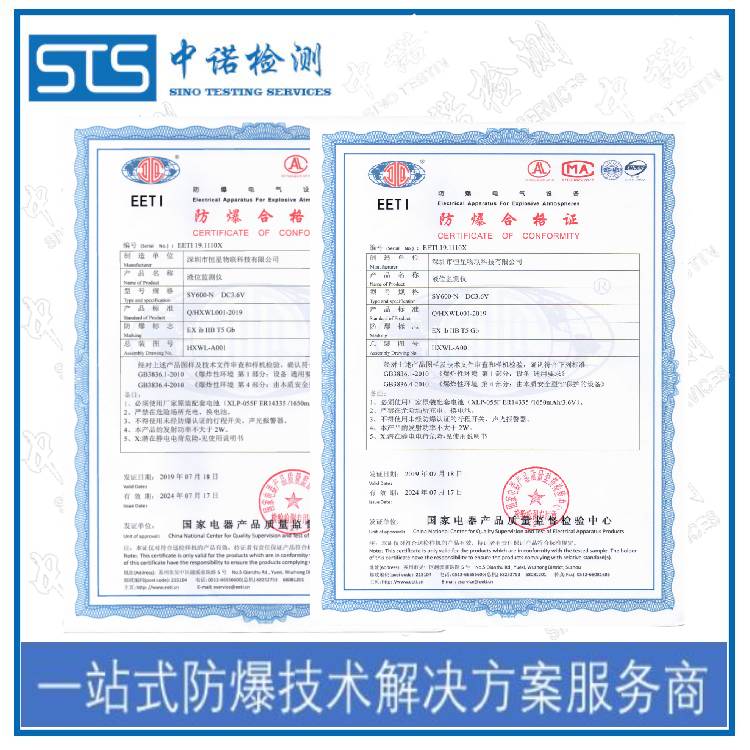
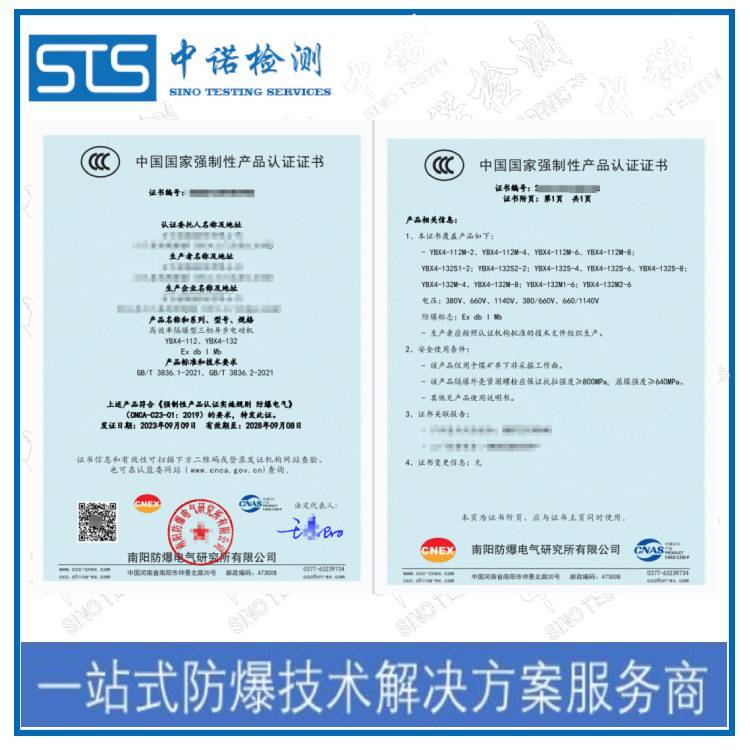
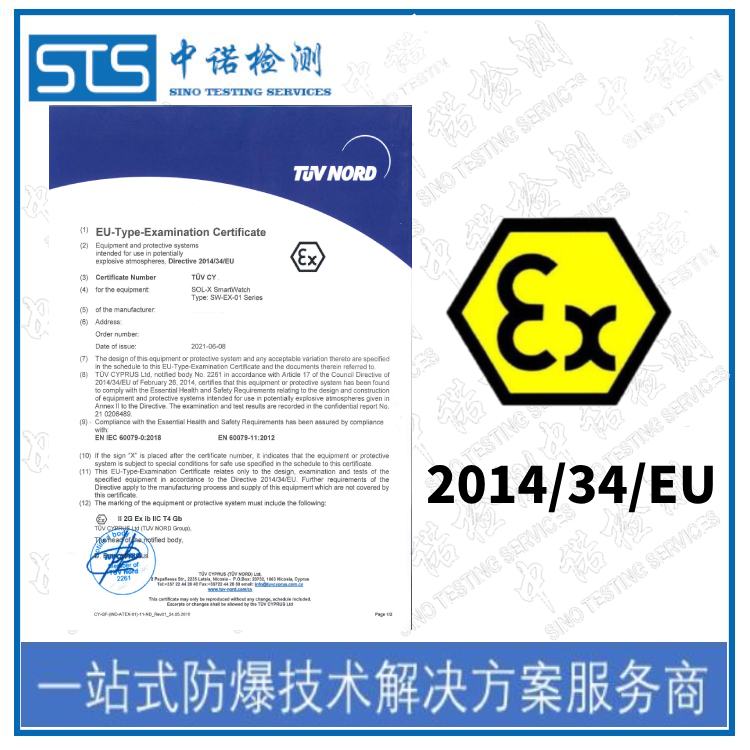
Shenzhen ZhongNuo Testing Technology Co., Ltd. is based in South China and specializes in explosion-proof certification and coal mine safety certification application consulting services, offering a one-stop explosion-proof technology consulting service.
How to understand the difference between explosion-proof and intrinsic safety explosion-proof?
These are two different types of explosion-proof protection styles.
Explosion-proof is generally achieved by using a explosion-proof housing to protect the device. The explosion-proof housing must have sufficient thickness and strength, even if an explosion occurs inside the equipment.
The flame can also be extinguished due to the width, gap, and roughness of the explosion-proof shell joint surface, igniting the external hazardous environment.
On the other hand, even in the event of an explosion in a hazardous area outside, the explosion-proof housing maintains its explosion-resistant properties.
Overall, the shell is both explosion-resistant and explosion-proof. The equipment will be rather heavy.
intrinsic safety, referring to equipment that achieves intrinsic safety by limiting circuit energy, etc.
Safety-certified products have higher requirements for equipment's circuitry and operating power, generally suitable for handheld devices and low-power products.
Learn more about explosion-proof technology, please directly contact Shenzhen ZhongNuo Testing Technology Co., Ltd.!
What is the difference between applying for the ATEX certification and the Coal Mine Safety certification?
intrinsic safety certification, also known as intrinsic safety explosion-proof certification.
In the explosion-proof industry, there are various types of explosion-proof protection, including separation type, intrinsically safe, increased safety, positive pressure, and sealed type, etc.
Intrinsically safe is just one type of explosion-proof configuration; equipment adopting this type of explosion-proofing is used in explosive areas.
Due to the restrictions on its working voltage, current, capacitance, inductance, etc.
Even if sparks occur within the circuit, they are not sufficient to ignite the surrounding explosive environment, making it inherently safe.
The intrinsic safety certification is widely applied to low-power, low-energy instruments, handheld terminal products, and similar devices.
Coal Mine Safety Certification is a mandatory safety certification for equipment used underground in coal mines.
Due to the presence of explosive substances like methane in coal mine shafts, electrical equipment used in coal mine shafts must be equipped with protective measures to achieve explosion-proof performance.
Select appropriate explosion-proof protection types, such as intrinsically safe, flameproof, and encapsulation, based on product structure, electrical parameters, installation methods, and usage areas.
It's worth noting that electrical equipment applying for the Coal Safety Certification must not only have explosion-proof capabilities,
Additional performance tests must be met for the special underground coal mine environment.
ZhongNuo Inspection has long been focused on explosion-proof certification and coal safety certification.
Familiar with certification standards, and with the explosion-proof design, modification, testing, certification, and factory audit processes and requirements for products.
Streamlines the rapid application process for explosion-proof certification and coal mine safety certification.
What documents are required to apply for explosion-proof certification?
1. Product Drawings and Documents: When an enterprise applies for a explosion-proof certification for intrinsically safe electrical equipment, it should provide assembly drawings, circuit diagrams, printed circuit board diagrams, silk-screening diagrams, material lists of components, and label diagrams, etc. For non-intrinsically safe electrical equipment, the technical documents submitted for inspection should include drawings that reflect the explosion-proof performance of the sample (including assembly drawings and component drawings). If the assembly drawing can clearly indicate the explosion-proof parameters and structure of the product, only the assembly drawing needs to be submitted for inspection.
2. Technical Documentation: Includes corporate standards/technical requirements. The corporate standards/technical requirements for products should be written in the prescribed format, and their content should not only cover performance requirements of the products but also include related aspects of explosion-proof: such as basic parameters, explosion-proof markings, environmental conditions of use, explosion-proof performance requirements, relevant tests for explosion-proof performance, and markings related to explosion-proof.
3. Additional Information: For products with adhesive bonding or casting, provide the model names, performance descriptions, and relevant process documents for the adhesives and casting agents. For plastic shell products, supply the material and corresponding performance documents. Battery-operated products require the battery specification sheet.
The Difference Between Intrinsically Safe and Explosion-Proof:
These are two different types of explosion-proof protection styles.
Explosion-proof is typically achieved through the use of a protective explosion-proof housing, which must have sufficient thickness and strength.
Even in the event of an explosion within the equipment, the flame will be extinguished due to the width, gap, and roughness of the explosion-proof shell joint surfaces, preventing ignition of the external hazardous environment.
On the other hand, even in the event of an explosion in a hazardous area outside, the explosion-proof housing exhibits anti-explosion capabilities.
Overall, the housing is both shock-resistant and shock-absorbent. The equipment will be relatively heavy.
intrinsic safety, also known as inherently safe equipment, which achieves intrinsic safety by limiting circuit energy, etc.
Safety-certified products have higher requirements for equipment's circuitry and operating power, generally suitable for handheld devices and low-power products.
Explosion Proof Certification Application Consulting Services - Shenzhen Zhongnuo Testing Technology Co., Ltd.
WeChat Official Account

Scan to follow Official Account