


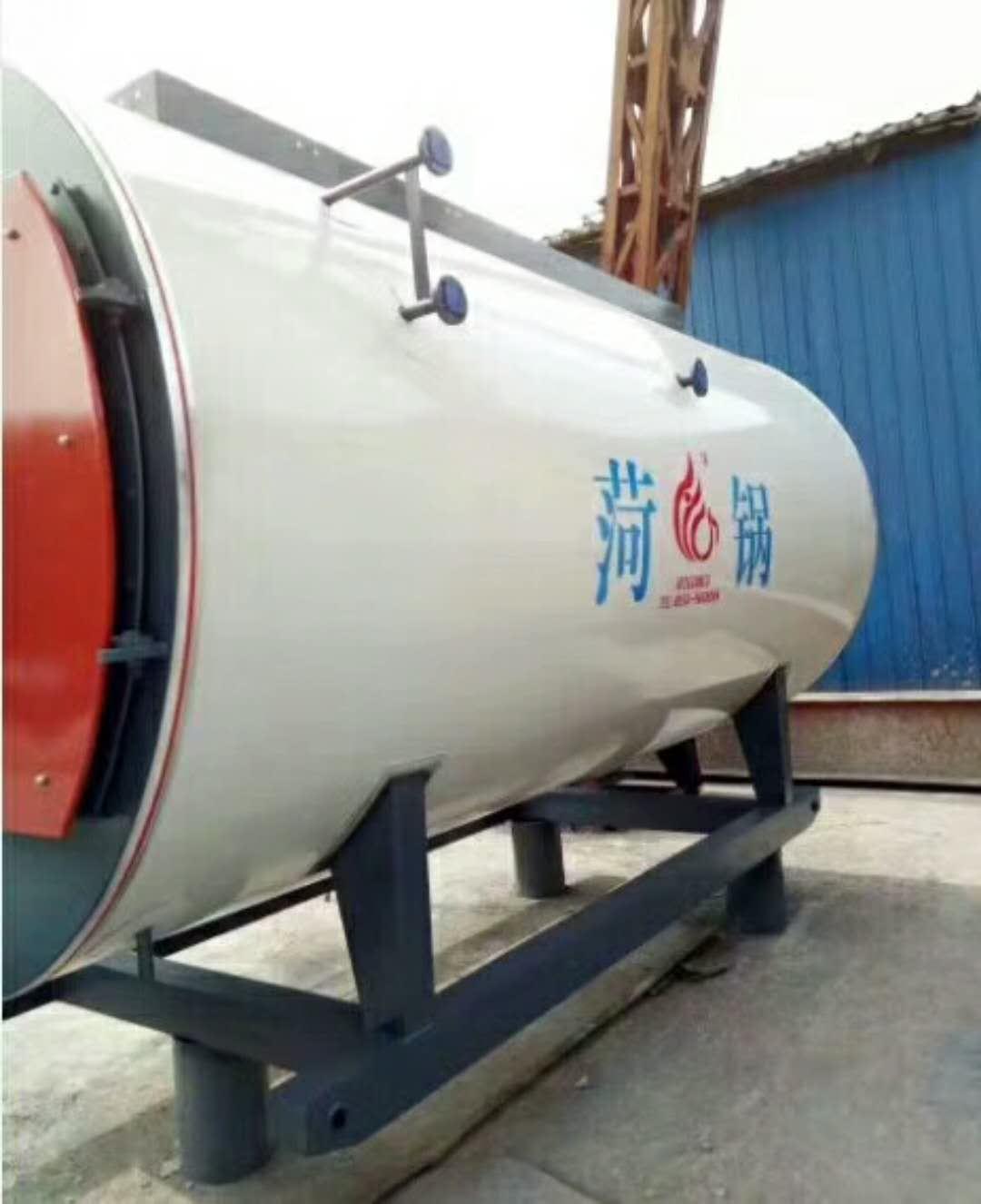

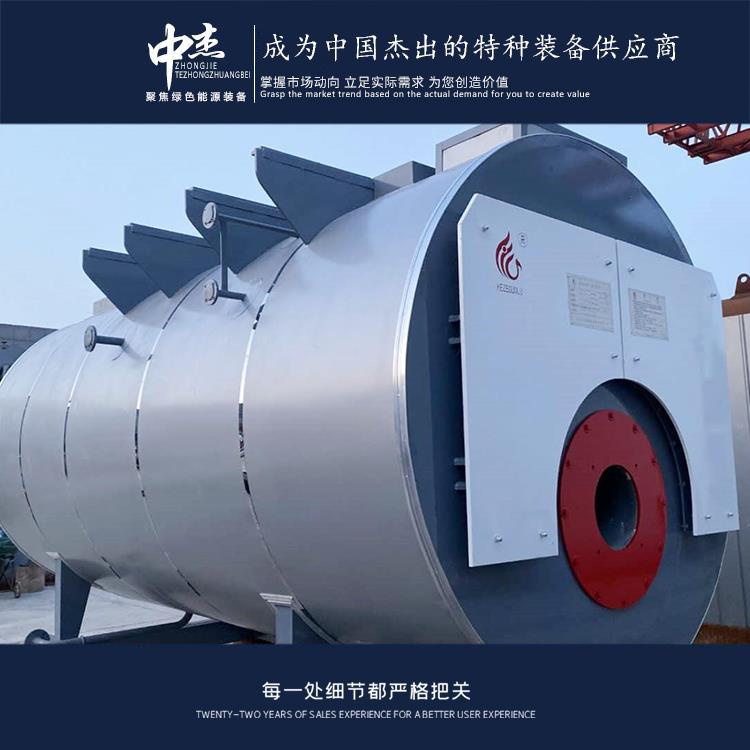
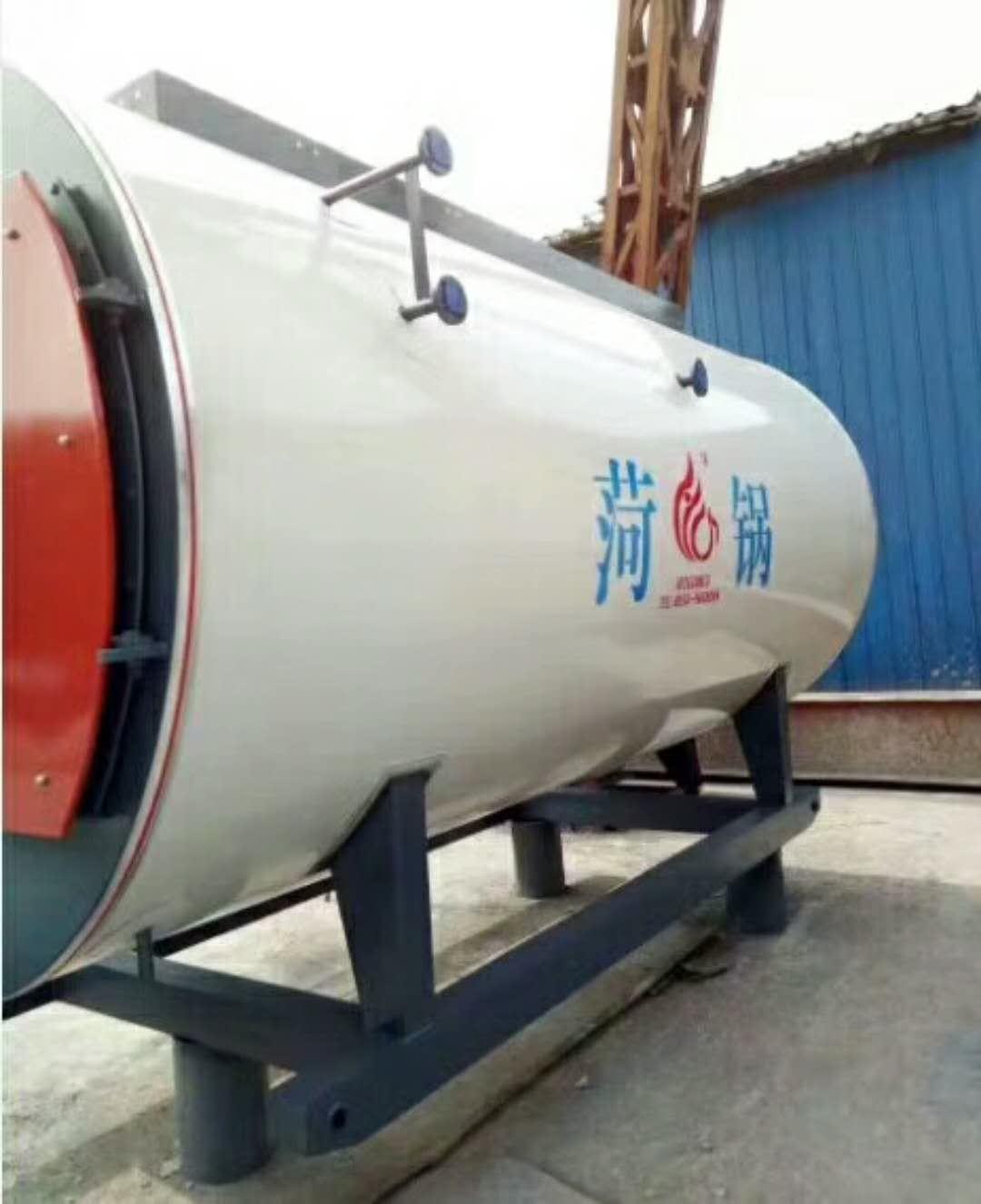


















Shandong Zhongjie Special Equipment (formerly Heze Boiler Factory Co., Ltd.) holds an A-grade boiler manufacturing license, an A2-grade pressure vessel manufacturing license, an A2-grade pressure vessel design license, a B-grade boiler installation license, and GB2/Class and GC2/Class pressure pipeline installation licenses, as well as an equipment and machinery installation contracting qualification. It is a member of the China Boiler and Water Treatment Association, the China Chemical Equipment Association, and the Council Member of the Shandong Equipment Manufacturing Association. The company has also passed certifications for the ISO9001 Quality Management System, ISO14001 Environmental Management System, OHSAS18001 Occupational Health and Safety Management System, and the American ASME/U2 certification.
Steam boiler energy conservation is crucial, primarily due to the following reasons: Energy Costs: Steam boilers typically use fuels (such as coal, gas, oil, etc.) to produce steam, with energy costs constituting a significant part of the boiler's operating expenses. Energy conservation can reduce energy consumption and lower costs. Environmental Protection: The combustion process of steam boilers generates waste gases and dust, causing environmental pollution. Energy conservation can decrease fuel consumption, reduce emissions, and have a positive impact on environmental protection. Sustainable Development: Energy conservation is one of the important aspects of sustainable development. By reducing energy consumption and extending the lifespan of the boiler, resource consumption and waste can be minimized, achieving sustainable development. Measures for energy conservation include: Improving Boiler Thermal Efficiency: Through enhancing the combustion system, optimizing combustion parameters, and improving heat exchange efficiency, the thermal efficiency of the boiler can be increased, reducing energy waste. Heat Recovery and Utilization: Using waste heat recovery units, the excess heat in the flue gas emitted by the boiler can be recovered and utilized for heating water or other processes requiring heat energy, improving energy utilization efficiency. Application of Energy-Saving Equipment: The use of energy-saving equipment such as variable-frequency drives, energy-saving burners, heat pumps, etc., can reduce energy consumption and improve boiler performance.
During the production welding of thermal oil boilers, the following points should be noted:
- Welder Qualification: Ensure that the welders involved in the welding work have appropriate qualifications and experience, and are familiar with welding processes and operation procedures.
- Welding Material Selection: Choose welding materials suitable for thermal oil boilers, ensuring their compatibility with thermal oil and high-temperature resistance.
- Welding Process Control: Select an appropriate welding process based on the material and design requirements of the thermal oil boiler, such as manual arc welding, gas shielded welding, etc. Control welding parameters like current, voltage, and welding speed to ensure the quality and strength of the weld.
- Welding Area Protection: During the welding process, the welding area needs to be protected to prevent contamination from thermal oil and welding materials. Use welding barriers, welding shields, and other equipment to ensure the cleanliness and safety of the welding area.
- Post-Welding Treatment: After welding, post-treatment of the weld is required, such as slag removal, grinding, and cleaning, to ensure the flatness and surface quality of the weld.
- Welding Quality Inspection: Conduct welding quality inspections, including visual inspection of the weld, dimensional measurements, and non-destructive testing, to ensure the welding quality meets requirements.
- Safety Measures: Pay attention to safety measures during the welding process, such as wearing protective goggles, gloves, and fire-resistant clothing, to ensure the safety of welding operations.
- It is important to follow relevant standards and specifications during the welding process to ensure welding quality and safety. If unsure about the welding process or if there are potential safety hazards, seek advice from a welding engineer or consult relevant agencies.
Properly utilizing fuel-gas boilers can enhance energy efficiency and reduce consumption. Here are some suggestions:
1. Select the right boiler model: Choose a suitable fuel-gas boiler model based on actual needs, considering factors like heat load, fuel type, and combustion efficiency.
2. Regular inspection and maintenance: Conduct regular checks and maintenance on fuel-gas boilers to ensure proper operation. This includes cleaning burners, inspecting the combustion system, adjusting parameters, and promptly repairing or replacing damaged parts.
3. Control combustion process: Manage the combustion process to ensure complete, stable, and efficient burning. Adjust parameters like air flow and fuel supply to improve efficiency and reduce waste.
4. Heat recovery: Utilize heat recovery systems to capture and reuse excess heat from flue gases, for heating water or other processes requiring heat, thereby increasing energy efficiency.
5. Control operating parameters: Manage boiler operating parameters like water level, pressure, and temperature based on actual needs and conditions, avoiding extremes to enhance efficiency and safety.
6. Regularly clean heat exchangers: Clean the heat exchangers of fuel-gas boilers regularly to remove dirt and deposits, maintaining heat transfer efficiency and reducing energy loss.
7. Energy management: Establish an energy management system, monitor and analyze energy consumption, and develop reasonable energy use plans and conservation measures. Scientific management can improve energy efficiency and reduce consumption.
These are common methods and suggestions, but specific applications should be determined based on actual conditions and boiler characteristics. Adhere to relevant laws, regulations, and safety procedures to ensure safe operation of fuel-gas boilers.
Potential operating issues with the fuel system of a thermal oil furnace include:
- Unqualified fuel quality: Using low-quality or contaminated fuel can lead to problems with the fuel system. For instance, impurities, moisture, or excessive amounts in the fuel can cause the fuel pump, nozzle, and burner to clog, affecting fuel supply and combustion efficiency.
- Inadequate cleaning or replacement of the fuel filter: The fuel filter is designed to filter impurities and particles from the fuel, preventing them from entering the fuel system. If the fuel filter is not regularly cleaned or replaced, it can become clogged, affecting fuel flow and supply.
- Incorrect fuel pump adjustment: Proper adjustment of the fuel pump is crucial for maintaining stable fuel supply volume and pressure. Incorrect adjustment can result in over- or under-supply of fuel, leading to incomplete combustion or insufficient fuel supply, affecting the furnace's temperature and thermal efficiency.
- Clogging or wear of the fuel nozzle: The fuel nozzle is a critical component that atomizes and injects fuel into the furnace chamber. Clogging or wear can cause uneven fuel喷射 or incorrect spray angle, affecting combustion efficiency and heat output.
- Inadequate fuel preheating: Fuel needs to be preheated before entering the burner to enhance combustion efficiency. Insufficient preheating can increase fuel viscosity, affecting its fluidity and喷射 performance.
- Fuel system oil leaks: The seal integrity of the fuel system is essential for stable fuel supply. Oil leaks in the system can lead to instability in fuel supply.
Shandong Zhongjie Special Equipment, welcome customers to our factory for business discussions.
WeChat Official Account

Scan to follow Official Account



















