


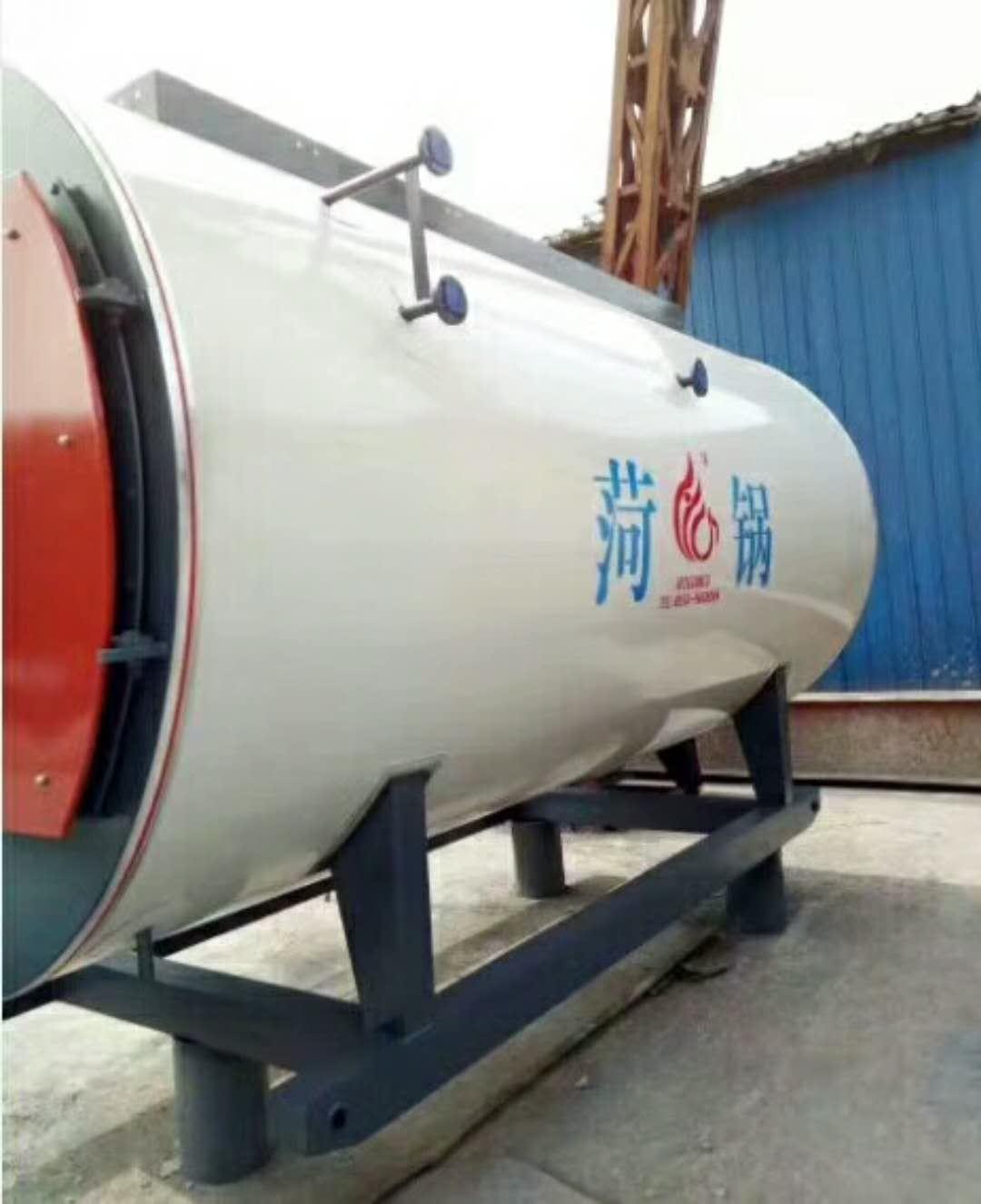

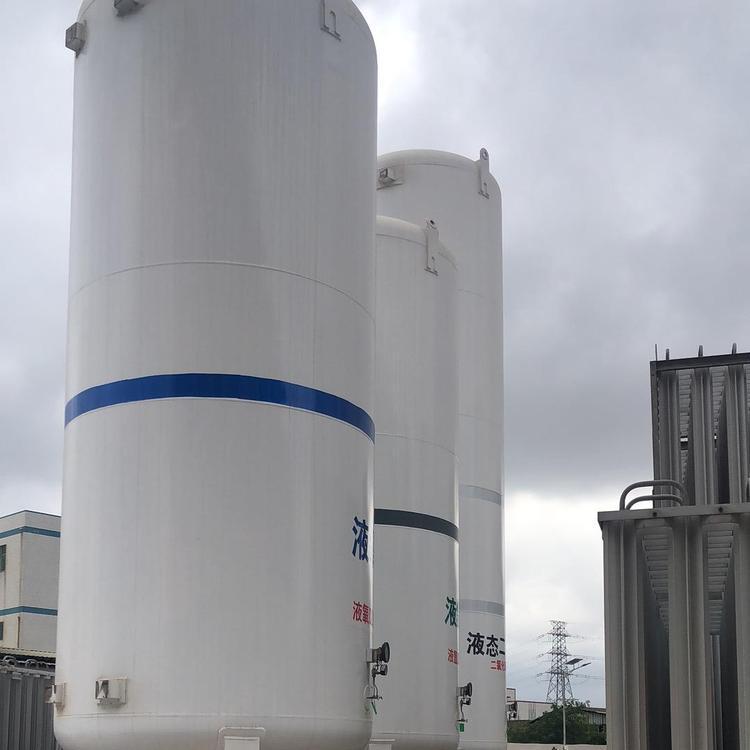
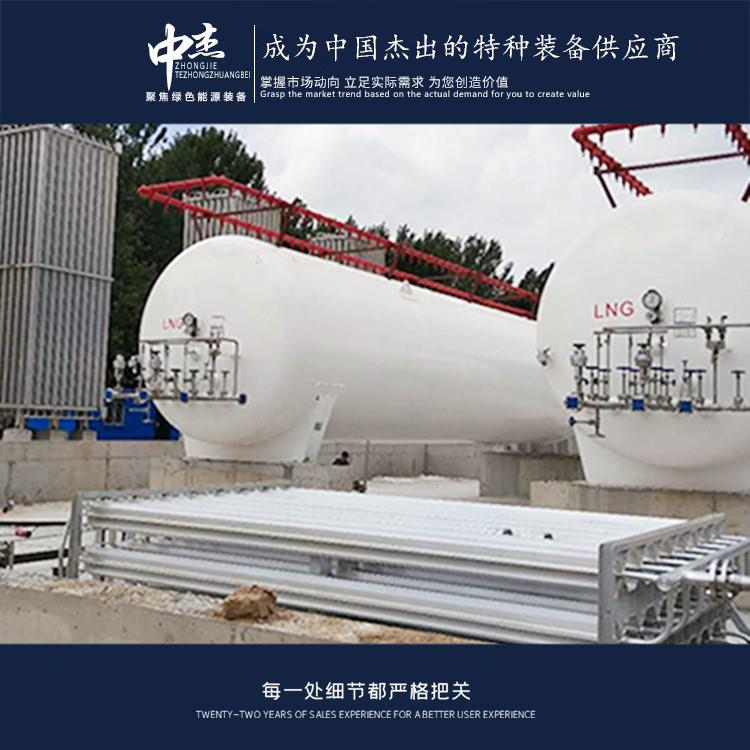


















Shandong Zhongjie Special Equipment (formerly Heze Boiler Factory Co., Ltd.) holds an A-grade boiler manufacturing license, A2-grade pressure vessel manufacturing license, A2-grade pressure vessel design license, B-grade boiler installation, and GB2/Class, GC2/Class pressure pipeline installation licenses, as well as mechanical and electrical equipment installation contracting qualifications. It is a member of the China Boiler and Water Treatment Association, the China Chemical Equipment Association, and the director unit of the Shandong Equipment Manufacturing Association, and has passed certifications for the ISO9001 Quality Management System, ISO14001 Environmental Management System, OHSAS18001 Occupational Health and Safety Management System, and the American ASME/U2 certification.
When using CO2 storage tanks, the following protective procedures must be followed to ensure safety:
- Tank Operator Training: All operators must undergo training to understand the characteristics, operational requirements, and safety measures of CO2 storage tanks. The training should include safe tank operation, leak handling, and emergency response procedures.
- Safety Operating Procedures: Establish and adhere to relevant safety operating procedures, including tank startup, shutdown, inspections, and maintenance. Operators should operate according to the procedures to ensure safe tank operation.
- Leak Handling: Develop a leak handling program, including leak detection, emergency shutdown, and source isolation measures. Operators should be familiar with the leak handling program and be able to respond quickly and correctly to leak incidents.
- Fire Prevention Measures: CO2 is a flammable substance; fire prevention measures must be taken when in use. Smoking, open flames, or flammable materials are prohibited near the tank. Ensure that fire protection equipment is in good condition around the tank and that fire drills are conducted regularly.
- Exhaust Emission: Properly dispose of exhaust gases produced when using CO2 storage tanks to avoid CO2 accumulation in enclosed spaces, which could lead to asphyxiation and safety risks. Ensure that the exhaust emission system is unobstructed and functioning properly.
- Regular Inspections and Maintenance: Conduct regular inspections of the tank's appearance, seals, valves, and pipeline connections. Promptly repair or replace any anomalies or damage found. Also, regularly check and maintain safety valves, pressure sensors, and other accessories.
- Emergency Response Plan: Develop and implement an emergency response plan, including leak incident handling, evacuation, and first aid measures. Operators should be familiar with the emergency response plan and conduct drills regularly.
- Monitoring and Alarm Systems: Install and maintain monitoring and alarm systems for the storage tanks.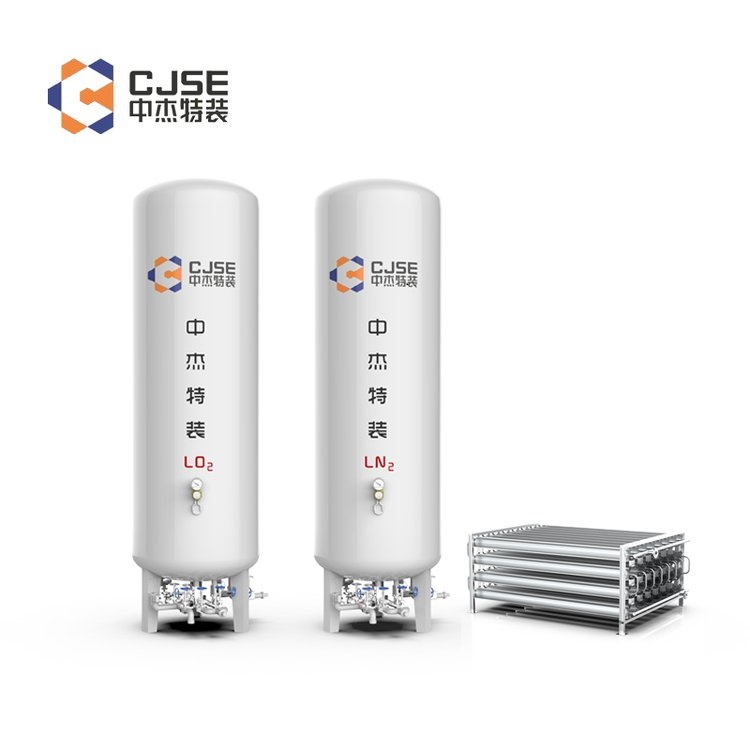
During routine inspections of carbon dioxide storage tanks, follow these steps:
- **Visual Inspection:** Check for any obvious damage, corrosion, or oil leakage on the tank's exterior. Pay attention to the tank shell, valves, and pipeline connections for any abnormalities.
- **Valve and Pipeline Check:** Inspect the tank's inlet and outlet valves and pipeline connections for proper functioning, leaks, or loose fittings. Ensure valves operate smoothly and reliably.
- **Pressure Relief Device Inspection:** Verify that the tank's pressure relief devices (e.g., safety valves) are working correctly. Confirm that the set pressure of the relief devices meets requirements.
- **Level Measurement System Check:** Assess the accuracy and reliability of the level measurement system. Calibrate the level sensors to ensure precise level readings.
- **Pressure and Temperature Check:** Check that the tank's pressure and temperature sensors are functioning properly. Confirm the accuracy of pressure and temperature measurements.
- **Safety Equipment Inspection:** Inspect the tank's safety equipment, such as safety valves, pressure sensors, and temperature sensors, for proper operation. Verify that their set parameters meet requirements.
- **Fire Protection Equipment Check:** Ensure that fire protection equipment around the tank is intact and that fire extinguishers, sprinkler systems, etc., are working correctly.
- **Liquid and Gas Quality Check:** Confirm that the liquid and gas carbon dioxide in the tank meets quality standards, with no impurities or contaminants.
- **Documentation and Reporting:** Record the date of the inspection, the content of the inspection, identified issues, and actions taken. Submit inspection reports to relevant departments or management as needed.
- These are general steps for daily inspection of carbon dioxide storage tanks. Specific operations should be tailored to the tank's characteristics and requirements. During inspections, follow relevant safety operating procedures and have trained personnel perform the operations.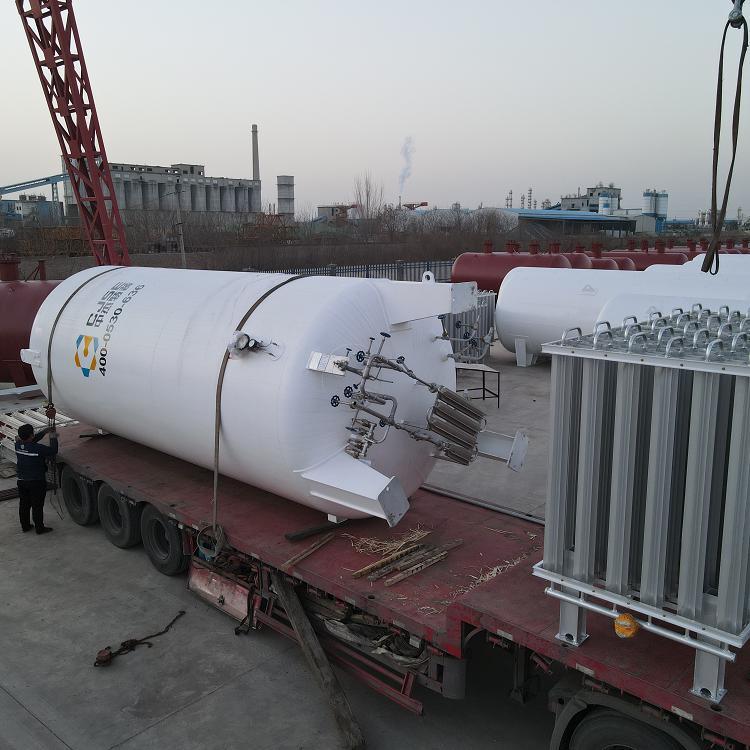
When using CO2 storage tanks, attention should be given to the following aspects:
- Safe Operation: Operators must undergo training to understand the characteristics, operational requirements, and safety measures of CO2 storage tanks. Adhere to relevant safety operating procedures and standards to ensure operation safety.
- Tank Inspection: Regularly inspect the tank's appearance, sealing, valves, and pipe connections before use. Promptly repair or replace any abnormalities or damages.
- Tank Placement: Store tanks in well-ventilated, dry, and fire-free areas. Avoid direct sunlight and high-temperature environments to prevent overheating.
- Leak Prevention: Ensure that valves and pipe connections are sealed properly to prevent CO2 leakage. Regularly check and replace seals, and promptly address any leaks.
- Pressure Control: The internal pressure of the tank should be within a safe range. Check the tank's pressure gauge and safety valve before use to ensure proper functioning. Avoid excessive or low pressure to prevent accidents.
- Fire Prevention Measures: CO2 is flammable. Take fire prevention precautions when using. Smoking, open flame operations, or placing flammable materials near the tank are prohibited.
- Exhaust Emission: Properly dispose of exhaust gases produced during the use of CO2 storage tanks to avoid CO2 accumulation in enclosed spaces, which could lead to asphyxiation and safety risks.
- Emergency Response Plan: Develop and implement an emergency response plan, including leak incident response, evacuation procedures, and first aid measures. Operators should be familiar with the plan and conduct regular drills.
It is important to note that only authorized operators should use CO2 storage tanks, following relevant safety operating procedures and standards. Seek advice and guidance from knowledgeable professionals.
The working principle of carbon dioxide storage tanks involves the compression and liquefaction of carbon dioxide. Here is a brief description of the working principle of carbon dioxide storage tanks: Compression: Carbon dioxide gas is first compressed to a higher pressure by a compressor. This process compresses the gas to a high-pressure state, enabling it to be converted into a liquid. Cooling: The compressed carbon dioxide gas enters a cooler, where it is rapidly cooled by the coolant or cooling system within the cooler. This process cools the gas below its boiling point, converting it into a liquid. Storage: The cooled carbon dioxide liquid is stored in a sealed tank, which typically has an insulating layer to reduce the evaporation of liquid carbon dioxide and maintain a low temperature. The pressure inside the tank is maintained within a certain range to ensure stable storage of liquid carbon dioxide. Supply: When carbon dioxide is needed, it can be extracted from the tank through valves and piping systems. By controlling the opening and flow of the valves, liquid carbon dioxide can be supplied to the required equipment or system. It should be noted that the working principle of carbon dioxide storage tanks may vary depending on specific design and manufacturing. When using carbon dioxide storage tanks, it is essential to follow the operation manual and safety guidelines and collaborate with local regulatory agencies and personnel to ensure the safety and reliability of the tanks.
Zhong Jie Special Equipment upholds the great vision of "Realizing employees' dreams, creating customer value, and striving for the prosperity and strength of our motherland," wholeheartedly dedicates itself to the development of green energy equipment, offering the society products and services with high cost-performance!
WeChat Official Account

Scan to follow Official Account



















