


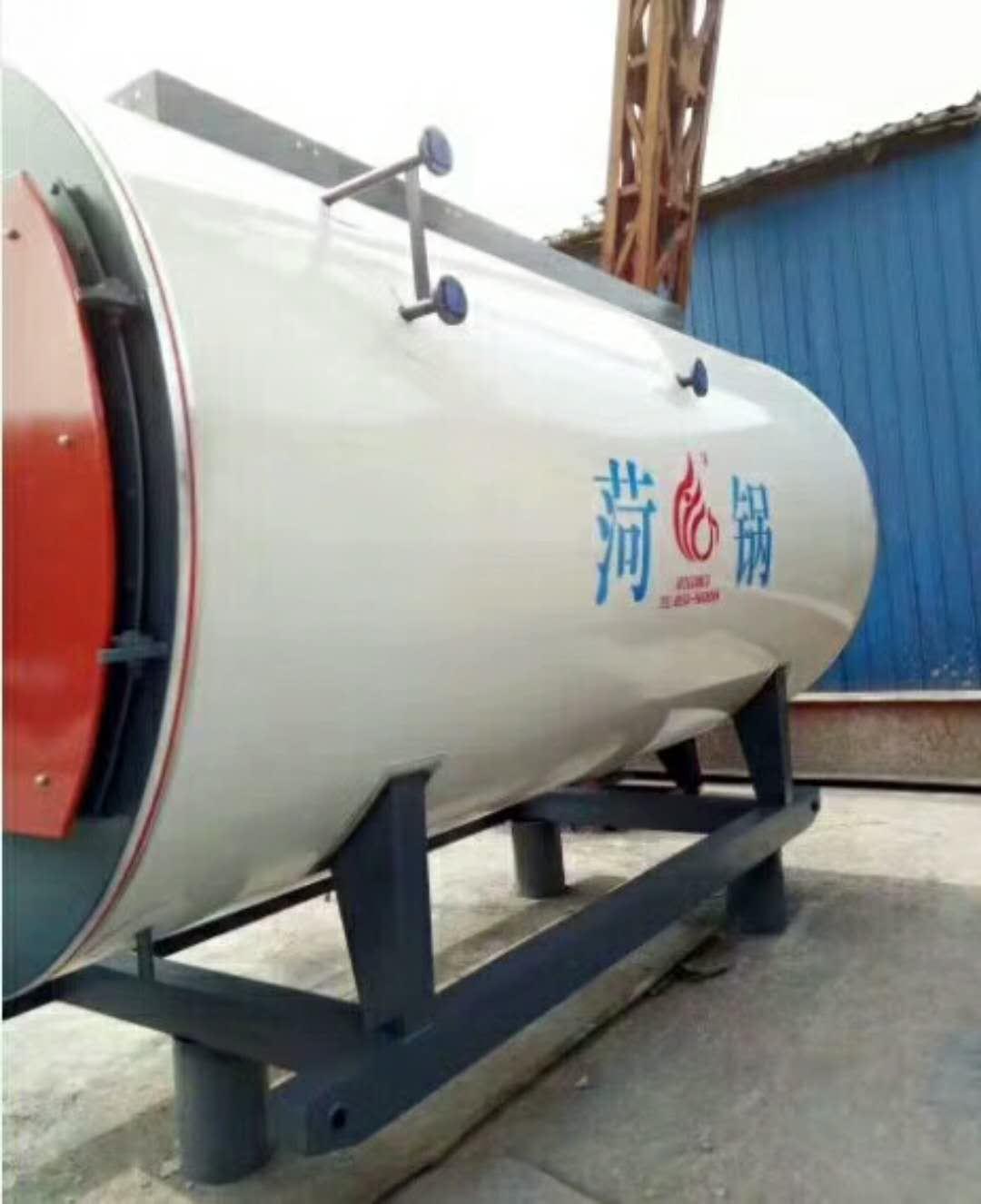

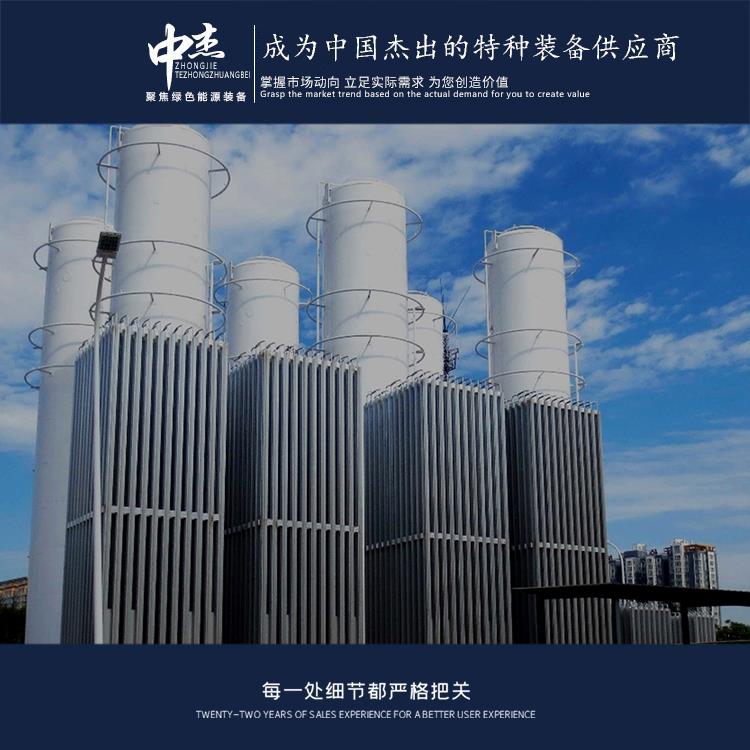
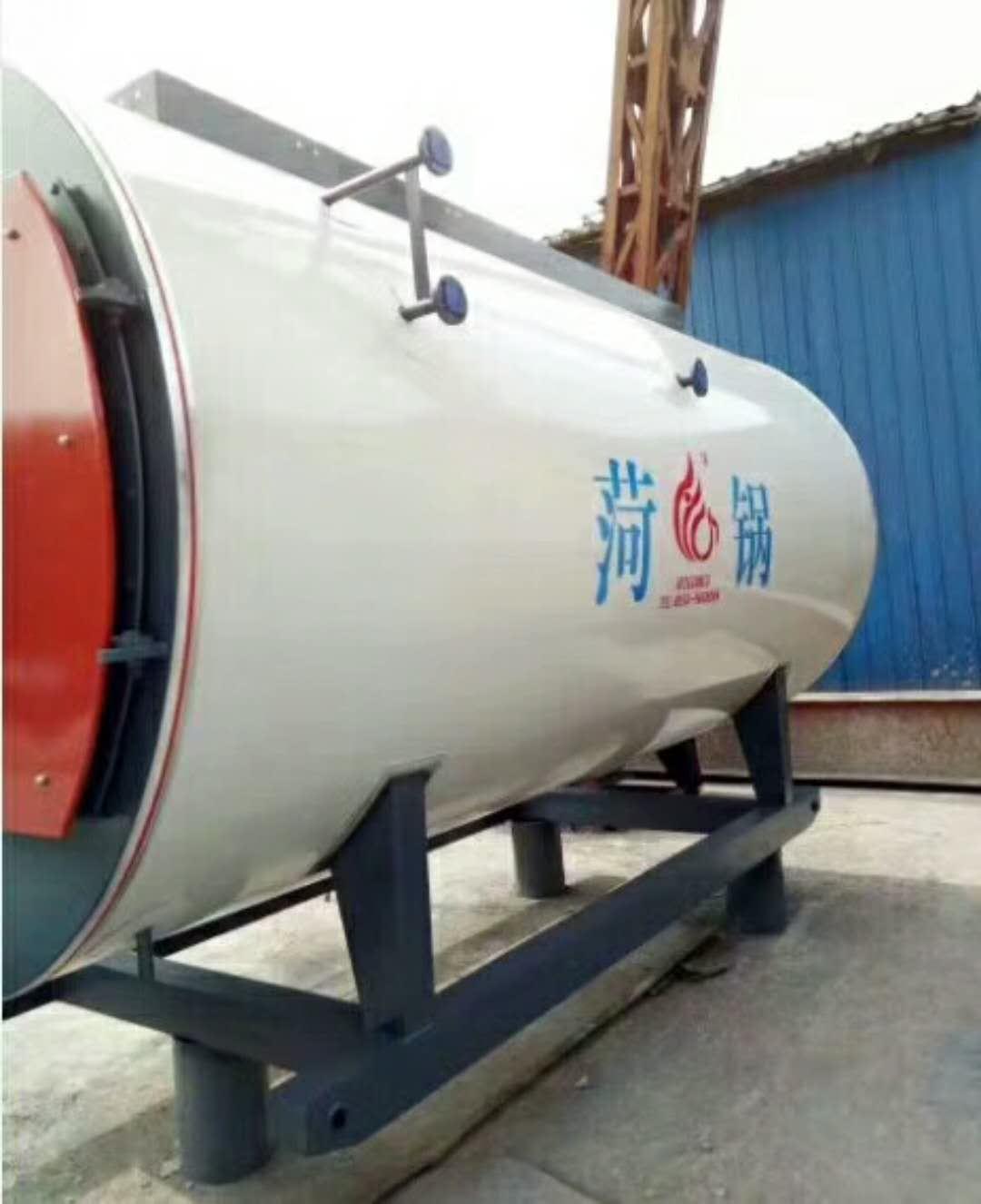


















Shandong Zhongjie Special Equipment's main products include: fuel (gas) boilers, organic heat carrier boilers, biomass boilers, waste heat boilers, and other boiler products; vacuum insulation cryogenic pressure vessels such as LNG tanks, oxygen/nitrogen/argon tanks, CO2 tanks; pressure vessel products like denitrification engineering equipment, heat storage and energy storage equipment, complete chemical equipment sets; central air conditioning and ventilation equipment such as ground (water) source heat pumps, air source units, water-cooled screw units, and air-cooled modular units. Planned products include large-scale energy centers, LNG transport vehicles, LNG tank containers, and other green energy equipment.
Maintaining and being aware of the precautions for liquid nitrogen tanks is crucial. Here are some key points:
Maintenance:
Regular Inspections: Regularly inspect the exterior, valves, pipes, and other components of the liquid nitrogen storage tank to ensure they are in perfect condition. Pay special attention to check for any leaks, corrosion, or other damage.
Clean Storage Tanks: Regularly clean liquid nitrogen storage tanks to remove internal dirt and deposits. Use appropriate cleaning agents and tools, and follow the cleaning procedures and safety operating protocols.
Liquid Nitrogen Refill: Refill liquid nitrogen regularly as needed. Ensure the storage tank maintains an adequate supply of liquid nitrogen to meet usage requirements.
Maintain Pressure: Regularly inspect the liquid nitrogen tank's pressure to ensure it stays within the safe range. Conduct pressure tests and adjustments as necessary.
Corrosion Protection: Depending on the tank material and operating environment, appropriate corrosion protection measures are taken to extend the tank's service life. For instance, applying corrosion-resistant coatings and conducting regular corrosion treatments.
Cautionary Notes:
Safe Operation: Strict adherence to safety operating procedures and standards is mandatory when using liquid nitrogen tanks. Operators must be trained, familiar with the properties of liquid nitrogen and safety operation requirements, and knowledgeable about the tank equipment and operational procedures.
Protection Measures: When using liquid nitrogen tanks, necessary protective measures must be taken, such as wearing protective gloves and suits. Avoid direct contact with liquid nitrogen to prevent frostbite.
Leak Control: Regularly inspect the liquid nitrogen storage tank for leaks and equip with leak detectors and alarm systems. In case of a leak, immediate measures should be taken to control the leak and carry out repairs.
Ventilation Requirements: In enclosed spaces where liquid nitrogen tanks are in use, adequate ventilation must be ensured.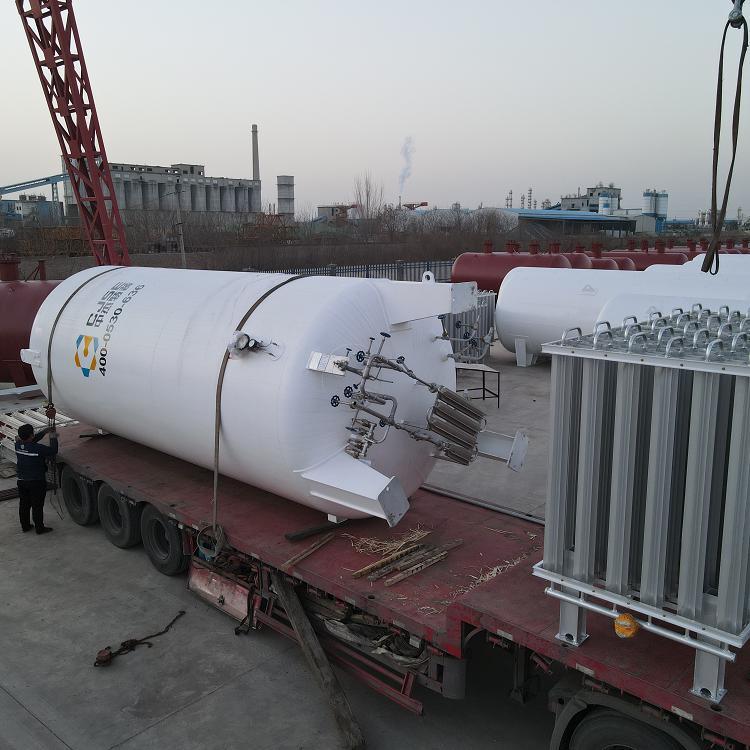
Liquid oxygen tanks are used for storing and supplying liquid oxygen as fuel and an oxidizer, playing a crucial role in launch propulsion systems and similar applications. Industrial Production: Liquid oxygen is used as an oxidizer in industrial production for processes such as combustion, oxidation, and oxygen supply. Liquid oxygen tanks are used to store and supply liquid oxygen to meet the needs of industrial applications like metal cutting, welding, and chemical reactions. Equipment: Liquid oxygen tanks are used to supply oxygen for applications such as oxygen therapy, oxygen inhalation, and operating rooms. These tanks provide high-purity oxygen while maintaining a low temperature, meeting the equipment's oxygen requirements. Laboratory Research: Liquid oxygen tanks are utilized in scientific research and laboratories to provide liquid oxygen as experimental materials and reagents. The low temperature and high purity of liquid oxygen make it widely applicable in laboratories, including material science, chemical reactions, and biomedical research. In summary, liquid oxygen tanks are important in various fields such as industrial production, equipment, and laboratory research, providing storage and supply functions for liquid oxygen at the application sites.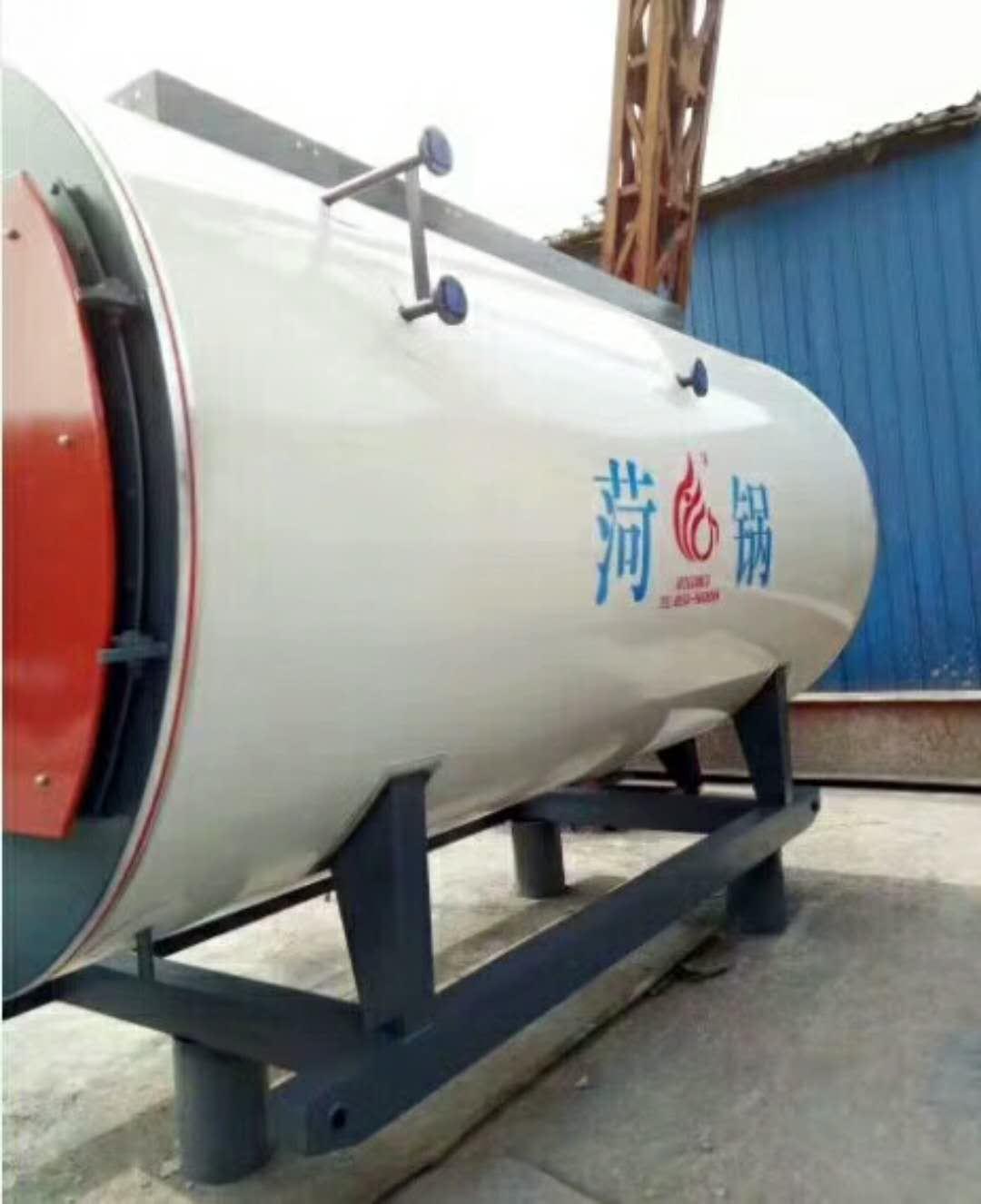
The safety distance for liquid oxygen storage tanks refers to the distance that must be maintained around the tank to ensure the safety of personnel and equipment. The specific requirements for safety distances may vary depending on different regions and application sites. Here are some common principles for safety distances:
- Buildings and Equipment: Liquid oxygen storage tanks should be kept at a certain safe distance from buildings, equipment, and other storage tanks to prevent the spread of fires, explosions, and leaks. The specific safety distance requirements should be assessed and determined according to local regulations and standards.
- Ignition and Heat Sources: Liquid oxygen is highly oxidizing and can easily cause fires and explosions. Therefore, liquid oxygen storage tanks should be kept at a sufficient distance from ignition sources, heat sources, and flammable materials to prevent fires and explosions.
- Ventilation and Exhaust: Good ventilation and exhaust should be maintained around liquid oxygen storage tanks to prevent the accumulation of evaporated oxygen and the formation of explosive mixtures. The design and operation of ventilation and exhaust systems should comply with relevant safety standards and regulations.
- Personnel and Traffic: Personnel and traffic around liquid oxygen storage tanks should be restricted and controlled to ensure personnel safety and the normal operation of the tank. Warning signs, safety fences, and restricted areas should be established to prevent unauthorized personnel from entering the tank area.
It is important to note that the safety distance for liquid oxygen storage tanks should be assessed and determined based on the specific application site and safety requirements. When designing, installing, and operating liquid oxygen storage tanks, relevant regulations, standards, and safety guidelines should be followed to ensure the safety and reliability of the tank.
When using a 50-cubic-liter liquid oxygen storage tank, the following safety concerns should be noted:
Tank Pressure Control: Ensure the liquid oxygen pressure within the tank is consistently within a safe range. Monitor and control the tank's pressure to avoid risks posed by either excessive or insufficient pressure.
Leakage and Fire Prevention: Conduct regular inspections of the tank and associated piping to ensure their密封ity, preventing any oxygen liquid leaks. Oxygen liquid is highly flammable, so fire prevention measures must be implemented to ensure no sources of fire are present around the tank.
Explosion Prevention Measures: Oxygen inside the liquid oxygen tank may cause an explosion upon contact with flammable materials. Ensure there are no flammable items around the tank and implement explosion prevention measures, such as explosion-proof electrical equipment and static grounding.
Safety valves and exhaust systems: Tanks should be equipped with safety valves and exhaust systems to prevent overpressure situations. Ensure the proper functioning of the safety valves and the unobstructed flow of the exhaust system.
Maintenance and Inspection: Regularly conduct maintenance and inspections of the storage tank, including cleaning, coating protection, and anti-corrosion treatment. Ensure the structural integrity and safety of the tank.
Safety Operation and Training: Operators must undergo relevant safety training, familiarize themselves with the safe operation procedures for liquid oxygen tanks, and understand emergency response measures. Adhere to correct operational steps to ensure safe operation.
Environmental Monitoring: Regularly monitor environmental parameters such as oxygen concentration and temperature around the storage tanks to ensure safety.
Emergency Preparedness: Develop an emergency response plan including measures for leaks, fires, and explosions. Equip with appropriate emergency equipment and firefighting supplies to handle unexpected incidents.
Above are some safety issues to be aware of when using a 50-cubic-liter liquid oxygen storage tank. To ensure safety, it is recommended to follow relevant safety regulations and operating guidelines, and seek assistance and guidance from experts when needed.
ZJ Special Equipment adheres to the great vision of "realizing employees' dreams, creating customer value, and striving for the prosperity and strength of our motherland," and is dedicated to the development of the green energy equipment industry. We offer society high-quality and cost-effective products and services!
WeChat Official Account

Scan to follow Official Account



















