


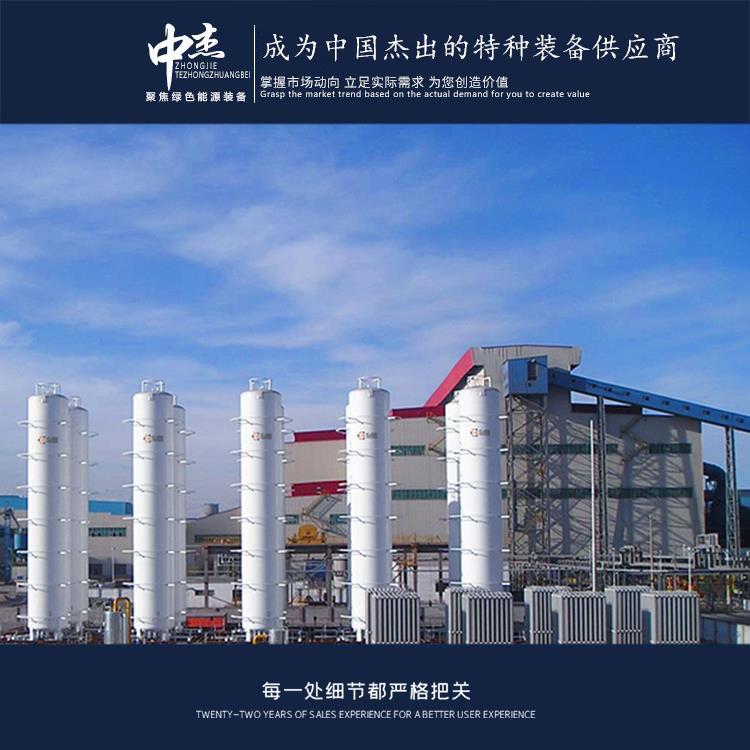

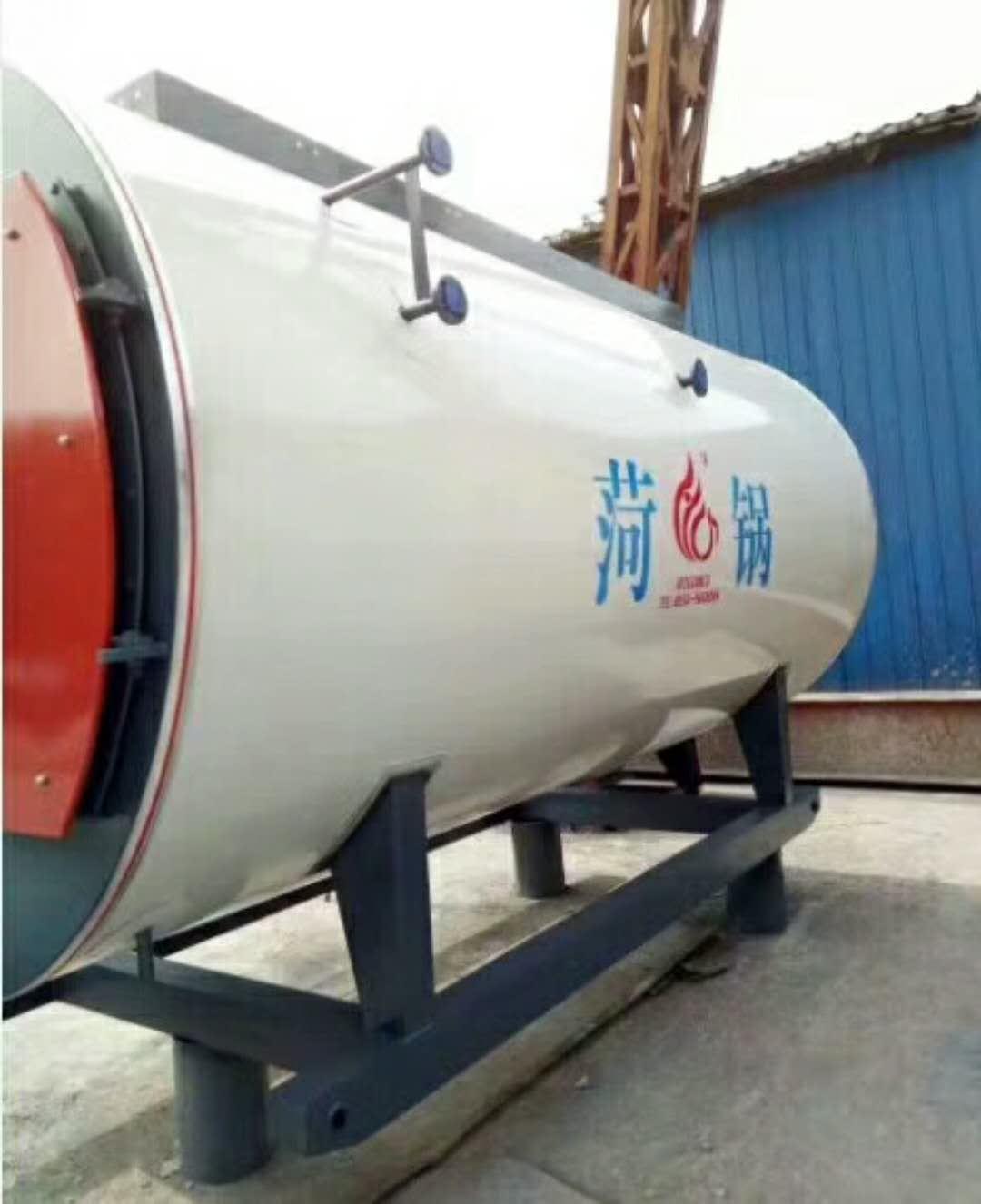
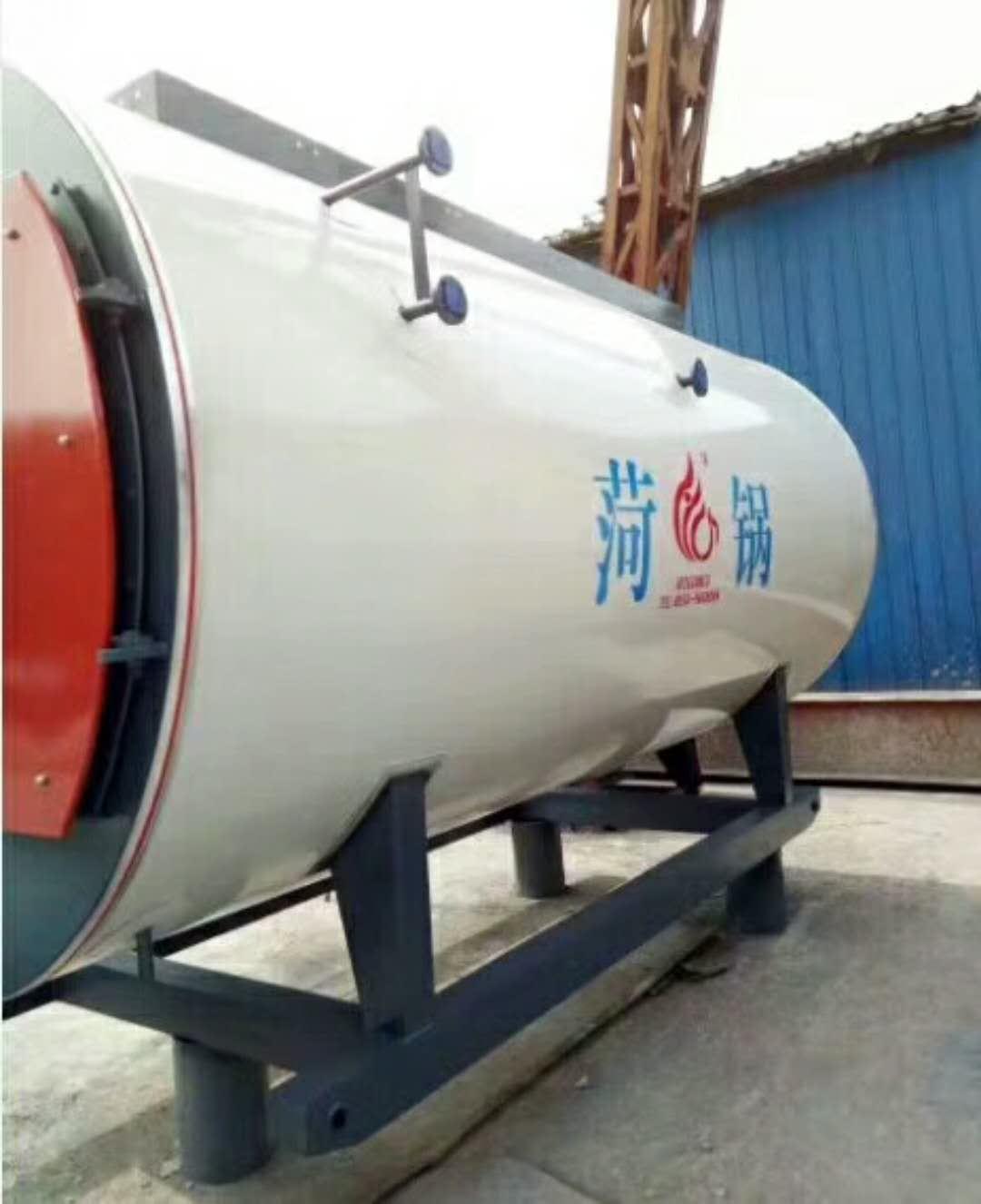


















Shandong Zhongjie Special Equipment (formerly Heze Boiler Factory Co., Ltd.) holds an A-grade boiler manufacturing license, an A2-grade pressure vessel manufacturing license, an A2-grade pressure vessel design license, B-grade boiler installation and GB2, GC2 pressure pipeline installation licenses, as well as a mechanical and electrical equipment installation contracting qualification. It is a member of the China Boilers and Water Treatment Association, the China Chemical Equipment Association, and the director unit of the Shandong Equipment Manufacturing Association. The company has also passed the ISO9001 Quality Management System, ISO14001 Environmental Management System, OHSAS18001 Occupational Health and Safety Management System certifications, and the American ASME/U2 certification.
The oxygen-filling process for liquid oxygen tanks must adhere to specific operational procedures and safety measures. Here are the steps for filling a liquid oxygen tank:
Preparation: Ensure the tank and oxygenation equipment are in good working condition, check the tank's seal integrity and the proper functioning of the safety valve.
Connect equipment: Link the oxygenation equipment to the storage tank, ensuring the connection is sealed reliably.
Prepare liquid oxygen: Transfer liquid oxygen from the storage container to the oxygen storage tank of the filling equipment. During the transfer, be cautious to avoid any leakage of liquid oxygen and contact with it.
Oxygen Filling Operation: Open the valve of the oxygen filling equipment and fill liquid oxygen from the oxygen storage tank into the storage tank. During the filling process, control the filling speed and pressure to avoid excessive pressure and temperature increase in the tank.
Monitoring and Control: During the aeration process, it is necessary to monitor the tank's pressure and temperature to ensure they remain within safe limits. In case of any abnormalities, the aeration should be stopped immediately and appropriate measures should be taken.
Oxygen Filling Completed: Close the valve of the oxygen filling equipment and cease the filling operation once the tank reaches the required oxygen level or pressure.
Safety Handling: After the oxygenation is completed, safety handling is required, including closing relevant valves and emptying the remaining liquid oxygen from the oxygenation equipment.
Note that liquid oxygen is highly oxidizing and flammable. The oxygen filling process must strictly adhere to relevant safety operating procedures and standards. Operators should receive training and strictly follow the operational procedures and safety measures to ensure the safety and reliability of the filling process.
Liquid Argon Storage Tanks are equipment used for storing and transporting liquid argon, with the following scope and characteristics:
Application Scope:
Industrial Applications: Liquid Argon Storage Tanks are widely used in various industrial sectors, including metal processing, electronic manufacturing, semiconductor production, and more.
Application: Liquid argon tanks are used in the field for cryogenic preservation of biological samples, cells, tissues, and vaccines.
Laboratory Applications: Liquid Argon Tanks are used in scientific research laboratories for low-temperature experiments, cryogenic preservation, and sample processing, etc.
Features:
Low-temperature Performance: As the boiling point of liquid argon is -185.7°C, the liquid argon storage tank must have excellent low-temperature insulation properties to maintain the低温 state of liquid argon.
High-sealed integrity: Liquid argon storage tanks must have excellent sealing performance to prevent evaporation loss of liquid argon and the entry of external air.
Safety: Liquid argon is a flammable and explosive substance; thus, liquid argon tanks must be equipped with safety valves, leak detectors, and other safety devices to ensure safe operation.
High Capacity: The capacity of liquid argon storage tanks ranges from a few liters to several thousand liters, allowing for selection of an appropriate capacity based on requirements.
Cautionary Notes:
Protective Gear: When handling liquid argon storage tanks, it is mandatory to wear appropriate protective gear, including gloves, protective clothing, and non-slip shoes, to safeguard against the low temperatures of liquid argon and other hazards.
Ventilation Requirements: In
Low-temperature liquid storage tanks (such as liquid nitrogen, liquid oxygen, liquid argon, etc.) have the following advantages:
High-Density Storage: Low-temperature liquid storage tanks can convert gases into liquids, significantly enhancing storage density. Compared to gas storage, liquid storage allows for a greater quantity of material to be stored in a smaller space, thereby improving storage efficiency.
Low Temperature Retention: The low-temperature liquid storage tank has excellent insulation properties, effectively maintaining the low temperature of the liquid. The design and construction of the insulation layer can reduce heat conduction and thermal loss, preserving the low temperature of the liquid and minimizing evaporation and loss.
Supply: Low-temperature liquid storage tanks provide a stable liquid supply. Through internal pressure control and pipeline system design, precise liquid supply is achievable, catering to industrial production and experimental needs.
Safety: Low-temperature liquid storage tanks offer high safety. Liquid storage compared to gas storage reduces the risk of gas leakage and explosion. Tanks are typically equipped with safety devices, such as pressure relief valves and level alarms, to ensure timely measures can be taken in abnormal situations, safeguarding the tank's safety.
Multi-functional Applications: Low-temperature liquid storage tanks are widely used in various fields such as industrial production and scientific research. Cryogenic liquids like liquid nitrogen and liquid oxygen can be utilized for freezing, refrigeration, and gas supply, meeting diverse industrial needs.
In summary, low-temperature liquid storage tanks offer advantages such as high-density storage, temperature retention, supply, safety, and versatile applications, providing reliable liquid storage and supply solutions across various fields.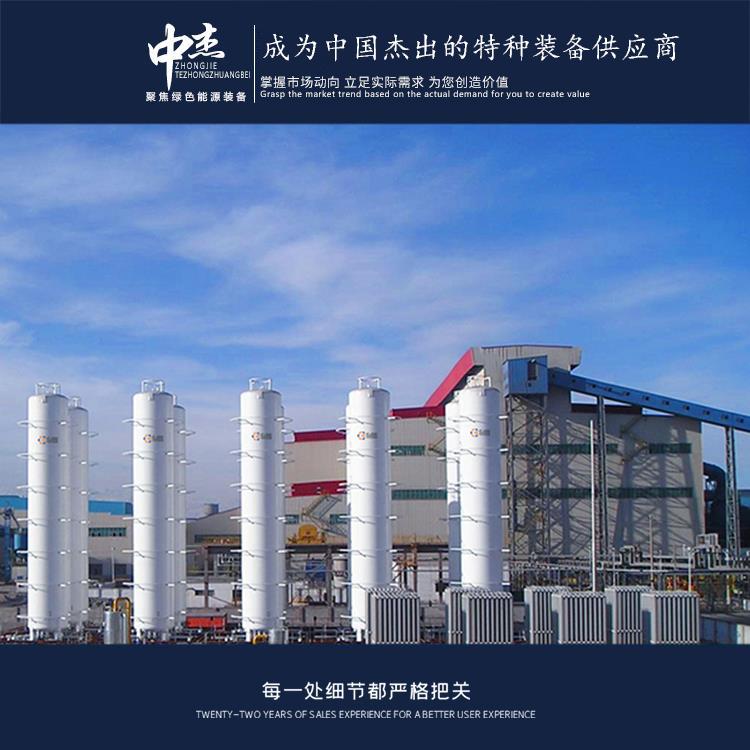
Determining the design pressure and calculation pressure for liquid oxygen storage tanks requires considering the following factors:
Design Pressure: Design pressure refers to the maximum pressure a tank can withstand under normal operating conditions. When determining the design pressure, factors such as the working pressure range of liquid oxygen, the tank's material strength, and safety factors need to be considered. Generally, the design pressure should be slightly higher than the high working pressure of liquid oxygen to ensure the tank's safety and reliability within the normal operating range.
Calculation Pressure: The calculation pressure refers to the actual working pressure of the tank under the design pressure. This calculation pressure is determined based on factors such as the characteristics of liquid oxygen, the geometric shape of the tank, and material strength. The calculation pressure should consider factors like the expansion coefficient of liquid oxygen, temperature changes, and pressure fluctuations to ensure the safety and stability of the tank under actual working conditions.
Determining the design and calculated pressures for liquid oxygen storage tanks usually requires referencing relevant standards and specifications, such as Standard GB150 "Steel Pressure Vessels" and GB18442 "Technical Conditions for Storage Tanks of Liquid Oxygen, Liquid Nitrogen, and Liquid Argon." These standards and specifications provide detailed design and calculation methods to ensure the safety and reliability of the tanks.
In practical applications, the design pressure and calculated pressure of liquid oxygen storage tanks should be calculated and determined by pressure vessel designers. They will consider various factors such as specific engineering requirements, tank dimensions, and materials to ensure the tank's design and use comply with relevant safety standards and regulations.
Shandong Zhongjie Special Equipment, welcome customers to our factory for cooperation negotiations.
WeChat Official Account

Scan to follow Official Account



















