


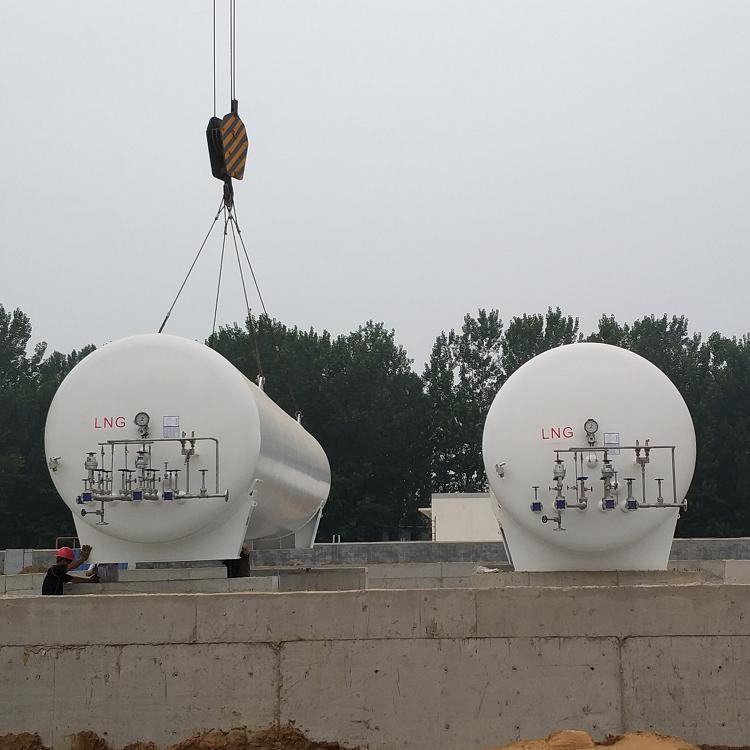

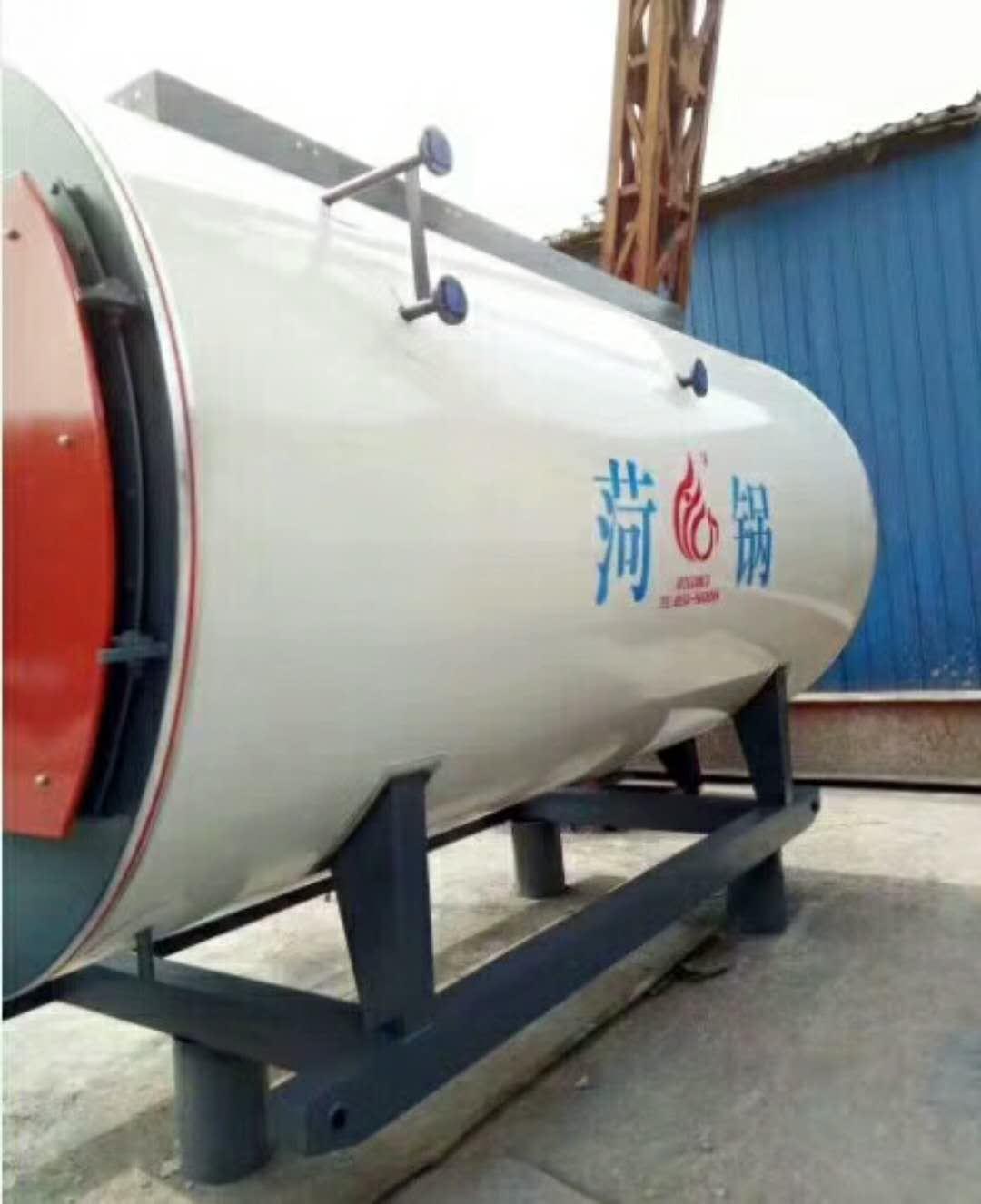


















Shandong Zhongjie Special Equipment (formerly Heze Boiler Factory Co., Ltd.) holds an A-grade boiler manufacturing license, an A2-grade pressure vessel manufacturing license, an A2-grade pressure vessel design license, a B-grade boiler installation license, and GB2/Class and GC2/Class pressure pipeline installation licenses, as well as a mechanical and electrical equipment installation contracting qualification. It is a member of the China Boiler and Water Treatment Association, the China Chemical Equipment Association, and the director unit of the Shandong Equipment Manufacturing Association. The company has also passed the ISO9001 Quality Management System, ISO14001 Environmental Management System, OHSAS18001 Occupational Health and Safety Management System certifications, and the American ASME/U2 certification.
Common defects in CO2 storage tanks during use may include deformation. Here are some reasons that could lead to tank deformation: Overpressure: When the internal pressure of the tank exceeds its design pressure, it may cause deformation. This could be due to operational errors, system failures, or other causes. Temperature Changes: CO2 storage tanks expand and contract with temperature changes, and if the temperature changes are too large or too rapid, it may result in tank deformation. Internal Corrosion: If there are corrosion issues inside the tank, corrosion can damage the structural integrity of the tank, leading to deformation. External Damage: External impacts, compressions, or other physical damages may cause tank deformation. Incorrect Installation or Use: Incorrect installation or usage methods may lead to uneven stress on the tank, causing deformation. Tank deformation can reduce the structural strength of the tank and even pose risks of leakage or rupture. Therefore, it is important to regularly inspect and maintain the integrity of the tank, as well as to follow proper operational and installation procedures. If tank deformation or other defects are detected, the tank should be immediately stopped from use and professional assistance should be sought for inspection and repair. Do not attempt to repair or continue using a defective tank to ensure operational safety.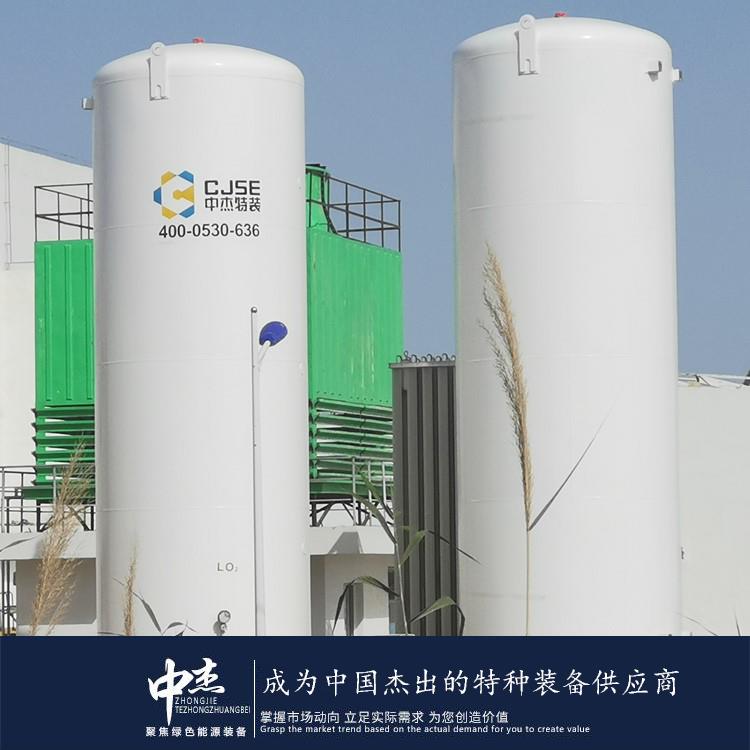
Carbon dioxide storage tanks offer the following features and advantages:
- High Storage Density: These tanks can compress carbon dioxide gas into a liquid state, significantly increasing storage density. Compared to storing in gas form, liquid carbon dioxide can hold more volume in a smaller tank, saving space and costs.
- Multiple Application Areas: Carbon dioxide storage tanks are widely used in various fields, including the food and beverage industry, manufacturing, fire suppression, and gas supply. Carbon dioxide serves as a preservative, effervescent agent for beverages, gas, and fire extinguisher, with broad applications and market demand.
- Environmental and Renewable: Carbon dioxide is an environmentally friendly gas, and its increased concentration in the atmosphere can lead to warming and climate change. By storing and utilizing carbon dioxide, we can reduce its emissions into the atmosphere, promoting environmental protection and sustainable development.
- Safe and Reliable: During design and manufacturing, carbon dioxide storage tanks typically use high-strength materials (such as carbon steel or stainless steel) with excellent pressure resistance and safety. The tanks are usually equipped with safety valves, pressure gauges, level indicators, and other accessories to ensure safe operation. Additionally, carbon dioxide is non-flammable and non-explosive, making it relatively safe.
- Supply: These tanks provide a stable supply of carbon dioxide. Through tank design and control systems, accurate measurement and supply of carbon dioxide can be achieved, meeting the needs of various industries and applications.
In summary, carbon dioxide storage tanks offer high storage density, multiple application areas, environmental and renewable qualities, safety and reliability, and supply advantages. This makes them an important storage and supply equipment, widely used across various industries. However, safety operating procedures must still be followed when using carbon dioxide storage tanks.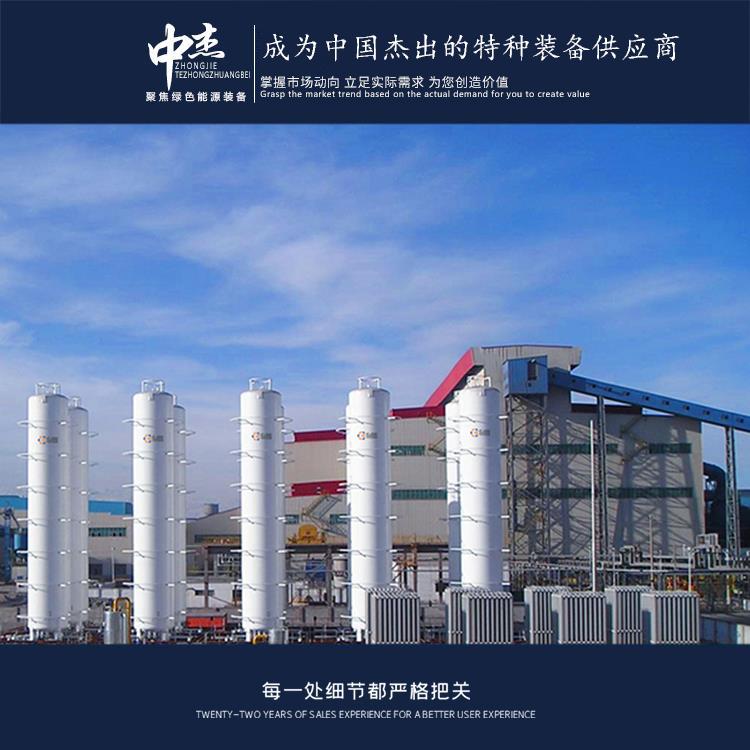
Installation and Operation Requirements for Low-Temperature Carbon Dioxide Storage Tanks:
Installation Location Selection: When selecting the installation location for the storage tank, consider the weight and dimensions of the tank to ensure a solid and stable foundation. Also, keep the tank away from flammable and explosive materials and high-temperature sources to ensure safety.
Safety Distance: Maintain a certain safety distance around the tank for routine inspections, maintenance, and emergency response. The safety distance should comply with relevant safety regulations and standards.
Connection Piping: Use appropriate connection methods between the tank and piping to ensure tight, reliable connections with no leaks. The connection piping should meet relevant standards and specifications.
Pressure Relief Devices: The tank should be equipped with pressure relief devices, such as safety valves, to control internal tank pressure. The set pressure of the pressure relief devices should meet relevant requirements and be inspected and maintained regularly.
Sealability Inspection: Regularly check the tank's sealing performance to ensure no leaks. Pay special attention to the sealing of valves, pipe connections, and the tank itself.
Temperature Control: Low-temperature carbon dioxide storage tanks require temperature control to maintain the internal低温 state. Ensure the surrounding environment temperature is suitable and take appropriate insulation measures.
Safety Protection: Set up appropriate safety protection facilities around the tank, such as guardrails and warning signs, to remind personnel of safety and prevent unauthorized access to the tank.
Storage Capacity Control: Control the storage capacity of the tank according to actual needs to avoid exceeding the rated capacity. Exceeding the rated capacity may lead to excessive tank pressure, increasing safety risks.
Carbon Dioxide Applications in the New Energy Field
Carbon Capture and Storage (CCS): This is a technology for reducing carbon dioxide emissions, involving capturing CO2 from industrial emissions sources and storing it in underground reservoirs to prevent it from entering the atmosphere. It aids in reducing greenhouse gas emissions and mitigating climate change.
Carbon Utilization: CO2 can be used to produce valuable chemicals and fuels. For instance, through catalytic conversion technology, CO2 can be transformed into fuels like ethanol, which are used in both energy and chemical industries. This carbon utilization technique helps reduce dependence on traditional fossil fuels and promotes the development of sustainable energy.
Carbon Dioxide Batteries: This is a new battery technology that uses CO2 as the electrical material. By converting CO2 into electrical energy, these batteries serve as a sustainable energy storage solution, contributing to the advancement of electric vehicles and renewable energy sources.
Carbon Dioxide Photocatalysis: This technology utilizes solar energy to convert CO2 into useful chemicals. By employing photocatalysts, CO2 and water can be transformed into combustible gases or organic compounds, thereby realizing the resource utilization of CO2.
These applications aim to reduce CO2 emissions, improve energy efficiency, and drive the development of sustainable energy. However, these technologies are still in continuous development and research, requiring further technological breakthroughs and practical validation.
Shandong Zhongjie Special Equipment, welcome customers to our factory for business talks.
WeChat Official Account

Scan to follow Official Account



















