


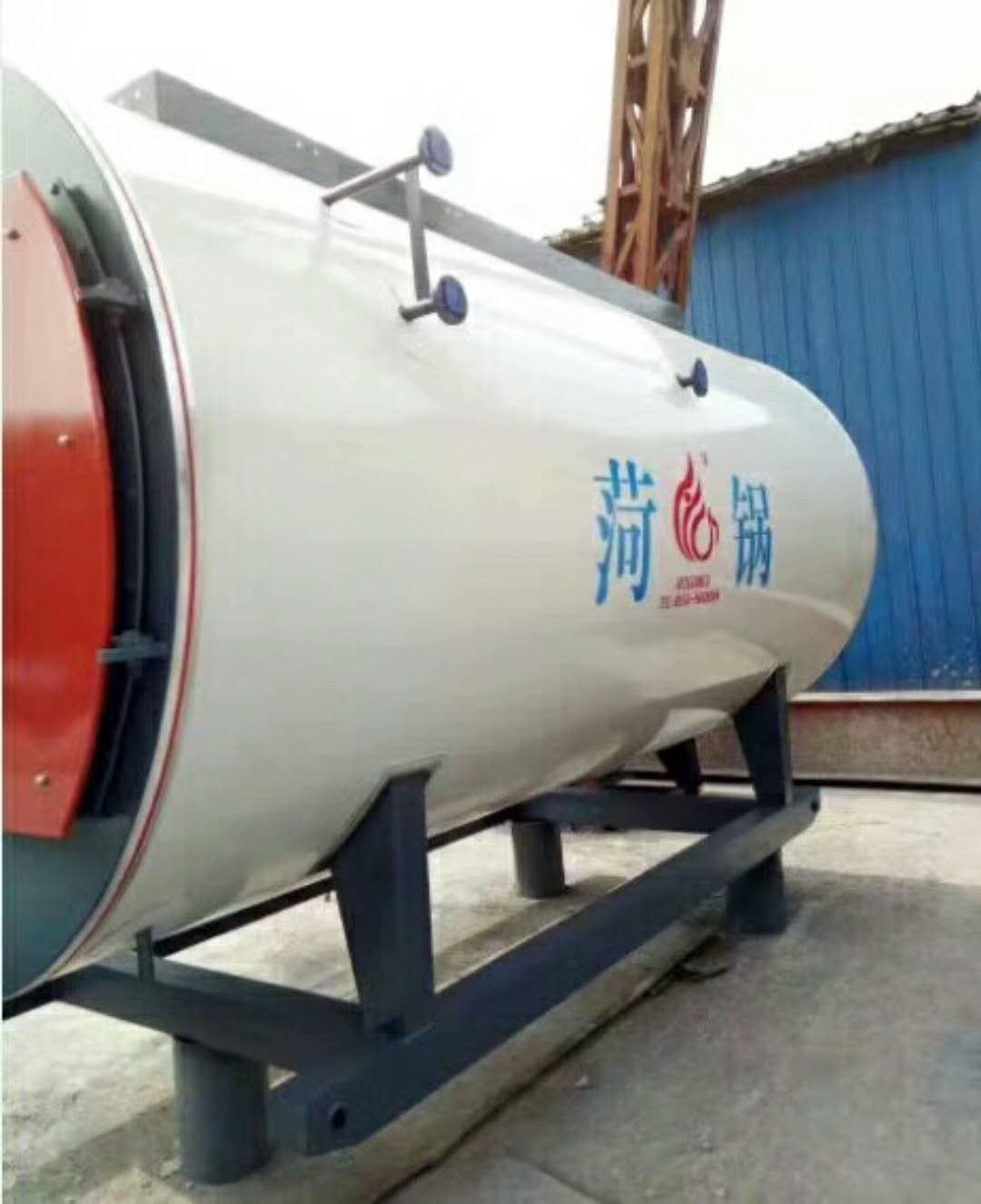

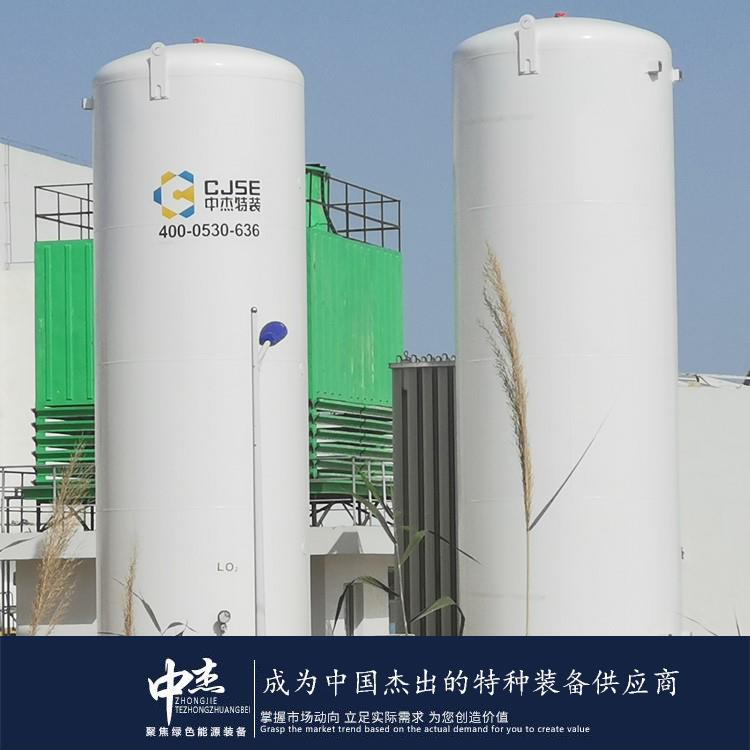
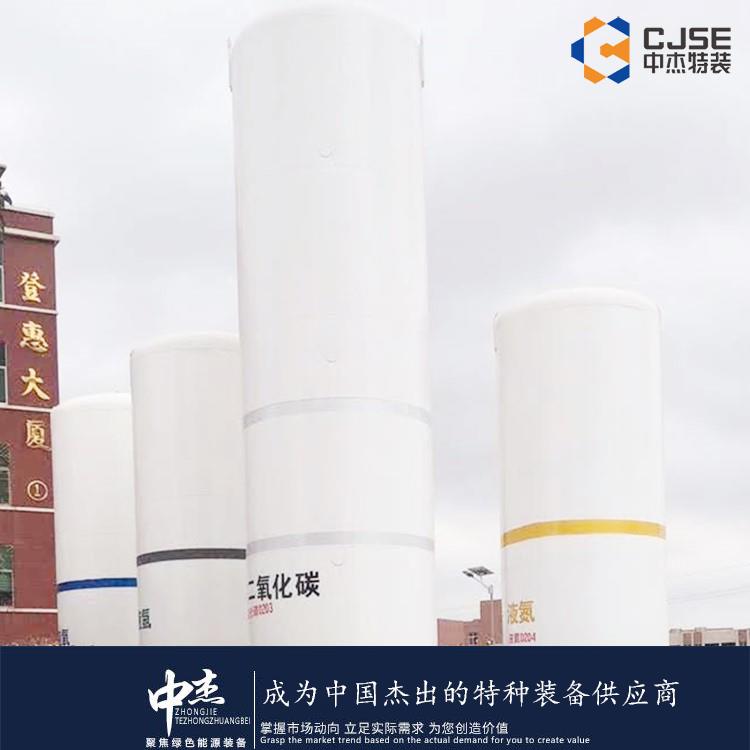


















Shandong Zhongjie Special Equipment (formerly Heze Boiler Factory Co., Ltd.) holds an A-grade boiler manufacturing license, an A2-grade pressure vessel manufacturing license, an A2-grade pressure vessel design license, B-grade boiler installation, and GB2/Class, GC2/Class pressure pipeline installation licenses, as well as mechanical and electrical equipment installation contracting qualifications. It is a member of the China Boiler and Water Treatment Association, the China Chemical Equipment Association, and the理事 member of the Shandong Equipment Manufacturing Association. The company has also passed the ISO9001 Quality Management System, ISO14001 Environmental Management System, OHSAS18001 Occupational Health and Safety Management System certifications, and the American ASME/U2 certification.
Maintaining and protecting accessories of liquid argon storage tanks is a crucial measure to ensure the normal operation and extend their service life. The following are general methods for maintaining and protecting the accessories of liquid argon storage tanks:
Valve Maintenance: Regularly inspect and maintain valves within the tank accessories, including intake valves, exhaust valves, and safety valves. Ensure the valves operate smoothly and reliably with no leaks or jamming. Regularly lubricate the valves and clean any debris and dirt.
Pressure Relief Device Maintenance: The pressure relief devices (such as safety valves) in the liquid argon storage tank accessories are critical components ensuring the safety of internal tank pressure. Regularly inspect and test the operational status of the pressure relief devices to ensure they are functioning properly. Clean and repair as needed.
Sensor and gauge maintenance: Sensors and gauges in the liquid argon storage tank accessories are used for monitoring and controlling parameters such as tank temperature and pressure. Regularly calibrate and inspect the accuracy and reliability of the sensors and gauges. Keep the sensors and gauges clean and functioning properly.
Insulation Protection: The insulation layer of liquid argon storage tank accessories is crucial for maintaining the low-temperature state of liquid argon. Regularly inspect the integrity and insulating performance of the insulation layer, and repair or replace damaged insulation materials. Avoid mechanical damage or contamination to the insulation layer.
Cleaning and Corrosion Protection: Regularly clean the accessories of the tank, removing impurities and dirt from the surface. Regularly inspect and maintain the corrosion protection layer of the accessories to prevent corrosion and oxidation.
Regular Inspections and Maintenance: Conduct comprehensive inspections and maintenance of liquid argon cylinder accessories on a regular basis, including appearance, fittings, and seals. Promptly identify and address any damage, leaks, or other issues with the accessories.
Record and Document Management: Document each maintenance and service outcome, including the service date, content, identified issues, and corrective measures. Establish comprehensive management records and documents for tracking and managing the operational status of attachments.
Please note that maintenance and protection of liquid argon tank accessories should be performed by trained personnel, following relevant specifications and standards. Ensure safety during maintenance and operation, and consult with experts for accurate guidance.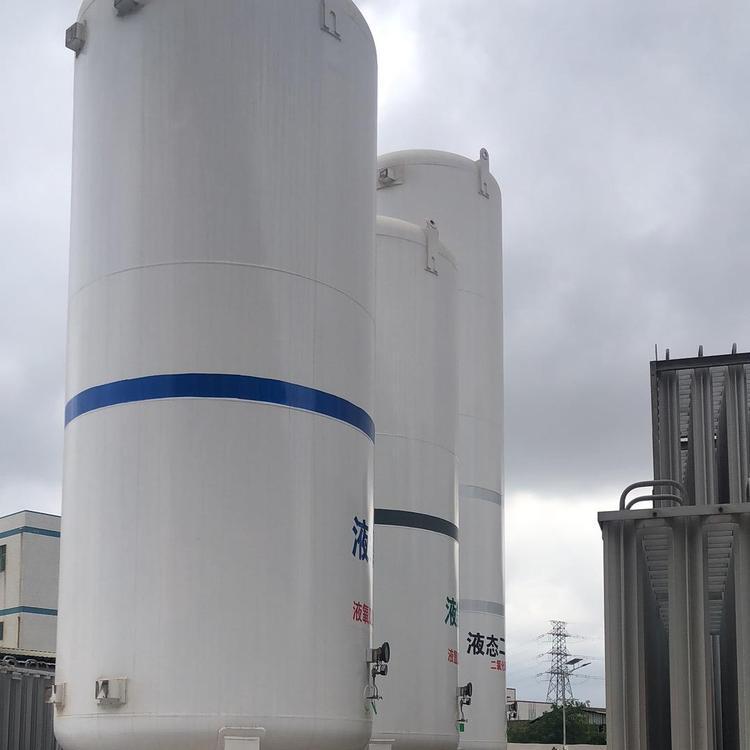
Daily inspections of liquid nitrogen tanks should include the following aspects:
Level Check: Regularly inspect the liquid nitrogen tank's level to ensure it remains within the normal range. This can be done using a level gauge or a level scale, among other equipment.
Pressure Check: Inspect the tank's pressure to ensure it's within a safe range. Use pressure gauges or pressure sensors for the check.
Insulation Layer Inspection: Check if the insulation layer of the tank is intact, without any damage or detachment. The integrity of the insulation layer is crucial for reducing heat transfer and the evaporation of liquid nitrogen.
Leak Inspection: Check for signs of liquid nitrogen leakage around the storage tank, such as evaporating mist, frost, or freezing. If a leak is detected, take immediate measures to repair it.
Valve and pipeline inspection: Check that the valves and pipelines of the tank are operating normally without any gas leaks or blockages. Ensure the tightness and unobstructed flow of the valves and pipelines.
Safety Device Inspection: Examine the safety devices of the storage tank, such as pressure relief valves, temperature sensors, and level alarms, to ensure they are functioning properly.
Tank exterior cleaning: Regularly clean the external surface of the tank to remove dust, dirt, and debris. Maintain the tank's appearance for easy inspection and maintenance.
Tank Records and Documentation: Timely record the inspection results and maintenance records of the tank, including liquid levels, pressure, insulation status, and leakage conditions. These records aid in monitoring the tank's operational status and identifying issues promptly.
Above are the daily inspection items for liquid nitrogen tanks. Regularly performing these checks ensures the safe operation and effective use of the tanks. At the same time, follow relevant safety regulations and operational guidelines to ensure the safety of personnel and equipment.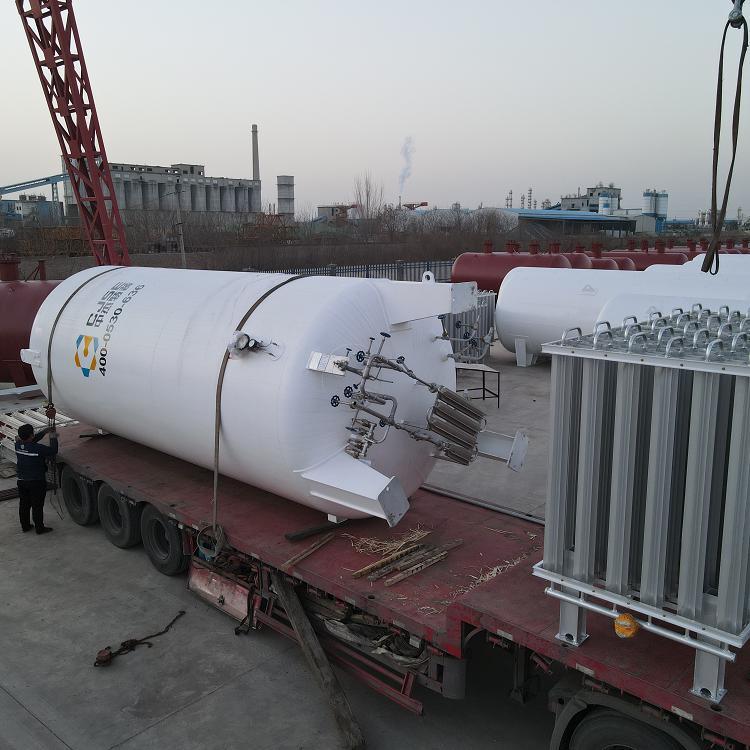
The use of low-temperature liquid storage tanks requires attention to the following matters:
Safe Operation: Operators must receive training to understand the operational procedures and safety precautions for the storage tanks. Adhere to the correct operational steps to ensure safe operations.
Protective Gear: Operators must wear appropriate protective gear, such as thermal suits, gloves, etc., to safeguard themselves from the harm of low-temperature liquids.
Leak Protection: Regularly inspect the seals of tanks and related pipelines to prevent leaks of low-temperature liquids. Keep the area around the tank clean to avoid debris hindering leak detection and treatment.
Fire Protection: Low-temperature liquids are highly flammable and fire prevention measures must be taken. Maintain a fire-free environment around storage tanks, prohibit smoking and open flames. Equip with appropriate fire-fighting equipment to address fire risks.
Pressure Control: Regularly inspect and maintain the pressure control system of the storage tank to ensure the pressure within is within a safe range. Safety valves and pressure sensors, among other equipment, should operate normally and any abnormal pressure situations should be detected and addressed promptly.
Insulation Protection: Low-temperature liquid storage tanks should be equipped with an effective insulation layer to reduce heat transfer and evaporation of the liquid. The selection and installation of the insulation layer should comply with relevant standards and requirements.
Regular Inspections and Maintenance: Conduct regular inspections of the tank's exterior and interior, checking for leaks, corrosion, wear, or other damage. Pay special attention to the tank's interfaces, valves, and pipelines, ensuring they operate normally.
Emergency Preparedness: Develop an emergency response plan including measures for leaks, fires, and other unforeseen incidents. Operators should be familiar with the emergency response plan and be equipped with appropriate emergency equipment and firefighting supplies.
The filling of low-temperature liquid nitrogen tanks refers to the process of transferring liquid nitrogen from an external supply source into the tank. Below is an explanation of the filling process for low-temperature liquid nitrogen tanks:
Preparation: Prior to filling the liquid nitrogen tank, thorough preparation is required. This includes inspecting the tank's condition and safety, ensuring the interior is clean, free of impurities, and contaminants. Additionally, check the quality of the liquid nitrogen from the supply source and the safety of the supply pipeline.
Connect supply source: Link the liquid nitrogen supply source to the liquid filling port of the storage tank. Ensure the connection is securely fastened to prevent leaks.
Control Liquid Level: During the bottling process, it's necessary to control the liquid nitrogen level to prevent overfilling or overflow. A level gauge or level control system can be used to monitor and regulate the liquid level.
Slow injection: The injection of liquid nitrogen should be slow to prevent rapid vaporization and pressure increase. Appropriate valves and flow control devices can be used to regulate the injection speed.
Monitor Pressure: During the canning process, it's necessary to monitor the pressure of the storage tank to ensure it remains within a safe range. Pressure gauges or pressure sensors can be used for monitoring.
Canning completed: Stop the injection of liquid nitrogen when the liquid level reaches the predetermined filling amount or the tank's capacity limit. Disconnect the connection with the supply source and ensure the sealing integrity of the filling port.
Safe Operation: Throughout the canning process, it is necessary to follow relevant safety regulations and operation guidelines. Liquid nitrogen is highly flammable and at low temperatures, operators must wear appropriate personal protective equipment and ensure there are no sources of fire in the operating environment.
When bottling liquid nitrogen, be mindful of its low-temperature properties and safety. Ensure safe operation and control during the bottling process to guarantee the safe operation of the storage tank and effective storage of the liquid nitrogen.
Our company attaches great importance to technological innovation and R&D design. We possess 1 municipal-level enterprise technology center in Heze City, equipped with non-destructive testing, physical and chemical testing, welding testing, hydrostatic testing, and other testing facilities. We have over 600 types of equipment, including CNC machine tools, X-ray flaw detectors, digital ultrasonic flaw detectors, mechanical property testing machines, chemical analyzers, spectrometers, tensile testing machines, plasma welding machines, and more. The key products and technologies we have developed, such as temperature and pressure vessel welding, biomass boiler emission reduction, and waste heat utilization, have successively been shortlisted for multiple Shandong Provincial Department of Industry and Information Technology science and technology innovation projects, Shandong Provincial key projects, and Heze City innovation and excellence projects. We have cumulatively obtained 27 authorized utility model patents, 16 authorized invention patents, participated in drafting 2 standards, 2 industry standards, and registered 15 trademarks. Our technical team, in collaboration with Professor Yajiang Li of Shandong University, has developed deep cryogenic container processing technology using the international plasma arc + filler wire tungsten inert gas arc welding (PAW-GTAW) technology. After provincial-level scientific and technological achievement evaluation, the technology level has reached an international standard in the field of deep cryogenic container manufacturing. Choose Zhongjie Special Equipment, and let's create brilliance together!
WeChat Official Account

Scan to follow Official Account



















