


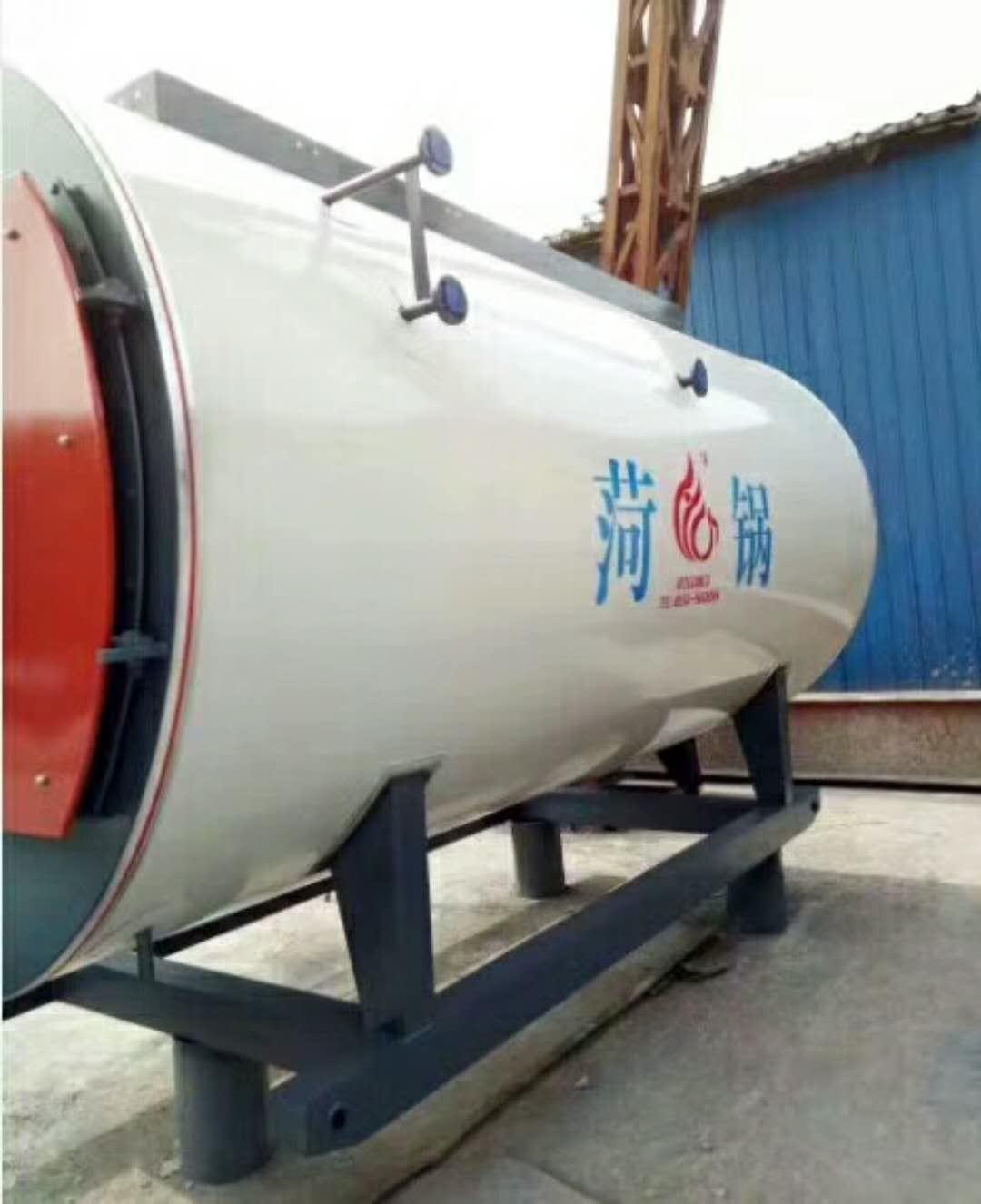

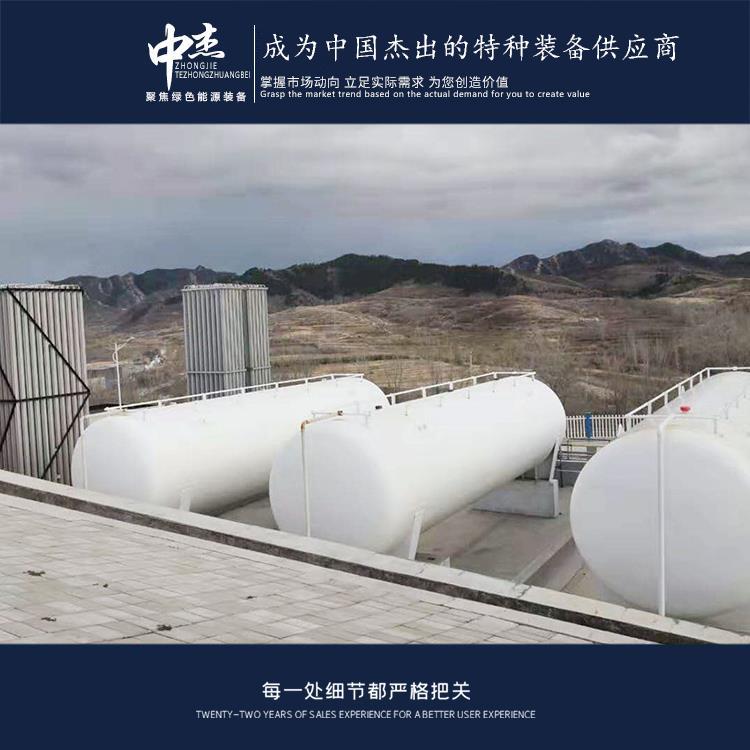
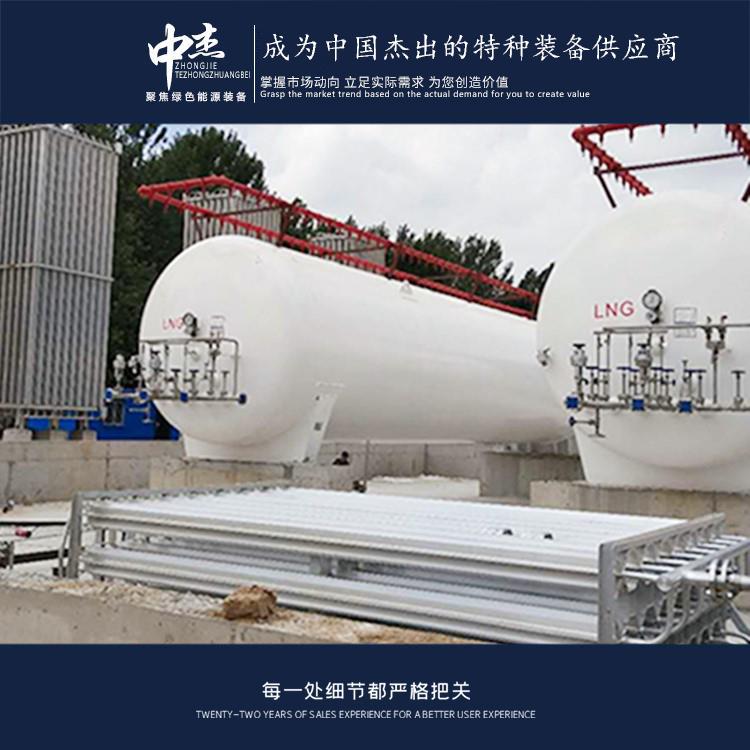


















Shandong Zhongjie Special Equipment (formerly Heze Boiler Factory Co., Ltd.) holds an A-grade boiler manufacturing license, an A2-grade pressure vessel manufacturing license, an A2-grade pressure vessel design license, a B-grade boiler installation license, and GB2/Class, GC2/Class pressure pipeline installation licenses, as well as a qualification for electromechanical equipment installation contracts. It is a member of the China Boiler and Water Treatment Association, the China Chemical Equipment Association, and the理事 member of the Shandong Equipment Manufacturing Association. The company has also passed the ISO9001 Quality Management System, ISO14001 Environmental Management System, OHSAS18001 Occupational Health and Safety Management System certifications, and the American ASME/U2 certification.
When handling CO2 storage tanks, static electricity is a safety issue that needs attention. Here are some methods to avoid static:
Grounding: Ensure that the tank and related equipment are properly grounded. Grounding releases static to the ground, reducing the likelihood of static buildup. Use specialized grounding devices and grounding wires to ensure reliable grounding.
Anti-static Equipment: Use anti-static equipment such as anti-static clothing, shoes, gloves, etc. These devices help eliminate or reduce static buildup and protect the safety of the operators.
Avoid Friction: Prevent friction during operation, especially when in contact with flammable or combustible gases. Friction generates static, increasing the risk of fire or explosion.
Control Humidity: Maintain an appropriate humidity level in the operating environment. Higher humidity can reduce the generation and buildup of static. Use humidifiers or other humidity control devices to adjust the environmental humidity.
Avoid Plastic or Rubber Materials: Plastic and rubber materials are prone to static buildup. Try to avoid using these materials during operation. Choose materials with better anti-static properties for handling.
Static Eliminators: Use static eliminators to eliminate or reduce static buildup. Static eliminators neutralize static by releasing charges, reducing the danger of static.
Tank Cleaning: Regularly clean the interior of the tank to remove accumulated impurities and dirt. Be cautious to prevent the generation and buildup of static during the cleaning process.
It should be noted that the methods to avoid static should be determined based on the specific operating environment and tank characteristics. During operation, follow relevant safety regulations and standards, and consult with experts if necessary.
When selecting a carbon dioxide tank support, consider the following factors: Load Capacity: The design and selection of the support should be capable of bearing the weight and pressure of the tank. The load-bearing capacity of the support should be determined based on the tank's dimensions, weight, and working conditions. Stability: The support should have sufficient stability to prevent the tank from tilting or collapsing during use. The design of the support should take into account the tank's center of gravity and its changes to provide stable support. Corrosion Resistance: Since carbon dioxide has some corrosive properties, the material choice for the support should have good corrosion resistance to prevent corrosion and damage. Ease of Installation and Maintenance: The design of the support should consider ease of installation and maintenance for convenient tank installation, adjustment, and maintenance. Compliance with Standards and Regulations: The design and selection of the support should comply with relevant standards and regulations, such as Standard GB150 "Steel Pressure Vessels." Additionally, other related factors can be considered, such as cost, reliability, and durability. When selecting a support, consult engineers or consulting companies for advice and guidance.
To maintain the stability of CO2 storage tanks, several details need to be addressed:
- Foundation Design: The tank's foundation must comply with relevant standards and regulations, offering sufficient strength and stability. The foundation should consider the tank's weight, pressure, and geological conditions to ensure the tank is securely placed on the foundation.
- Insulation and Mounting Devices: Place appropriate insulation, such as rubber pads or steel plates, between the tank and foundation to reduce friction and vibration. Additionally, use mounting devices like bolts or welding to secure the tank to the foundation, preventing movement and tilting.
- Site Leveling: The installation site must be level, without any significant inclines or unevenness. If the site is uneven, adjustments and corrections must be made to ensure the tank's stability.
- Seismic Measures: In areas prone to earthquakes, additional seismic measures are required, such as installing seismic supports and enhancing the tank's seismic resistance to improve stability.
- Regular Inspections: Conduct regular checks of the tank's mounting devices and connections to ensure they are intact. If loose, worn, or damaged, repairs or replacements should be made promptly.
- Load Distribution: Place evenly distributed loads above the tank, such as platforms or pipelines, to balance the weight distribution and reduce the impact of uneven loads on stability.
- Safety Distance: The tank should maintain sufficient safety distances from other equipment, buildings, and fire sources to prevent accidental collisions or fires that could affect stability.
It should be noted that installation of CO2...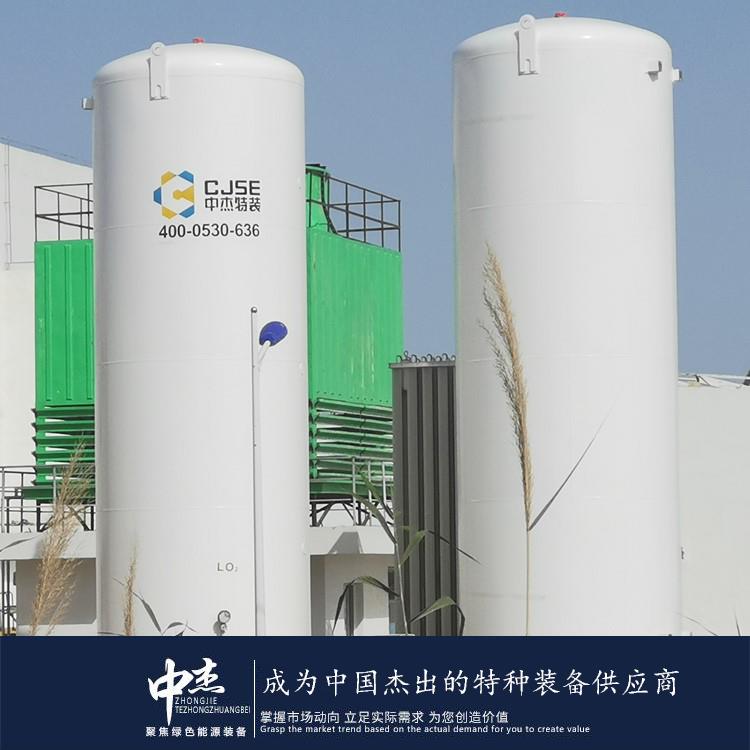
Common defects in carbon dioxide storage tanks during use may include deformation. Here are some causes that can lead to tank deformation: Overpressure: When the internal pressure of the tank exceeds its design pressure, it may cause deformation. This could be due to operational errors, system failures, or other reasons. Temperature Fluctuations: Carbon dioxide storage tanks undergo thermal expansion and contraction under temperature changes. If the temperature changes are too extreme or rapid, it may lead to tank deformation. Internal Corrosion: If there are corrosion issues within the tank, corrosion can damage the structural integrity of the tank, causing deformation. External Damage: External impacts, compressions, or other physical damages can cause tank deformation. Incorrect Installation or Use: Incorrect installation or usage methods may lead to uneven stress on the tank, resulting in deformation. Tank deformation can reduce the structural integrity of the tank and even pose risks of leakage or rupture. Therefore, it is important to regularly inspect and maintain the integrity of the tank, as well as to follow proper operational and installation procedures. If tank deformation or other defects are detected, the tank should be immediately stopped from use and professional assistance should be sought for inspection and repair. Do not attempt to repair or continue using a defective tank to ensure operational safety.
Zhongjie Special Equipment upholds the grand vision of "realizing employees' dreams, creating value for customers, and striving for the prosperity and strength of our motherland," and is dedicated to the development of the green energy equipment industry. We offer society high-quality products and services at competitive prices!
WeChat Official Account

Scan to follow Official Account



















