


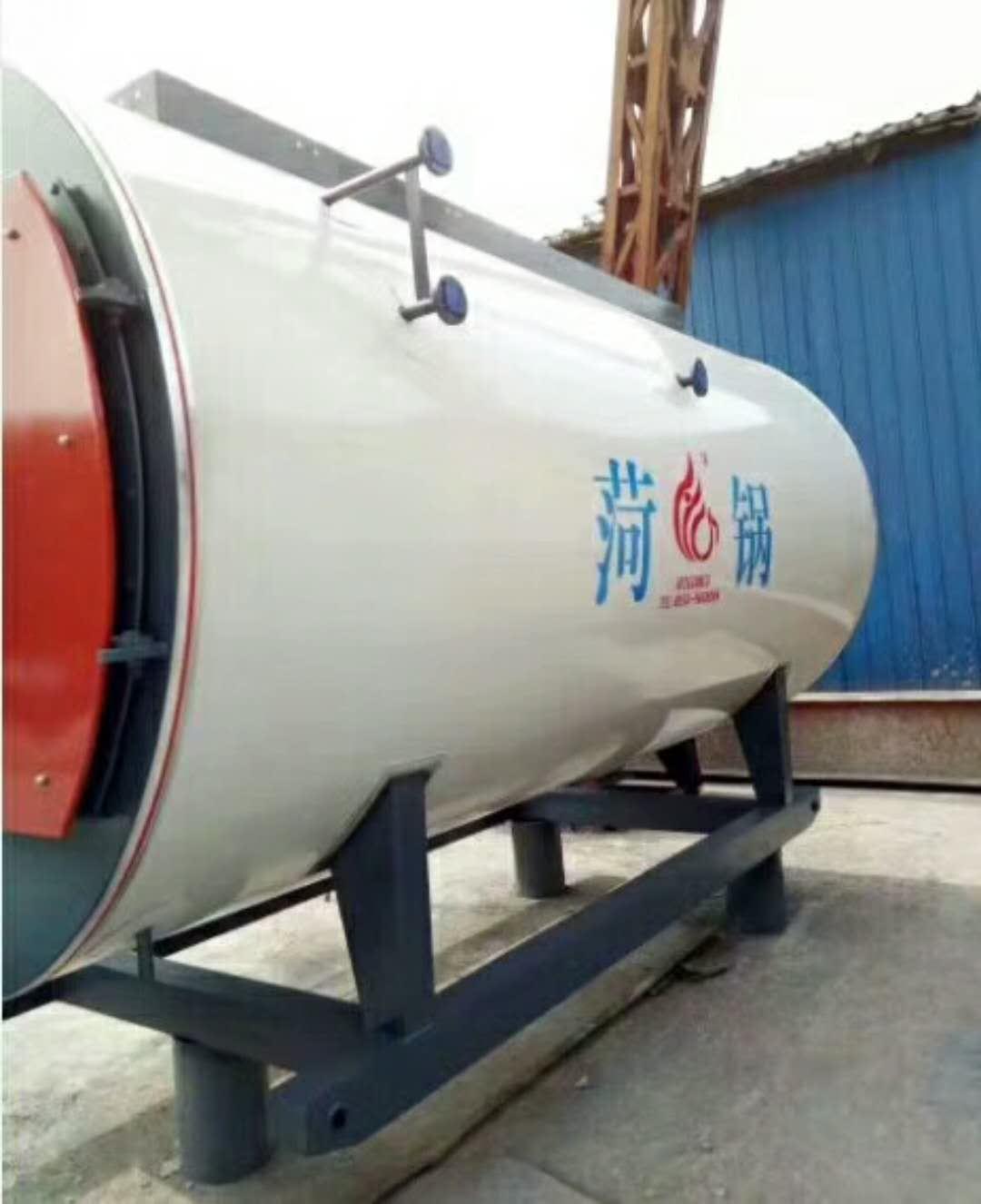

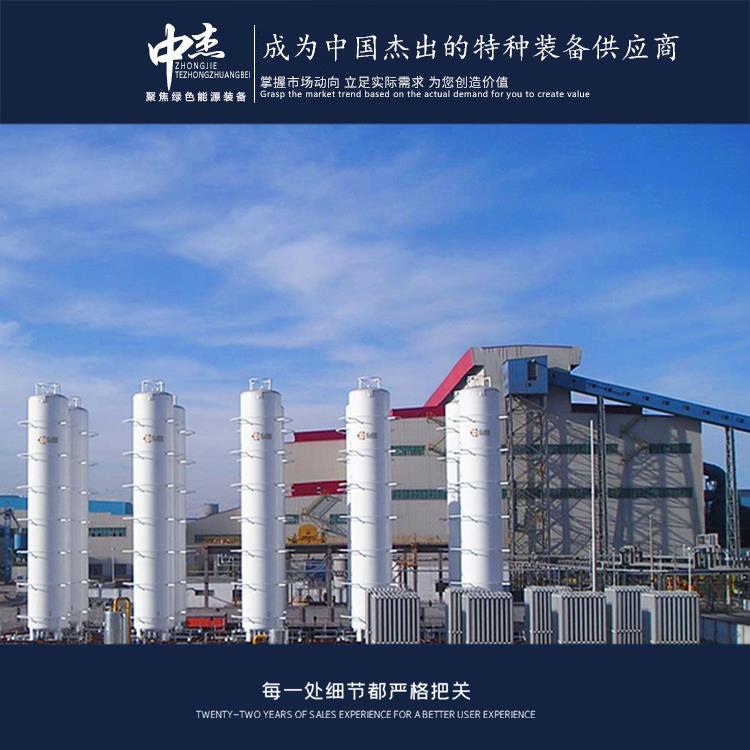
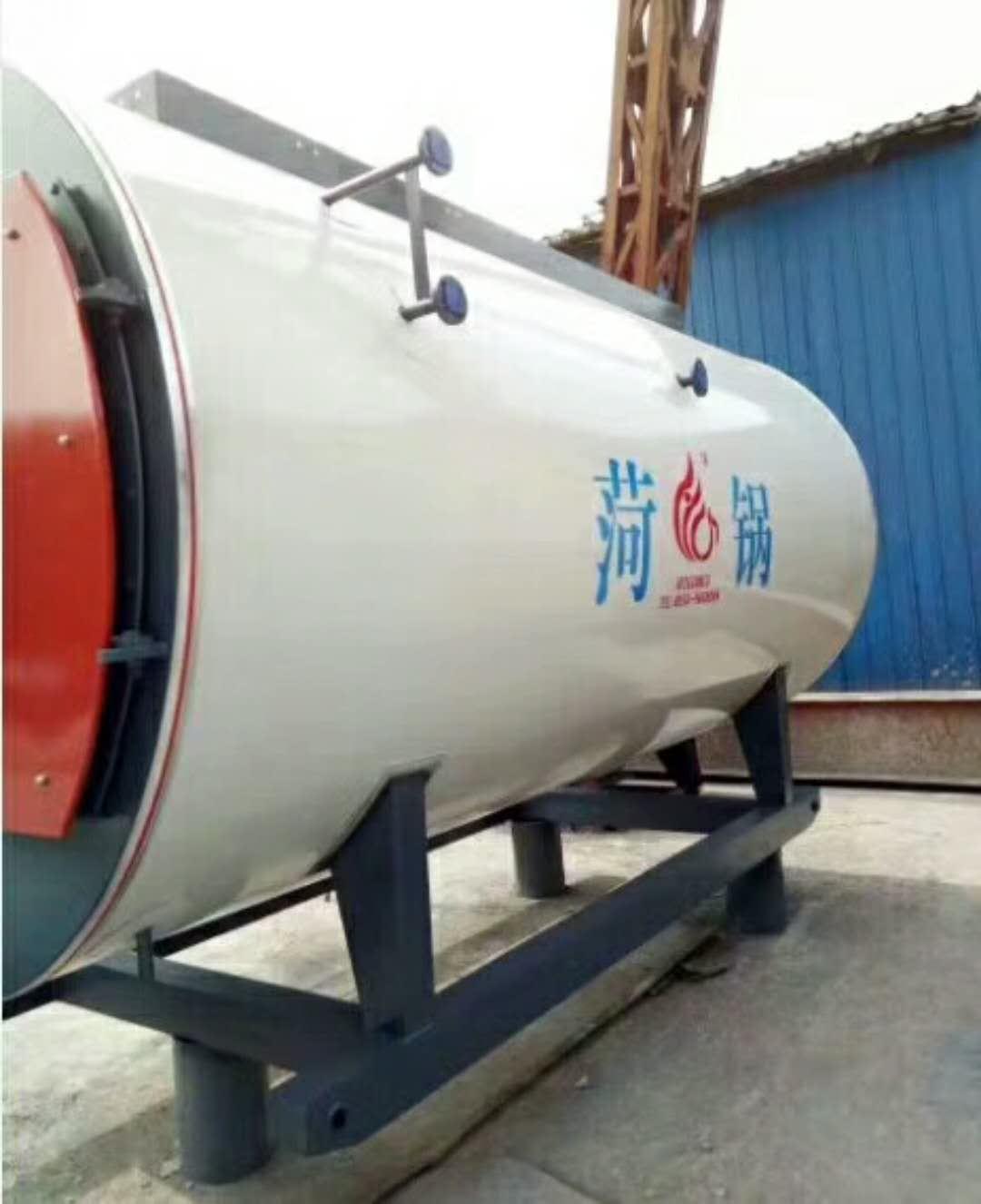


















Shandong Zhongjie Special Equipment's main products include: fuel (gas) boilers, organic heat carrier boilers, biomass boilers, waste heat recovery boilers, and other boiler products; vacuum insulation cryogenic pressure vessels such as LNG tanks, oxygen/nitrogen/argon tanks, and CO2 tanks; pressure vessel products like denitrification engineering equipment, heat storage and energy storage equipment, and complete chemical equipment sets; central air conditioning and ventilation equipment such as ground (water) source heat pumps, air source units, water-cooled screw units, and air-cooled modular units. Planned products include large-scale energy centers, LNG transport vehicles, LNG tank containers, and other green energy equipment.
The manufacturing materials for liquid oxygen tanks typically require excellent low-temperature resistance and corrosion resistance. Common materials used in the construction of liquid oxygen tanks include:
Stainless Steel: Stainless steel is a commonly used material for manufacturing liquid oxygen storage tanks, known for its excellent corrosion resistance and mechanical strength. Common stainless steel grades include 304 and 316 stainless steel.
Aluminum Alloy: Aluminum alloys are also commonly used in the manufacturing of liquid oxygen tanks, featuring low density and excellent corrosion resistance. Common aluminum alloy materials include 5083 and 6061 aluminum alloys.
Fiberglass Reinforced Plastic (FRP): FRP is a composite material made of glass fibers and resin. It boasts excellent corrosion resistance and mechanical strength, making it suitable for liquid oxygen storage tanks in some specialized environments.
Carbon Steel: Carbon steel is a common material for making tanks, known for its high strength and corrosion resistance. However, it is prone to oxidation in a liquid oxygen environment, so anti-corrosion measures must be taken.
It's important to note that the choice of materials for liquid oxygen storage tanks should be determined based on specific application requirements, working conditions, and safety standards. When selecting materials, consider the properties of liquid oxygen and the design requirements of the tank to ensure safety and reliability. Additionally, manufacturers and suppliers often provide material selection advice and technical support.
Liquid nitrogen storage tanks are equipment used for storing and transporting liquid nitrogen. To ensure safe operation, here are some common operational protection procedures for liquid nitrogen storage tanks:
Tank Installation: Tanks should be installed on a solid and level foundation, away from fire sources and flammable materials. Good ventilation around the tank is essential to prevent gas accumulation. The tank should maintain a safe distance from other equipment and buildings.
Liquid Nitrogen Filling: When filling with liquid nitrogen, use appropriate liquid nitrogen transfer equipment to avoid direct contact. During the filling process, monitor and control the flow and pressure of liquid nitrogen to prevent over-filling and excessive tank pressure.
Tank Pressure Control: Tanks should be equipped with pressure control devices to ensure internal pressure remains within safe limits. Regularly inspect and maintain these devices to ensure proper operation.
Leak Detection and Alarm Systems: Storage tanks should be equipped with leak detection and alarm systems to promptly detect and alert of any tank leaks. Regularly inspect and maintain the leak detection equipment to ensure proper functioning.
Fire and Explosion Prevention Measures: A fire-resistant isolation zone should be established around the storage tank, away from fire sources and flammable materials. The tank itself should implement fire and explosion prevention measures, such as fire-resistant coatings and explosion-proof devices, to prevent fires and explosions.
Regular Inspections and Maintenance: Regularly inspect the tank's exterior, valves, and connections to ensure they are intact and undamaged. Conduct regular leak detection and pressure tests to ensure the tank meets safety performance requirements.
Safety Training and Awareness Enhancement: Conduct safety training for operators to enhance their awareness and ability to safely handle liquid nitrogen tanks. Regularly hold safety training and drills to respond to emergencies.
Manage records and documents: Establish comprehensive management records and documents, including the usage of tanks, inspection records, maintenance records, etc. Regularly review and update management records to ensure the safe management and maintenance of the tanks.
Note that the above are common protective procedures, but specific procedures may vary depending on the type of tank and application. When using liquid nitrogen tanks, operate according to relevant regulations and standards, and consult with experts to ensure safety and effectiveness.
Protection techniques for liquid nitrogen tanks include the following:
Wear protective gear: When operating liquid nitrogen tanks, appropriate protective gear must be worn, including protective gloves, suits, and non-slip shoes. This gear protects the skin from the low temperatures of liquid nitrogen and other hazards.
Avoid direct contact: Liquid nitrogen is extremely cold and can cause frostbite. Hence, it should be handled without direct contact, especially with the skin. Use tools or equipment for operations to prevent hands from coming into direct contact with liquid nitrogen.
Note ventilation: In the operational area of the liquid nitrogen tank, adequate ventilation must be ensured to expel gases produced by the evaporation of liquid nitrogen. Maintain air circulation to avoid excessive oxygen concentration, and reduce the risk of fire and explosion.
Prevent Leaks: Regularly inspect the liquid nitrogen tanks for leaks and equip them with leak detectors and alarm systems. In case of a leak, take immediate action to control and repair it. Avoid the hazards of liquid nitrogen leaks to personnel and the environment.
Fire Prevention Measures: Liquid nitrogen has a low boiling and freezing point, which is prone to cause fires. Measures such as setting up firewalls around liquid nitrogen storage tanks and using fire-retardant coatings are taken to prevent the occurrence and spread of fires.
Electrostatic Protection: Electrostatic buildup in liquid nitrogen tanks may cause sparks, increasing the risk of fire. Measures such as using electrostatic conductive materials and anti-static equipment are taken to reduce the accumulation and release of static electricity.
Regular Inspections and Maintenance: Conduct regular inspections of the liquid nitrogen tank and associated equipment, including valves, pipes, pressure gauges, etc. Ensure that the equipment is in good condition and promptly repair or replace any damaged parts.
Waste Gas Treatment: Liquid nitrogen tanks will produce waste gas during operation, and proper waste gas treatment must be implemented.
Liquefied nitrogen storage tanks feature the following characteristics during the construction process:
Low-Temperature Construction: The construction of liquid nitrogen tanks must be carried out in a low-temperature environment, as the boiling point of liquid nitrogen is low, approximately -196 degrees Celsius. Construction personnel must take appropriate protective measures, such as wearing thermal protective clothing and gloves, to safeguard against low-temperature injuries.
Welding Technology: A substantial amount of welding is required during the manufacturing process of liquid nitrogen tanks, including the connections of the tank walls, bottom plate, top plate, and seams. Welding technology is crucial for the quality and safety of the tank, necessitating the use of appropriate welding methods and materials to ensure the strength and sealability of the seams.
Insulation Layer Construction: Liquid nitrogen storage tanks must have excellent insulation properties to minimize heat conduction and retain low temperatures. The construction of the insulation layer requires materials such as polyester foam and glass wool, ensuring the thickness and quality of the insulation.
Proper installation steps for a liquid nitrogen tank are as follows:
Site Preparation: Select an appropriate site for tank installation, ensuring it is level, sturdy, and has sufficient load-bearing capacity. The site should be located away from flammable, explosive materials, and other hazards.
Foundation Construction: Construction of the foundation based on the tank's dimensions and weight, including excavation of the foundation pit, casting of concrete foundation, etc. The design and construction of the foundation should comply with relevant standards and specifications.
Tank Installation: Transport the tank to the site and perform a vertical installation. Appropriate lifting equipment and safety measures must be used during the installation process to ensure the stability and safety of the tank.
Pipe Connections: Connect the storage tank to the relevant pipeline system as required, including intake pipes, exhaust pipes, and liquid supply pipes. Sealing and testing are necessary during the connection process to ensure the pipeline's safety and integrity.
Shandong Zhongjie Special Equipment, welcome customers to our factory for business discussions.
WeChat Official Account

Scan to follow Official Account



















