


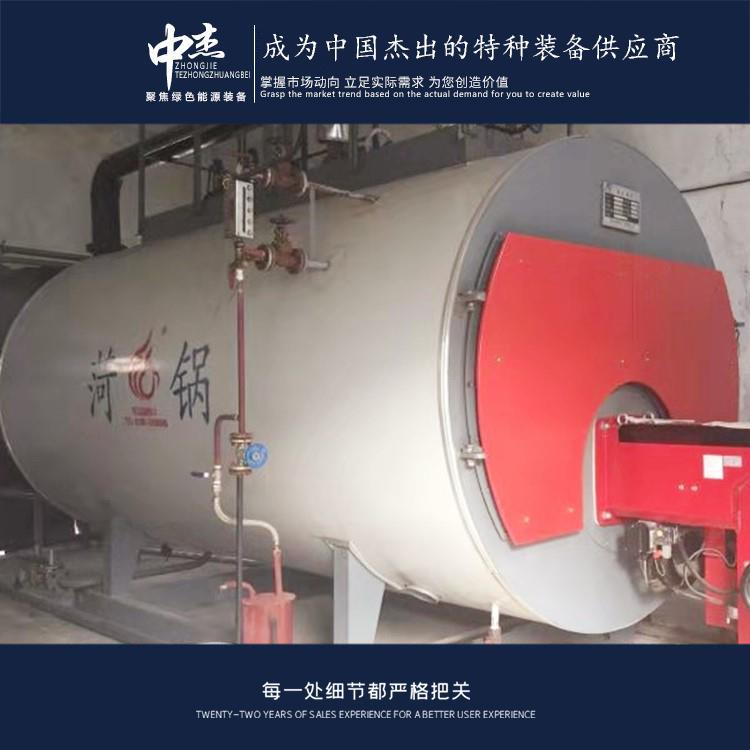

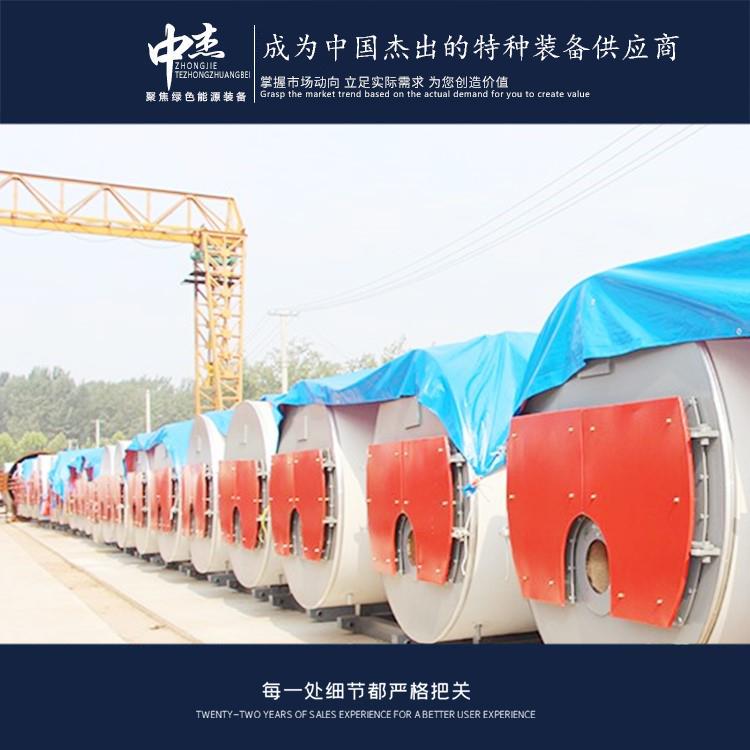
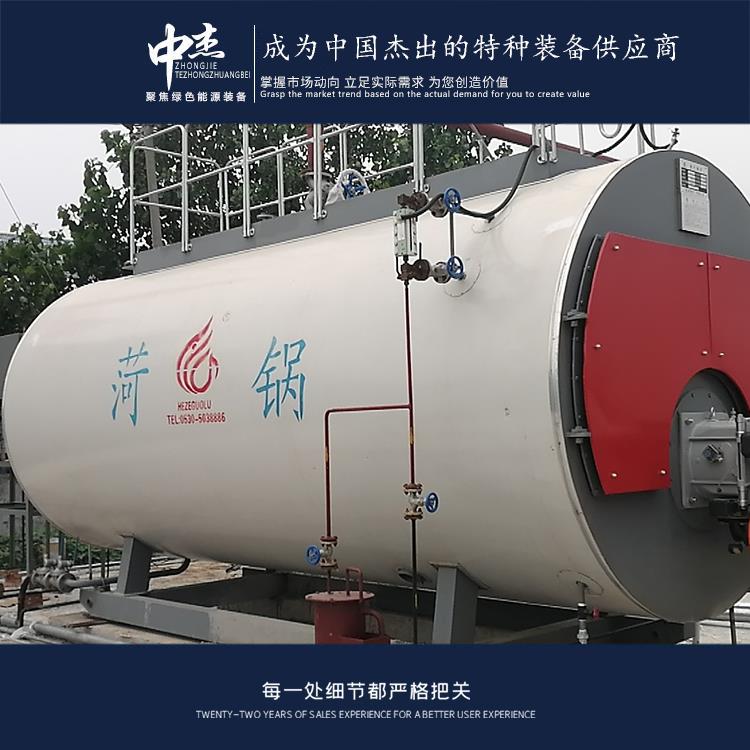


















Shandong Zhongjie Special Equipment specializes in: fuel (gas) boilers, organic heat carrier boilers, biomass boilers, waste heat recovery boilers, and other boiler products; vacuum insulation cryogenic pressure vessels such as LNG storage tanks, oxygen/nitrogen/argon storage tanks, and CO2 storage tanks; pressure vessel products including denitrification engineering equipment, heat storage and energy storage equipment, and complete chemical equipment sets; central air conditioning and HVAC equipment such as ground (water) source heat pumps, air source units, water-cooled screw units, and air-cooled modular units. Planned products include large-scale energy centers, LNG transport vehicles, LNG tank containers, and other green energy equipment.
To optimize and improve the planning of gas-fired boilers, consider the following aspects:
1. Energy Audit and Assessment: Conduct a comprehensive energy audit and assessment to understand the energy consumption of the gas boiler system and identify potential energy-saving opportunities. Through data analysis and energy measurement, determine the main sources of energy consumption and bottlenecks, providing a basis for subsequent optimization.
2. Combustion System Optimization: Optimize the combustion system of the gas boiler, including adjustments and cleaning of burners, control of gas and air ratios, and maintenance of the combustion chamber. Ensure high combustion efficiency and gas utilization, reducing energy waste.
3. Heat Recovery Utilization: Consider installing heat recovery devices such as waste heat recovery units or flue gas heat exchangers. These devices can utilize the excess heat from the flue gas emitted by the gas boiler to heat water or other equipment requiring heat, improving energy utilization efficiency.
4. Pipe Insulation and Leak Inspection: Ensure that the insulation performance of gas and hot water pipes is good, reducing energy loss. Regularly check for pipe leaks and repair them promptly to avoid energy waste and safety hazards.
5. Control System Upgrade: Consider upgrading the control system of the gas boiler with automated control technology. Through control and adjustment, achieve optimal operation of the gas boiler.
To reduce the operating costs of gas-fired boilers, consider the following aspects:
- Combustion System: Ensure the stability of the combustion system in the gas-fired boiler. Regularly inspect and maintain the burner, clean the nozzles and combustion chamber, adjust the ratio of gas to air to enhance combustion efficiency and reduce gas waste.
- Energy-Saving Control System: Install and use energy-saving control systems such as smart thermostats and timers. These systems can automatically adjust the boiler's operating status based on actual needs, avoiding unnecessary energy waste.
- Regular Maintenance: Conduct regular maintenance on gas-fired boilers, including cleaning heat exchangers, inspecting and replacing seals, and clearing gas pipes. Maintain the boiler's normal operation to reduce energy loss and prevent malfunctions.
- Heat Recovery Utilization: Consider installing heat recovery devices such as waste heat recovery units or flue gas heat exchangers. These devices can utilize the excess heat from the flue gas emitted by the gas-fired boiler to heat water or other equipment requiring heat, improving energy utilization efficiency.
- Pipe Insulation and Leak Inspection: Ensure good insulation performance of gas and hot water pipes to reduce energy loss. Regularly check for pipe leaks and repair them promptly to avoid energy waste and safety hazards.
- Energy Management and Monitoring: Establish an effective energy management system to monitor and analyze the energy consumption of gas-fired boilers. Through data analysis and optimizing operating strategies, identify energy-saving potential and areas for improvement.
- Training and Awareness Enhancement: Provide employee training to strengthen awareness of operating and maintaining gas-fired boilers. Enhanced knowledge and skills among employees contribute to better management and operation of the boilers, reducing operating costs.
- By considering these factors comprehensively, you can effectively reduce the operating costs of gas-fired boilers.
The inspection of the heat-conducting oil boiler tube plates is essential for ensuring the safe operation of the boiler and preventing potential issues. The following are general steps for inspecting heat-conducting oil boiler tube plates:
- Visual Inspection: Conduct a visual check to identify any visible corrosion, cracks, deformations, or other anomalies on the surface of the tube plate. Pay special attention to checking for cracks or leaks in the welds and joints.
- Clean the Tube Plate: Clean the surface of the tube plate thoroughly, removing dirt and deposits to facilitate inspection.
- Ultrasonic Testing: Use an ultrasonic testing device to inspect the tube plate to detect any possible cracks or other defects. Ultrasonic testing helps determine the integrity and reliability of the tube plate.
- Pressure Test: Perform a pressure test to verify the sealing and pressure-bearing capacity of the tube plate. Gradually increase pressure during the test, observe for any leakage, and ensure the tube plate can withstand the designed pressure.
- Tube Plate Thickness Measurement: Use an ultrasonic thickness gauge to measure the thickness of the tube plate to ensure it meets design requirements. Pay particular attention to the corrosion condition, ensuring it remains within safe limits.
- Weld Inspection: Inspect the welds on the tube plate to ensure the quality of the welds meets relevant standards and specifications. Check for the integrity of the welds, the quality of the welding, and whether the welding process meets requirements.
- Record and Report: Record and report the inspection results of the tube plates, including any issues found, corrective measures, and recommendations. These records and reports serve as references for future maintenance and management.
It should be noted that the inspection of heat-conducting oil boiler tube plates should be conducted by qualified personnel and carried out strictly in accordance with relevant standards and specifications. If any issues or anomalies are detected, appropriate repair and maintenance measures should be taken promptly to ensure the safe operation of the boiler.
Prior to ignition, the preparation of a steam boiler involves the following steps:
1. Clean the boiler: First, remove dirt and impurities from both the internal and external surfaces of the boiler. Clean the ash, sediment, and dirt inside the boiler to ensure efficient combustion and heat exchange.
2. Check fuel supply: Inspect the fuel supply system to ensure a smooth fuel supply. Check the fuel storage tank, transport pipelines, and filters, clearing blockages and replacing damaged parts.
3. Inspect the burner: Check the burner's operational status and cleanliness. Clean the burner's nozzle and flame detector to ensure proper functioning.
4. Check the gas system: For gas boilers, inspect the gas supply system. Check the gas pipelines, valves, and pressure regulators to ensure safe and stable gas supply.
5. Check water level and pressure: Inspect the boiler's water level and pressure. Ensure the water level is within the normal range, with stable pressure that meets requirements. Add water and adjust pressure if necessary.
6. Check safety devices: Inspect the boiler's safety devices, such as safety valves, pressure switches, and water level controllers. Ensure these devices operate normally to guarantee safe boiler operation.
7. Prepare ignition tools: Prepare the tools and equipment needed for ignition, such as a lighter rod, igniter, and matches. Ensure these tools work properly and are safe.
When performing these preparation tasks, follow relevant operational procedures and safety requirements to ensure safety and effectiveness. If unsure about the preparation process, consult with an expert or the boiler manufacturer for advice.
ZJ Special Equipment upholds the great vision of "realizing employees' dreams, creating value for customers, and striving for the prosperity and strength of our motherland," focusing solely on the development of green energy equipment, and dedicating high-value products and services to society!
WeChat Official Account

Scan to follow Official Account



















