


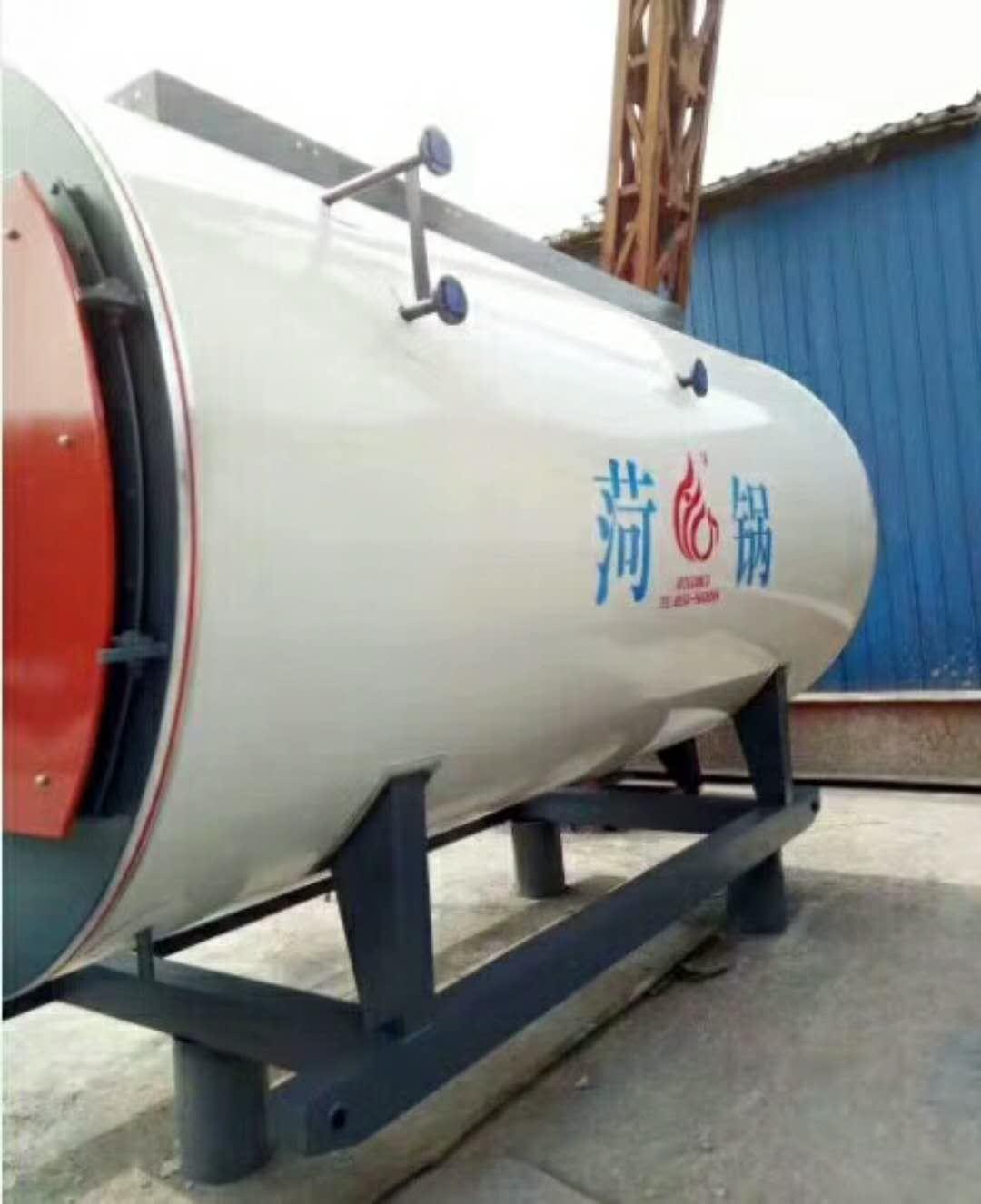

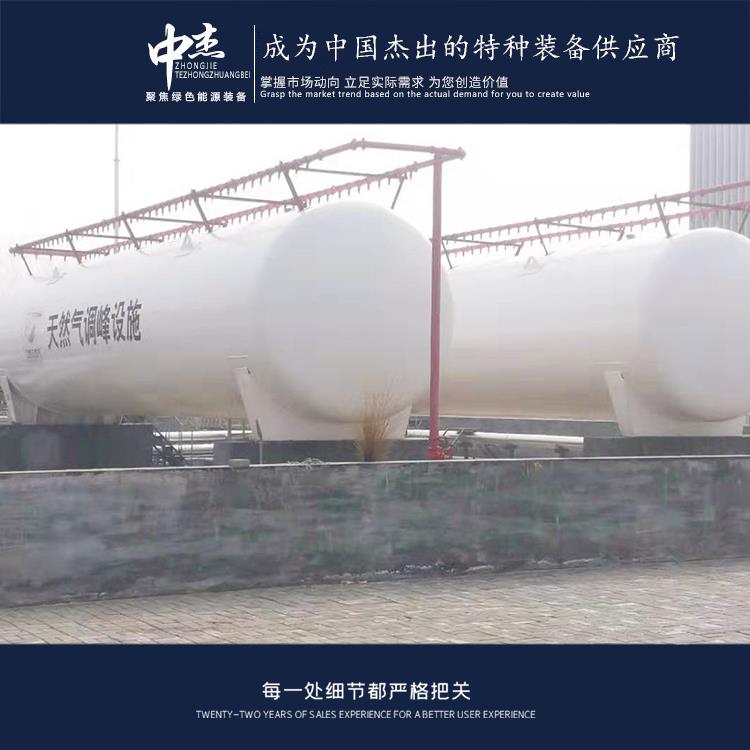


















Shandong Zhongjie Special Equipment Co., Ltd. (formerly Heze Boiler Factory Co., Ltd.) was established in 2001 and is located at No. 2218 Jinnan Road, Economic Development Zone, Heze City. With a registered capital of 50 million yuan and total assets of 500 million yuan, the company has seven business centers: boiler, deep-freeze container, pressure vessel, central air conditioning, engineering installation, international trade, and Internet of Things. It operates three factories on Jinnan Road, East Changjiang Road, and Bohai Road, covering a total area of 200,000 square meters, with the main workshop spanning 83,000 square meters. Currently, there are 710 employees, including 247 engineers and technicians and 82 intermediate-level technicians. In December 2016, it was recognized as a "High-Tech Enterprise" by the Science and Technology Department. In June 2021, it was identified as a "Specialized and New Enterprise in Shandong Province" by the Department of Industry and Information Technology. In June 2022, it was named a "Gazelle Enterprise in Shandong Province" and in August 2022, it was recognized as a "Specialized and New Small Giant Enterprise" by the Ministry of Industry and Information Technology.
Routine inspections and maintenance of liquid oxygen tanks are crucial for ensuring their safe operation. The following are general steps for the daily checks and maintenance of liquid oxygen tanks:
Appearance Inspection: Regularly inspect the tank's exterior, including the shell, welds, valves, and fittings. Pay attention to any signs of cracks, corrosion, or deformation.
Leak Detection: Utilize suitable leak detection equipment to inspect for leaks in tanks and connections. Leak detection methods such as gas detectors or liquid oxygen probes can be employed.
Pressure Testing: Conduct regular pressure tests to check the tank's sealing and pressure resistance. Perform pressure tests according to relevant standards and specifications, and record the test results.
Valve and fitting inspection: Verify that the tank's valves and fittings are operating correctly and for any signs of looseness or damage. Ensure the valves are responsive and reliable in their operation.
Insulation Layer Inspection: Check for any damage or detachment in the tank's insulation layer. Repair or replace any damaged insulation materials to ensure effective insulation.
Cleaning and Drainage: Regularly clean the interior of the tank to remove accumulated impurities and dirt. Regularly drain to prevent contaminants and sediments in liquid oxygen from damaging the tank.
Safety Equipment Inspection: Examine the safety equipment around the storage tanks, such as fire isolation zones and alarm systems, to ensure they are functioning properly.
Record and Document Management: Document the results of each inspection and maintenance, including the inspection date, contents, issues found, and corrective measures. Establish comprehensive management records and documents for tracking and managing the tank's operational status.
Note that inspections and maintenance of liquid oxygen tanks should be conducted by trained personnel and in accordance with relevant regulations and standards. Ensure safety during maintenance and operations, and consult with experts for accurate guidance.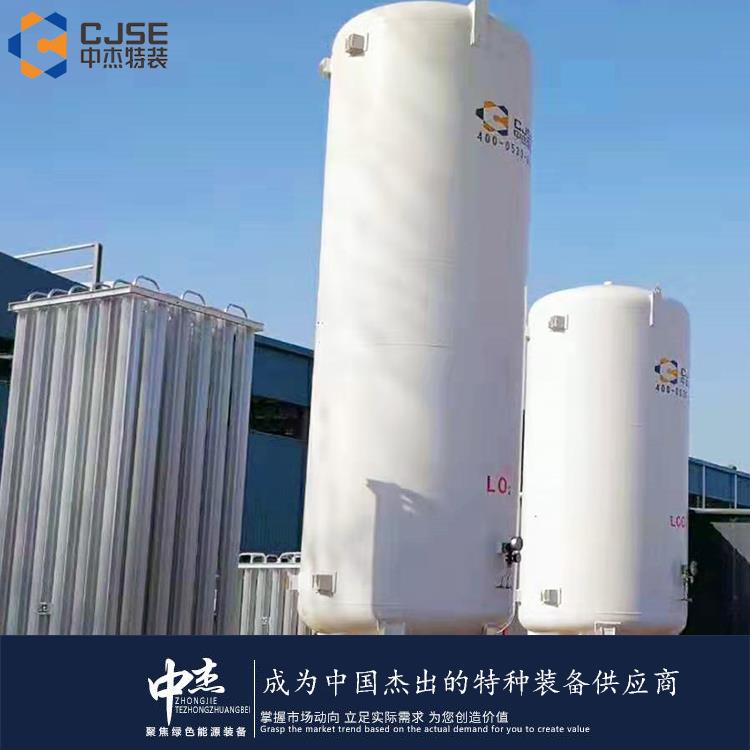
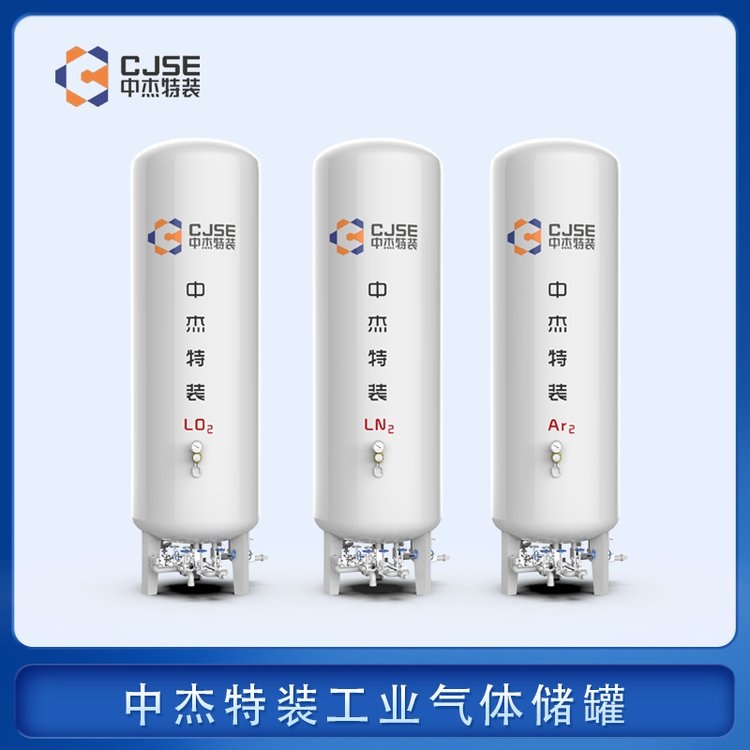
The Zhongjie Liquid Oxygen Storage Tank boasts the following significant advantages:
Material: Made of stainless steel, offering excellent corrosion and high-temperature resistance, ensuring the tank's long-term stable operation.
Our manufacturing process: Utilizing advanced manufacturing techniques and equipment ensures the quality and precision of the tank's construction, meeting all process requirements.
Safety & Reliability: Tanks are designed and manufactured to stringent standards, equipped with safety valves, pressure sensors, and other safety devices to ensure they operate within normal working pressure limits and can handle emergencies.
Energy-saving: Tanks are equipped with optimized insulation design and thermal insulation materials to reduce energy loss and enhance energy utilization efficiency.
High Capacity: The storage tank features a large capacity design to meet the liquid oxygen storage needs of various scales and requirements.
Flexible and Adjustable: The tank features a design that allows for capacity adjustment and expansion to meet actual needs.
Easy to operate and maintain: The tank features a simple and user-friendly interface and control system, facilitating operation and maintenance for operators.
Longevity: The tank boasts excellent durability and corrosion resistance, ensuring long-term stable operation and reducing the frequency of replacements and maintenance.
Environmental Protection & Energy Efficiency: Tanks are constructed with eco-friendly materials and processes, minimizing environmental impact. Additionally, energy consumption is reduced through energy-saving design and operation.
Customized Services: Zhejiang Jieteng Liquid Oxygen Storage Tank Co., Ltd. offers customized design and services, catering to clients' specific requirements and needs for design and manufacturing, fulfilling individualized customer demands.
These advantages make ZJET liquid oxygen storage tanks a reliable and safe solution for liquid oxygen storage, widely used in industrial, scientific research, and other fields.
The dimensions and structure of liquid oxygen storage tanks can vary based on specific requirements and applications. The following are common sizes and structures of liquid oxygen storage tanks:
Dimensions: The size of liquid oxygen tanks is typically determined by the capacity for storage or transportation. Common capacities range from a few thousand to several tens of thousands of liters.
Structure: The structure of the liquid oxygen storage tank mainly includes the inner shell, outer shell, insulation layer, and supporting structure, etc.
The inner shell of a liquid oxygen tank is the part designed for storing liquid oxygen, typically made from materials such as stainless steel or aluminum alloys, which offer excellent corrosion resistance and sealing properties.
Shell: The shell of a liquid oxygen tank is the external structure that protects the inner lining, commonly made of carbon steel or stainless steel, featuring sufficient strength and corrosion resistance.
Insulation Layer: The insulation layer of liquid oxygen tanks is used to reduce heat conduction and loss, maintaining the low-temperature state of liquid oxygen. Common insulation materials include polyethylene foam, glass fiber, and aerogel, etc.
Support Structure: The support structure for the liquid oxygen tank is designed to support and secure the inner and outer shells of the tank. Typically made of steel, the support structure boasts adequate strength and stability.
The dimensions and structural design of liquid oxygen tanks must consider the properties of liquid oxygen, storage or transportation requirements, safety standards, and other factors. When using liquid oxygen tanks, it is crucial to strictly adhere to relevant operational specifications and safety requirements to ensure safe usage.
Routine inspections for liquid nitrogen tanks primarily include the following aspects:
Visual Inspection: Check for any obvious damage, deformation, or corrosion on the tank's exterior, including the tank walls, valves, pipes, and joints.
Sealability Inspection: Verify the sealing performance of the storage tank, including checking for any leaks at valves and pipe connections, as well as ensuring the exhaust valve and safety valve of the tank are functioning properly.
Pressure Check: Verify that the tank's pressure gauge is functioning properly and that the pressure is within the normal range to ensure the tank operates correctly.
Level Check: Inspect the liquid nitrogen tank's level to ensure it remains within the normal range, avoiding issues caused by levels that are too high or too low.
Insulation Layer Inspection: Check for any damage or detachment in the storage tank's insulation layer to ensure its effectiveness and reduce the evaporation loss of liquid nitrogen.
Leak Inspection: Check for signs of liquid nitrogen leakage around the storage tank, including frost, ice, or liquid nitrogen residue on the ground.
Safety Equipment Inspection: Check that the storage tank's safety equipment, such as leak detectors, alarm systems, and safety valves, are functioning properly to ensure the tank's safety.
Cleaning Inspection: Regularly clean the interior of the tank to remove accumulated impurities and dirt, maintaining the tank's cleanliness and hygiene.
Above are the key items for daily inspection of liquid nitrogen tanks. The specific inspection content should be adjusted and supplemented according to the tank's model, usage, and relevant regulations. During the inspection process, strict adherence to the relevant operational procedures and safety requirements is essential to ensure the safe operation of the tank.
Shandong Zhongjie Special Equipment, welcome customers to our factory for business discussions.
WeChat Official Account

Scan to follow Official Account



















