


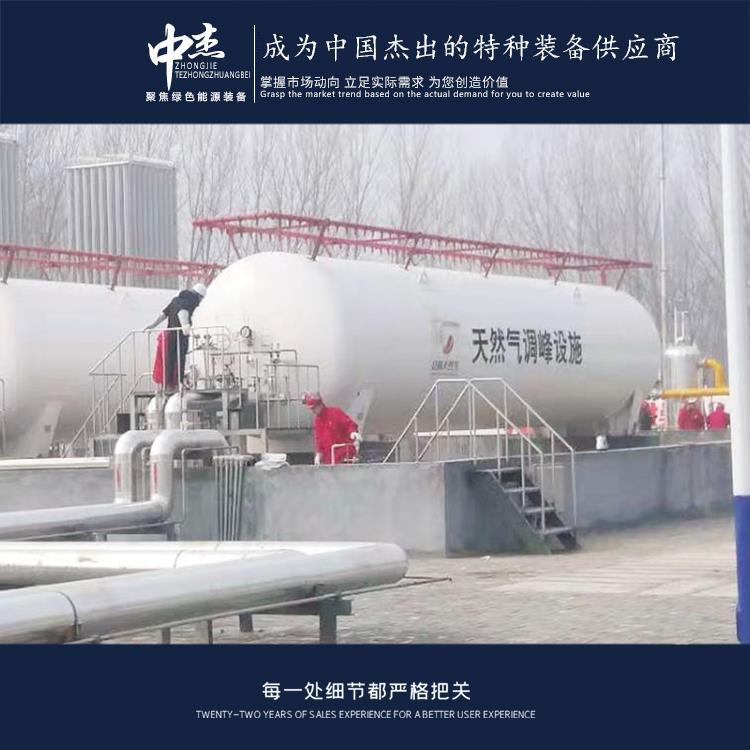

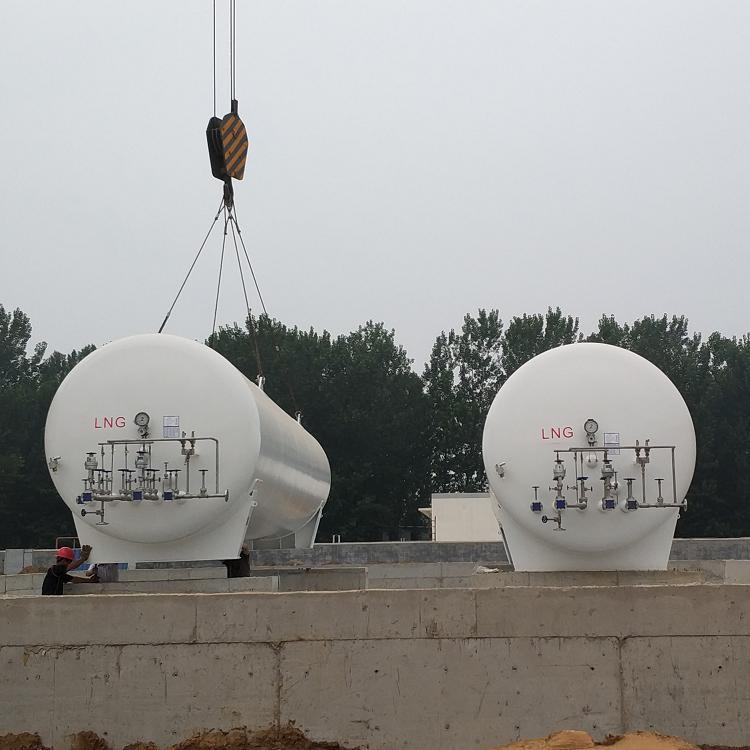
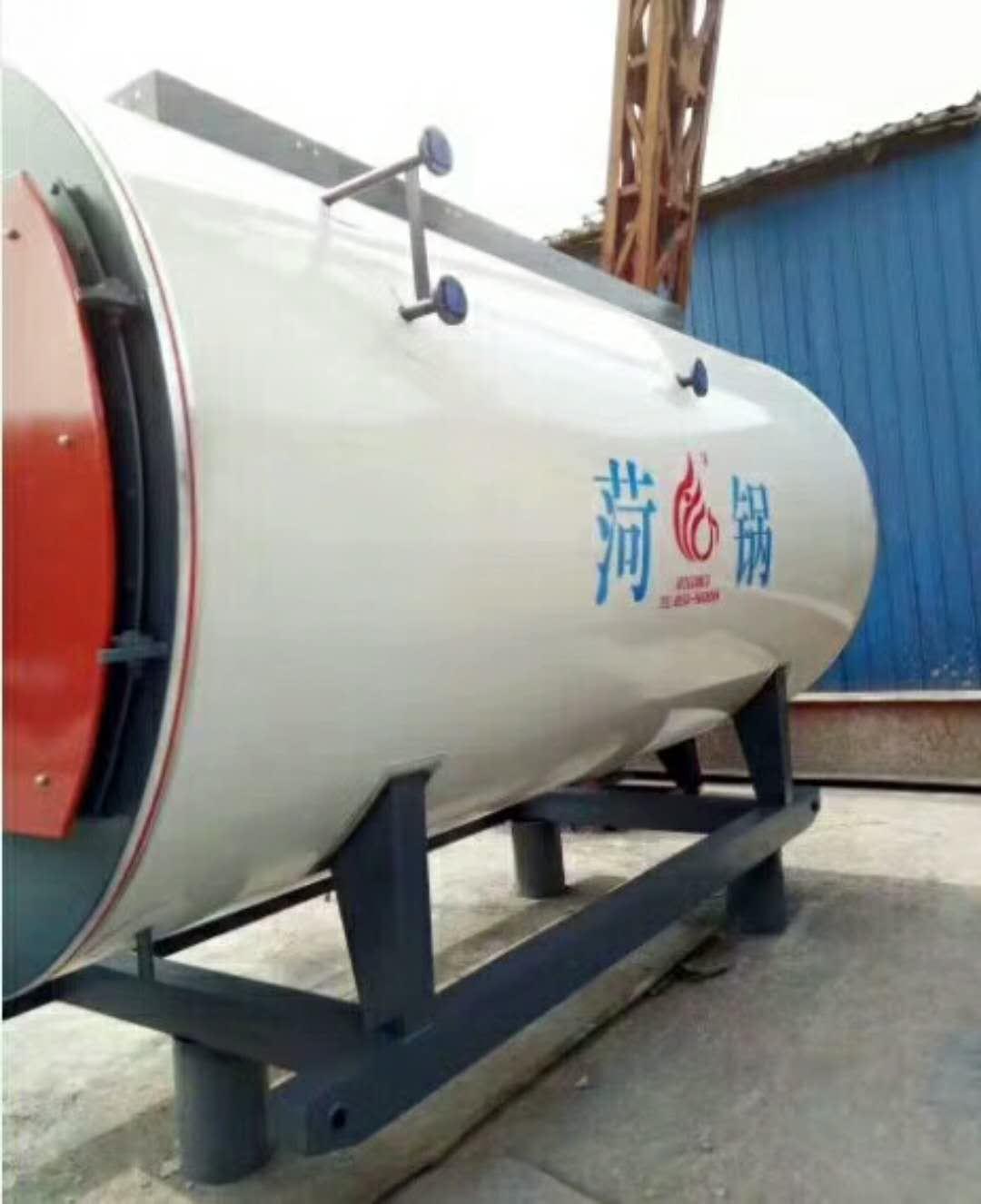


















Shandong Zhongjie Special Equipment Co., Ltd. specializes in the following products: fuel (gas) boilers, organic heat carrier boilers, biomass boilers, waste heat recovery boilers, and other boiler products; vacuum-insulated cryogenic pressure vessels such as LNG tanks, oxygen/nitrogen/argon tanks, and CO2 tanks; pressure vessel products including denitrification engineering equipment, heat storage and energy storage equipment, and complete chemical equipment sets; central air conditioning and HVAC equipment such as ground (water) source heat pumps, air source units, water-cooled screw units, and air-cooled modular units. Planned products include large-scale energy centers, LNG transport vehicles, LNG tank containers, and other green energy equipment.
Daily inspections of liquid nitrogen tanks should include the following aspects:
Level Inspection: Regularly check the liquid nitrogen tank's level to ensure it remains within the normal range. Inspections can be conducted using level gauges or level scales.
Pressure Check: Inspect the tank's pressure to ensure it remains within the safe range. Pressure gauges or pressure sensors can be used for this check.
Insulation Layer Inspection: Verify that the storage tank's insulation layer is intact, without any damage or detachment. The integrity of the insulation layer is crucial for reducing heat transfer and the evaporation of liquid nitrogen.
Leakage Inspection: Check for signs of liquid nitrogen leakage around the tank, such as vapor fog, frost, or freezing. If leakage is detected, take immediate measures to repair it.
Valve and pipeline inspection: Verify that the valves and pipelines of the storage tank are functioning properly without any gas leaks or blockages. Ensure the tightness and unobstructed flow of the valves and pipelines.
Safety Equipment Inspection: Examine the safety equipment of the storage tank, such as pressure relief valves, temperature sensors, and level alarms, to ensure they are functioning properly.
Tank External Cleaning: Regularly clean the external surface of the tank to remove dust, dirt, and debris. Maintain the tank's appearance for easy inspection and maintenance.
Tank Records and Documentation: Promptly record inspection results and maintenance records for tanks, including level, pressure, insulation status, and leakage conditions. These records aid in monitoring tank performance and identifying issues promptly.
The above details the routine inspection points for liquid nitrogen storage tanks. Regularly performing these checks ensures the safe and efficient operation of the tanks. Additionally, adhere to relevant safety regulations and operational guidelines to ensure personnel and equipment safety.
A 50-cubic-meter liquid oxygen tank refers to a storage tank with a capacity of 50 cubic meters. Liquid oxygen tanks are commonly used for storing and supplying liquid oxygen, for applications such as experiments, research, and more.
Key features and configurations of a 50 cubic meter liquid oxygen tank may include the following aspects:
Volume: A 50-cubic-meter liquid oxygen tank can store a large quantity of liquid oxygen.
Structure: Liquid oxygen tanks are typically designed with double or multi-layer construction, filled with insulating material in between to minimize heat transfer and evaporation of the liquid oxygen. The tank material is usually stainless steel or aluminum alloy, offering excellent corrosion and low-temperature resistance.
Insulation Layer: The insulation layer of liquid oxygen storage tanks typically uses multi-layered insulation materials, such as polyethylene foam, glass fiber, and vacuum layers, to reduce heat transfer and evaporation of liquid oxygen.
Thermal Control System: Liquid oxygen tanks are usually equipped with a thermal control system to regulate the tank's temperature and maintain the low-temperature state of the liquid oxygen.
Safety Equipment: Liquid oxygen tanks are typically equipped with safety devices such as pressure sensors, temperature sensors, and safety valves to ensure the safe operation of the tank.
Note that the use of liquid oxygen tanks must strictly adhere to relevant safety regulations and operating guidelines to ensure safe operation and usage. Liquid oxygen is highly flammable, so fire prevention measures must be taken when using liquid oxygen tanks, and fire sources must be kept away from the tank area.
Liquid oxygen low-temperature storage tanks are primarily used for storing and supplying liquid oxygen, with their application methods varying according to specific needs and scenarios. Here are some common application methods for liquid oxygen low-temperature storage tanks:
Applications: Liquid oxygen low-temperature storage tanks are widely used in the field for cryogenic preservation of biological samples, cells, tissues, and vaccines. Institutions such as biopharmaceutical research organizations and biobanks utilize liquid oxygen low-temperature storage tanks to store and protect these biological materials.
Experimental Research: Liquid Oxygen Low-Temperature Storage Tanks are used in scientific research and laboratories to provide low-temperature environments for freezing preservation and experiments. These tanks play a crucial role in experimental research across various fields, including physics, chemistry, biology, and materials science.
Industrial Applications: Liquid Oxygen Low-Temperature Storage Tanks are used in the industrial field for providing low-temperature cooling in processes such as metal processing, welding, and heat treatment. These tanks can offer low temperatures, enabling metals to achieve the required hardness and toughness during processing.
Food Industry: Liquid Oxygen Low-Temperature Storage Tanks are used in the food industry for freezing and refrigeration of foods such as frozen meats, frozen fruits, and frozen seafood. The low temperature of liquid oxygen can quickly freeze foods, preserving their freshness and quality.
Liquid oxygen low-temperature storage tanks are used in the field for storing and supplying liquid oxygen as fuel. Liquid oxygen, as a high-energy fuel, is widely used in the propulsion systems of engines and devices.
During the operation of liquid oxygen low-temperature storage tanks, strict adherence to relevant safety regulations and operational guidelines is required to ensure the safe operation and use of the tanks. Liquid oxygen is highly flammable, so fire prevention measures must be taken when using liquid oxygen low-temperature storage tanks, and it must be ensured that there are no ignition sources in the vicinity of the tank.
To ensure the quality of liquid oxygen storage tanks, the following measures can be taken:
选择可靠的供应商:选择有资质和经验的储罐制造商或供应商,确保其具备良好的声誉和可靠的质量管理体系。
Comply strictly with relevant standards and regulations: The design, manufacturing, and installation of liquid oxygen storage tanks should adhere to the pertinent standards and regulations, such as industry standards or.
Quality Control and Inspection: Strict quality control and inspection are conducted throughout the manufacturing process, including raw material inspection, process monitoring, and finished product testing. Ensure that the materials, welding, and sealing of the tanks meet the required standards.
A comprehensive quality management system: Establish and implement a comprehensive quality management system, including quality control plans, quality inspection records, and quality training, to ensure that every stage meets quality requirements.
Regular maintenance and inspection: Regular maintenance and inspection of liquid oxygen storage tanks, including cleaning, coating protection, and anti-corrosion treatment, to extend the service life of the tanks and maintain their optimal operational condition.
Safety Operations and Management: Establish and implement safety operations and management systems, including proper use of storage tanks, operational procedures, and safety training, to ensure the safety and reliability of tanks during use.
Regular inspections and evaluations: Conduct regular inspections and evaluations of liquid oxygen tanks, including visual inspections, pressure tests, leak detection, and as needed, non-destructive testing and material analysis to ensure the quality and safety of the tanks.
By implementing these measures, the quality, reliability, and safety of the liquid oxygen storage tanks can be effectively ensured, meeting usage requirements and standards.
Shandong Zhongjie Special Equipment, welcome customers to our factory for business discussions.
WeChat Official Account

Scan to follow Official Account



















