


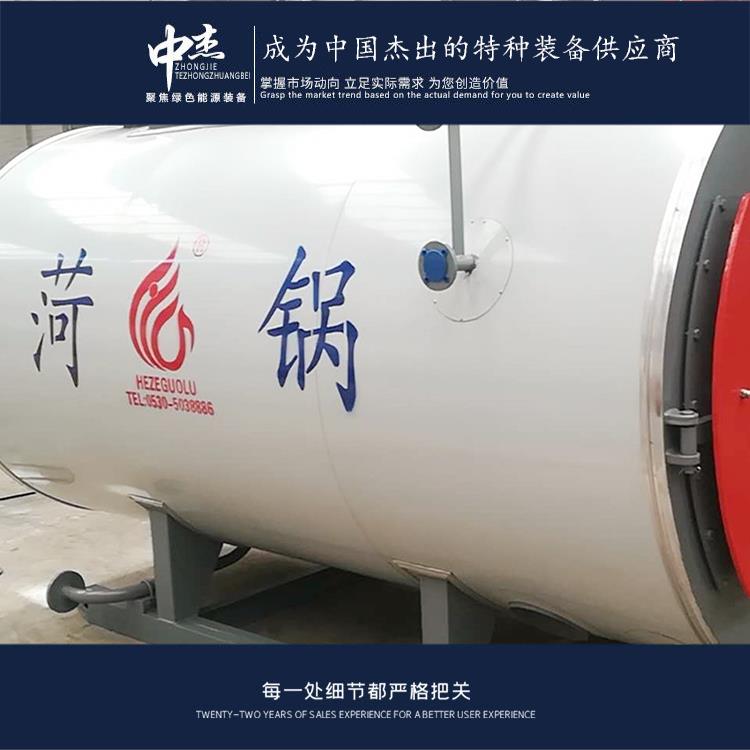

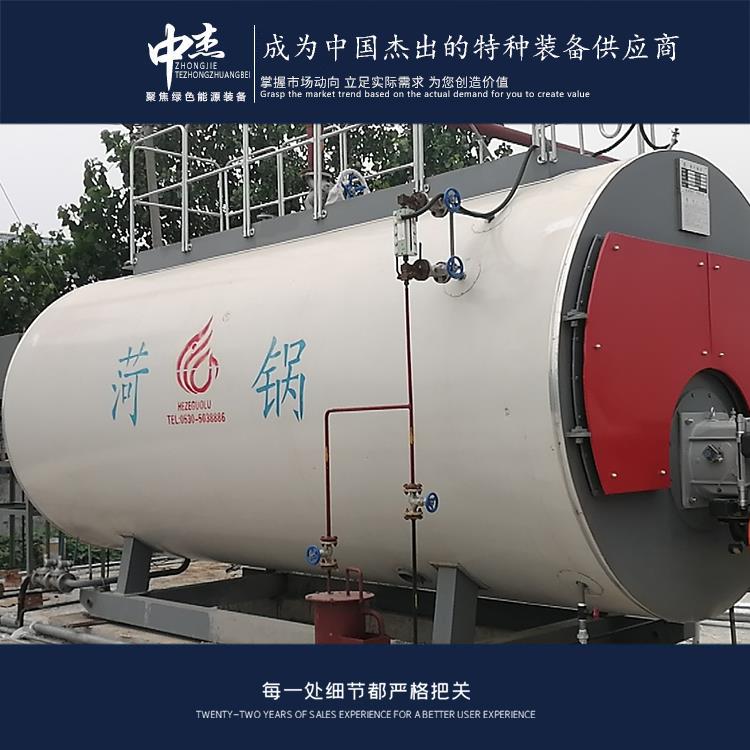
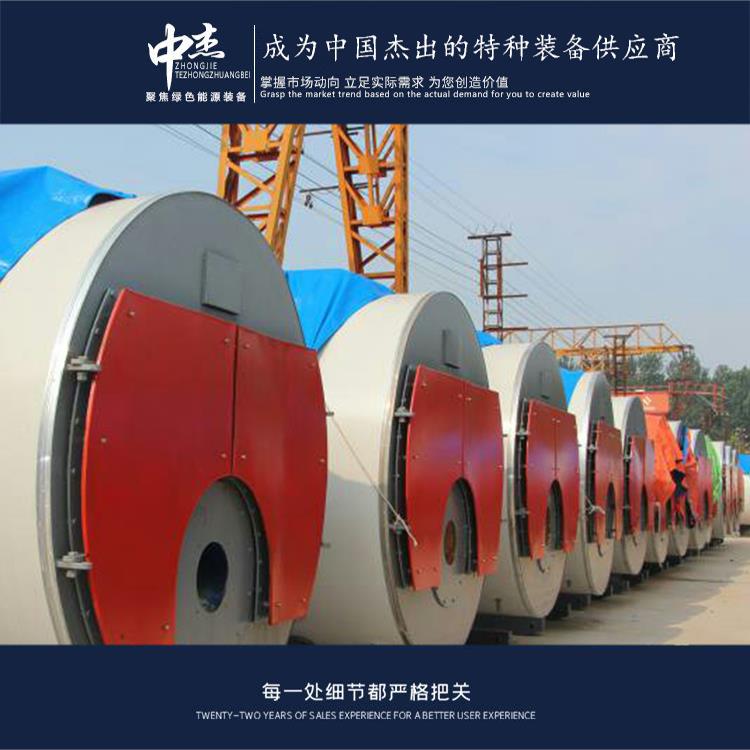


















Shandong Zhongjie Special Equipment's main products include: fuel (gas) boilers, organic heat carrier boilers, biomass boilers, waste heat boilers, and other boiler products; vacuum insulation cryogenic pressure vessels such as LNG tanks, oxygen/nitrogen/argon tanks, and CO2 tanks; pressure vessel products such as denitrification engineering equipment, heat storage and energy storage equipment, and complete chemical equipment; central air conditioning and ventilation equipment such as ground (water) source heat pumps, air source units, water-cooled screw units, and air-cooled modular units. Planned products include large-scale energy centers, LNG transport vehicles, LNG tank containers, and other green energy equipment.
If the thermal oil furnace circulating pump encounters issues, follow these steps for troubleshooting:
1. Shutdown and Inspection: First, stop the thermal oil furnace and disconnect the power source. Check for any obvious signs of failure in the pump, such as unusual noises, oil leaks, or seepages. Inspect the motor for proper operation and for any abnormal heat generation.
2. Clean the Pump Body: If sediment or impurities are found in the pump body, clean them. Use appropriate tools and cleaning agents to remove dirt and blockages from inside the pump. Ensure safe operation to avoid damaging the pump body.
3. Inspect Pump Connections: Check the pump's connections, including inlet and outlet pipes, valves, and seals. Ensure they are securely fastened, valves operate smoothly, and seals are intact. Repair or replace any loose or damaged parts promptly.
4. Check the Pump Motor: Verify the motor's proper operation and for any abnormal sounds or overheating. Inspect the power lines and control system of the motor to ensure normal power supply and correct control signals.
5. Inspect the Lubrication and Cooling Systems: Ensure the pump's lubrication and cooling systems are functioning correctly. Check the supply of lubricating oil or grease, and the circulation and temperature control of cooling water or coolant.
6. Adjust Pump Parameters: Depending on the situation, you may need to adjust the pump's parameters, such as flow rate and lift. Adjust the pump speed or valve opening according to the equipment's requirements and operating conditions to meet the thermal oil furnace's energy needs.
7. Seek Repair if Necessary: If the above steps do not resolve the issue or if more extensive repair and inspection are needed, it is recommended to seek repair services. Contact the maintenance personnel or manufacturer's technical support for further troubleshooting and repair.
It is crucial to prioritize safe operation and follow relevant operational procedures and safety requirements when dealing with thermal oil furnace circulating pump issues. If unsure how to proceed or if there are safety concerns, seek assistance immediately.
To optimize and improve the planning of gas boilers, consider the following aspects:
1. Energy Audit and Assessment: Conduct a comprehensive energy audit and assessment to understand the energy consumption of the gas boiler system and potential energy-saving potential. Through data analysis and energy measurement, determine the main sources of energy consumption and bottlenecks, providing a basis for subsequent optimization.
2. Combustion System Optimization: Optimize the combustion system of the gas boiler, including adjustments and cleaning of burners, control of the ratio of gas to air, and maintenance of the combustion chamber. Ensure high combustion efficiency and gas utilization, reducing energy waste.
3. Heat Recovery Utilization: Consider installing heat recovery devices, such as waste heat recovery systems or flue gas heat exchangers. These devices can utilize the excess heat in the flue gas emitted by the gas boiler to heat water or other equipment requiring heat, improving energy utilization efficiency.
4. Pipe Insulation and Leak Inspection: Ensure that the insulation performance of gas pipes and hot water pipes is good, reducing energy loss. Regularly check for pipe leaks and repair them promptly to avoid energy waste and safety hazards.
5. Control System Upgrade: Consider upgrading the control system of the gas boiler to adopt automated control technology. Through precise control and adjustment, achieve optimal operation of the gas boiler.
The necessity of flow control in thermal oil heaters is primarily reflected in the following aspects:
1. Heat Transfer Efficiency: The efficiency of heat transfer in thermal oil heaters is closely related to the flow rate of the thermal oil. An appropriate flow rate ensures that heat is fully transferred in the heat exchanger, enhancing the efficiency of heat utilization. An excessively low flow rate may result in insufficient heat exchange and affect the heat transfer effect; conversely, an excessively high flow rate will increase energy consumption and operating costs.
2. Temperature Control: Flow control in thermal oil heaters is also closely related to temperature control. By adjusting the flow rate of the thermal oil, the temperature inside the furnace can be controlled, ensuring stable operation within the set working temperature range. An excessively low flow rate may lead to overly high temperatures, while an excessively high flow rate may cause temperatures to drop too low, both of which can affect the normal operation of the equipment.
3. System Stability: Appropriate flow rates of thermal oil can enhance system stability. Through flow control, the supply and demand of heat can be balanced, preventing overheating or undercooling, and maintaining stable system operation. Stable operation contributes to extending the service life of the equipment and reducing the frequency of malfunctions and repairs.
4. Safety: Flow control in thermal oil heaters is also closely related to safety. Appropriate flow control can prevent excessive accumulation of thermal oil in the system, reducing the risk of leaks and explosions. Additionally, flow control ensures that the system pressure remains within a safe range, avoiding overpressure and other safety issues.
In summary, flow control in thermal oil heaters is necessary for improving heat transfer efficiency, temperature control, system stability, and safety. Through reasonable flow control, the operation of thermal oil heaters can be optimized, enhancing energy utilization efficiency, reducing operating costs, and ensuring safe and stable equipment operation.
When selecting a steam boiler, several key factors should be taken into account:
- Steam Demand: First, determine the steam requirements of the factory or project, including steam pressure, flow rate, and quality. Choose an appropriate steam boiler model and specification based on actual needs to ensure it meets process and production requirements.
- Boiler Type: There are various types of steam boilers, such as fire-tube boilers, water-tube boilers, and gas boilers. Select the suitable boiler type based on the factory's actual conditions and needs. Also, consider the fuel type of the boiler, such as coal, gas, biomass, etc., and choose a fuel type that complies with the factory's energy supply and environmental protection requirements.
- Boiler Efficiency: The efficiency of a boiler directly affects energy utilization efficiency and operating costs. Understand the boiler's thermal and combustion efficiency and choose a high-efficiency steam boiler to reduce energy consumption and operating costs.
- Quality and Reputation: Choose a supplier with a good reputation to ensure the quality and reliability of the steam boiler. Refer to customer reviews, industry certifications, and third-party evaluations to understand the supplier's reputation and product quality.
- Technical Support and After-Sales Service: Select a supplier that can provide comprehensive technical support and after-sales service. Ensure the supplier can offer installation guidance, training, maintenance, and troubleshooting support to ensure the normal operation and maintenance of the steam boiler.
- Cost and Budget: Finally, choose a steam boiler that meets your budget and economic considerations. Consider the purchase cost, operating cost, and maintenance cost, and select a steam boiler with a high cost-performance ratio.
It's important to note that the above factors are just some of the key considerations when purchasing a steam boiler, and the specific choice should be determined based on the factory's actual conditions and needs. It is recommended to communicate and compare with multiple suppliers to gather more information and advice for an informed decision.
Shandong Zhongjie Special Equipment, welcome customers to our factory for business discussions.
WeChat Official Account

Scan to follow Official Account



















