


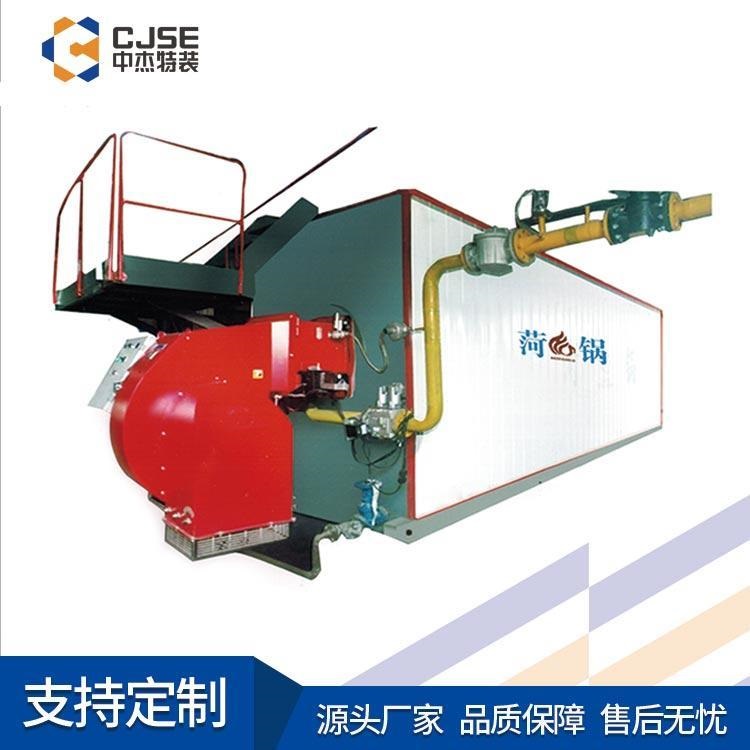

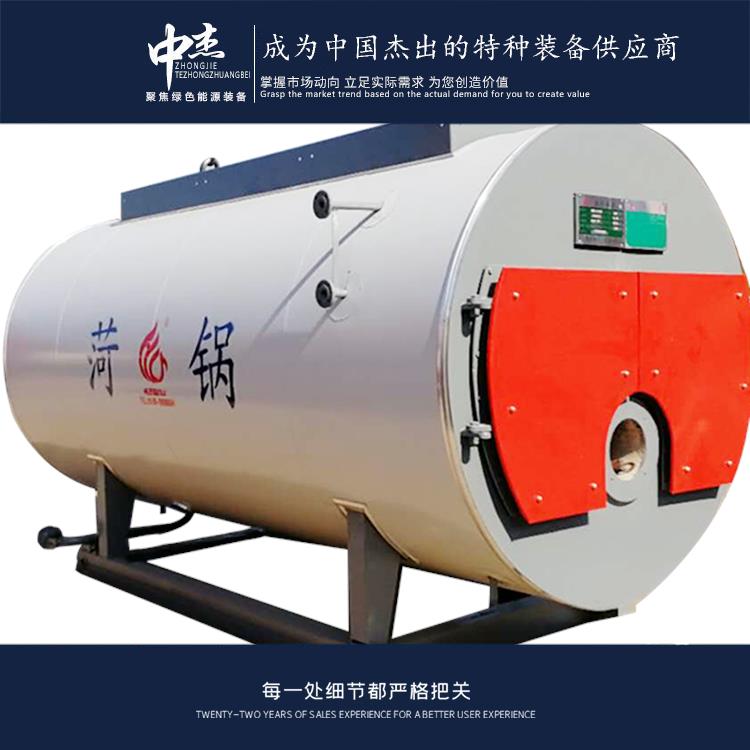


















Shandong Zhongjie Special Equipment Co., Ltd. specializes in the following products: fuel (gas) boilers, organic heat carrier boilers, biomass boilers, waste heat recovery boilers, and other boiler products; vacuum insulation cryogenic pressure vessels such as LNG storage tanks, oxygen/nitrogen/argon storage tanks, and CO2 storage tanks; pressure vessel products including denitrification engineering equipment, heat storage and energy storage equipment, and complete chemical equipment sets; central air conditioning and ventilation equipment such as ground (water) source heat pumps, air source units, water-cooled screw units, and air-cooled modular units. Planned products include large-scale energy centers, LNG transport vehicles, LNG tank containers, and other green energy equipment.
Common faults of gas boiler burners and their solutions are as follows:
1. No flame or unstable flame: Check if the gas supply is normal and ensure the gas valve is open. Clean the burner nozzle to ensure the passage is clear. Inspect the ignition electrode for cleanliness, carbon buildup, or dirt. Adjust the gas-to-air ratio to ensure the proper mixture.
2. Incomplete combustion or black smoke: Check if the gas supply is sufficient and adjust the gas pressure. Clean the burner nozzle and combustion chamber to ensure the passage is clear. Adjust the gas-to-air ratio to ensure the proper mixture. Check for carbon buildup or dirt in the burner and clean or replace damaged parts.
3. Difficulty or failure to ignite: Inspect the ignition electrode for cleanliness, carbon buildup, or dirt. Adjust the position and gap of the ignition electrode to ensure normal spark generation. Check if the ignition transformer or controller is functioning properly, and repair or replace damaged parts.
4. Abnormal noise from the burner: Check if the gas supply is normal and ensure the gas valve is open. Inspect the burner and combustion chamber for loose parts and tighten or replace damaged parts. Clean the burner and combustion chamber to ensure no carbon buildup or dirt.
If the above methods do not solve the problem, it is recommended to contact a gas boiler maintenance technician for inspection and maintenance. Also, to ensure safety, follow the relevant safety operating procedures when using a gas boiler.
Conduction oil boiler tube plate inspection is essential for ensuring safe operation and preventing potential issues. Here are general steps for conducting a tube plate inspection:
Visual Inspection: Perform a visual examination to check for any obvious corrosion, cracks, deformities, or other anomalies on the tube plate surface. Pay special attention to cracks or leaks in welds and junctions.
Clean the Tube Plate: Clean the surface of the tube plate thoroughly, removing dirt and deposits to facilitate inspection.
Ultrasound Testing: Use an ultrasound testing instrument to inspect the tube plate for possible cracks or other defects. Ultrasound testing helps determine the integrity and reliability of the tube plate.
Pressure Testing: Conduct a pressure test to verify the sealing and pressure-bearing capability of the tube plate. Gradually increase pressure during the test, observe for leaks, and ensure the tube plate can withstand the design pressure.
Tube Plate Thickness Measurement: Use an ultrasonic thickness gauge to measure the tube plate thickness to confirm if it meets the design requirements. Pay particular attention to the corrosion status, ensuring it stays within safe limits.
Weld Inspection: Inspect the welds on the tube plate to ensure they meet relevant standards and specifications. Check the integrity, quality of the weld, and if the welding process meets requirements.
Documentation and Reporting: Document and report the inspection results of the tube plate, including identified issues, corrective actions, and recommendations. These records and reports serve as references for future maintenance and management.
It is important to note that the inspection of conduction oil boiler tube plates should be conducted by qualified personnel and strictly adhered to relevant standards and specifications. In the event of any issues or anomalies, appropriate repair and maintenance measures should be taken promptly to ensure the safe operation of the boiler.
A condensing gas steam boiler is an energy-saving boiler equipment, with the following working principle and features:
Working Principle:
Steam Generation: The condensing gas steam boiler produces high-temperature flue gas by burning gas, which then exchanges heat with the water pipes inside the boiler, heating the water into steam.
Steam Condensation: After steam is generated, it enters the condenser, where it exchanges heat with the condensing medium (usually cold water or recycled water) inside the condenser. This releases the heat from the steam, causing it to condense into water.
Flue Gas Reuse: The flue gas after condensation still contains some heat, which can be recovered and utilized through a flue gas reuse system, enhancing the boiler's thermal efficiency.
Features:
Energy-Saving: By utilizing the steam condensation principle, the condensing gas steam boiler makes full use of the heat in the steam, improving the efficiency of heat energy utilization and saving energy consumption.
Low Emission: Due to the condensation of flue gas, where most of the heat is recovered, the flue gas temperature is lower, resulting in lower emissions of pollutants, thus having a smaller impact on the environment.
Compact Structure: The condensing gas steam boiler typically employs a compact structural design, occupying less space, making it suitable for places with limited space.
Fast Start-Up: The condensing gas steam boiler has the characteristic of rapid start-up and shutdown, allowing for flexible adjustments and operation according to actual needs.
Wide Application Range: The condensing gas steam boiler is suitable for heating and steam requirements in industrial production processes, such as power plants, chemical factories, textile mills, etc.
It should be noted that proper maintenance and regular cleaning of the condenser and flue gas reuse system are required during the operation of the condensing gas steam boiler to ensure its normal and efficient operation.
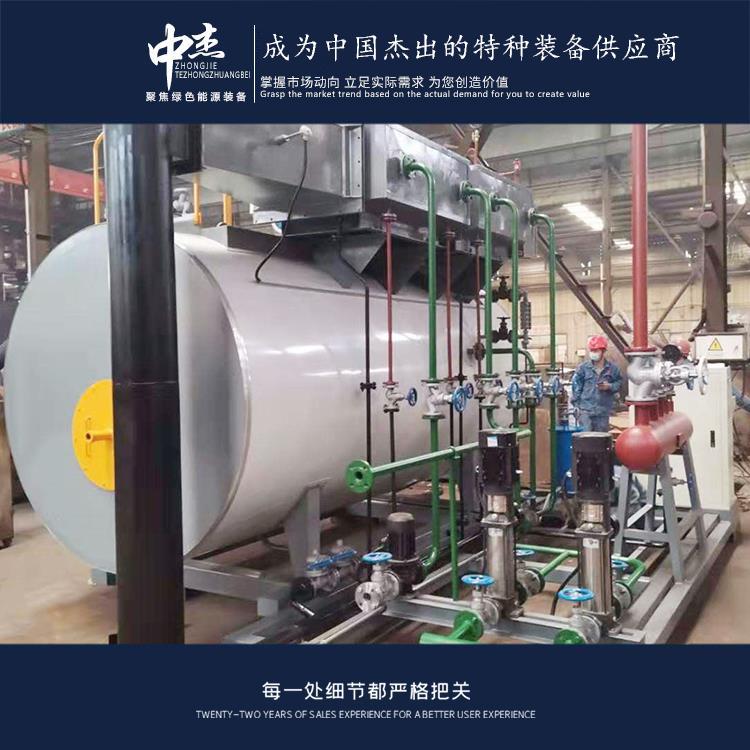
In industrial boiler systems, the critical functional parameters of a pump include the following aspects:
- Flow Rate: The flow rate of a pump refers to the volume of liquid pumped per unit of time. In industrial boilers, the pump must provide adequate flow to meet the boiler's water requirements. The flow rate depends on the boiler's rated evaporation capacity and the design requirements of the circulating water system.
- Head: The head of a pump is its ability to overcome liquid resistance and lift the fluid to a certain height. In industrial boilers, the pump must have sufficient head to ensure smooth flow to all parts of the boiler, including the feed water and circulating water systems.
- Power: The power of a pump is the electrical or mechanical energy required to drive the pump. In industrial boilers, the power of the pump must be determined based on the flow rate and head to meet the system's needs.
- Efficiency: The efficiency of a pump is the ratio of the energy input to the output fluid energy. Efficient pumps can reduce energy consumption and operating costs. In industrial boilers, choosing an efficient pump can improve the system's energy efficiency.
- Stability and Reliability: Pumps in industrial boiler systems must have good operating stability and reliability. Pumps should be able to run stably for long periods without being affected by external disturbances or fluctuations, and they should be able to adapt to different operating conditions.
- It is necessary to select the appropriate pump based on the specific industrial boiler system and design requirements, ensuring that the pump's functional parameters meet the system's needs. Additionally, the selection and operation of the pump must comply with relevant standards and regulations to ensure safe and reliable operation.
Shandong Zhongjie Special Equipment, welcome customers to our factory for business discussions.
WeChat Official Account

Scan to follow Official Account



















