


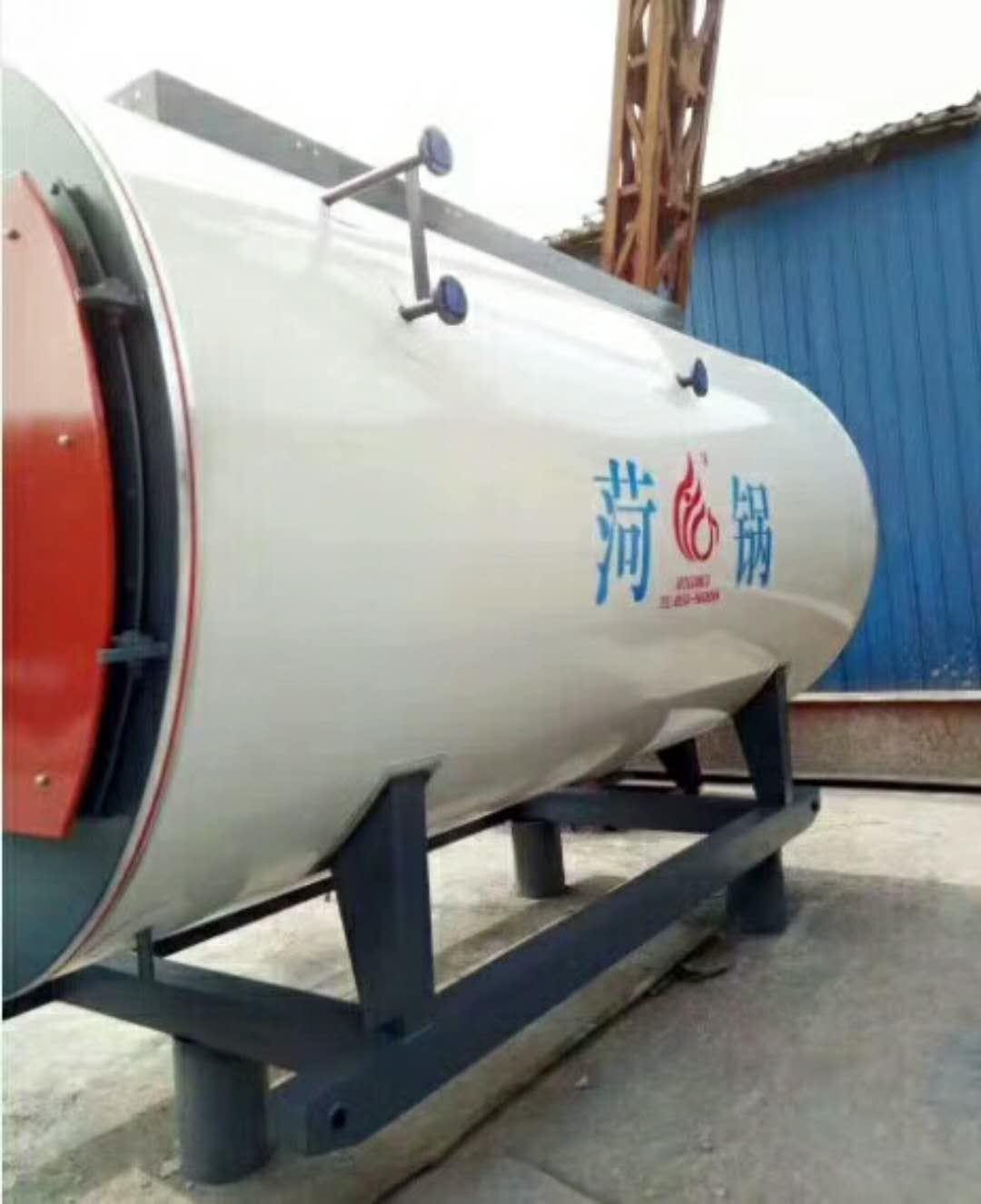

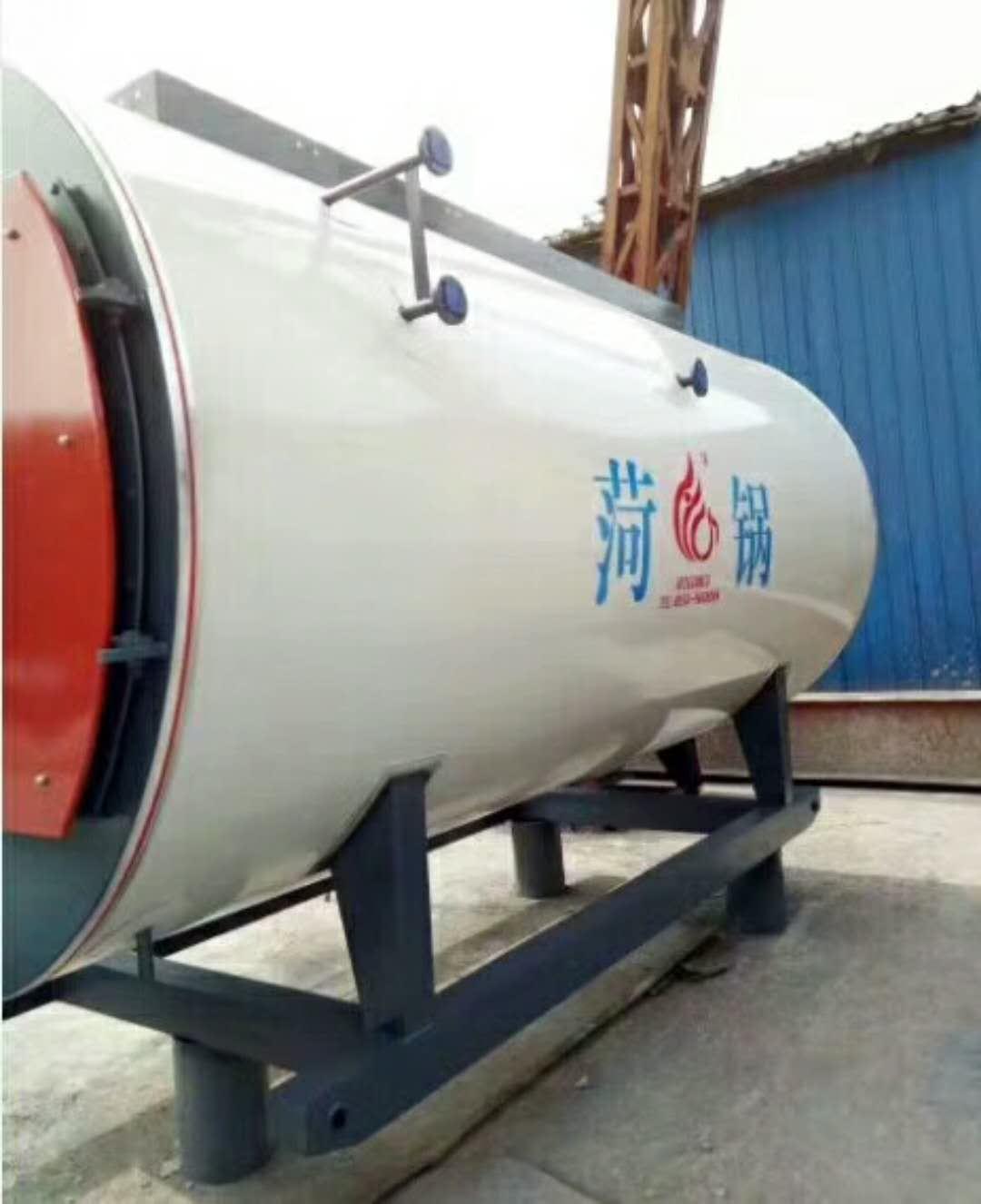


















Shandong Zhongjie Special Equipment (formerly Heze Boiler Factory Co., Ltd.) holds an A-grade boiler manufacturing license, an A2-grade pressure vessel manufacturing license, an A2-grade pressure vessel design license, a B-grade boiler installation license, and GB2/Class, GC2/Class pressure pipeline installation licenses, as well as an electromechanical equipment installation contracting qualification. It is a member of the China Boiler and Water Treatment Association, the China Chemical Equipment Association, and the council member of the Shandong Equipment Manufacturing Association. The company has also passed the ISO9001 Quality Management System, ISO14001 Environmental Management System, OHSAS18001 Occupational Health and Safety Management System certifications, and the American ASME/U2 certification.
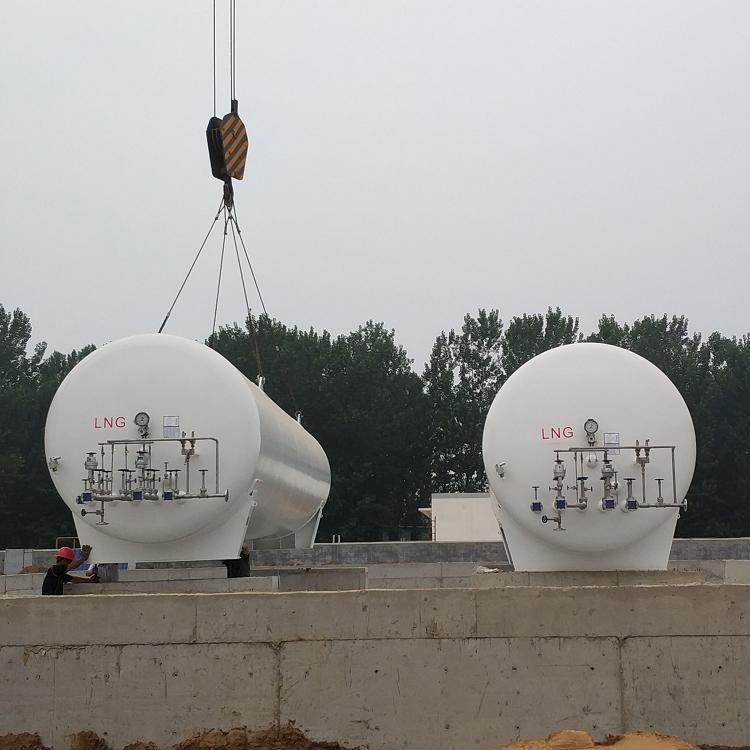
The stable pressure design of a 15 cubic meter liquid argon tank requires considering the following aspects:
Tank Pressure: Determine the design pressure of the tank to meet the storage and supply requirements for liquid argon. Establish an appropriate design pressure range based on the characteristics and usage conditions of liquid argon.
Stabilization System: Choose an appropriate stabilization system to maintain stable pressure within the storage tank. The stabilization system typically includes components such as pressure regulators, pressure sensors, and control valves, which are used for monitoring and adjusting the pressure inside the tank.
Pressure Sensors: Install pressure sensors for real-time monitoring of pressure changes within storage tanks. The sensors transmit pressure signals to the pressure regulation system to promptly adjust the opening of control valves, ensuring stable pressure within the tank.
Control Valve: Select an appropriate control valve for regulating the gas flow and pressure within the storage tank. The control valve should have excellent regulating performance and stability to ensure the pressure within the tank remains within the set range.
Safety Valve: Install a safety valve to automatically release gas when the pressure inside the storage tank exceeds the set value, preventing overpressure. The safety valve should be selected and installed based on the design pressure and capacity of the storage tank.
Voltage Regulation System Control: Equipped with an appropriate control system to monitor and regulate the operation of the voltage regulation system. The control system can enable automatic adjustments and alarm functions to ensure stable and safe pressure within the storage tank.
Note that the design of the voltage regulation should be tailored to the specific engineering requirements and operating conditions of the liquid argon storage tank, adhering to relevant local regulations, standards, and specifications. When designing and installing the voltage regulation system, it is recommended to consult with an engineer or a relevant institution for guidance to ensure the reliability and safety of the system.
The oxygen filling process for liquid oxygen tanks must adhere to specific operational procedures and safety measures. Below are the steps for filling liquid oxygen tanks:
Preparation: Ensure that the storage tank and oxygen filling equipment are in good working condition, and check the tank's sealing and the proper operation of the safety valve.
Connect equipment: Link the oxygenation equipment to the storage tank, ensuring a secure and sealed connection.
Prepare liquid oxygen: Transfer liquid oxygen from the storage container to the storage tank of the oxygen-filling equipment. During the transfer, be cautious to avoid any leakage or contact with the liquid oxygen.
Oxygen Filling Operation: Open the valve of the oxygen filling equipment and fill liquid oxygen from the oxygen storage tank into the storage tank. During the filling process, control the filling speed and pressure to avoid excessive pressure and temperature increase in the storage tank.
Monitoring and Control: During the aeration process, it is necessary to monitor the tank's pressure and temperature to ensure they remain within safe limits. In case of any anomalies, oxygenation should be stopped immediately and appropriate actions taken.
Oxygen Filling Completed: Close the valve of the oxygen filling equipment and cease the oxygen filling operation once the tank reaches the required oxygen level or pressure.
Safety Handling: After oxygenation is complete, safety handling is required, which includes closing relevant valves and emptying the remaining liquid oxygen from the oxygenation equipment.
Note that liquid oxygen is highly oxidizing and flammable. The oxygen-filling process must strictly adhere to relevant safety operational procedures and standards. Operators should receive training and strictly follow the operational procedures and safety measures to ensure the safety and reliability of the oxygen-filling process.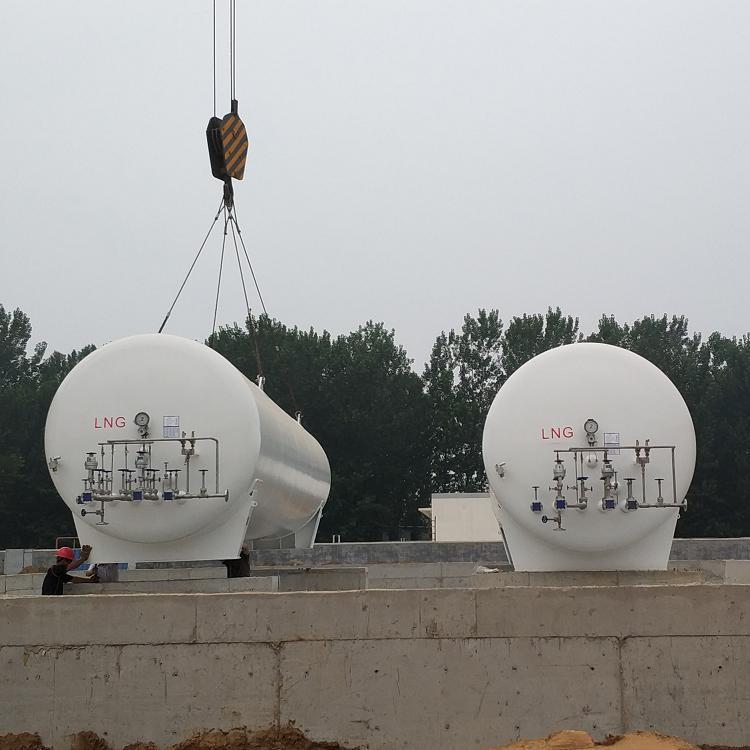
In pressure vessel design, several common "thickness" parameters must be considered:
Wall Thickness: Refers to the actual thickness of the pressure vessel wall, i.e., the thickness of the container wall. The selection of wall thickness should consider factors such as the design pressure of the container, the strength of the material, and its corrosion resistance, to ensure the strength and safety of the container.
Bend Allowance: The bend allowance refers to the additional thickness added to the wall thickness during the manufacturing process to ensure the strength and shape of the container's bending section. The calculation and selection of the bend allowance must consider factors such as the container's bending radius and the material's bendability.
Corrosion Allowance: The corrosion allowance refers to the additional thickness added to the wall to account for internal or external corrosion of the vessel. The selection of the corrosion allowance should consider the working environment of the vessel and the corrosive properties of the medium to ensure that the vessel can withstand the effects of corrosion throughout its service life.
These "thickness" parameters play a critical role in pressure vessel design, affecting the container's strength, corrosion resistance, and safety. During the design process, it is necessary to select and calculate these thickness parameters rationally, based on relevant standards and specifications, in conjunction with the container's usage conditions and requirements, to ensure that the design and manufacturing meet the necessary standards.
Liquid Argon Storage Tanks are specialized equipment designed for storing liquid argon, featuring the following parameters, functions, and characteristics:
Parameters:
Tank Capacity: The capacity of liquid argon tanks can be customized to meet requirements, typically available in various sizes such as 500L, 1000L, 2000L, and so on.
Working Pressure: The working pressure of liquid argon tanks is typically atmospheric or slightly above atmospheric pressure.
Storage Temperature: The storage temperature for liquid argon tanks is typically -196 degrees Celsius, which is the boiling point of argon, maintaining its liquid state.
Function:
Store Liquid Argon: Liquid argon tanks are primarily used for storing liquid argon, maintaining its liquid state at low temperatures for supply and use.
Insulation: The liquid argon storage tank utilizes advanced insulation materials and structural design to minimize heat conduction and retention, maintaining the low-temperature state of liquid argon.
Safety Control: The liquid argon storage tank is equipped with safety devices such as pressure relief valves and level alarms to ensure safe operation and use.
Features:
High Purity Supply: Liquid argon tanks offer high purity liquid argon supply to meet application requirements, such as cryogenic storage, gas shielded welding, semiconductor manufacturing, etc.
Long-term Storage: Liquid argon tanks are designed for long-term storage of liquid argon, extending their service life. By controlling the temperature inside the tank and the performance of the insulation layer, the evaporation and oxidation of liquid argon are slowed down.
Versatile Applications: Liquid Argon Storage Tanks are widely used in industries such as industrial and scientific research, including freezing and semiconductor manufacturing, etc.
Environmental Protection and Energy Saving: Liquid argon storage tanks enable efficient storage and utilization of liquid argon, reducing energy waste and environmental pollution.
In summary, liquid argon storage tanks are designed for storing liquid argon, thermal insulation, and safety.
Zhongjie Special Equipment upholds the grand vision of "realizing employees' dreams, creating value for customers, and striving for the prosperity and strength of our motherland," and is dedicated to the development of the green energy equipment industry. We offer products and services with high cost-performance to contribute to society!
WeChat Official Account

Scan to follow Official Account



















