


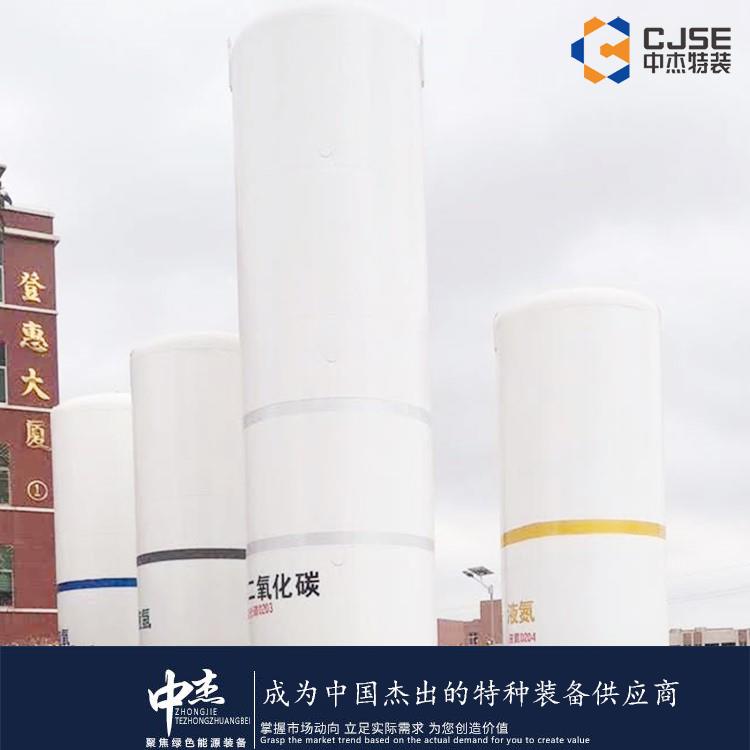

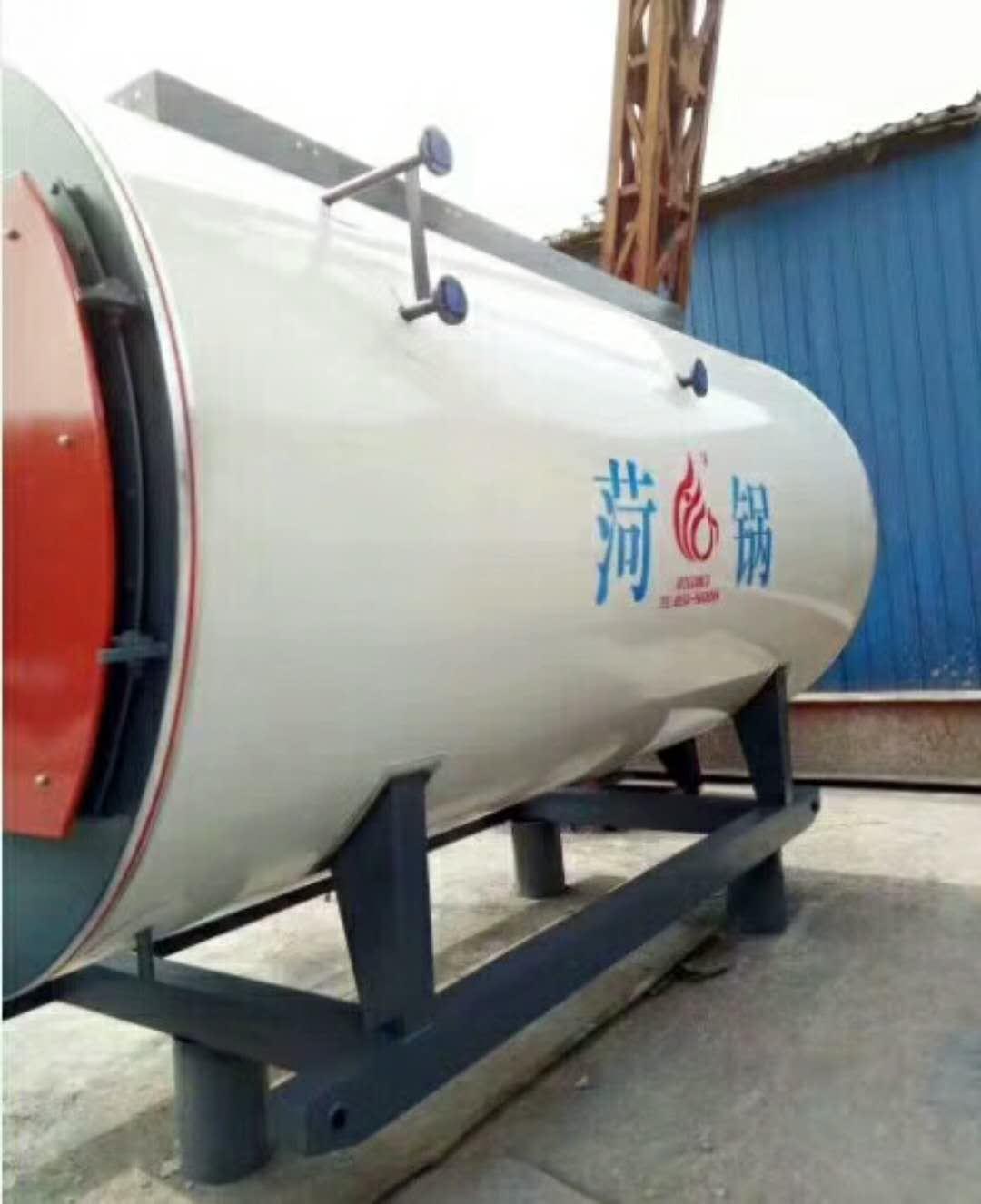
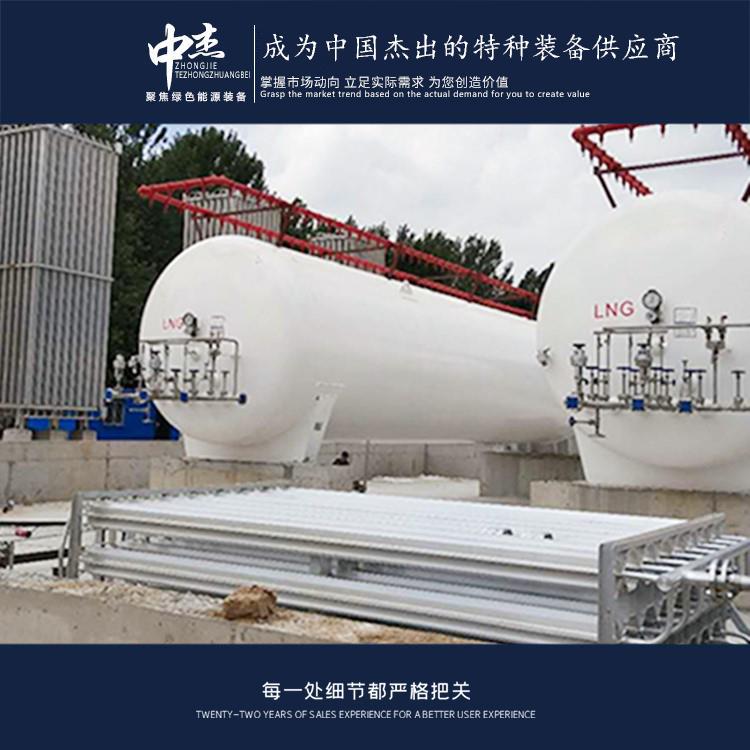


















Shandong Zhongjie Special Equipment (formerly Heze Boiler Factory Co., Ltd.) was established in 2001, located at No. 2218 Jinnan Road, Development Zone, Heze City, with a registered capital of 50 million yuan and total assets of 500 million yuan. The company has 7 business centers: boiler, deep-freezing vessel, pressure vessel, central air conditioning, engineering installation, international trade, and Internet of Things. It has three factory sites on Jinnan Road, East Changjiang Road, and Bohai Road, covering a total area of 200,000 square meters, with the main workshop spanning 83,000 square meters. It currently employs 710 staff, including 247 engineers and technicians, and 82 intermediate-level technicians. In December 2016, it was recognized as a "High-Tech Enterprise" by the Science and Technology Department. In June 2021, it was identified as a "Specialized and New Enterprise in Shandong Province" by the Ministry of Industry and Information Technology. In June 2022, it was recognized as a "Gazelle Enterprise in Shandong Province" and in August 2022, it was identified as a "Specialized and New Small Giant Enterprise" by the Ministry of Industry and Information Technology.
The leak treatment methods for liquid argon storage tanks mainly include the following steps:
Identified Air Leaks: Detected through odors, gas detection equipment, or abnormal pressure in liquid argon storage tanks, air leaks in the liquid argon storage tanks are identified.
Confirm air leakage location: Use gas detection instruments or foam leak detection agents, etc., to pinpoint the exact locations of air leakage. Check tank interfaces, valves, pipe connections, and other areas to find the points of air leakage.
Seal Air Leaks: Take appropriate measures to stop air leaks based on their location. For instance, with leaks at joints, inspect and adjust gaskets or tighten bolts; for valve leaks, check and replace seals.
Isolate Air Leaks: During the process of dealing with air leaks, it is necessary to isolate the leaky areas to ensure personnel safety. Set up warning signs, restrict access to the area, and take necessary protective measures, such as wearing protective masks and gloves.
Drain liquid argon: If air leaks cannot be repaired immediately or the leak volume is significant, consider draining the liquid argon. By gradually reducing the pressure inside the storage tank, convert the liquid argon into gas, thereby reducing the risk of air leaks.
Ventilation Treatment: During the air leakage treatment, ensure adequate ventilation and promptly exhaust the gases produced by the evaporation of liquid argon. Natural ventilation or the use of ventilation equipment can be employed to expel the evaporated gases of liquid argon outdoors.
Safety Assessment and Repairs: After completing the air leakage treatment, conduct a safety assessment to ensure the tank's safety. Based on the assessment results, carry out necessary repairs and maintenance to prevent further air leakage.
Note that liquid argon is a low-temperature liquid with a low boiling and freezing point. Caution is required when dealing with air leaks to prevent cold exposure from contact with liquid argon. When handling air leaks in liquid argon storage tanks, the operation should be performed by personnel and follow the relevant safety operation procedures and standards.
To prevent hazards caused by static electricity in liquid oxygen storage tanks, the following measures can be taken:
Ensure proper grounding of the liquid oxygen storage tank and associated equipment. Grounding discharges static electricity to the ground, reducing the likelihood of static buildup. Metal components such as tanks and pipes should be connected to a reliable grounding system.
Static dissipative materials: Utilize static dissipative materials to reduce the accumulation of static electricity. For instance, apply conductive coatings or conductive materials to the insulating layer of liquid oxygen storage tanks and pipelines to ground the static electricity.
Anti-static Equipment: Utilize anti-static equipment, such as static-conductive pipes and hoses, to reduce the accumulation and release of static electricity. These devices help direct static to the ground, minimizing the occurrence of static sparks.
Static grounding wire: Install static grounding wires on liquid oxygen storage tanks and related equipment to discharge static electricity to the ground. These grounding wires should be connected to a reliable grounding system and be inspected and maintained regularly.
Static Eliminator: Utilize a static eliminator to dissipate static electricity. These devices neutralize static by releasing opposite charges, reducing static buildup and the occurrence of sparks.
Static Electricity Safety Training: Conduct static electricity safety training for personnel using liquid oxygen tanks, enhancing their awareness and prevention of static electricity hazards. Training content may include the principles of static electricity formation, preventive measures, and emergency response procedures.
It is important to note that the anti-static measures for liquid oxygen storage tanks should be designed and implemented by personnel, following relevant safety operation procedures and standards. During operation, strict adherence to the prescribed operational procedures is required to prevent the generation of static sparks and ensure the safety of the tank.
When storing liquid nitrogen in low-temperature storage tanks, be mindful of the following points:
Protective Gear: When operating low-temperature storage tanks, it is mandatory to wear appropriate protective gear, including gloves, protective clothing, and non-slip shoes. This equipment safeguards the skin from the low temperatures of liquid nitrogen and other hazards.
Avoid direct contact: Liquid nitrogen is extremely cold and can cause chilling. Therefore, avoid direct contact with liquid nitrogen, especially with the skin. Use tools or implements for handling to prevent direct hand contact with liquid nitrogen.
Ventilation Requirements: In the operation area of low-temperature storage tanks, adequate ventilation must be ensured to expel gases produced by the evaporation of liquid nitrogen. Maintain air circulation to avoid excessive oxygen concentration, reducing the risk of fire and explosion.
Prevent Leaks: Regularly inspect low-temperature storage tanks for leaks and equip with leak detectors and alarm systems. In case of a leak, take immediate measures to control and repair it. Avoid hazards to personnel and the environment caused by liquid nitrogen leaks.
Fire Prevention Measures: Liquid nitrogen has a low boiling and freezing point, which can easily cause fires. Measures such as installing firewalls around low-temperature storage tanks and using fire-retardant coatings are taken to prevent the occurrence and spread of fires.
Static protection: Electrostatic buildup in low-temperature tanks may cause sparks, increasing the risk of fire. Measures should be taken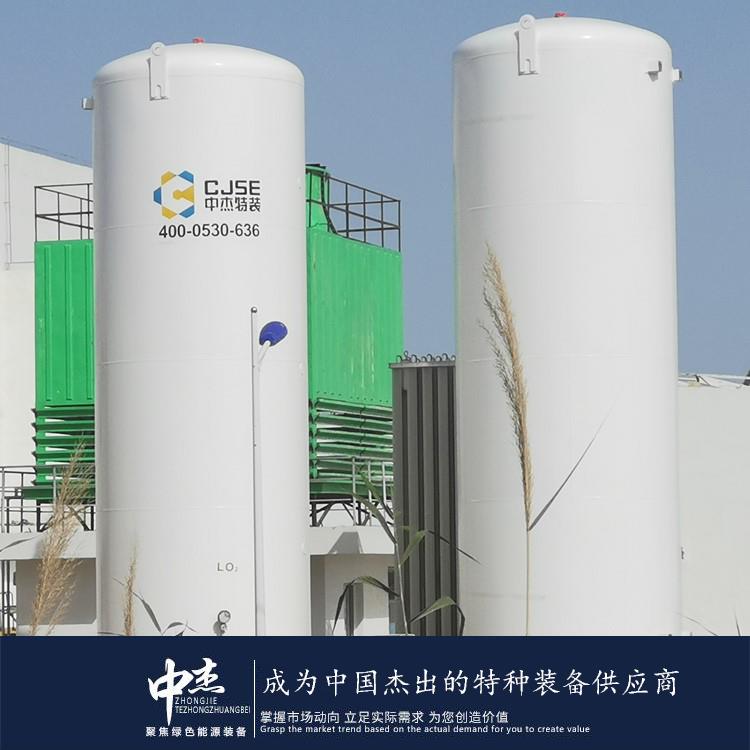
Routine maintenance is one of the crucial methods to ensure the safety of low-temperature storage tanks. Here are some common maintenance measures:
Regular Inspections: Conduct regular checks on low-temperature storage tanks, including inspections of the exterior, internal structure, and anti-corrosion coatings. Look for cracks, corrosion, wear, and other issues, and identify and repair potential safety hazards in a timely manner.
Cleaning and De-icing: Regularly clean the external surface and internal structure of the low-temperature storage tank to remove accumulated dirt and ice layers. The buildup of ice can lead to structural damage and corrosion; cleaning and de-icing can extend the lifespan of the tank.
Level Monitoring: Regularly monitor the liquid level in low-temperature storage tanks to ensure it remains within a safe range. Excessive or low levels can lead to overpressure or over-vacuum in the tank, increasing safety risks.
Leak Detection: Install a leak detection system to regularly check for leaks in low-temperature storage tanks. Leaks can lead to the escape and evaporation of liquids or gases, increasing safety risks.
Corrosion Protection Measures: Implement appropriate corrosion protection measures, such as coating protection and corrosion-resistant coatings, to safeguard the metallic structure of low-temperature storage tanks from corrosion damage.
Emergency Fault Handling: Establish an emergency fault handling mechanism to promptly address and repair issues with low-temperature storage tanks to prevent accidents from occurring or escalating.
Training and Development of Personnel: Train and develop operators and maintenance staff to ensure they possess the relevant knowledge and skills for the correct operation and maintenance of low-temperature storage tanks.
Be mindful that maintenance and care should be tailored to the specific type of tank and its operating conditions, adhering to relevant local laws, regulations, and standards. During maintenance, it's advisable to consult with engineers or guidance from relevant institutions to ensure the tank's safety and reliability.
ZJ Special Equipment adheres to the grand vision of "realizing employees' dreams, creating value for customers, and striving for the prosperity and strength of our motherland," and is dedicated to the development of the green energy equipment industry. We offer the society products and services with high performance and cost-effectiveness!
WeChat Official Account

Scan to follow Official Account



















