


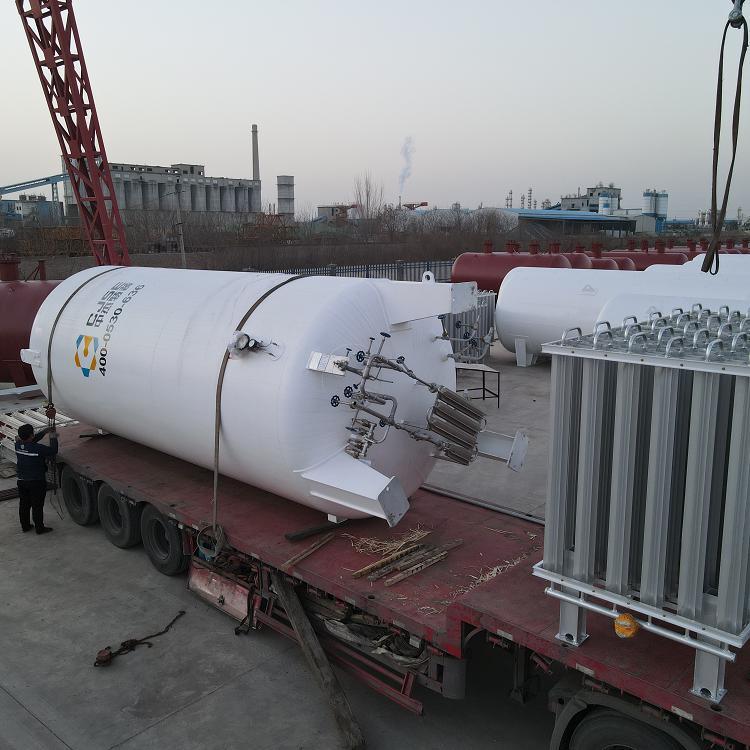

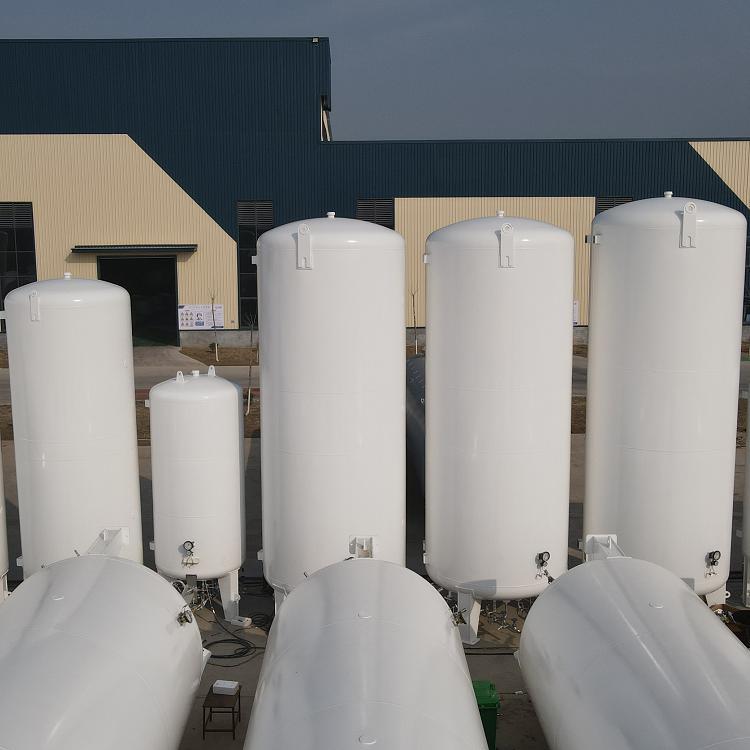
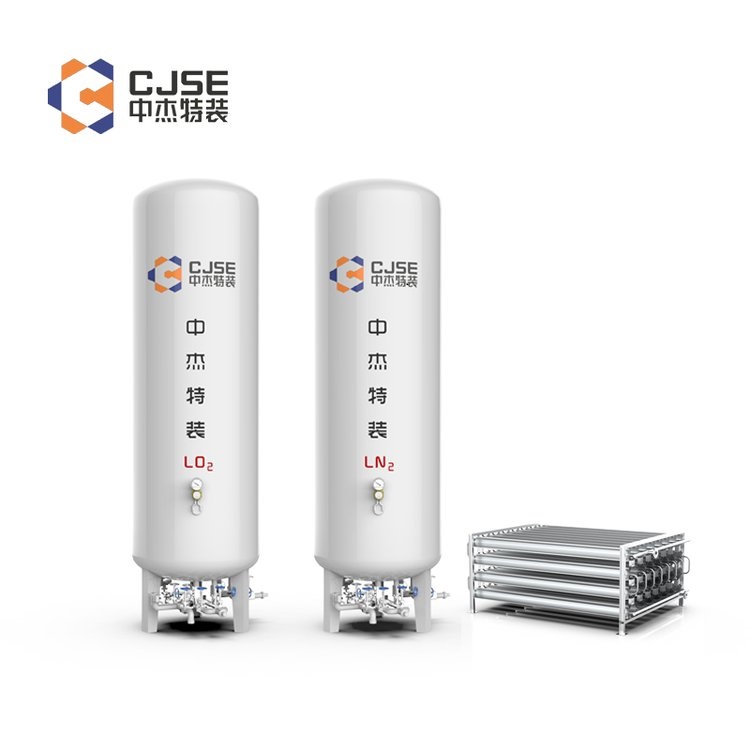


















Shandong Zhongjie Special Equipment Co., Ltd. (formerly Heze Boiler Factory Co., Ltd.) was established in 2001, located at No. 2218 Jinnan Road, Development Zone, Heze City. With a registered capital of 50 million yuan and total assets of 500 million yuan, the company has seven business centers: boilers, deep-freeze containers, pressure vessels, central air conditioning, engineering installation, international trade, and the Internet of Things. It has three factory sites on Jinnan Road, East Changjiang Road, and Bohai Road, covering a total of 200,000 square meters. The main workshop spans 83,000 square meters. Currently, it employs 710 staff, including 247 engineers and technicians, and 82 intermediate-level technical personnel. In December 2016, it was recognized as a "High-tech Enterprise" by the Science and Technology Department. In June 2021, it was named a "Specialized and New Enterprise in Shandong Province" by the Department of Industry and Information Technology. In June 2022, it was identified as a "Gazelle Enterprise in Shandong Province" and in August 2022, as a "Specialized and New Small Giant Enterprise" by the Ministry of Industry and Information Technology.
Material control for low-temperature liquid storage tanks is a crucial aspect in ensuring the safety and reliability of the tanks. The following are some common material control measures:
Material Selection: Choose materials suitable for low-temperature environments, such as low-temperature alloy steel, stainless steel, etc. These materials exhibit excellent low-temperature resistance and crack resistance, maintaining strength and toughness under low-temperature conditions.
Material Quality Control: Ensure the selected materials meet relevant standards and specifications. Conduct chemical composition analysis, mechanical property tests, and impact tests on the materials to guarantee they fulfill the design requirements.
Welding Material Selection: Choose welding materials suitable for low-temperature environments, such as low-temperature welding rods or wires. The welding material should match the storage tank material, and possess good welding properties and crack resistance.
Welding Process Control: Monitor welding process parameters such as current, voltage, and speed to ensure the quality and reliability of weld joints. Methods with low heat input, such as pulsed welding and laser welding, can reduce the temperature gradient and residual stress in the heat-affected zone.
Corrosion Protection Measures: Apply corrosion-resistant treatments to the internal and external metal surfaces of storage tanks to extend their service life. Options include corrosion-resistant coatings and paints to safeguard the metal structure of the tank from corrosion.
Material Performance Monitoring: Regularly monitor the performance of the storage tank materials, such as mechanical property tests,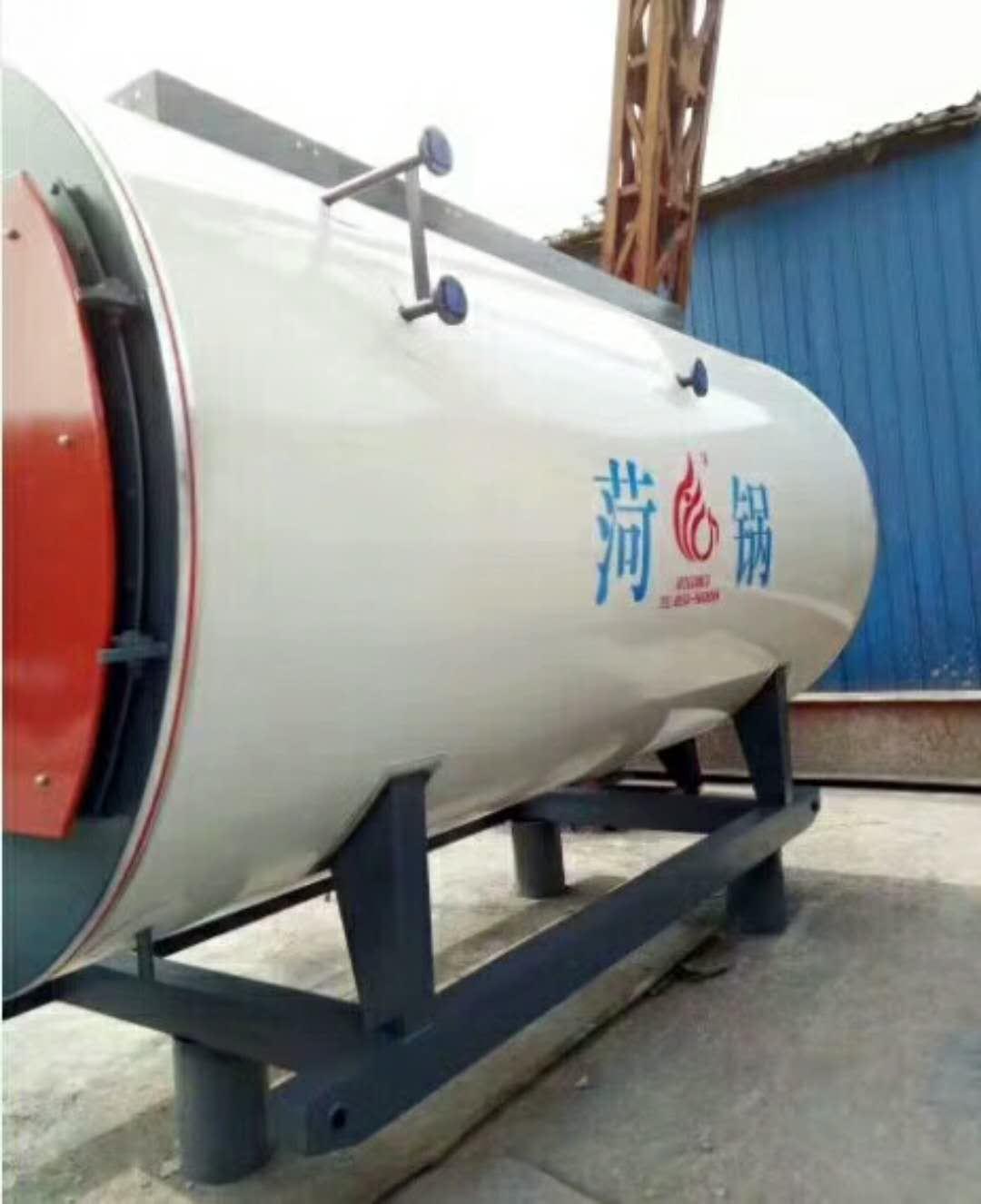
The dimensions and structure of liquid oxygen storage tanks can vary depending on specific requirements and applications. Below are common dimensions and structures of liquid oxygen storage tanks:
Dimensions: The size of liquid oxygen tanks is typically determined by the storage or transportation capacity of liquid oxygen. Common capacities range from a few thousand liters to several hundred thousand liters.
Structure: The structure of the liquid oxygen storage tank mainly includes the inner shell, outer shell, insulation layer, and supporting structure, etc.
Inner Shell: The inner shell of a liquid oxygen tank is designed to store liquid oxygen, commonly made of materials like stainless steel or aluminum alloy, offering excellent corrosion resistance and sealing properties.
Shell: The outer shell of a liquid oxygen tank is the external structure that protects the inner liner, commonly made of carbon steel or stainless steel, featuring adequate strength and corrosion resistance.
Insulation Layer: The insulation layer of liquid oxygen storage tanks is used to reduce heat conduction and loss, maintaining the low temperature state of liquid oxygen. Common insulation materials include polyethylene foam, glass fiber, and aerogel, etc.
Support Structure: The support structure of the liquid oxygen tank is used to support and secure the inner and outer shells of the tank. The support structure is typically made of steel, providing sufficient strength and stability.
The dimensions and structural design of liquid oxygen tanks must consider the properties of liquid oxygen, storage or transportation requirements, safety standards, and other factors. When using liquid oxygen tanks, strict adherence to relevant operational specifications and safety requirements is necessary to ensure safe usage.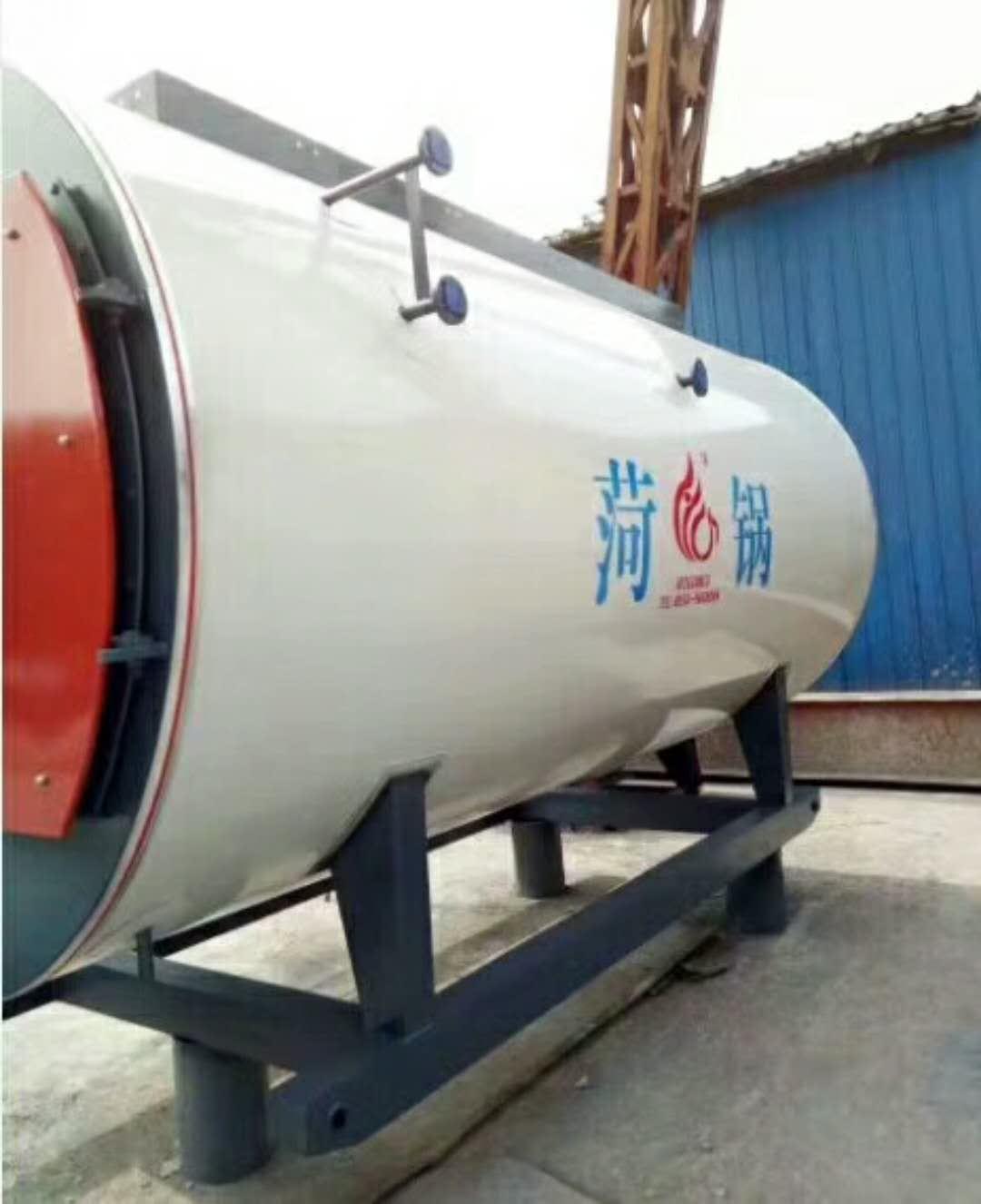
The use of liquid nitrogen storage tanks in rapid freezing technology offers several advantages:
Quick Freezing Speed: With a temperature as low as -196 degrees Celsius, liquid nitrogen can rapidly lower the surface temperature of food. Utilizing a liquid nitrogen tank for quick freezing achieves a fast cooling process. Compared to traditional freezing methods, liquid nitrogen freezing significantly reduces the freezing time while preserving the quality and texture of the food.
Uniformly Frozen Effect: The liquid nitrogen quick-freezing technique achieves rapid and even freezing of food. Liquid nitrogen is喷射ed onto the food surface in a gaseous state, quickly absorbing heat and transforming into a liquid, thereby ensuring even freezing of the food and avoiding crystallization and clumping during the freezing process.
Maintain Food Quality: Liquid nitrogen rapid freezing quickly chills food, reducing crystallization and caking during the freezing process, thereby preserving the quality and texture of the food. During the rapid freezing process, liquid nitrogen rapidly lowers the surface temperature of the food, forming tiny frozen structures that effectively retain the moisture and nutritional content of the food.
Flexibility and Adaptability: Liquid nitrogen tanks can be adjusted and controlled to accommodate different types of food and freezing requirements. The injection speed and angle of liquid nitrogen can be modified based on the size, shape, and freezing needs of the food, to achieve optimal freezing results.
Environmental protection and energy saving: Liquid nitrogen quick-freezing technology is more energy and resource-efficient compared to traditional freezing methods. Liquid nitrogen evaporates rapidly during the freezing process, causing environmental pollution and generating waste water and gas.
Note that when using liquid nitrogen tanks for flash freezing, it is essential to follow the relevant safety operating procedures and guidelines. Ensure that operators have the necessary safety awareness and operational skills to prevent accidental incidents. Additionally, consult
Carbon dioxide and liquid oxygen tanks are containers used for storing different gases; they have some distinct physical properties:
Physical State: Carbon dioxide is a gas at room temperature and pressure, and it needs to be at low temperatures and high pressures to convert into a liquid state. Liquid oxygen is a liquid at room temperature, and it needs to be at low temperatures to convert into a solid state.
Boiling and Freezing Points: The boiling point of carbon dioxide is -78.5 degrees Celsius, and its freezing point is -56.6 degrees Celsius. The boiling point of liquid oxygen is -183 degrees Celsius, and its freezing point is -218.8 degrees Celsius. The boiling and freezing points of liquid oxygen are significantly lower than those of carbon dioxide.
Density: The density of liquid oxygen is relatively high, at about 1.14 grams per cubic centimeter. Carbon dioxide has a lower density, approximately 0.00198 grams per cubic centimeter. The density of liquid oxygen is about 570 times that of carbon dioxide.
Pressure: Liquid oxygen has a high pressure, usually in the range of several tens to hundreds of megapascals (MPa). Carbon dioxide has a lower pressure, typically within a few megapascals (MPa).
Safety: Liquid oxygen has a high oxygen content, which is prone to cause fires and explosions. Carbon dioxide also poses asphyxiation risks at certain concentrations.
It's important to note that both carbon dioxide and liquid oxygen are highly flammable and explosive substances. They must be stored and used in strict accordance with relevant safety operating procedures and standards, and necessary safety measures must be taken to ensure the tank's safety and stability.
Chungjie Special Equipment adheres to the grand vision of "realizing employees' dreams, creating value for customers, and striving for the prosperity and strength of our motherland," devoting itself to the development of green energy equipment industry. We offer products and services with high cost-performance to contribute to society!
WeChat Official Account

Scan to follow Official Account



















