


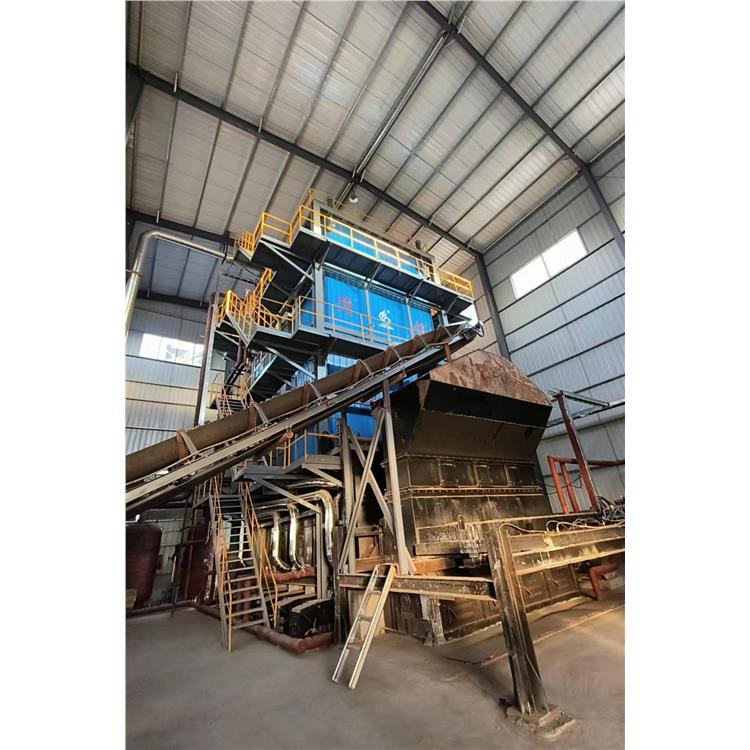

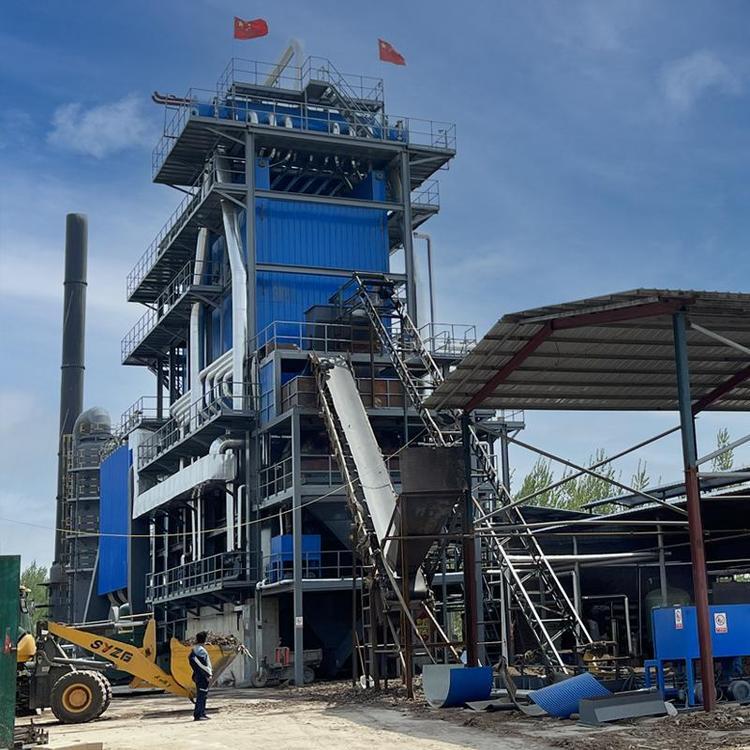
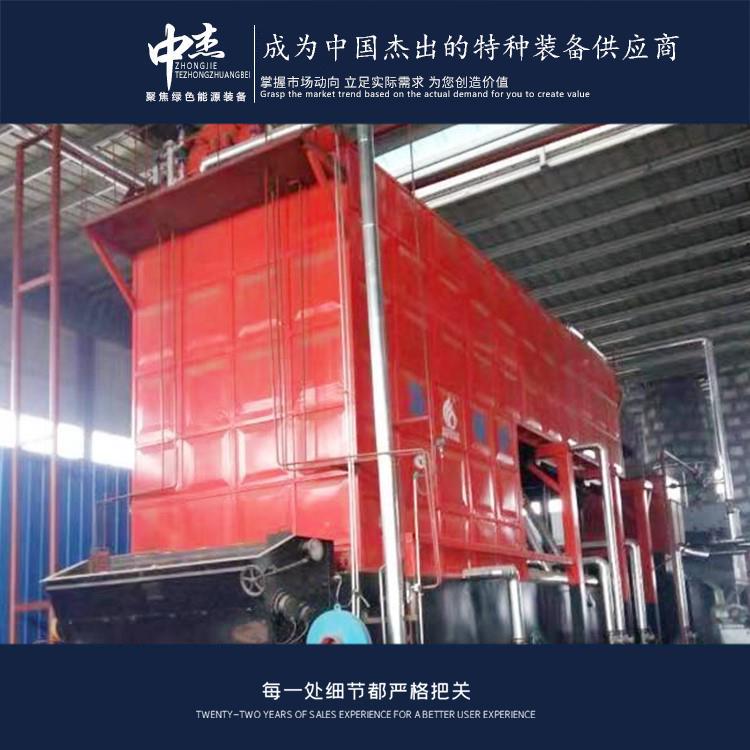


















Shandong Zhongjie Special Equipment (formerly Heze Boiler Factory Co., Ltd.) holds an A-grade boiler manufacturing license, an A2-grade pressure vessel manufacturing license, an A2-grade pressure vessel design license, a B-grade boiler installation license, and GB2/Class and GC2/Class pressure pipeline installation licenses, as well as a mechanical and electrical equipment installation contracting qualification. It is a member of the China Boiler and Water Treatment Association, the China Chemical Equipment Association, and the council member of the Shandong Equipment Manufacturing Association. The company has also passed the ISO9001 Quality Management System, ISO14001 Environmental Management System, OHSAS18001 Occupational Health and Safety Management System certifications, and the American ASME/U2 certification.
Biomass boilers can achieve energy conservation and emission reduction through the following methods:
Combustion Technology: The biomass boiler employs combustion technologies such as fluidized bed combustion and pellet combustion, which enhance combustion efficiency, allowing for more thorough fuel utilization and reducing energy waste.
Heat Recovery Utilization: During the combustion process of biomass boilers, a large amount of heat energy is contained in the flue gas, which can be recovered and utilized through a flue gas waste heat recovery system. For instance, by using a flue gas waste heat boiler or a flue gas heat exchanger, the heat energy in the flue gas is converted into hot water, steam, or other forms of heat energy, thereby enhancing energy utilization efficiency.
Control combustion parameters: Biomass boilers can achieve optimal combustion by adjusting parameters such as combustion temperature and oxygen supply. Rational combustion parameters enhance efficiency, reduce fuel consumption, and minimize emissions.
Fuel Quality Control: Selecting biomass fuel with high moisture content and low ash, such as, can enhance combustion efficiency and reduce the generation of ash and pollutants.
Regular maintenance and cleaning: Perform regular maintenance and cleaning on biomass boilers to remove ash and carbon deposits from the combustion chamber and flue, ensuring the boiler operates and burns normally.
Our Control System: Utilizes an automatic control system that can monitor and adjust the operational status of biomass boilers in real-time, ensuring the stability of the combustion process.
Through these measures, biomass boilers can achieve energy conservation and emission reduction, improve energy utilization efficiency, reduce carbon emissions and the generation of pollutants, and be more environmentally friendly.
The dust removal technology for coal-fired boilers aims to reduce particulate emissions during the combustion process, protecting the environment and improving air quality. The following are several common coal-fired boiler dust removal technologies:
Mechanical Dust Collectors: Mechanical dust collectors are among the common dust removal equipment, separating particulate matter from flue gas through physical principles. Common types include gravity dust collectors, inertial dust collectors, bag dust collectors, etc. The working principle of mechanical dust collectors is to utilize the inertia, gravity, or filtering effect of particles to separate them from the flue gas.
Electrostatic Precipitator: An electrostatic precipitator charges particles in flue gas using an electric field, and then collects the charged particles using the force of the electric field. There are two types of electrostatic precipitators: dry and wet. Dry electrostatic precipitators are suitable for high-temperature flue gas, while wet electrostatic precipitators are suitable for flue gas with high humidity.
Wet-type Dust Collector: Wet-type dust collectors utilize spray water or other liquids to wet the particulates in flue gas, and then separate the wetted particulates from the flue gas through gravity or inertial force. They are suitable for the treatment of flue gas with high humidity and sticky particulates.
Electrostatic Precipitator: The electrostatic precipitator utilizes the force of the electric field to charge the particulates in flue gas, then collects the charged particles by the action of the electric field. Suitable for the treatment of high-temperature flue gas and fine particulates.
Integrated dedusting technology: The integrated dedusting technology combines the processes of desulfurization and dust removal into one, achieving integrated treatment by sharing equipment and jointly processing flue gas. This technology can reduce the footprint of equipment, lower investment and operational costs.
Above are common coal-fired boiler dust removal technologies. Different dust removal technologies are suitable for different flue gas and particulate matter characteristics. In actual application, a suitable combination of dust removal technologies can be chosen based on specific conditions to achieve the goal of reducing particulate matter emissions.
When installing biomass boilers, the following points should be noted:
Safety Distance: Biomass boilers should maintain an adequate safety distance from other equipment, buildings, etc., to prevent fires and safety accidents.
Ventilation and Exhaust: Biomass boilers require an effective ventilation and exhaust system to ensure that flue gases produced during the combustion process are promptly discharged, preventing accumulation indoors and harm to human health.
Fuel Storage: Biomass boilers require appropriate fuel storage facilities, such as fuel silos or storage areas. The fuel storage area should be dry, well-ventilated, and fire prevention measures should be in place to prevent spontaneous combustion and fires.
Pipe Connections: Pipe connections for biomass boilers must be secure and reliable to ensure normal operation of fuel supply, flue gas exhaust, and water circulation. Appropriate sealing materials should be used at the pipe connection points to prevent leaks and energy loss.
Control System: The control system of the biomass boiler should be reliable and stable, capable of accurately controlling and adjusting parameters such as temperature, pressure, and fuel supply. The control system should be equipped with safety protection features, such as overheat protection and low water level protection.
Regular Maintenance: Biomass boilers require regular maintenance and care, including cleaning the combustion chamber, inspecting pipes and valves, and clearing the flue and dust removal equipment. Regular maintenance ensures the normal operation and combustion of biomass boilers.
Regulatory Requirements: When installing biomass boilers, it is necessary to comply with relevant laws, regulations, and standards, such as safety production regulations and environmental protection requirements. Ensure that the installation of biomass boilers meets specifications to guarantee safety and environmental protection.
Above are some items to be noted when installing biomass boilers, ensuring safe and environmentally friendly operation. During the installation process, be
There are several common types of biomass energy-saving steam boilers:
Biomass Chain Grate Boiler: The biomass chain grate boiler utilizes a chain feeding system to deliver biomass fuel into the furnace for combustion. The chain feeding system allows for continuous feeding, making it suitable for larger-scale biomass steam boilers.
Biomass Circulating Fluidized Bed Boilers: These boilers utilize circulating fluidized bed combustion technology, mixing biomass fuel with a fluidizing medium (such as sand) to burn at high temperatures. They offer advantages such as high combustion efficiency and strong fuel adaptability.
Biomass Pellet Boilers: Biomass pellet boilers are specifically designed for burning biomass pellet fuel. They feature high combustion efficiency and stability, making them suitable for small and medium-sized biomass steam boilers.
Biomass Gasification Boilers: Biomass gasification boilers utilize gasification technology to convert biomass fuel into combustible gases, which are then burned to produce steam. These boilers offer advantages such as utilizing biomass energy and reducing pollution emissions.
Biomass Hot Air Furnace: A biomass hot air furnace is a device that utilizes biomass fuel to generate high-temperature hot air, suitable for industrial production processes such as drying and heating. It boasts features like energy-saving and environmental protection.
These types of biomass energy-saving steam boilers have their own characteristics and suitability in different application scenarios, and the appropriate type can be chosen according to actual needs.
Zhongjie Special Equipment upholds the grand vision of "realizing employees' dreams, creating value for customers, and striving for the prosperity and strength of our motherland," and is dedicated to the development of the green energy equipment industry, devoting high-value products and services to society!
WeChat Official Account

Scan to follow Official Account



















