


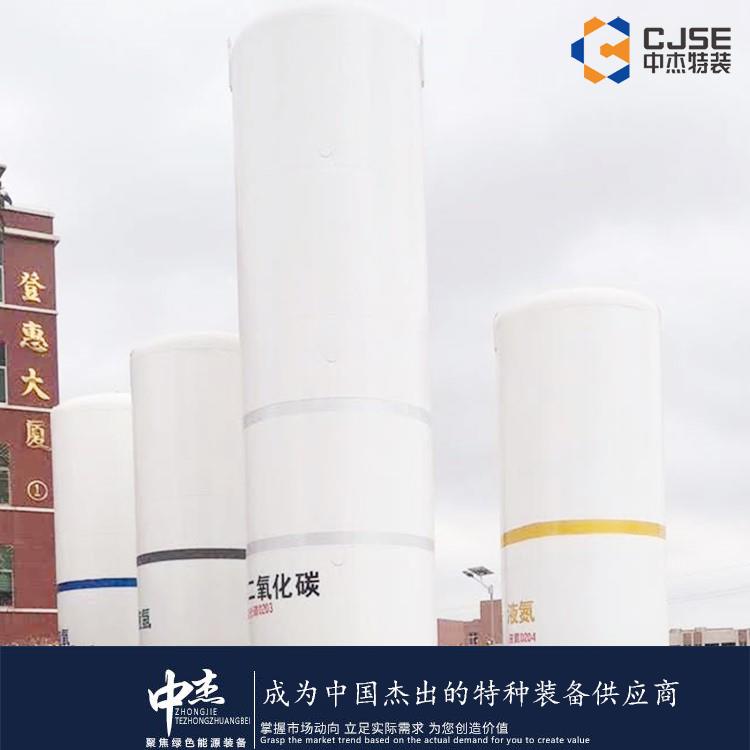

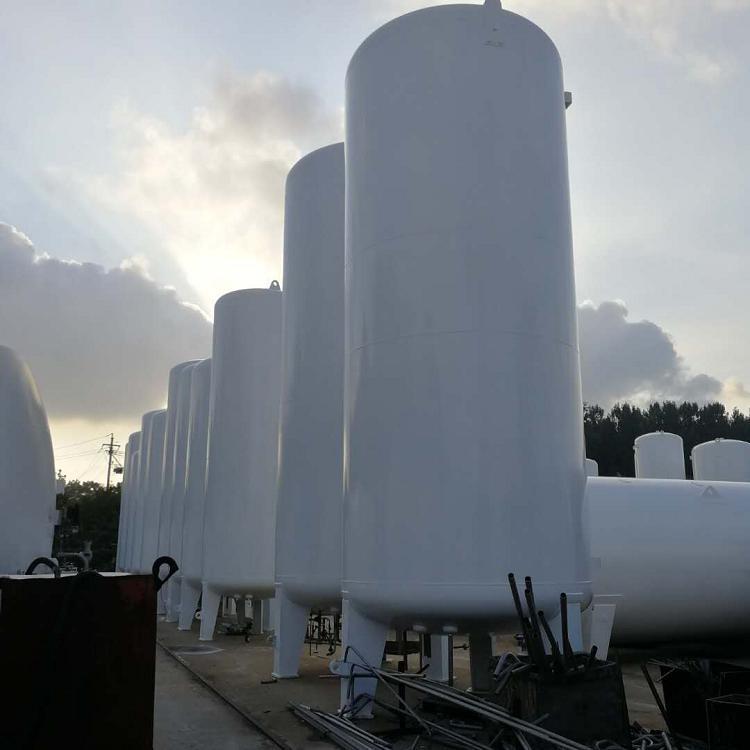
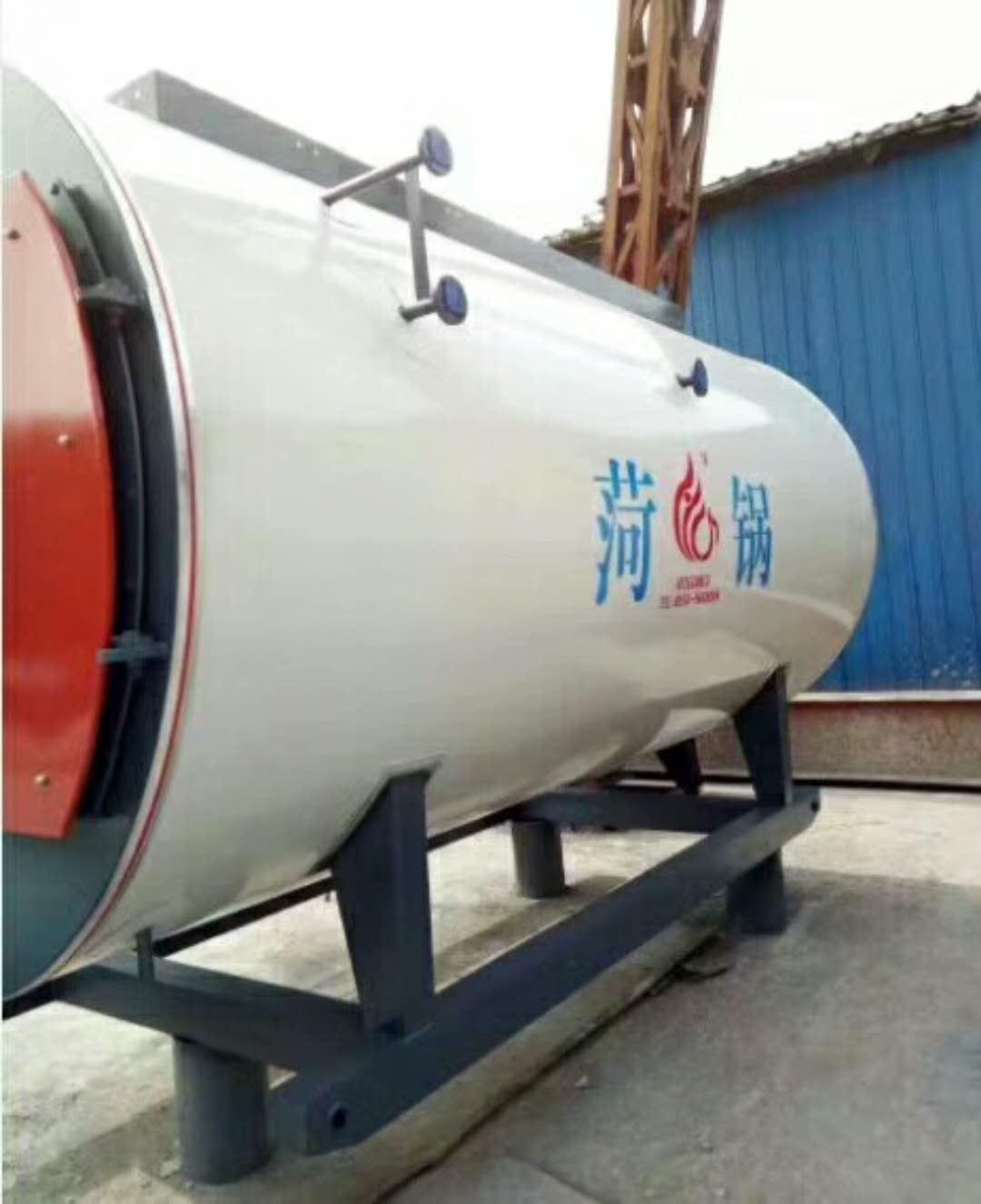


















Shandong Zhongjie Special Equipment's main products include: fuel (gas) boilers, organic heat carrier boilers, biomass boilers, waste heat recovery boilers, and other boiler products; vacuum insulation cryogenic pressure vessels such as LNG storage tanks, oxygen/nitrogen/argon storage tanks, and CO2 storage tanks; pressure vessel products like denitrification engineering equipment, heat storage and energy storage equipment, and complete chemical equipment sets; central air conditioning and ventilation equipment such as ground (water) source heat pumps, air source units, water-cooled screw units, and air-cooled modular units. Planned products include large-scale energy centers, LNG transport vehicles, and LNG tank containers, among other green energy equipment.
The safety distance for liquid oxygen storage tanks refers to the distance that must be maintained around the tank to ensure the safety of personnel and equipment. The specific requirements for safety distances may vary depending on different regions and application sites. Here are some common principles for safety distances:
- Buildings and Equipment: Liquid oxygen storage tanks should be kept at a certain distance from buildings, equipment, and other storage tanks to prevent the spread of fires, explosions, and leaks. The specific safety distance requirements should be assessed and determined according to local regulations and standards.
- Ignition and Heat Sources: Liquid oxygen is highly oxidizing and can easily cause fires and explosions. Therefore, liquid oxygen storage tanks should be kept at a sufficient distance from ignition sources, heat sources, and flammable materials to prevent fires and explosions.
- Ventilation and Exhaust: Good ventilation and exhaust should be maintained around liquid oxygen storage tanks to prevent the accumulation of evaporated oxygen and the formation of explosive mixtures. The design and operation of the ventilation and exhaust system should comply with relevant safety standards and regulations.
- Personnel and Traffic: Personnel and traffic around liquid oxygen storage tanks should be restricted and controlled to ensure personnel safety and the normal operation of the tank. Warning signs, safety fences, and restricted areas should be established to prevent unauthorized personnel from entering the tank area.
It is important to note that the safety distance for liquid oxygen storage tanks should be assessed and determined based on the specific application site and safety requirements. When designing, installing, and operating liquid oxygen storage tanks, relevant regulations, standards, and safety guidelines should be followed to ensure the safety and reliability of the tank.
The process of adjusting and supplying oxygen using liquid oxygen storage tanks generally includes the following steps:
Liquid Oxygen Storage Tank Oxygen Supply System: Typically, a liquid oxygen storage tank oxygen supply system is installed, which includes a liquid oxygen storage tank, liquid oxygen transmission pipeline, and pressure regulating devices. The liquid oxygen in the storage tank is transported through the pipeline to the pressure regulating device.
Pressure Regulator: The pressure regulator is used to convert high-pressure liquid oxygen into the required low-pressure oxygen. It typically includes a pressure valve, a reducer, and a flowmeter. The pressure valve is used to control the oxygen pressure, the reducer is used to reduce the high-pressure liquid oxygen to the required low pressure, and the flowmeter is used to measure the oxygen flow rate.
Oxygen Transmission Pipeline: Low-pressure oxygen from the pressure-reducing unit is transported through the pipeline to areas requiring oxygen supply, such as patient rooms and operating rooms. The transmission pipeline is typically made of stainless steel or plastic, offering excellent airtightness and corrosion resistance.
Oxygen Interface: Install oxygen interfaces at locations requiring oxygen supply, such as hospital beds or operating tables. Oxygen interfaces typically include oxygen flow regulators and connectors, used for adjusting oxygen flow and connecting to oxygen masks or tubes.
Oxygen Supply and Regulation: Adjust the pressure and flow of oxygen by regulating the pressure valve of the pressure regulator. Modify the flow and concentration of oxygen according to the patient's needs to ensure they receive an adequate oxygen supply.
Note that when using liquid oxygen storage tanks for pressure regulation and oxygen supply, it's essential to adhere to the relevant equipment operation and safety procedures. Operators must have the necessary training and skills to ensure the smooth and safe operation of the oxygen supply system. Additionally, regular inspections and maintenance of the system's equipment and pipelines are required to ensure proper functioning and reliability.
During the welding process of low-temperature liquid storage tanks, controlling the occurrence of welding cracks is crucial. The following are some methods and measures for controlling welding cracks:
Appropriate Welding Processes: Select the appropriate welding process and parameters to minimize welding heat input and thermal stress. Employ low heat input welding methods such as pulsed welding and laser welding to reduce the temperature gradient and residual stress in the welding heat-affected zone.
Preheating and Post-Weld Heat Treatment: Perform appropriate preheating before welding to enhance material toughness and reduce thermal stress. Conduct a suitable post-weld heat treatment, such as annealing or stress-relief heat treatment, to minimize residual stress and improve weld toughness.
Select appropriate welding materials: Choose welding materials with good toughness and crack resistance to minimize the occurrence of welding cracks. Select the appropriate welding material based on the storage tank's usage conditions and requirements, such as low-alloy steel, stainless steel, etc.
Control Welding Process: Regulate parameters and operations during the welding process to minimize the risk of welding cracks. Pay attention to factors such as welding speed, current, voltage, and welding sequence to avoid overheating or rapid welding, thereby reducing the accumulation of thermal and residual stresses.
Non-destructive Testing and Evaluation: After welding is completed, conduct non-destructive testing of the welds, such as ultrasonic testing, X-ray testing, etc., to assess welding quality and the presence of cracks. Promptly detect and repair welding cracks to ensure the integrity and safety of the weld joints.
It's important to note that controlling welding cracks is a complex process, requiring a comprehensive consideration of factors such as materials, welding techniques, and operations. When welding low-temperature liquid storage tanks, it's advisable to consult with a welding engineer or relevant institutions for guidance to ensure both welding quality and tank safety.
To prevent hazards caused by static electricity in liquid oxygen storage tanks, the following measures can be taken:
Grounding: Ensure proper grounding of the liquid oxygen storage tank and associated equipment. Grounding allows the release of static electricity to the ground, reducing the likelihood of static buildup. Metal components such as tanks and pipes should be connected to a reliable grounding system.
Static Dissipative Materials: Utilize static dissipative materials to reduce the accumulation of static electricity. For instance, apply conductive coatings or materials on the insulating layer of liquid oxygen tanks and pipelines to discharge static electricity to the ground.
Static Dissipative Equipment: Utilize static dissipative equipment, such as static conductive pipes and hoses, to minimize the accumulation and release of static electricity. These devices assist in grounding static electricity, reducing the occurrence of static sparks.
Static grounding wire: Install static grounding wires on liquid oxygen storage tanks and related equipment to discharge static electricity to the ground. These grounding wires should be connected to a reliable grounding system and be inspected and maintained regularly.
Static Eliminators: Use static eliminators to dissipate static electricity. These devices neutralize static by releasing opposite charges, reducing static buildup and the occurrence of sparks.
Electrostatic Safety Training: Conduct electrostatic safety training for personnel handling liquid oxygen tanks to enhance their awareness and preventive measures against electrostatic hazards. Training content may include the principles of electrostatic formation, preventive measures, and emergency response procedures.
It is important to note that the anti-static measures for liquid oxygen tanks should be designed and implemented by personnel, adhering to relevant safety operation procedures and standards. During operation, operations must be strictly carried out according to the prescribed procedures to prevent the generation of static sparks, ensuring the tank's
Zhongjie Special Equipment adheres to the great vision of "realizing employees' dreams, creating customer value, and striving for the prosperity and strength of our motherland," devoting itself wholeheartedly to the development of green energy equipment. We dedicate high-value products and services to society!
WeChat Official Account

Scan to follow Official Account



















