


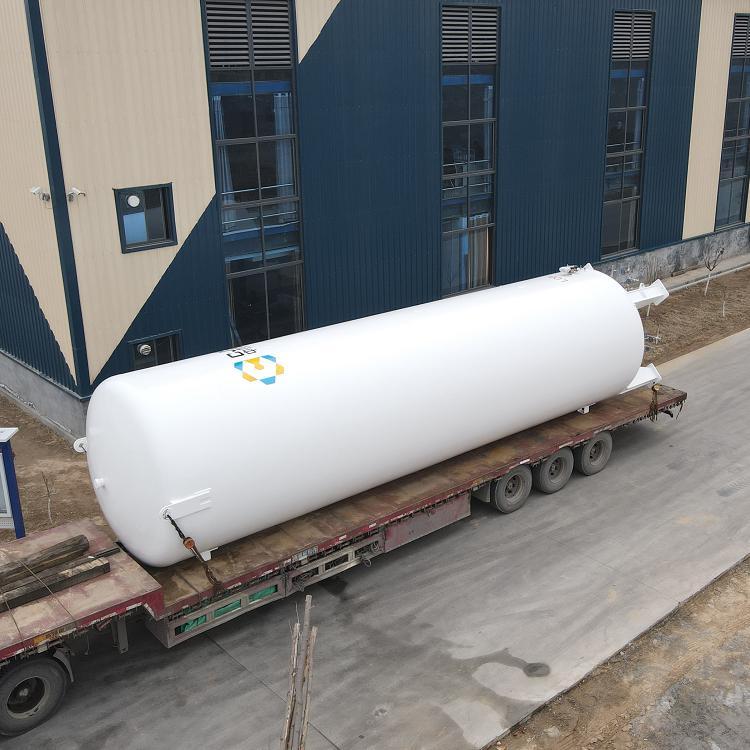

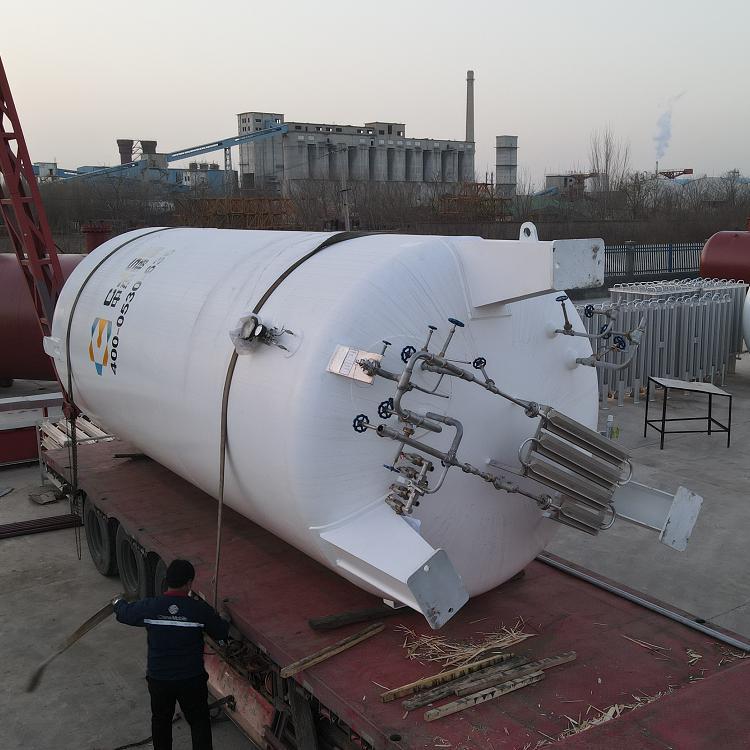
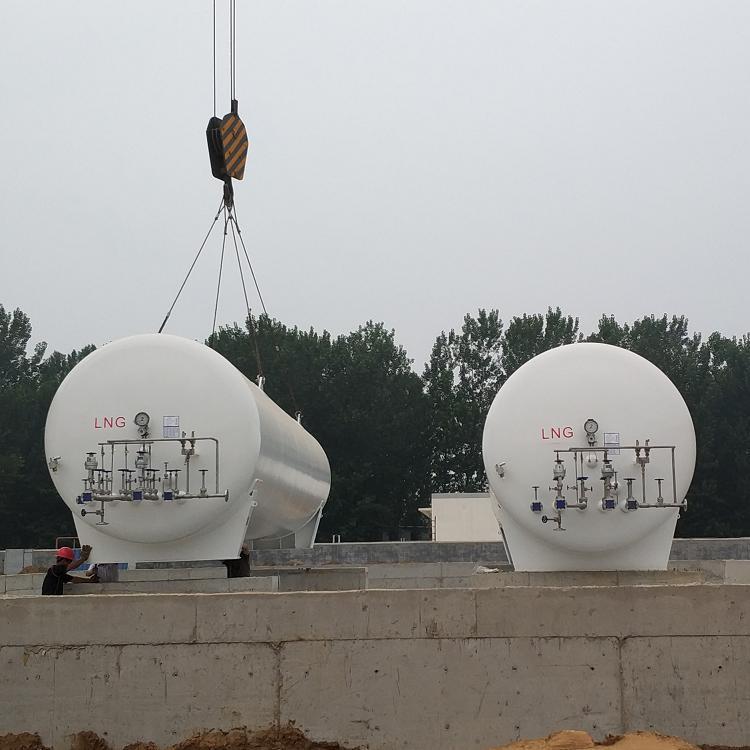


















Shandong Zhongjie Special Equipment (formerly Heze Boiler Factory Co., Ltd.) was established in 2001, located at No. 2218 Jinnan Road, Economic and Technological Development Zone, Heze City. With a registered capital of 50 million yuan and total assets of 500 million yuan, the company has seven business centers: boilers, deep-freeze containers, pressure vessels, central air conditioning, engineering installation, international trade, and the Internet of Things. It has three factory sites on Jinnan Road, East Changjiang Road, and Bohai Road, covering a total of 200,000 square meters, with the main workshop area being 83,000 square meters. Currently, there are 710 employees, including 247 engineers and technicians, and 82 intermediate-level technicians. In December 2016, it was recognized as a "High-tech Enterprise" by the Science and Technology Department. In June 2021, it was identified as a "Specialized and New Enterprise in Shandong Province" by the Ministry of Industry and Information Technology. In June 2022, it was recognized as a "Gazelle Enterprise in Shandong Province" and in August 2022, it was identified as a "Specialized and New Small Giant Enterprise" by the Ministry of Industry and Information Technology.
Construction features of CO2 storage tanks mainly include the following aspects: Material selection: CO2 storage tanks are typically made of carbon steel or stainless steel to ensure their corrosion resistance and pressure-bearing performance. Welding process: The welding process of the tank is crucial for its quality and safety. The welding process should comply with relevant standards and specifications to ensure the quality and strength of the welds. Corrosion prevention measures: Due to the corrosive nature of CO2, both the internal and external surfaces of the tank should be treated with corrosion prevention. Common corrosion prevention measures include spraying corrosion-resistant paint, applying a corrosion-resistant coating, or using corrosion-resistant coatings. Safety valves and pressure sensors: The tank should be equipped with safety valves and pressure sensors to monitor and control the internal pressure of the tank, ensuring safe operation. Steps for properly installing a CO2 storage tank are as follows: Site preparation: Choose an appropriate site for installation, ensuring the site is level, stable, and meets safety distance requirements. Clear the site to ensure there are no obstructions or fire sources. Foundation construction: Construct the foundation based on the size and weight of the tank. The foundation should have sufficient strength and stability to support the weight and pressure of the tank. Tank installation: Place the tank on the foundation, ensuring there is appropriate padding and fastening devices between the tank and the foundation. Connect and secure the tank according to the design requirements. Pipe connection: Connect the tank to the piping system as needed. Ensure that the connections are sealed properly to prevent leaks. Safety equipment installation: Install the necessary safety equipment for the tank, such as safety valves, pressure sensors, temperature sensors, etc. Ensure these facilities are correctly installed and connected.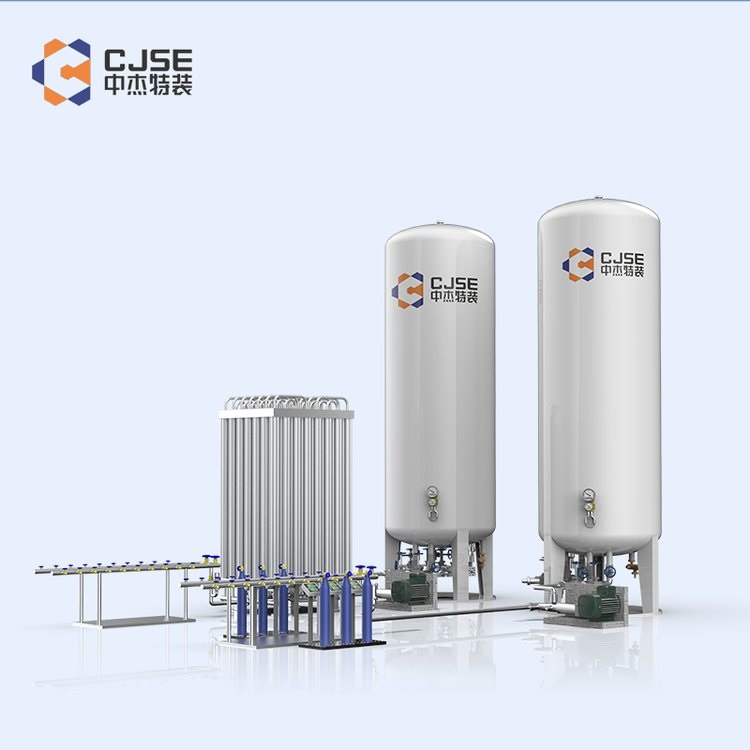
In recent years, the surge in the development of low-temperature liquid storage tanks can be attributed to the following factors:
1. Increased energy demand: As the economy grows and the population expands, the demand for energy continues to rise. Low-temperature liquid storage tanks are primarily used for storing liquefied natural gas (LNG), liquid oxygen (LOX), and liquid nitrogen (LIN), among other low-temperature liquid energy sources, to meet the growing energy needs.
2. Greenhouse gas emission reduction: These tanks can store and transport liquid carbon dioxide (CO2) for carbon capture and storage (CCS) technologies, helping to reduce greenhouse gas emissions. With heightened awareness of environmental protection and climate change, the demand for low-temperature liquid storage tanks in the CCS field has also increased.
3. Industrial development needs: The application of low-temperature liquid storage tanks in the industrial sector is also on the rise. For instance, in industries such as chemicals, pharmaceuticals, food and beverage, there is a need to store and transport low-temperature liquid raw materials or products, like liquid nitrogen, liquid oxygen, and liquid ethylene. As these industries develop, so does the demand for low-temperature liquid storage tanks.
4. Technological advancement and innovation: In recent years, there have been continuous advancements and innovations in the design, manufacturing, and transportation of low-temperature liquid storage tanks. The application of new materials, optimization of tank structures, and improvements in safety control systems have made these tanks safer and more reliable, further propelling their peak development.
In summary, factors such as increased energy demand, greenhouse gas emission reduction, industrial development needs, and technological advancement and innovation have collectively driven the peak development of low-temperature liquid storage tanks in recent years. As related industries continue to grow and technology advances, these trends are expected to persist.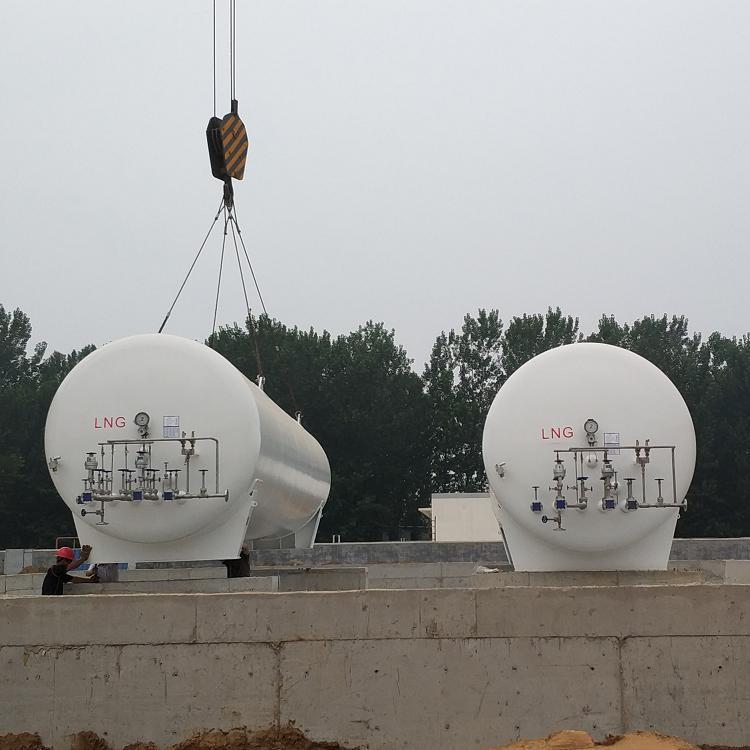
The installation of a safety valve on a CO2 storage tank is a crucial measure to ensure the tank can safely release pressure in the event of overpressure. Here are general installation steps:
Select an appropriate safety valve: Choose a safety valve based on the tank's design pressure and flow requirements, ensuring the rated pressure and flow of the safety valve meet the tank's specifications.
Installation location: Select a suitable location for the safety valve, typically on the top or side of the tank. Ensure the safety valve can discharge pressure smoothly and is not obstructed by other equipment or structures.
Preparation: Clean the tank surface at the installation location, ensuring there is no debris or dirt. Check the tightness of the safety valve and connecting pipes, ensuring there are no damages or leaks.
Install the safety valve: Connect the safety valve to the tank using appropriate fasteners and sealing materials. Follow the installation instructions for the safety valve to ensure a secure and reliable connection.
Adjustment and testing: Adjust and test the safety valve according to its specifications and requirements. Ensure the safety valve operates normally within the set pressure range and can release pressure in a timely manner.
Identification and record: Label relevant information on the safety valve and tank, such as the rated pressure and flow of the safety valve, installation date, etc. Record the installation process and test results for future reference and maintenance.
Please note that installing a CO2 storage tank safety valve must follow relevant safety operation procedures and standards. If you lack the necessary knowledge and experience, it is recommended to consult with personnel or manufacturers for installation.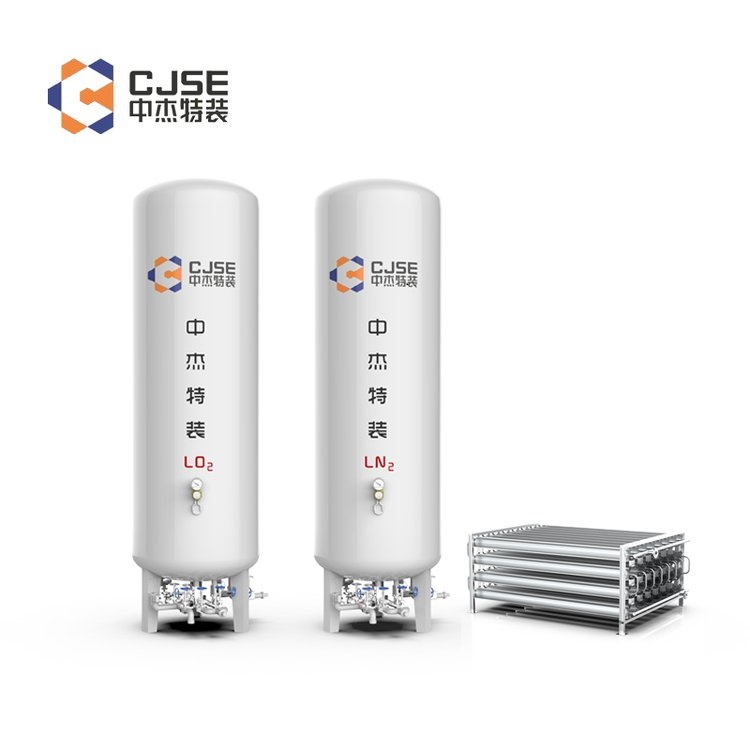
Detailed parameters for carbon dioxide tanks may vary depending on specific design and usage requirements. Here are some common parameters for carbon dioxide tanks:
- Capacity: The capacity of carbon dioxide tanks can vary according to needs, with common ranges from a few thousand to tens of thousands of liters.
- Pressure: The design working pressure for carbon dioxide tanks typically falls between 15-25 MPa (Megapascals), with the specific pressure depending on the application and usage needs.
- Material: Carbon dioxide tanks are usually made of high-strength materials like carbon steel or stainless steel. The choice of material depends on the storage environment and requirements.
- Dimension: The physical dimensions of carbon dioxide tanks also vary based on capacity and design. Common shapes include cylindrical, spherical, or cuboid.
- Level Control: Carbon dioxide tanks usually come with level control systems for monitoring and controlling the liquid level of carbon dioxide. These systems typically include level sensors and control valves.
- Pressure Control: Internal pressure control systems are often installed in carbon dioxide tanks to monitor and control the gas pressure within. These systems usually include pressure sensors and safety valves.
It's important to note that specific parameters for carbon dioxide tanks may differ among manufacturers, application scenarios, and standards. When selecting and using carbon dioxide tanks, it's essential to follow relevant safety operating procedures and guidelines, and consult with experts to obtain accurate parameter information.
Shandong Zhongjie Special Equipment, welcome customers to our factory for business discussions.
WeChat Official Account

Scan to follow Official Account



















