


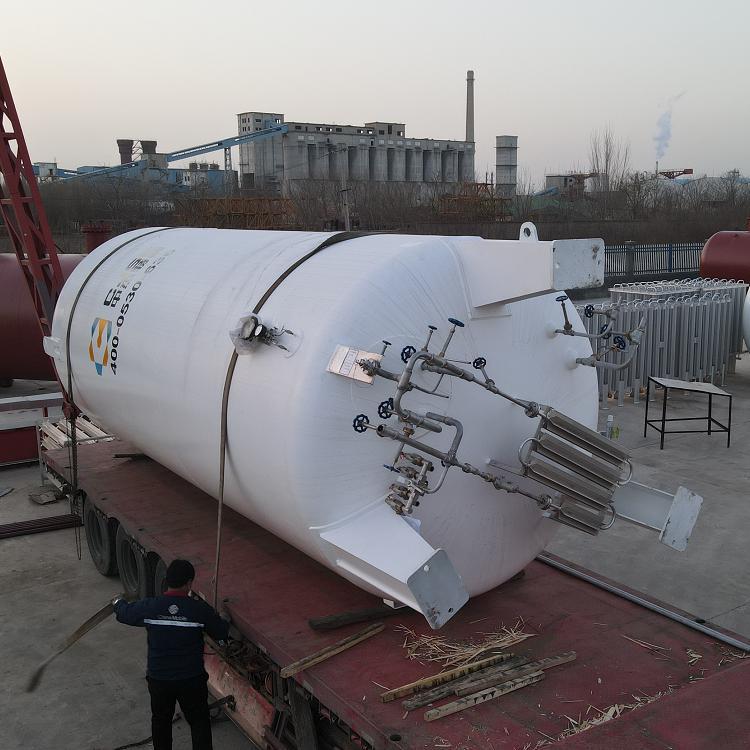

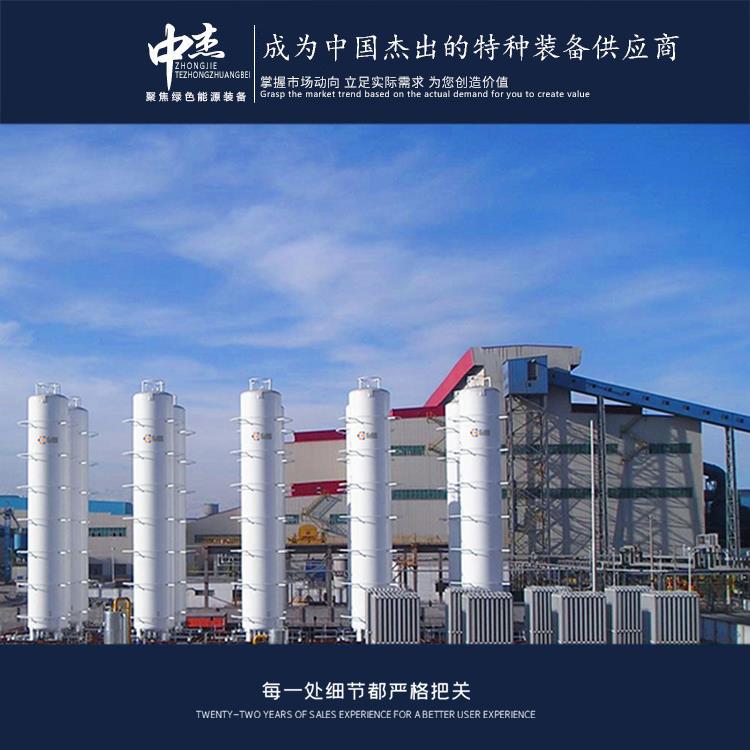
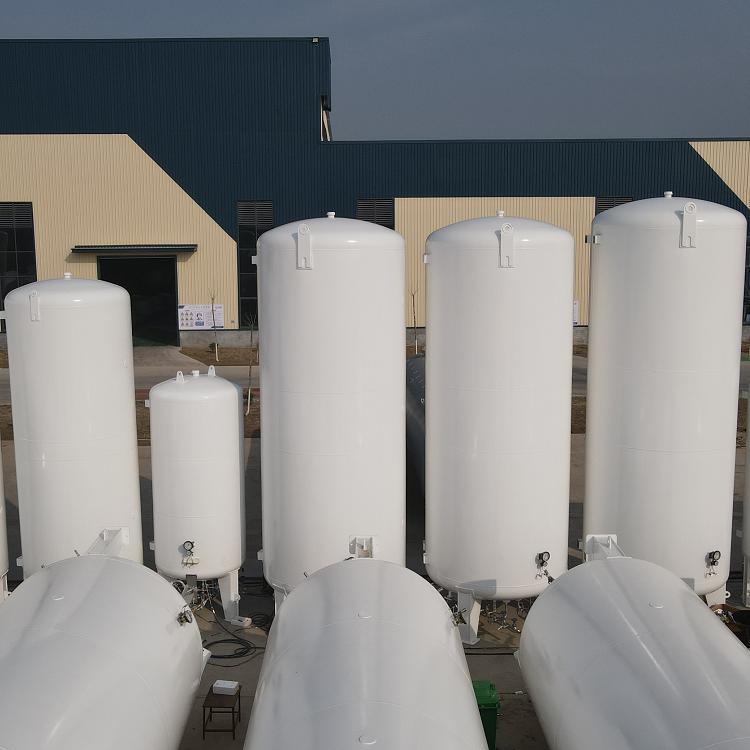


















Shandong Zhongjie Special Equipment (formerly Heze Boiler Factory Co., Ltd.) holds an A-grade boiler manufacturing license, A2-grade pressure vessel manufacturing license, A2-grade pressure vessel design license, B-grade boiler installation, and GB2, GC2 class pressure pipeline installation licenses, as well as equipment and mechanical installation contracting qualifications. It is a member of the China Boiler and Water Treatment Association, the China Chemical Equipment Association, and the council member of the Shandong Equipment Manufacturing Association. The company has also passed the ISO9001 Quality Management System, ISO14001 Environmental Management System, OHSAS18001 Occupational Health and Safety Management System certifications, and the U.S. ASME/U2 certification.
A hydrostatic test of a liquid nitrogen tank is a common testing method used to inspect the tank's sealing and pressure resistance. Below are the general steps for a hydrostatic test of a liquid nitrogen tank:
Preparation: Ensure the tank is clean inside and that all gases and liquids have been emptied. Check the tank's sealing and safety devices for proper functioning.
Fill with water: Fill the interior of the tank with water, ensuring the water level is above the low water line. Pump or other appropriate methods can be used for filling.
Apply Pressure: Gradually increase the water pressure using a pressure pump or other pressure source until the predetermined test pressure is reached. The test pressure is typically 1.1 times the design working pressure of the tank.
Pressure Maintenance: After reaching the test pressure, maintain it for a period of time (usually 30 minutes to 1 hour), and observe for any abnormal conditions such as leaks or deformation in the tank.
Pressure Relief: Gradually release pressure, draining water from the tank until it is completely emptied.
Inspection and Evaluation: Check for leaks, deformation, or any other damage on the tank's surface and interior. Evaluate test results to ensure the tank meets design specifications and safety standards.
需要注意的是,液氮储罐水压试验需要由人员进行操作,并遵循相关的安全操作规程。在进行测试前,应仔细阅读和遵守储罐制造商提供的操作指南和安全注意事项。
The Zhongjie liquid oxygen storage tank boasts the following notable advantages:
Material: Made of stainless steel, offering excellent corrosion and high-temperature resistance, ensuring the long-term stable operation of the storage tank.
Manufacturing Process: The adopted manufacturing processes and equipment ensure the quality and precision of the tank's construction, meeting the process requirements.
Safety and Reliability: Tanks are constructed to stringent design and manufacturing standards, equipped with safety valves, pressure sensors, and other safety devices to ensure they operate within normal working pressure ranges and are capable of handling emergencies.
Energy-saving: Tanks are equipped with optimized insulation design and materials, reducing energy loss and enhancing energy utilization efficiency.
High Capacity: The storage tank features a large capacity design, capable of meeting the liquid oxygen storage needs of various scales and requirements.
Flexible and Adjustable: The storage tank features a design that allows for capacity adjustments and expansions based on actual requirements.
Easy to operate and maintain: The tank features a user-friendly interface and control system, simplifying operation and maintenance for operators.
Longevity: The tank boasts excellent durability and corrosion resistance, ensuring long-term stable operation and reducing the frequency of replacements and maintenance.
Eco-friendly Energy-saving: Tanks are made with environmentally friendly materials and processes, minimizing environmental impact, while energy-saving design and operation reduce energy consumption.
Customized Services: Zhejiang Jieteng provides customized design and services for liquid oxygen storage tanks, tailored to meet the specific requirements and needs of customers, ensuring personalized solutions.
These advantages make ZJET liquid oxygen storage tanks a reliable and safe solution for liquid oxygen storage, widely used in industries, scientific research, and other fields.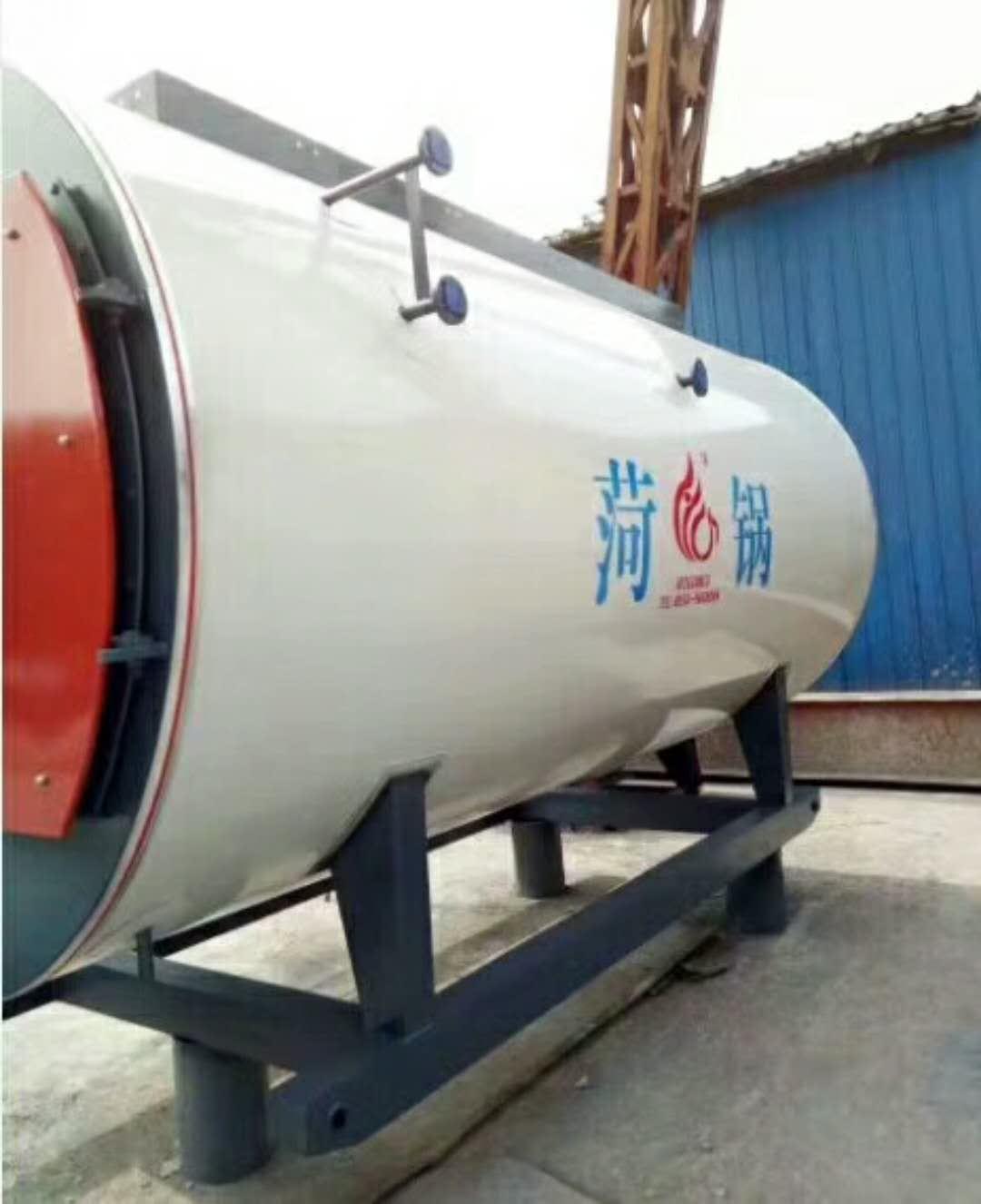
Liquid oxygen storage tanks are high-pressure, highly oxidizing equipment that require special attention to safety during use. Here are some safety precautions for liquid oxygen storage tanks:
- Operation: The operation of liquid oxygen storage tanks should be carried out by trained and experienced personnel. Operators should be familiar with the tank's structure, performance, and operating procedures, and operate strictly according to the operation manual and safety regulations.
- Fire Prevention Measures: Liquid oxygen is highly oxidizing and can easily cause fires and explosions. Open flames and sparks, as well as contact with high-temperature objects, should be prohibited around liquid oxygen storage tanks. Fire prevention facilities and fire extinguishing equipment should be established, and regular inspections and maintenance should be conducted.
- Leak Control: In the event of a leak in a liquid oxygen storage tank, immediate measures should be taken to control the leak. Leaks can lead to the evaporation of liquid oxygen and an increase in oxygen concentration, increasing the risk of fire and explosion. A leak detection system should be established, and leak control devices and personal protective equipment should be provided.
- Insulation Protection: Liquid oxygen storage tanks should have good insulation protection to reduce the evaporation of liquid oxygen and maintain a low temperature state. The insulation layer should be inspected and maintained regularly to ensure its integrity and insulating properties.
- Safety Distance: A certain safety distance should be maintained around liquid oxygen storage tanks to prevent the spread of fires, explosions, and leaks. The specific requirements for safety distances should be assessed and determined based on local regulations and standards.
- Regular Inspections and Maintenance: Liquid oxygen storage tanks should be inspected and maintained regularly, including checking the structural integrity of the tank, valves, and pipelines for tightness.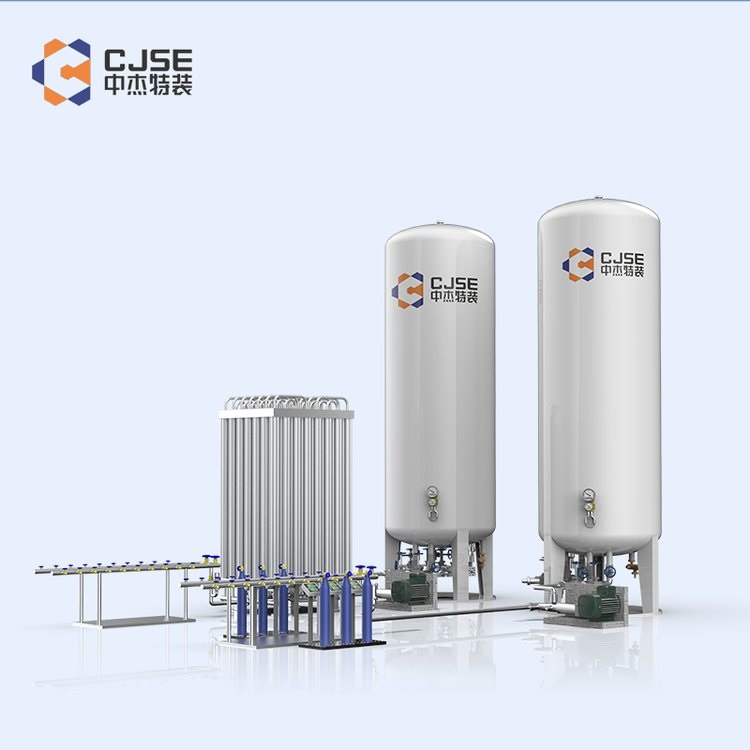
When storing liquid nitrogen in low-temperature storage tanks, the following points should be noted:
Protective Gear: When operating low-temperature storage tanks, it is mandatory to wear appropriate protective gear, including gloves, protective clothing, and anti-slip shoes. This gear safeguards the skin from the low temperatures of liquid nitrogen and other hazards.
Avoid direct contact: Liquid nitrogen is extremely cold and can cause chilling. Therefore, avoid direct contact with liquid nitrogen, especially with the skin. Use tools or equipment for handling to prevent hand contact with liquid nitrogen.
Ventilation Requirements: In the operation area of low-temperature storage tanks, adequate ventilation must be ensured to expel gases produced by the evaporation of liquid nitrogen. Maintain air circulation to avoid excessive oxygen concentration and reduce the risk of fire and explosion.
Prevent Leaks: Regularly inspect the cryogenic storage tanks for leaks and equip with leak detectors and alarm systems. In case of a leak, take immediate action to control and repair it. Avoid the harm caused by liquid nitrogen leaks to personnel and the environment.
Fire Prevention Measures: Liquid nitrogen has a low boiling and freezing point, which makes it prone to fires. To prevent and contain fires, firewalls and fire-retardant coatings should be installed around low-temperature storage tanks.
Static protection: The accumulation of static electricity in low-temperature tanks may cause sparks, increasing the risk of fire. Measures such as using static-conductive materials and anti-static equipment should be taken to reduce the accumulation and release of static electricity.
Regular Inspections and Maintenance: Conduct regular checks on the condition of low-temperature storage tanks and associated equipment, including valves, pipes, pressure gauges, etc. Ensure that the equipment is in perfect condition and promptly repair or replace any damaged parts.
Waste Gas Treatment: Low-temperature storage tanks will produce waste gas during operation, and appropriate waste gas treatment measures must be taken to minimize environmental impact.
The above outlines the precautions to be taken when storing liquid nitrogen in a low-temperature storage tank, ensuring operational safety and the tank's normal operation. During operations, strict adherence to the relevant operational procedures and safety requirements is mandatory to prevent accidents.
Zhongjie Special Equipment upholds the grand vision of "realizing employees' dreams, creating customer value, and striving for the prosperity and strength of our motherland," wholeheartedly dedicated to the development of green energy equipment. We offer society high-value products and services!
WeChat Official Account

Scan to follow Official Account



















