


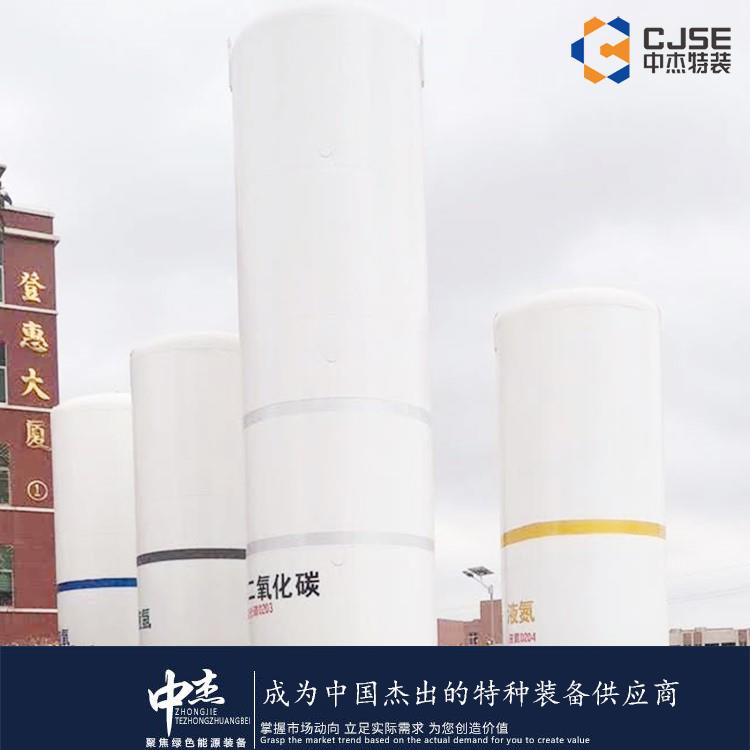

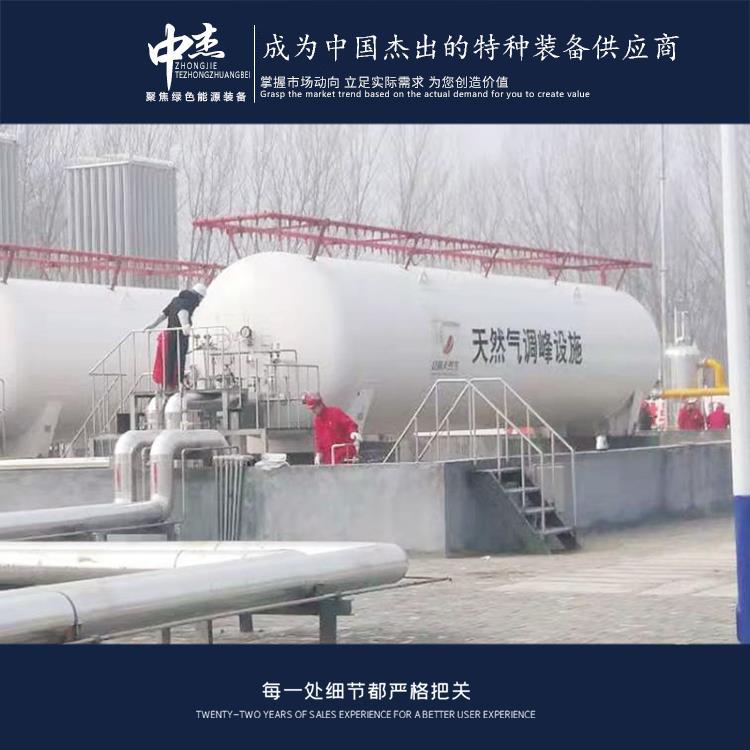
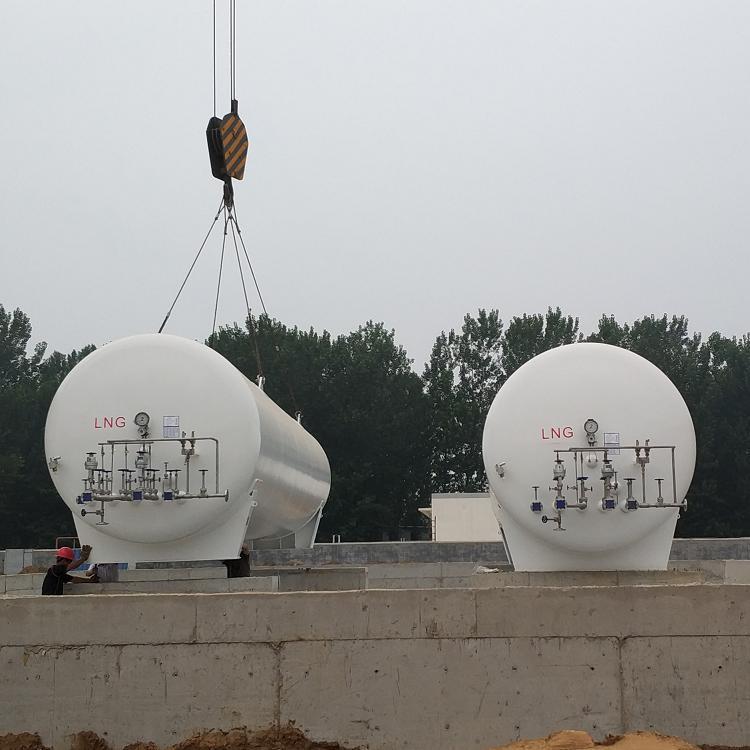


















Shandong Zhongjie Special Equipment (formerly Heze Boiler Factory Co., Ltd.) holds an A-grade boiler manufacturing license, an A2-grade pressure vessel manufacturing license, an A2-grade pressure vessel design license, a B-grade boiler installation license, and GB2/Class, GC2/Class pressure pipeline installation licenses, as well as a mechanical and electrical equipment installation contracting qualification. It is a member of the China Boiler and Water Treatment Association, the China Chemical Equipment Association, and the director unit of the Shandong Equipment Manufacturing Association. The company has also passed the ISO9001 Quality Management System, ISO14001 Environmental Management System, OHSAS18001 Occupational Health and Safety Management System certifications, and the American ASME/U2 certification.
When using CO2 storage tanks, pay attention to the following aspects:
- Safe Operation: Adhere to relevant safety operation procedures and standards, ensuring operators possess the necessary safety knowledge and skills. When using the tank, be mindful of safety risks such as leaks, explosions, and fires.
- Tank Pressure Control: Monitor and control the tank's pressure to ensure it remains within a safe range. Avoid exceeding the tank's rated pressure to prevent rupture or leakage.
- Level Monitoring: Regularly monitor the liquid level within the tank to ensure adequate CO2 supply. Avoid overfilling or underfilling to maintain an appropriate level.
- Static Electricity Measures: Implement static electricity control measures to prevent accumulation and discharge. Use anti-static equipment and tools to ensure static safety during operations.
- Tank Maintenance: Regularly inspect and maintain the tank, including its appearance, valves, and connections. Ensure the tank is intact to prevent leaks and damage.
- Emissions Treatment: Handle the exhaust gases produced by CO2 storage tanks to avoid environmental pollution. Take appropriate emissions treatment measures, such as collecting and processing exhaust gases.
- Storage Records: Document the tank's usage, including filling dates, quantities, and inspection records. Regularly conduct tank inspections and maintenance, and retain relevant records.
- Training and Awareness: Train operators to enhance their awareness and ability to safely operate CO2 tanks. Conduct regular safety training and drills to prepare for emergencies.
- Note: The above are common considerations; specific application details may vary depending on tank type and usage. When using CO2 storage tanks, operate according to relevant specifications and standards, and consult experts to ensure safety and effectiveness.
Before using a CO2 storage tank, certain inspection and filling points must be addressed. Here are some common precautions:
- Inspect the tank exterior: Check for any visible damage, corrosion, or leakage signs. Ensure the tank shell is intact.
- Check valves and fittings: Verify that the tank's valves and fittings are securely fastened and there are no leaks. Ensure their proper operation.
- Inspect the pressure gauge: Confirm that the tank's pressure gauge is functioning correctly and readings are accurate. Replace or repair if abnormal.
- Check the level indicator: Ensure the tank's level indicator is working properly and accurately displays the level. Repair or replace if abnormal.
- Inspect the pressure relief device: Check that the tank's pressure relief device (e.g., safety valve) is functioning correctly and the set pressure meets requirements. Repair or replace if abnormal.
- Inspect the filling equipment: Verify that the filling equipment (e.g., filling pipes, pumps) is operating correctly with no leaks or blockages. Ensure safety and reliability.
- Filling operations: During the filling process, note the following:
- Control the filling speed, avoiding too fast or too slow.
- Control the filling pressure, not exceeding the tank's rated pressure.
- Monitor the level, ensuring proper filling.
- Regularly inspect filling equipment and valves to ensure normal operation.
- Safety measures: Adhere to relevant safety regulations and procedures during filling. Operators should wear appropriate protective gear, such as static-resistant clothing, gloves, etc.
- Note that specific inspection and filling points may vary depending on tank type and application. Before using a CO2 storage tank, check and operate according to relevant specifications and standards, and consult with experts to ensure safety and effectiveness.
二氧化碳储罐的检验频率应根据当地的法规、标准和制造商的建议来确定。一般来说,以下几个因素会影响二氧化碳储罐的检验频率: 法规和标准要求:不同和地区可能有不同的法规和标准,规定了储罐的检验要求和频率。例如,美国的DOT标准要求液化气体储罐每5年进行一次外部检验和每10年进行一次内部检验。 制造商建议:储罐的制造商通常会提供关于检验频率的建议。这些建议基于储罐的设计、材料和使用寿命等因素,可以作为制定检验计划的参考。 使用环境和条件:储罐的使用环境和条件也会影响检验频率。例如,如果储罐暴露在腐蚀性环境中或经常受到机械应力,可能需要更频繁的检验。 一般来说,液化气体储罐的外部检验通常是通过目视检查、超声波检测、磁粉检测等方法进行的,以评估储罐的外部状况和可能存在的缺陷。内部检验可能需要排空储罐,并通过内部检查、厚度测量、焊缝检测等方法来评估储罐的内部状况。 重要的是,储罐的检验应由经过培训和有经验的人员进行,并严格按照相关的法规、标准和制造商的建议进行。定期的检验和维护可以确保储罐的安全性和可靠性,减少事故的风险。
Carbon dioxide tanks are equipment used for storing and transporting CO2. They are typically sealed containers with specialized design and structure to ensure safe storage and use of CO2. Below are some common details about carbon dioxide tanks:
Storage Form: CO2 is gaseous at room temperature but can be compressed into a liquid under high pressure for easier storage and transportation. Carbon dioxide tanks usually store liquid CO2.
Storage Pressure: These tanks typically hold high-pressure CO2 at around 20-25 bar. This high pressure helps maintain CO2 in a liquid state.
Storage Capacity: The capacity of carbon dioxide tanks varies depending on requirements, ranging from small ones with a few thousand liters to large ones with tens of thousands of liters. The capacity choice depends on specific application needs.
Safety: CO2 is colorless, odorless, and non-toxic, but it can be dangerous if inhaled at high concentrations. Therefore, appropriate safety measures, such as ventilation and protective gear, must be taken when using carbon dioxide tanks to ensure the safety of operators.
Applications: Carbon dioxide tanks are widely used in various fields, including food and beverage, pharmaceutical, fire suppression, and gas supply industries. They are used to store and provide CO2 to meet diverse industrial demands.
It is important to note that the design, manufacture, and use of carbon dioxide tanks must comply with relevant regulations, standards, and safety guidelines. When using these tanks, operators should follow the operating manual and safety guidelines and collaborate with local regulatory bodies to ensure the tanks' safety and reliability.
Shandong Zhongjie Special Equipment, welcome customers to visit our factory for business discussions.
WeChat Official Account

Scan to follow Official Account



















