


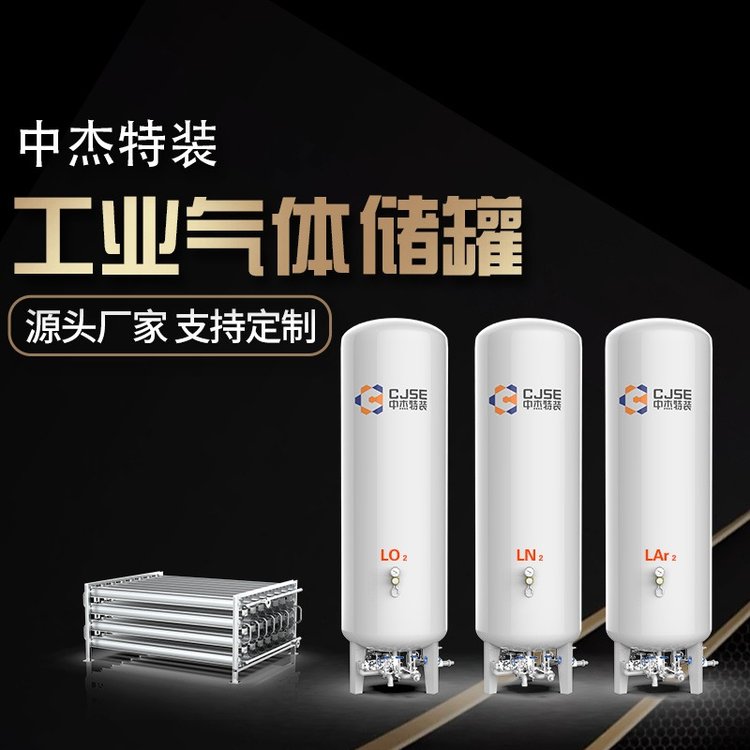

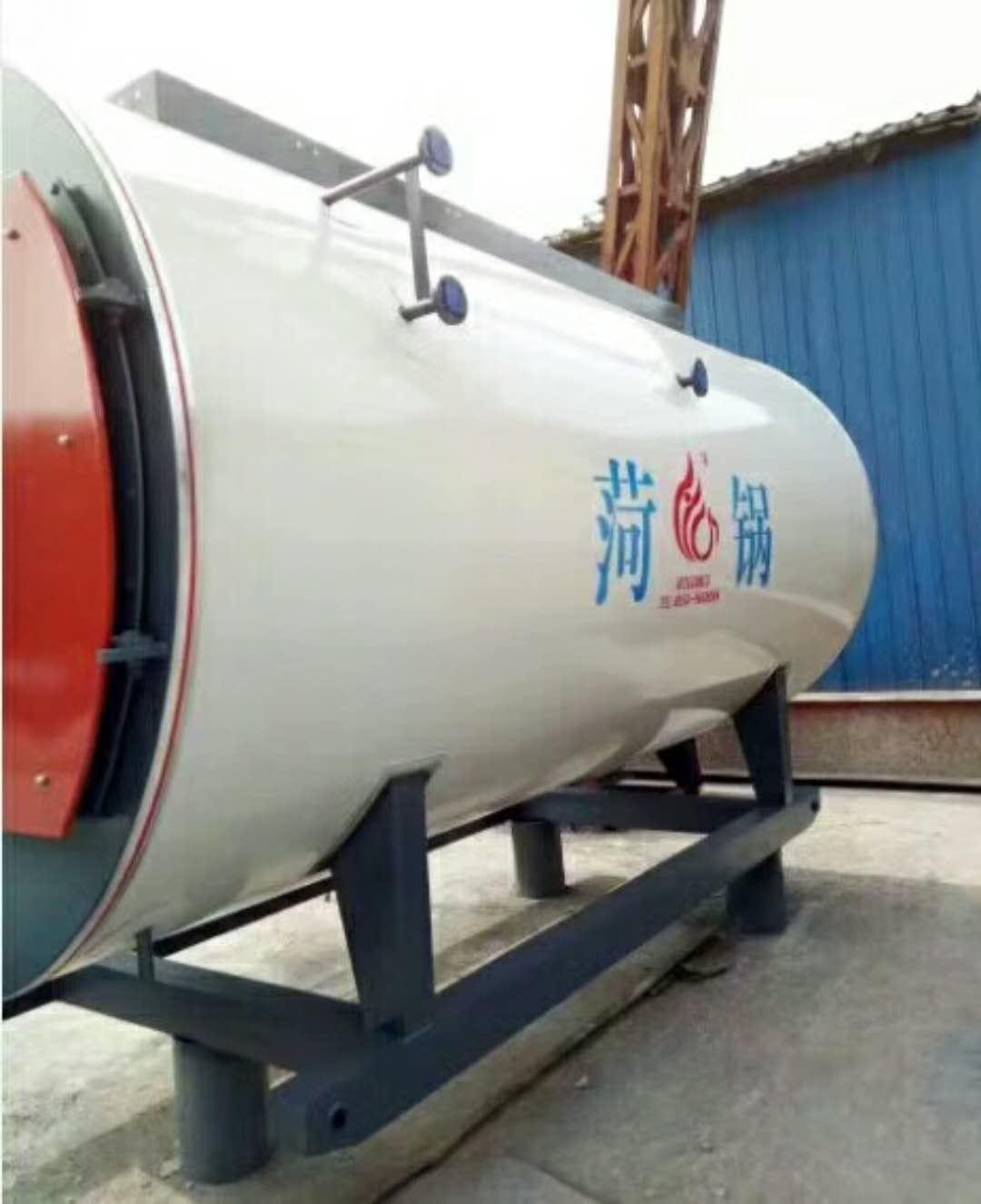


















Shandong Zhongjie Special Equipment (formerly Heze Boiler Factory Co., Ltd.) holds an A-grade boiler manufacturing license, an A2-grade pressure vessel manufacturing license, an A2-grade pressure vessel design license, a B-grade boiler installation license, and GB2/Class GC2 pressure pipeline installation licenses, as well as a mechanical and electrical equipment installation contracting qualification. It is a member of the China Boiler and Water Treatment Association, the China Chemical Equipment Association, and the Council Member of the Shandong Equipment Manufacturing Association. The company has also passed certifications for the ISO9001 Quality Management System, ISO14001 Environmental Management System, OHSAS18001 Occupational Health and Safety Management System, and the U.S. ASME/U2 certification.
During the degreasing process of high vacuum pipelines in low-temperature liquid storage tanks, the following steps can be taken:
Preparation: Ensure the cleanliness and readiness of the defatting equipment and tools. Check the pipeline system's connections and sealing to ensure there are no leaks.
Pipe Cleaning: Clean pipes using appropriate detergents and tools to remove surface dirt and grease. Methods may include mechanical brushing, high-pressure water jetting, or chemical cleaning.
De-greasing Process: Select an appropriate de-greaser and inject it into the pipeline system. The de-greaser can be an organic solvent or an alkaline solution, the choice depending on the pipeline material and type of dirt. Ensure the de-greaser thoroughly covers the inner wall of the pipeline and maintains a certain contact time.
Pipe flushing: Drain the degreaser from the pipeline system and flush with clean water to remove any remaining degreaser and dirt. High-pressure water or gas can be used for rinsing during the process to ensure the cleanliness of the pipeline interior.
Drying Pipe: Utilize drying equipment or a ventilation system to evaporate or exhaust moisture from within the pipe, ensuring the interior surface is dry. Drying can be achieved using hot air or nitrogen.
Inspection and Testing: After degreasing, inspect and test the pipes to ensure cleanliness and seal integrity. Visual inspections, pressure tests, or other relevant tests can be conducted.
Be mindful to adhere to the relevant safety operation procedures and guidelines during the degreasing process of high vacuum pipelines for low-temperature liquid storage tanks. Ensure that operators are equipped with the necessary safety awareness and operational skills to prevent any accidents.
Operation procedures for liquid oxygen storage tanks should be established based on the specific tank design and usage requirements. The following are some common contents of general operation procedures for liquid oxygen storage tanks:
- Operator Training: Ensure operators have received relevant training for liquid oxygen storage tanks, understanding the tank's structure, performance, operation procedures, and safety precautions.
- Safety Inspections: Conduct necessary safety checks before operating the liquid oxygen storage tank, including checking the tank's integrity, the sealing of valves and pipes, and the condition of the insulation layer.
- Liquid Oxygen Supply: Ensure the liquid oxygen supply system is functioning properly, including inspecting the status of liquid oxygen supply pipes, valves, and pressure gauges, and ensuring an adequate supply of liquid oxygen.
- Tank Pressure Control: Monitor the pressure of the liquid oxygen storage tank to ensure it remains within a safe range. If necessary, control the tank's pressure by adjusting pressure valves or pressure relief devices.
- Leak Control: Regularly check the sealing of the tank and pipes to ensure there are no leaks. In case of a leak, take immediate measures to control the leak and notify relevant personnel.
- Fire Prevention Measures: Prohibit open flames and prevent sparks and high-temperature objects from contacting the tank. Establish fire prevention facilities and firefighting equipment, and conduct regular inspections and maintenance.
- Safety Distance: Maintain a certain safety distance around the liquid oxygen storage tank to prevent the spread of fires, explosions, and leaks.
- Maintenance and Repair: Regularly perform maintenance and repairs on the tank, including cleaning the tank, inspecting the insulation layer, valves, and pipes, to ensure the tank operates normally.
- Waste Disposal: Properly dispose of waste generated by the liquid oxygen storage tank, including liquid oxygen residues, waste gases, and waste liquids, in accordance with relevant environmental protection regulations and standards.
Note that operation procedures for liquid oxygen storage tanks should be established based on the specific tank design and usage requirements and should comply with applicable regulations, standards, and safety guidelines. When operating liquid oxygen storage tanks, cooperate with local regulatory agencies and individuals to ensure the tank's safety and reliability.
The medical oxygen steel cylinder filling area, in addition to the liquid oxygen storage tank, includes the following components:
Oxygen Compressor: Oxygen compressors are used to compress gaseous oxygen into high-pressure oxygen. These compressors are typically made with special materials and designs to ensure safe handling and compression of oxygen.
Oxygen Purification System: The oxygen purification system is designed to remove impurities and contaminants from oxygen, ensuring the purity and quality of the supplied oxygen. The system typically includes filters, absorbents, and molecular sieves.
Oxygen Storage System: In addition to liquid oxygen tanks, the oxygen filling area may also include a gaseous oxygen storage system for temporary storage and supply of gaseous oxygen. The gaseous oxygen storage system typically includes high-pressure oxygen cylinders or gas storage tanks.
Filling Equipment: Filling equipment is used to transfer oxygen from liquid oxygen storage tanks or gaseous oxygen storage systems into medical oxygen steel cylinders. The filling equipment typically includes filling machines, filling pipelines, and filling control systems.
Oxygen Quality Monitoring System: The oxygen quality monitoring system is used to monitor the quality and purity of oxygen being filled. Quality checks and monitoring are conducted on the filled oxygen through an oxygen analyzer or other detection equipment.
Safety Facilities: The filling area should be equipped with corresponding safety facilities, such as fire alarm systems, oxygen leak detection systems, and ventilation systems, to ensure the safety and protective measures during the filling process.
It is important to note that the design and equipment configuration of a medical oxygen cylinder filling facility should comply with relevant regulations, standards, and specifications. During the filling process, strict adherence to operational procedures and safety requirements is essential to ensure the safe supply of oxygen.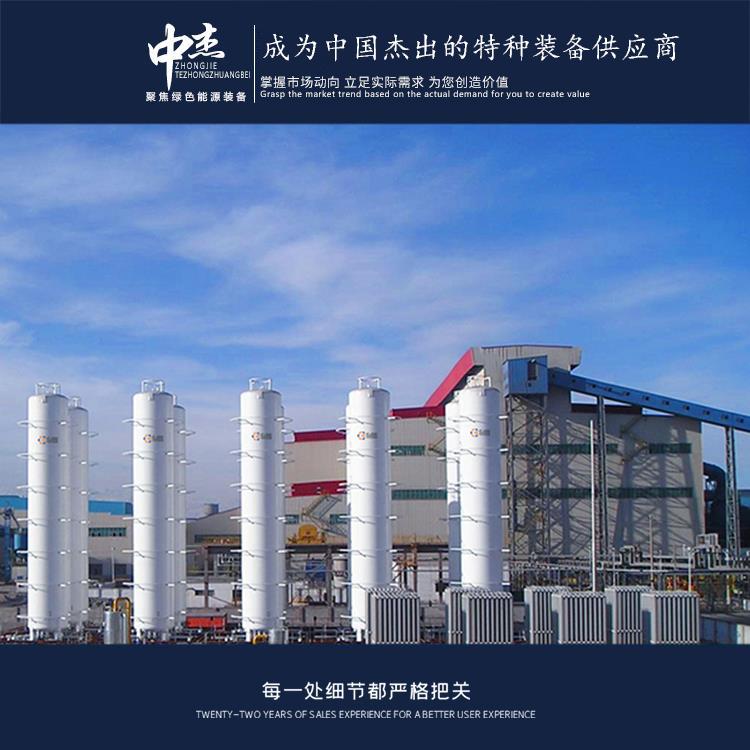
When selecting low-temperature liquefied natural gas (LNG) storage tanks, the following factors should be considered:
Tank Types: Common LNG tank types include vertical fixed-roof tanks, spherical tanks, and horizontal tanks. Select the appropriate tank type based on specific application requirements and site conditions.
Tank Capacity: Determine the tank capacity based on the storage requirements and estimated usage of LNG. The tank capacity should meet the anticipated storage duration and supply needs.
Material Selection: LNG tanks typically use low-temperature steel or nickel alloy materials to ensure corrosion resistance and strength in low-temperature environments. Select the appropriate material based on the tank's design pressure and temperature requirements.
Safety Performance: LNG tanks should have excellent safety performance, including seismic resistance, fire resistance, and leakage control capabilities. The tanks should comply with relevant safety standards and regulations, such as API 620, EN 1473, etc.
Maintenance and Inspection: Consider the maintenance and inspection requirements of the storage tank, including internal cleaning, coating protection, corrosion prevention measures, etc. The design of the tank should facilitate maintenance and inspection operations to ensure long-term reliable operation.
Environmental Impact: When selecting LNG tanks, consider their impact on the surrounding environment. The layout and design of the tanks should comply with environmental protection requirements, minimizing noise, vibration, and gas emissions, etc.
Cost-effectiveness: Consider the investment, operational, and lifecycle costs of the tank to select one with a favorable cost-performance ratio.
需要注意的是,选型LNG储罐时应遵循相关的和地区的法规、标准和规范。此外,咨询的工程师或储罐制造商,以获取更详细和准确的选型建议。
Shandong Zhongjie Special Equipment, welcome customers to our factory for business discussions.
WeChat Official Account

Scan to follow Official Account



















