


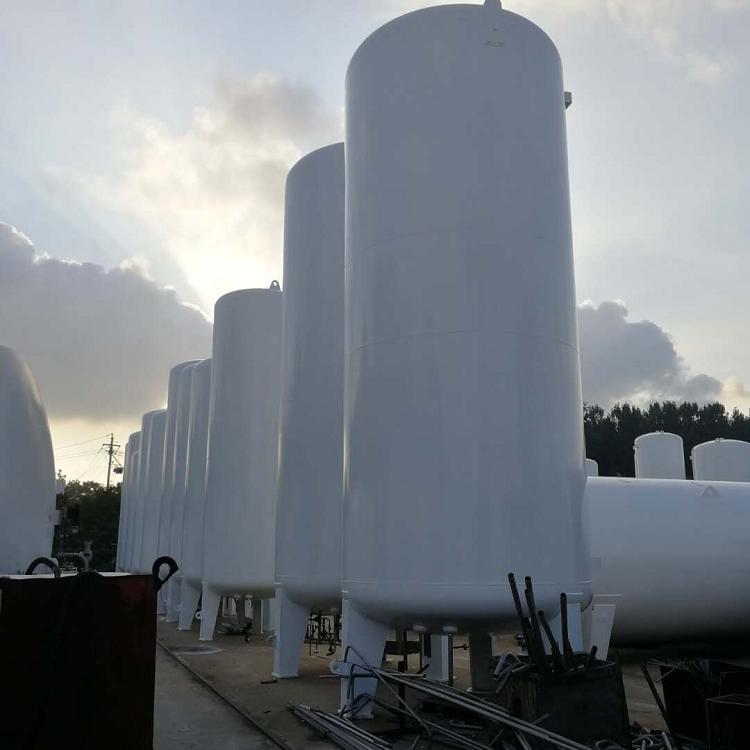

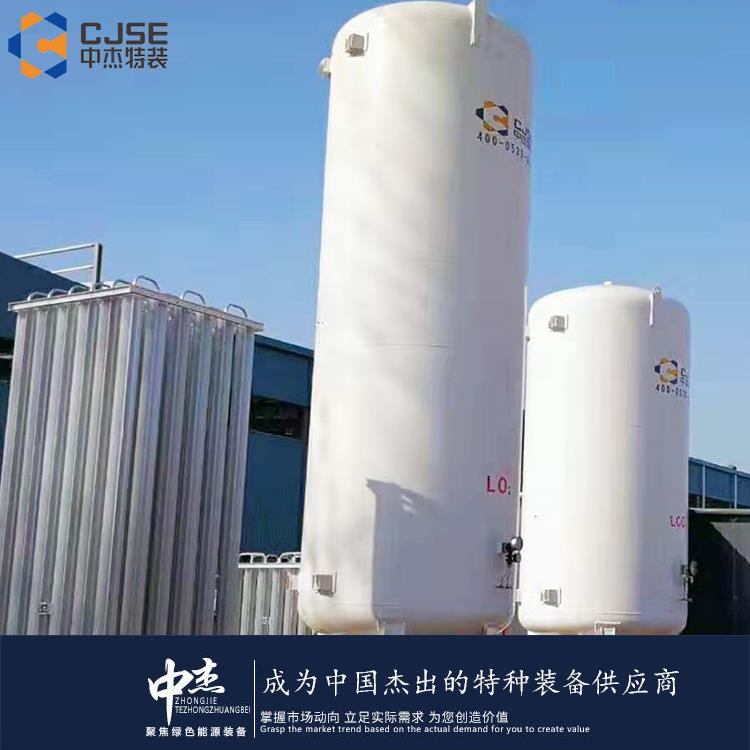
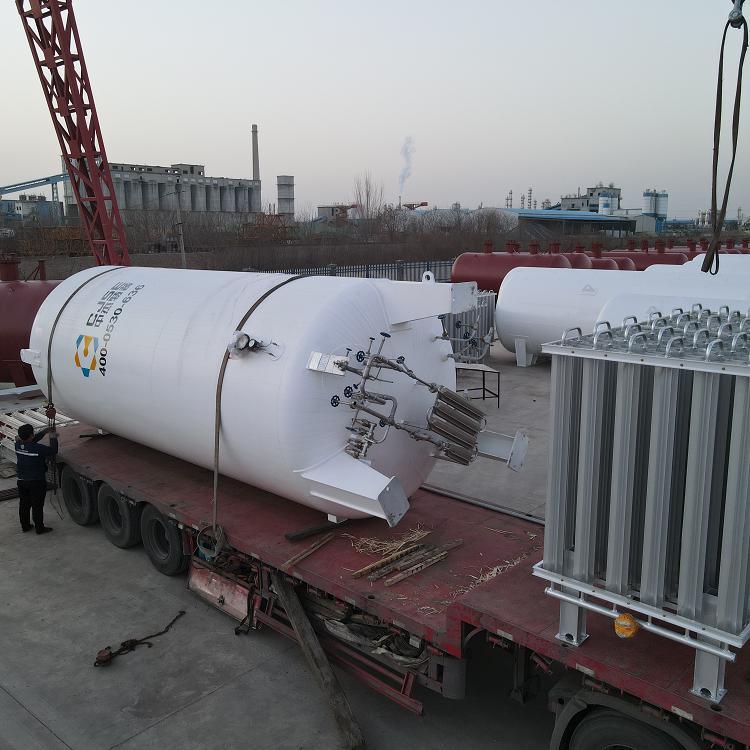


















Shandong Zhongjie Special Equipment (formerly Heze Boiler Factory Co., Ltd.) was established in 2001, located at No. 2218 Jinnan Road, Development Zone, Heze City, with a registered capital of 50 million yuan and total assets of 500 million yuan. The company has 7 business centers: boilers, deep-freezing containers, pressure vessels, central air conditioning, engineering installation, international trade, and Internet of Things. It has three factory sites on Jinnan Road, East Changjiang Road, and Bohai Road, covering a total of 200,000 square meters, with the main workshop spanning 83,000 square meters. It currently employs 710 people, including 247 engineers and technicians, and 82 intermediate-level technicians. In December 2016, it was recognized as a "High-tech Enterprise" by the Science and Technology Department. In June 2021, it was identified as a "Specialized and New Enterprise in Shandong Province" by the Ministry of Industry and Information Technology. In June 2022, it was recognized as a "Gazelle Enterprise in Shandong Province" and in August 2022, it was identified as a "Specialized and New Small Giant Enterprise" by the Ministry of Industry and Information Technology.
The quality of carbon dioxide storage tanks is influenced by several factors:
Material Quality: The quality of the materials used in the tank directly affects its corrosion resistance, strength, and sealing performance. Common materials include carbon steel and stainless steel. Choosing high-quality materials can enhance the tank's quality and lifespan.
Manufacturing Process: The manufacturing process significantly impacts the tank's quality. Welding, heat treatment, and surface treatment during production must comply with relevant standards and specifications to ensure the tank's structural integrity and performance stability.
Design Specifications: The tank's design must adhere to applicable design standards and regulations, such as industry standards. A well-designed tank ensures sufficient strength and safety under normal operating conditions.
Safety Accessories: Safety accessories like relief valves, pressure sensors, and temperature sensors play a crucial role in the tank's quality and safety. Selecting high-quality accessories and ensuring proper installation and tuning can improve the tank's quality and safety.
Inspection and Testing: Inspections and tests, such as material inspection, weld testing, and pressure testing, are necessary during the manufacturing process. These tests ensure the tank meets quality requirements and complies with safety standards.
Usage and Maintenance: The tank's usage and maintenance also affect its quality. Correct usage and regular maintenance can extend the tank's lifespan and maintain its optimal operational condition.
In summary, the quality of carbon dioxide storage tanks is affected by material quality, manufacturing process, design specifications, safety accessories, inspection and testing, as well as usage and maintenance. When selecting and using storage tanks, attention should be given to these factors to ensure quality and safety.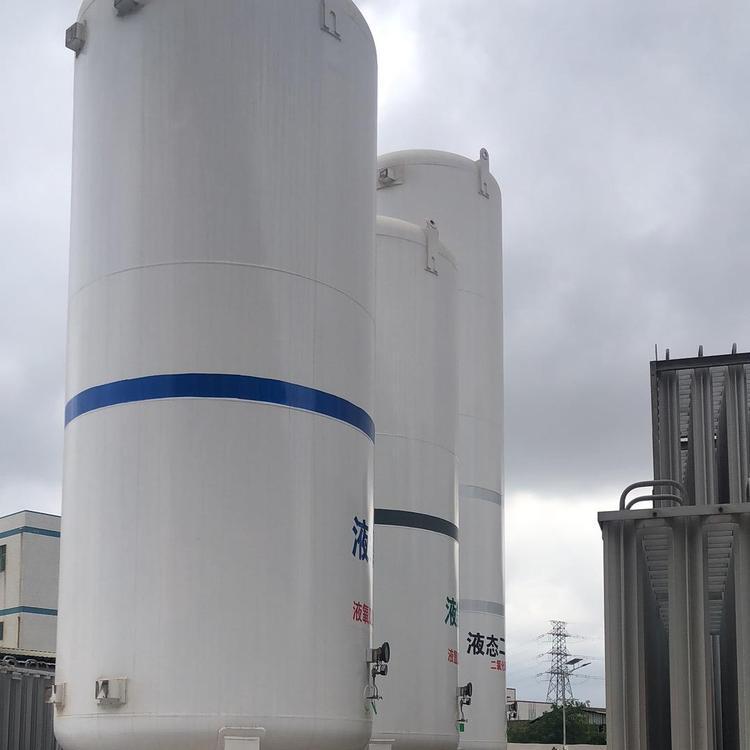
To maintain the stability of CO2 storage tanks, attention should be given to the following details:
- Foundation Design: The tank's foundation design must comply with relevant standards and regulations, ensuring adequate strength and stability. The foundation should consider the tank's weight, pressure, and geological conditions to ensure the tank is securely placed on the foundation.
- Lining and Fastening Devices: Appropriate linings, such as rubber pads or steel plates, should be installed between the tank and the foundation to reduce friction and vibration. Additionally, use fastening devices like bolts or welding to secure the tank to the foundation, preventing movement and tilting.
- Site Leveling: The site for tank installation should be kept level, without any significant slopes or unevenness. If the site has slopes or unevenness, adjustments and corrections should be made to ensure the tank's stability.
- Seismic Measures: In areas prone to earthquakes, additional seismic measures are required, such as installing seismic supports and enhancing the tank's seismic resistance to improve stability.
- Regular Inspections: Conduct regular inspections of the tank's fastening devices and connection points to ensure they are intact. If loose, worn, or damaged conditions are found, repairs or replacements should be made promptly.
- Load Distribution: Uniformly distribute loads above the tank, such as platforms or pipelines, to balance the weight distribution of the tank and reduce the impact of uneven loads on stability.
- Safety Distance: The tank should maintain sufficient safety distances from other equipment, buildings, and fire sources to prevent accidental collisions or fires from affecting the tank's stability.
It is important to note that the installation of CO2 storage tanks...
The reasons for regular inspections of low-temperature liquid carbon dioxide storage tanks are to ensure their safety performance and normal operation. Due to the tanks' exposure to low temperatures and high pressures, there are inherent safety risks, such as leaks and structural failures. Regular inspections can promptly identify potential issues, allowing for appropriate repairs or maintenance to ensure safe tank operation. The specific inspection frequency should be determined according to relevant regulations and standards, with routine inspections and maintenance generally recommended. Typically, the interval for regular inspections of low-temperature liquid carbon dioxide storage tanks is between 1 to 3 years, though this may vary based on usage, age, and design standards. The content of regular inspections usually includes visual inspections of the tank, checks of valves and fittings, leak detection, and pressure testing. Additionally, regular checks and maintenance of the insulation layer are essential to maintain its insulating properties. It is important to note that the specific inspection frequency and content should be determined based on local laws, standards, and the manufacturer's recommendations. Inspections should be conducted by qualified personnel, and maintenance records should be kept to track and manage the tank's safety performance.
Carbon dioxide storage tanks fall under the category of pressure vessels. Pressure vessels are sealed containers capable of withstanding internal pressure, used for storing and transporting gases, liquids, or mixtures. Carbon dioxide storage tanks are pressure vessels specifically designed for storing and transporting carbon dioxide, featuring unique designs and structures to ensure safe storage and use of the gas. Depending on design and application, carbon dioxide storage tanks can be either vertical or horizontal, with varying capacities and pressure ratings. When using carbon dioxide storage tanks, it is essential to comply with relevant regulations and standards to ensure safe operation and usage.
Zhejiang Zheteng Special Equipment adheres to the great vision of "realizing employees' dreams, creating value for customers, and striving for the prosperity and strength of our motherland," focusing solely on the development of green energy equipment, dedicating high-quality products and services to society!
WeChat Official Account

Scan to follow Official Account



















